

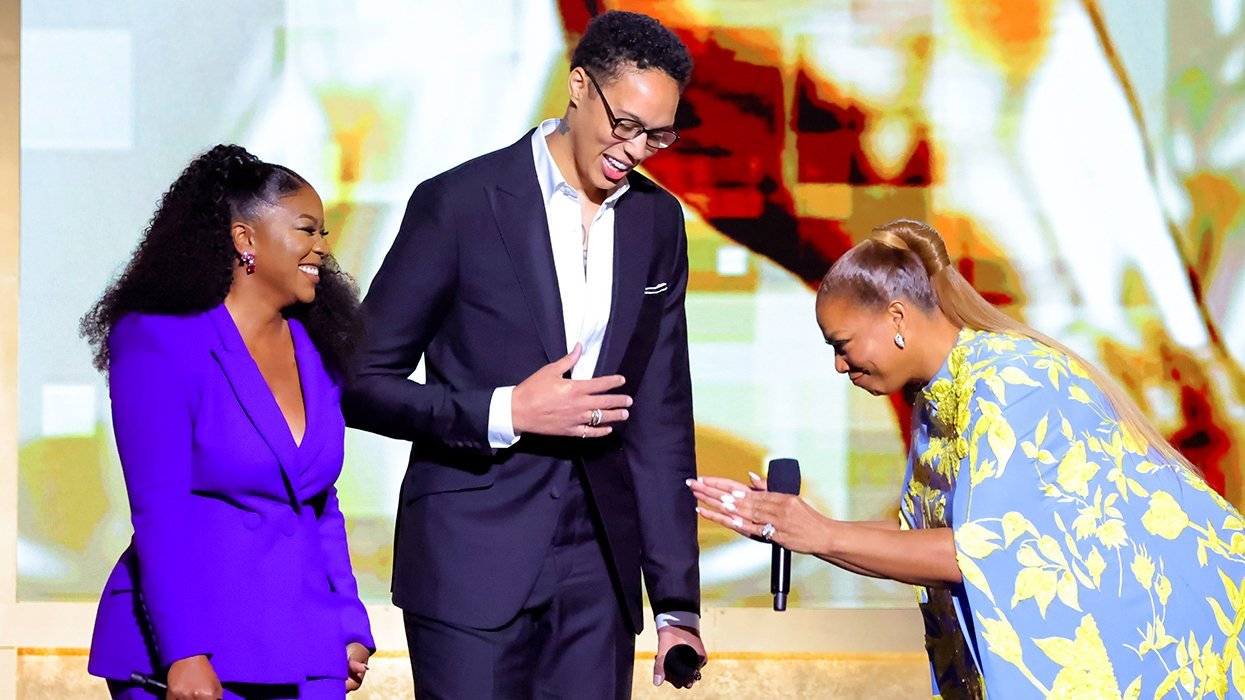
Brittney Griner and her wife Cherelle are expecting! Here's when baby Griner is arriving
Brittney Griner and her wife Cherelle have announced they're expecting, and the couple's "favorite human being" is almost due!
April 15 2024 12:52 PM
By continuing to use our site, you agree to our Private Policy and Terms of Use.
In The Advocate's Women section, readers can find out the latest news and updates that are important to lesbian, bisexual, and transgender women. Discover articles related to politics, arts and entertainment, health, parenting, business, travel, and more. Find out about women from all spheres of influence who are working toward advancing the LGBT rights movement like Tammy Baldwin, Guinevere Turner, Gloria Steinem, Ellen Page, Laverne Cox, and Diana Nyad. Watch videos, read articles, and stay up-to-date on all issues related to gay women.
Brittney Griner and her wife Cherelle have announced they're expecting, and the couple's "favorite human being" is almost due!
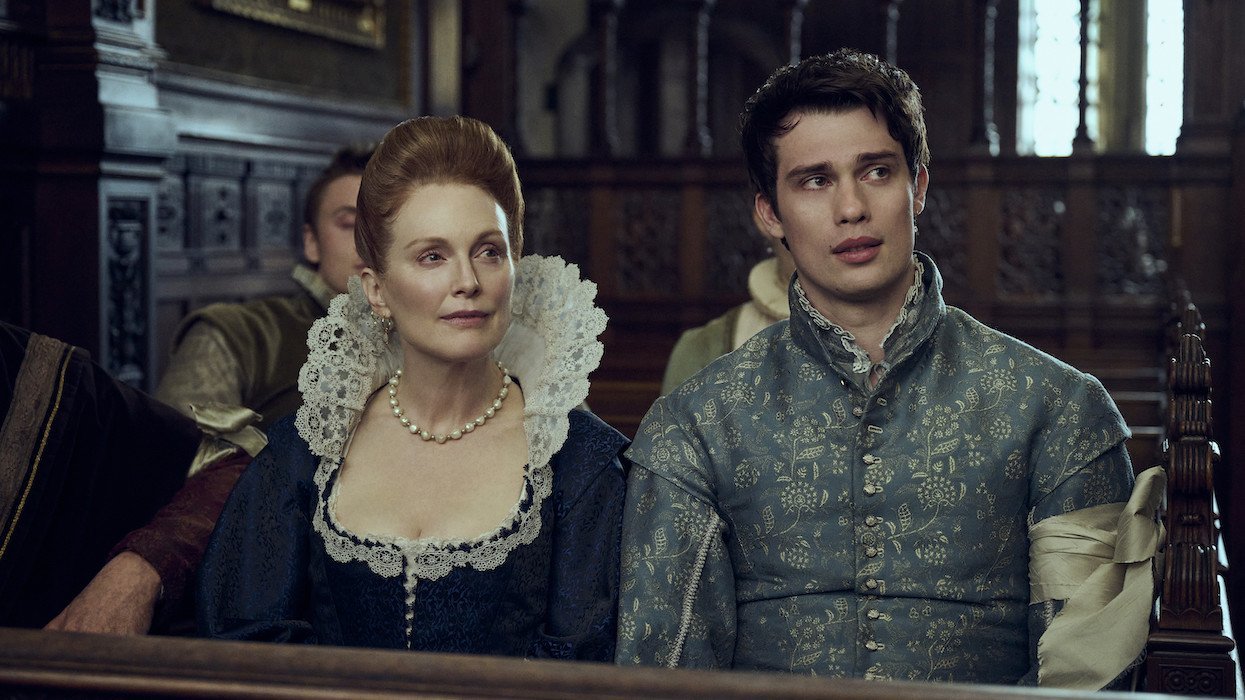
Julianne Moore and Nicholas Galitzine chat with Advocate Channel about their royally queer characters in STARZ's Mary & George.
A new research study is shedding a light on why straight women have fewer orgasms than lesbians — and it's exactly the reason you think.
Even Korbin Albert's teammates are distancing themselves from the player in light of her social media posts mocking queer people.
The hit album is much more than simply a genre detour for the superstar.
Constitutional amendments to protect abortion are on the ballot in 4 states, and 5 other states still need your signature.
Uganda's highest court cited the U.S. Supreme Court's Dobbs v. Jackson ruling in their decision to uphold a law criminalizing same-sex relationships.
Emma Mulvaney-Stanak, the first woman and first out gay mayor of Vermont's largest city, tells The Advocate about how blue states must be proactive instead of reactive in the fight for LGBTQ+ rights.
Lizelle Gonzalez spent two nights in jail after being charged with murder in “the death of an individual by self-induced abortion."
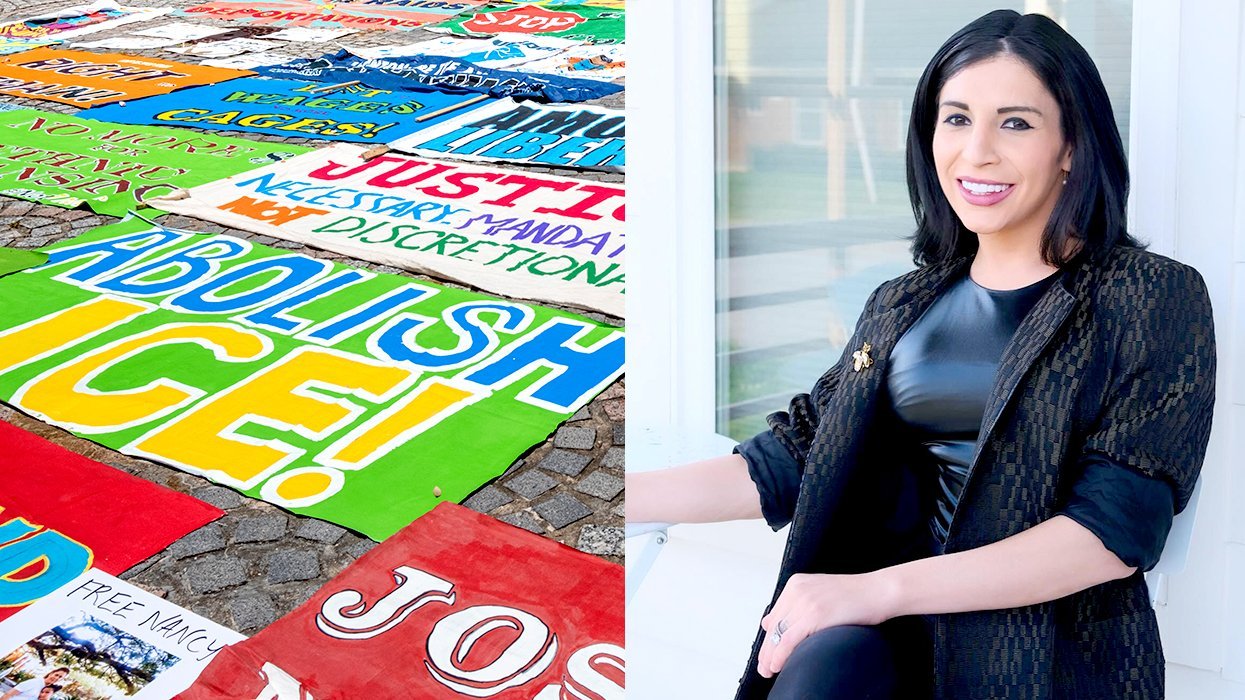
Arely Westley, this year's recipient of the Robert F. Kennedy Human Rights Award, tells The Advocate about this "crucial moment" in time for queer and immigrant communities.
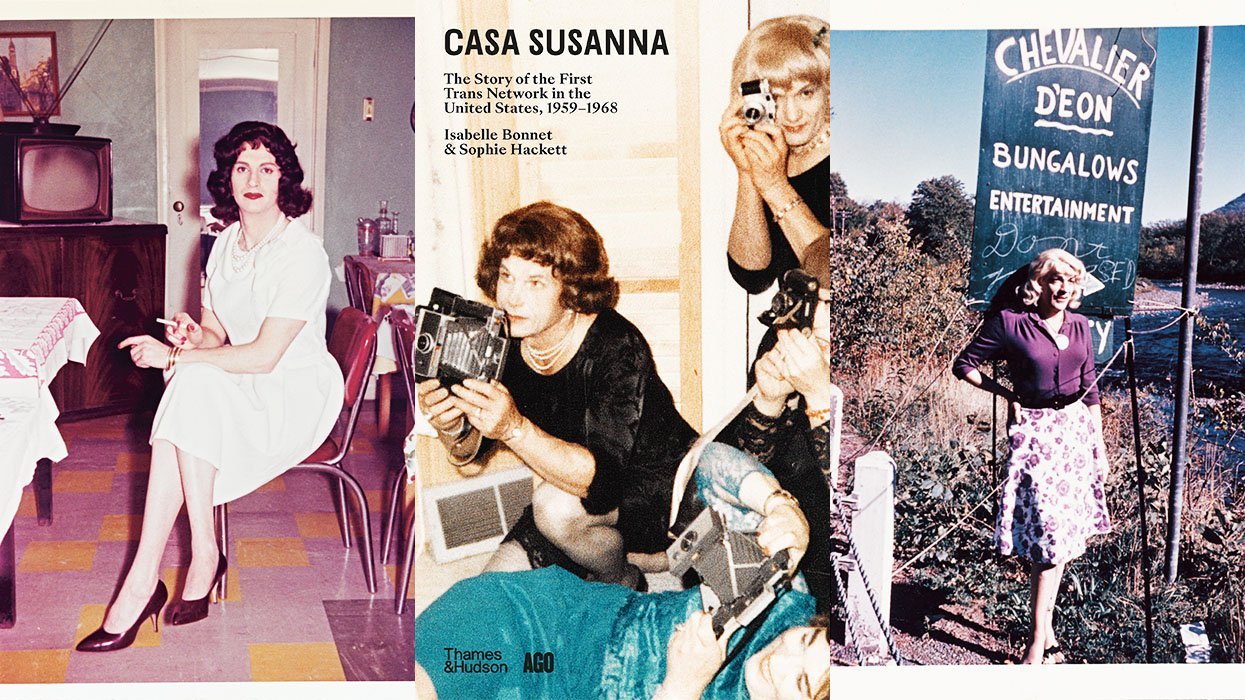
A house in the Catskill Mountains once served as a refuge of joy and liberation. Now, a new book brings Casa Susanna back to life.
The stars of the new Apple TV+ series share how meaningful it was to them to tell stories of queer identity and friendship between gay men and women.
After one bride's father refused to attend or take part in her wedding, her brothers decided to fill his role instead.
Despite abortion restrictions being implemented in 21 states since the overturning of Roe v. Wade, abortions are increasing in the U.S.
Blu Linares recently told The Advocate about her reaction to the viral video of her assault, and the moments leading up to it.
Republican Steve Halloran is under investigation for sexual harassment after using a colleague's name while reading a graphic rape scene on the legislative floor.
MacKenzie Scott has awarded 279 nonprofits with $2 million each, including 15 organizations that focus on the LGBTQ+ community.
Girls5eva's lesbian star chats with Advocate Channel about how the new, very queer season gets its specific lesbian references so right. .
Planet Fitness is standing behind its decision to ban a member who photographed a transgender woman in a locker room.
The plot of the Sydney Sweeney and Glen Powell-led romcom revolves around a queer wedding featuring Alexandra Shipp and Hadley Robinson. And we have a clip.