CONTACTStaffCAREER OPPORTUNITIESADVERTISE WITH USPRIVACY POLICYPRIVACY PREFERENCESTERMS OF USELEGAL NOTICE
© 2024 Pride Publishing Inc.
All Rights reserved
All Rights reserved



By continuing to use our site, you agree to our Private Policy and Terms of Use.
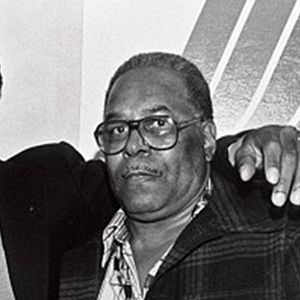
In September the Connecticut supreme court agreed to take on what could be a landmark civil union case. But last week the plaintiff in the case, retired local businessman Glen Rosengarten, died of lymphoma. Now Rosengarten's attorneys are saying they will push to keep the case alive. Rosengarten and his then-partner of 15 years, Peter Downes of New York City, were joined in a civil union in Vermont on New Year's Eve, 2000. Six months earlier Vermont had enacted the country's first law allowing same-sex couples to enter into a legal relationship. Rosengarten, who was 54 when he died, filed a petition this summer asking the state supreme court to review decisions made by the state's lower courts, which said they had no jurisdiction over civil union matters, since the state does not recognize same-sex marriages. Vermont is the only state that does recognize same-sex civil unions, and Rosengarten was considered the first person in the nation to attempt to legally dissolve a civil union outside of that state. Rosengarten's lawyers say they will push to keep the case alive by waiting for the executor of Rosengarten's estate, a determination made in probate court, to stand in for Rosengarten in court. "We're asking the supreme court to keep this case because we think it's a matter of important public interest," said attorney Gary Cohen, who is married to Rosengarten's former wife. "The question of whether the courts have jurisdiction here does not die with Mr. Rosengarten, and there are other couples [affected] by this." In the past year Rosengarten grew seriously ill with lymphoma and HIV. He said prior to his death he did not believe Downes would try to stake a claim on his assets, but to be on the safe side he wanted to protect the inheritance rights of his three children from a previous marriage. In their petition to the state supreme court, Cohen and cocounsel Kenneth Bartschi of Hartford wrote that the courts should have the jurisdiction to end a civil union, since it is a contract like any other. "Even though Connecticut does not have its own civil unions scheme and does not issue marriage licenses to same-sex couples, the lack of the ability to form such relationships in Connecticut does not evince a strong public policy as to the dissolution of civil unions formed elsewhere," the lawyers wrote. "Dissolving the parties' civil union will not affect any of the myriad rights and responsibilities of marriage for any couple in Connecticut. Nor does it affect the scope of the state's authority to decide who may marry."
Want more breaking equality news & trending entertainment stories?
Check out our NEW 24/7 streaming service: the Advocate Channel!
Download the Advocate Channel App for your mobile phone and your favorite streaming device!


From our Sponsors
Most Popular


Here Are Our 2024 Election Predictions. Will They Come True?
November 07 2023 1:46 PM

17 Celebs Who Are Out & Proud of Their Trans & Nonbinary Kids
November 30 2023 10:41 AM

Here Are the 15 Most LGBTQ-Friendly Cities in the U.S.
November 01 2023 5:09 PM

Which State Is the Queerest? These Are the States With the Most LGBTQ+ People
December 11 2023 10:00 AM

These 27 Senate Hearing Room Gay Sex Jokes Are Truly Exquisite
December 17 2023 3:33 PM

30 Steamy Photos of Folsom Street Fair 2023 Debauchery
October 15 2023 11:06 PM

10 Cheeky and Homoerotic Photos From Bob Mizer's Nude Films
November 18 2023 10:05 PM

42 Flaming Hot Photos From 2024's Australian Firefighters Calendar
November 10 2023 6:08 PM

These Are the 5 States With the Smallest Percentage of LGBTQ+ People
December 13 2023 9:15 AM

Here are the 15 gayest travel destinations in the world: report
March 26 2024 9:23 AM
Watch Now: Advocate Channel
Trending Stories & News
For more news and videos on advocatechannel.com, click here.
Trending Stories & News
For more news and videos on advocatechannel.com, click here.
Latest Stories


'Florida has a First Amendment problem' — judge rules trans teacher can use 'Ms.'
April 10 2024 6:33 PM

Here's why soccer fans are booing USWNT player Korbin Albert
April 10 2024 6:26 PM

Trans and nonbinary migrants file complaint over treatment at ICE detention facility
April 10 2024 6:00 PM


X likely profited from promoted post calling for LGBTQ+ death penalty
April 10 2024 3:11 PM

Giselle Byrd is taking center stage — and helping others do the same
April 10 2024 2:15 PM

How Beyoncé's Cowboy Carter advances equality
April 10 2024 1:39 PM


The North Face faces conservative boycott for sponsoring a queer summer camp (exclusive)
April 10 2024 8:26 AM
Trending stories

























Most Recent
























Recommended Stories for You
