'%3E%3Cpath d='M16.3574 35.6519H12.9537L15.0491 18.8873L16.3574 35.6519ZM30.4229 54.0093L22.309 0.994385H7.91795L0 54.0093H10.6634L11.5802 46.3855H17.4014L17.9914 54.0093H30.4229Z' fill='%23971B20'/%3E%3Cpath d='M48.2073 41.8813C48.2073 43.4049 47.4892 44.0011 46.1144 44.0011H43.7595V11.0687H46.1144C47.4892 11.0687 48.2073 11.6636 48.2073 13.1885V41.8813ZM59.5273 43.6695V11.3326C59.5273 3.71323 53.5729 0.994385 47.8157 0.994385H31.7213V54.0093H47.8157C53.5729 54.0093 59.5273 51.29 59.5273 43.6695Z' fill='%23971B20'/%3E%3Cpath d='M90.183 0.994385H78.6039L75.0711 30.6157L71.9955 0.994385H59.4346L69.2474 54.0093H80.373L90.183 0.994385Z' fill='%23971B20'/%3E%3Cpath d='M107.063 42.3448C107.063 43.7359 105.951 44.5974 104.643 44.5974C103.269 44.5974 102.157 43.7359 102.157 42.3448V12.658C102.157 11.2676 103.269 10.4058 104.643 10.4058C105.951 10.4058 107.063 11.2676 107.063 12.658V42.3448ZM119.233 43.2723V11.7312C119.233 6.36384 112.952 -3.8147e-06 104.643 -3.8147e-06C96.2667 -3.8147e-06 89.9867 6.36384 89.9867 11.7312V43.2723C89.9867 48.6393 96.2667 55 104.643 55C112.952 55 119.233 48.6393 119.233 43.2723Z' fill='%23971B20'/%3E%3Cpath d='M150.976 43.9349V33.7309H139.069V42.3448C139.069 43.7359 137.957 44.5974 136.582 44.5974C135.076 44.5974 133.964 43.7359 133.964 42.3448V12.658C133.964 11.2676 135.076 10.4058 136.582 10.4058C137.957 10.4058 139.069 11.2676 139.069 12.658V21.2723H150.976V11.0687C150.976 5.70107 145.283 -3.8147e-06 136.582 -3.8147e-06C127.75 -3.8147e-06 121.796 5.70107 121.796 11.0687V43.9349C121.796 49.3022 127.75 55 136.582 55C145.283 55 150.976 49.3022 150.976 43.9349Z' fill='%23971B20'/%3E%3Cpath d='M167.478 35.6519H164.076L166.17 18.8873L167.478 35.6519ZM181.544 54.0093L173.432 0.994385H159.037L151.123 54.0093H161.785L162.704 46.3855H168.523L169.114 54.0093H181.544Z' fill='%23971B20'/%3E%3Cpath d='M205.412 10.4058V0.994385H177.081V10.4058H185.392V54.0093H197.428V10.4058H205.412Z' fill='%23971B20'/%3E%3Cpath d='M230.002 54.0093V43.9349H218.914V31.8746H226.635V21.8028H218.914V10.4058H230.002V0.994385H206.875V54.0093H230.002Z' fill='%23971B20'/%3E%3C/g%3E%3Cdefs%3E%3CclipPath id='clip0_260_7080'%3E%3Crect width='230' height='55' fill='white'/%3E%3C/clipPath%3E%3C/defs%3E%3C/svg%3E)


This story originally appeared on Them.
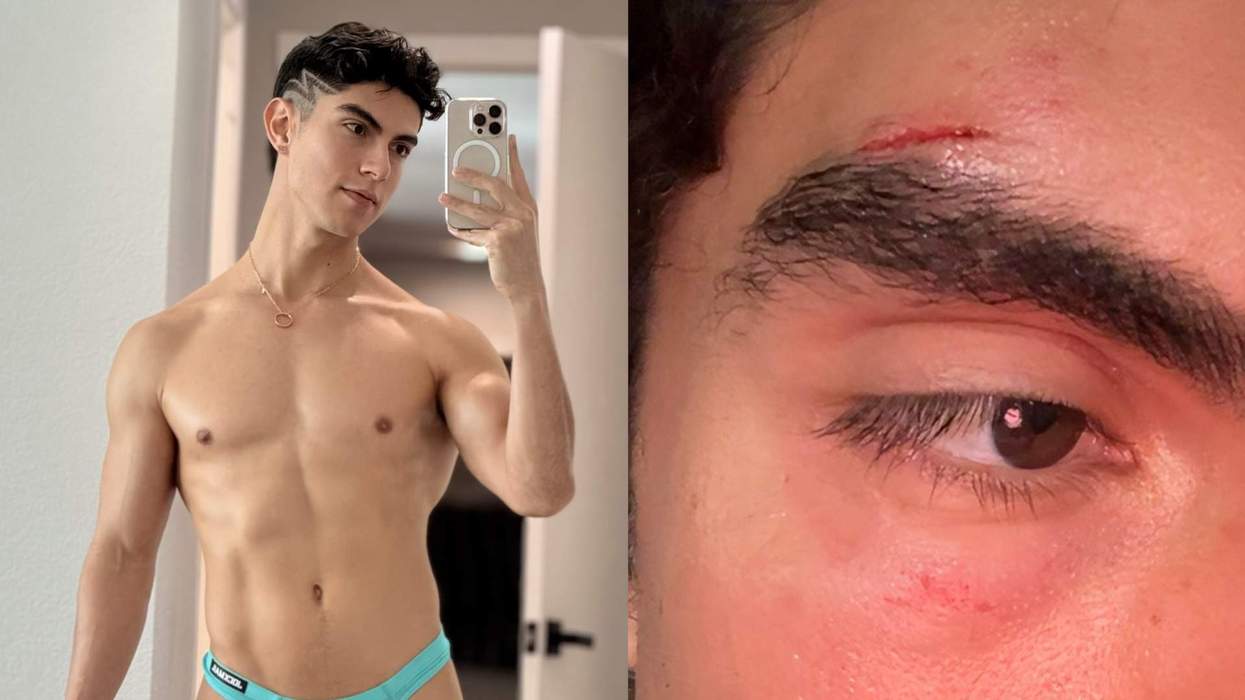
Health insurance in the United States, is infamously difficult to procure, especially for workers without a traditional 9 to 5. This unfortunately happens to be the case for highly award-nominated trans actor Jack Haven, known for their roles in Atypical, I Saw The TV Glow, and Teenage Sex and Death at Camp Miasma, who is struggling to qualify for Screen Actors Guild health insurance for the coming calendar year.
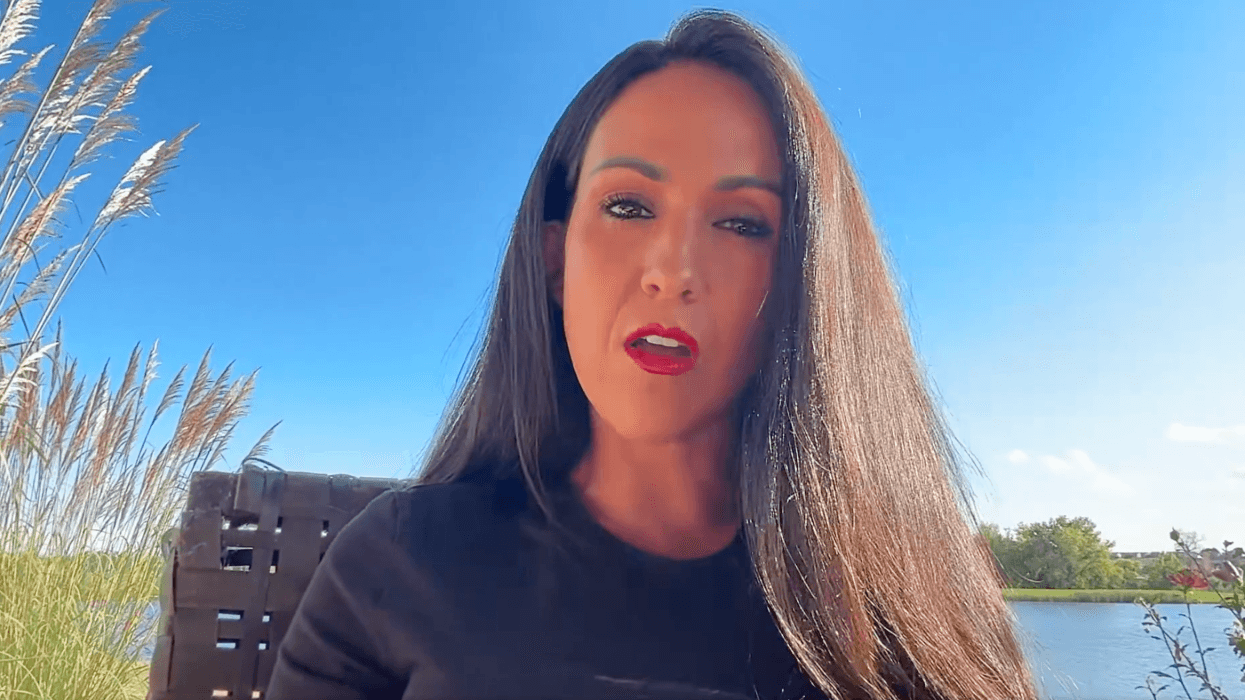
On September 21, Gay Times shared an Instagram post reporting that Haven “has made an urgent appeal for work.” According to the queer British magazine, Haven recorded a video on September 20 explaining that they’re in “a bit of an emergency situation,” and need to make $4,000 by the end of this month to secure their health insurance for the following year.
“I guess what I’m asking is if you, or if anyone you know, can hire me on a set or production and pay me $4,000, I will do, pretty much, any job,” they said. “I can sing, I can dance, I can talk softly… loudly, I can do accents — British,” Haven shared in the video. They also included an email for folks to send potential job offers to (scabproductions@gmail.com in case you’re one of those people).
It’s no secret that we are living in a literal nightmare hellscape of a country. Prices of just about everything are skyrocketing. The national average gas price is hovering around $4.50 a gallon, about $1.30 more than it was just one year ago. According to Business Insider, over 40 companies have laid off employees in 2026 alone, particularly in the tech, media, retail, and finance industries. And with privatized health insurance often being tied to employment in the United States, it leaves marginalized workers who rely on this care at a disadvantage when the threat of losing their job or being out of work disrupts their ability to receive said care. Historically, trans people have experienced disproportionate rates of unemployment compared to cisgender workers in the U.S., with trans adults being twice as likely to be unemployed compared to their cis peers, per a 2021 report by McKinsey Quarterly.
And unfortunately Jack Haven isn’t the only trans actor struggling to find work these days. Despite his role in the massively successful 2026 summer release of The Odyssey, Elliot Page, an award-winning actor with major nominations that include an Academy Award, a BAFTA Award, a Golden Globe Award, and two Primetime Emmy Awards, hasn’t received any calls for upcoming projects or work. In the September 2 episode of the On Film…with Kevin McCarthy podcast, the Inception actor shared that even after two months since appearing in the blockbuster hit, he hadn’t received offers for work.
The same goes for Orange Is The New Black actress and Emmy-winner Laverne Cox who shared in a profile with The Guardian that she has lost about 90% of her income in the last two years which she attributes to the Trump administration's threat of slashing funding to colleges and universities that “promote gender ideology and DEI [Diversity, Equity, and Inclusion].” Her work included hosting contracts, corporate speaking engagements, teaching graduate classes, and more, which have since dried up because “it could be perceived as promoting trans ideology.”
If famous and highly decorated trans actors and actresses are having difficulty securing jobs, what does this mean for the rest of the trans population who may not have a wide net of connections to inquire for work?
In the same profile for The Guardian, Cox said, “If we don’t wake up and don’t understand, trans people will be exterminated. People’s rights are being taken away, people are losing their jobs, people are losing healthcare, people are being detransitioned in prison, gender-affirming care is being attacked, not just for children but also for adults. It’s never been about protecting women — it’s always been about creating a permission structure to scapegoat trans people, to dehumanise trans people, to take away our rights and to eliminate us from public life.”
Get the best of what’s queer. Sign up for Them’s newsletters.