'%3E%3Cpath d='M16.3574 35.6519H12.9537L15.0491 18.8873L16.3574 35.6519ZM30.4229 54.0093L22.309 0.994385H7.91795L0 54.0093H10.6634L11.5802 46.3855H17.4014L17.9914 54.0093H30.4229Z' fill='%23971B20'/%3E%3Cpath d='M48.2073 41.8813C48.2073 43.4049 47.4892 44.0011 46.1144 44.0011H43.7595V11.0687H46.1144C47.4892 11.0687 48.2073 11.6636 48.2073 13.1885V41.8813ZM59.5273 43.6695V11.3326C59.5273 3.71323 53.5729 0.994385 47.8157 0.994385H31.7213V54.0093H47.8157C53.5729 54.0093 59.5273 51.29 59.5273 43.6695Z' fill='%23971B20'/%3E%3Cpath d='M90.183 0.994385H78.6039L75.0711 30.6157L71.9955 0.994385H59.4346L69.2474 54.0093H80.373L90.183 0.994385Z' fill='%23971B20'/%3E%3Cpath d='M107.063 42.3448C107.063 43.7359 105.951 44.5974 104.643 44.5974C103.269 44.5974 102.157 43.7359 102.157 42.3448V12.658C102.157 11.2676 103.269 10.4058 104.643 10.4058C105.951 10.4058 107.063 11.2676 107.063 12.658V42.3448ZM119.233 43.2723V11.7312C119.233 6.36384 112.952 -3.8147e-06 104.643 -3.8147e-06C96.2667 -3.8147e-06 89.9867 6.36384 89.9867 11.7312V43.2723C89.9867 48.6393 96.2667 55 104.643 55C112.952 55 119.233 48.6393 119.233 43.2723Z' fill='%23971B20'/%3E%3Cpath d='M150.976 43.9349V33.7309H139.069V42.3448C139.069 43.7359 137.957 44.5974 136.582 44.5974C135.076 44.5974 133.964 43.7359 133.964 42.3448V12.658C133.964 11.2676 135.076 10.4058 136.582 10.4058C137.957 10.4058 139.069 11.2676 139.069 12.658V21.2723H150.976V11.0687C150.976 5.70107 145.283 -3.8147e-06 136.582 -3.8147e-06C127.75 -3.8147e-06 121.796 5.70107 121.796 11.0687V43.9349C121.796 49.3022 127.75 55 136.582 55C145.283 55 150.976 49.3022 150.976 43.9349Z' fill='%23971B20'/%3E%3Cpath d='M167.478 35.6519H164.076L166.17 18.8873L167.478 35.6519ZM181.544 54.0093L173.432 0.994385H159.037L151.123 54.0093H161.785L162.704 46.3855H168.523L169.114 54.0093H181.544Z' fill='%23971B20'/%3E%3Cpath d='M205.412 10.4058V0.994385H177.081V10.4058H185.392V54.0093H197.428V10.4058H205.412Z' fill='%23971B20'/%3E%3Cpath d='M230.002 54.0093V43.9349H218.914V31.8746H226.635V21.8028H218.914V10.4058H230.002V0.994385H206.875V54.0093H230.002Z' fill='%23971B20'/%3E%3C/g%3E%3Cdefs%3E%3CclipPath id='clip0_260_7080'%3E%3Crect width='230' height='55' fill='white'/%3E%3C/clipPath%3E%3C/defs%3E%3C/svg%3E)

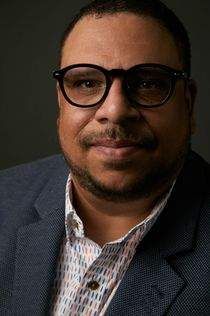
When Mike Manning came out on television at 22, he thought he might be surrendering the life he wanted, including marriage, children, and the ordinary comforts of belonging. Seventeen years later, he is married and nominated for an Emmy for playing a man whose family embodies those possibilities.
But the lesson Manning, 39, took from his time on The Real World: D.C. reaches beyond his own transformation. In Washington, during Barack Obama’s first year as president, he learned how public policy could constrict a private life and how someone with an audience could push back. It gave me the vocabulary to express the rage that I was feeling at the time for LGBT inequality,” Manning told The Advocate in an interview.
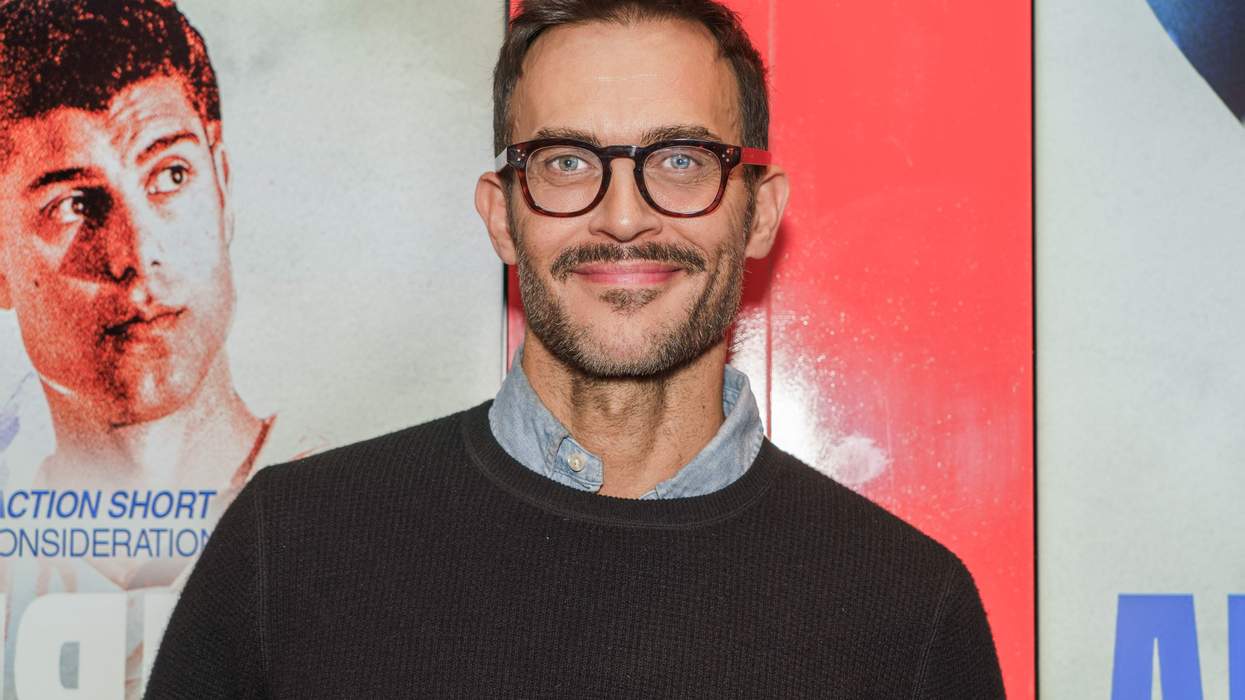
Already a two-time Daytime Emmy winner for his work as a producer and supporting actor on The Bay, Manning heads into Friday’s 53rd annual Daytime Emmy Awards at the Hollywood Palladium in Los Angeles with another supporting actor nomination, this time for CBS’s Beyond the Gates. He plays Bradley “Smitty” Smith, a gay journalist married to a congressman, with whom he is raising two adopted children.
Speaking Wednesday, Manning described acting and producing as extensions of the advocacy he discovered while cameras followed him around the capital. The work has changed. His interest in what a story can make possible has endured.
 Dawntavia Marrero as Shonda, Brandon Claybon as Martin Richardson, and Mike Manning as Bradley ‘Smitty’ Smith.Quantrell Colbert/CBS
A political education in Obama’s Washington
In 2009, Washington, D.C., was both the setting for a new administration promising change and a testing ground for what that promise would mean. LGBTQ+ advocates were pressing for workplace protections, marriage equality, and an end to the military’s discriminatory “don’t ask, don’t tell” policy.
MTV brought its decades-long experiment in young adulthood to that city. Strangers sharing a house, their arguments, attractions, and ambitions recorded for television. Manning’s experience became a political education unfolding alongside his coming out.
He had planned to work with the Energy Action Coalition on environmental issues. Then, walking along Connecticut Avenue one day, he noticed a shirt in a shop window that read “Amen.”
Manning, who was involved with church, stopped. The store belonged to the Human Rights Campaign, which was working to involve religious leaders in LGBTQ+ advocacy.
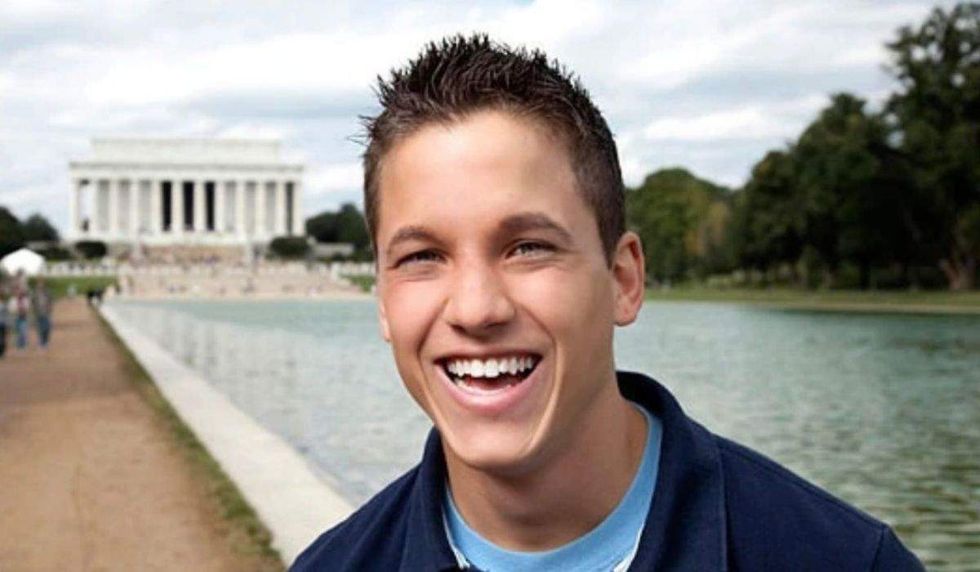 Mike Manning on The Real World in 2010.MTV Real World
“I always joke that God led me to be a gay rights activist,” he said.
Through HRC, he met people who described losing jobs because they were gay. He learned about service members pushed out of the military. Their experiences gave shape to an injustice he had sensed but not fully understood.
The cameras offered a way to bring viewers into that education.
“I have a platform, and I have an opportunity here to shine a light on some of these issues that I am just now learning about as a baby activist,” he recalled thinking.
Manning was also partying, dating, and figuring himself out.
“It also taught me that you don’t have to be perfect to be an activist,” he said. “You just have to be somebody that gives a shit.”
After the show began airing in 2010, he said he visited dozens of college campuses through advocacy and voter-engagement work.
“I like to say get enraged and then engage,” he said.
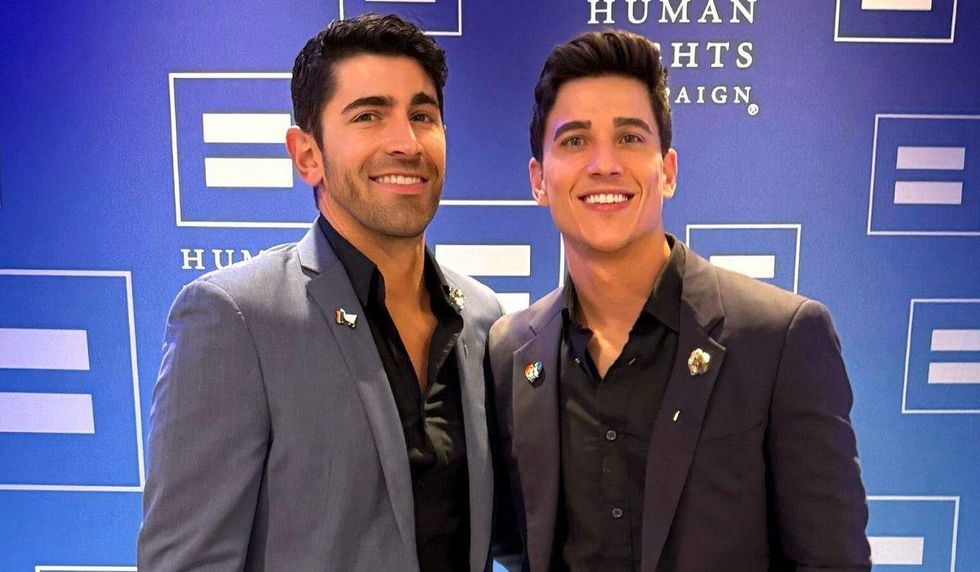 Mike Manning (right) with husband Nick Trocco at the Human Rights Campaign gala.Courtesy Mike Manning
From being watched to telling stories
Manning’s willingness to be open was initially uncertain. During his first week in the house, he considered pretending to be straight for the entire season.
“I realized very quickly that had I lived a lie and had I not been truthful about who I was and what I was going through during that time, I would have regretted it for the rest of my life,” he said.
He now guards his privacy more carefully. But that early experience helped shape his ambitions behind the camera, including starting a production company to make documentaries about social issues.
“The best lesson Real World ever gave me is that it taught me the power of story, and I have taken that into every avenue of my career,” he said.
On Beyond the Gates, which centers on the wealthy Black Dupree family, that conviction takes the form of a marriage, parenting, and the complications in between. Smitty can be principled and self-righteous, someone Manning admires and occasionally wishes would stop talking.
Manning, who was honored by The Advocate’s sibling publication Out with a spot on the 2025 Out100 list, said women from conservative backgrounds have written to tell him that watching Smitty and his husband, Martin, changed their understanding of gay people.
“Gay people deserve to be viewed that way, to be viewed as human beings that are worthy of the same love and ability for success as everyone else,” he said.
“So if it takes a damn soap opera to communicate that and to remind people of that, then great, I’m happy to do it.”
Manning also defended transgender actors struggling to find work. As The Advocate’s sibling publication Them reported, Elliot Page said he had received no acting offers following The Odyssey. Them also reported that Jack Haven had appealed for work to qualify for health insurance. Manning said Page had convincingly portrayed a soldier in The Odyssey and questioned whether audiences would have scrutinized the performance as closely without knowing his personal history.
“I don’t think people would’ve been so critical about that character specifically,” he said. “So I think trans actors should be given every opportunity to audition and to read for roles that they’re right for, just like everybody else.”
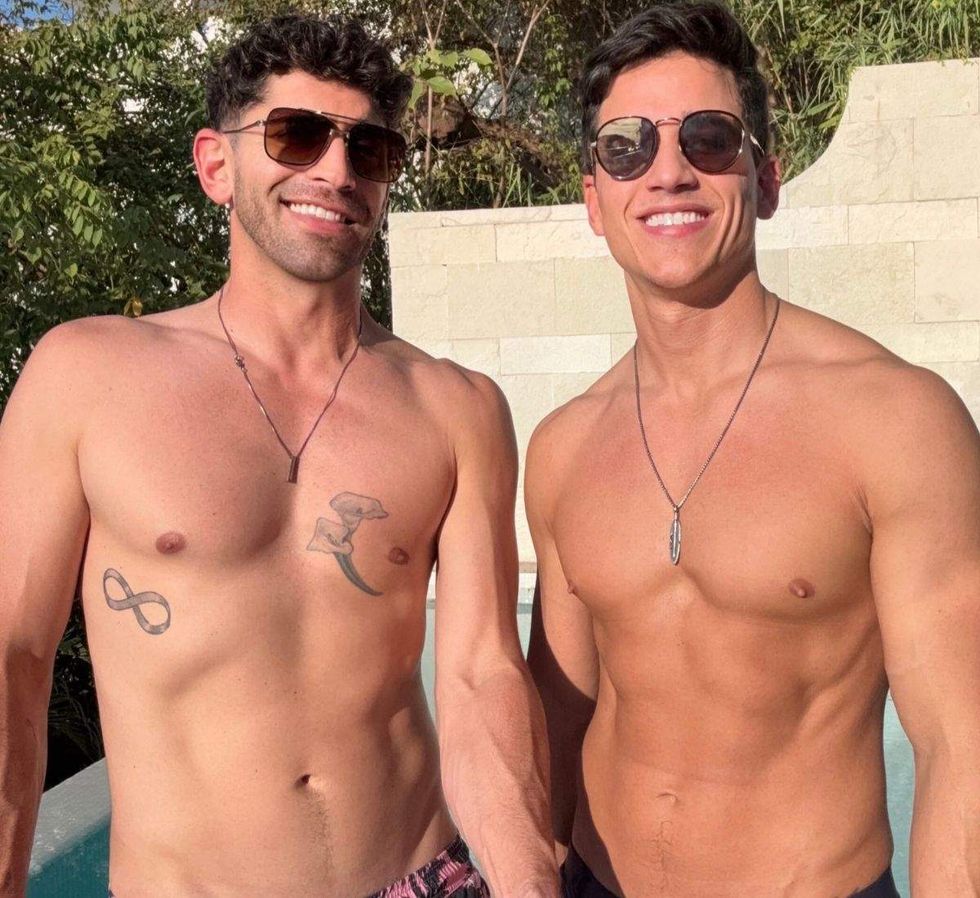 Nick Trocco and Mike Manning.Courtesy Mike Manning
What progress asks of him now
Offscreen, Manning lives primarily in Atlanta for work, while his husband, Nick Tocco, stays in Los Angeles to care for their older dogs. They eventually plan to reunite in Atlanta. Manning has been married to Tocco for nine years. They met during a group paintball outing while both were dating other people.
Manning remembers spotting Tocco in camouflage pants at the back of his Jeep. “I looked over, and I swear, in slow motion, he jumps out of his Jeep Rubicon, and he walks across this dirt parking lot with dust kicking up behind him,” he recalled. Tocco then barely made eye contact. Manning mistook the shyness for disinterest, but Tocco later confessed he had been nervous because he found Manning attractive. They became friends, and after both relationships ended, Manning deliberately took time before pursuing theirs. He wanted to give it a chance to last.
Today, Manning lives primarily in Atlanta for work, while Tocco stays in Los Angeles to care for their two older dogs. They eventually plan to reunite in Atlanta. “We’re doing the long-distance thing right now, which is not great, but I also know it’s not forever,” Manning said.
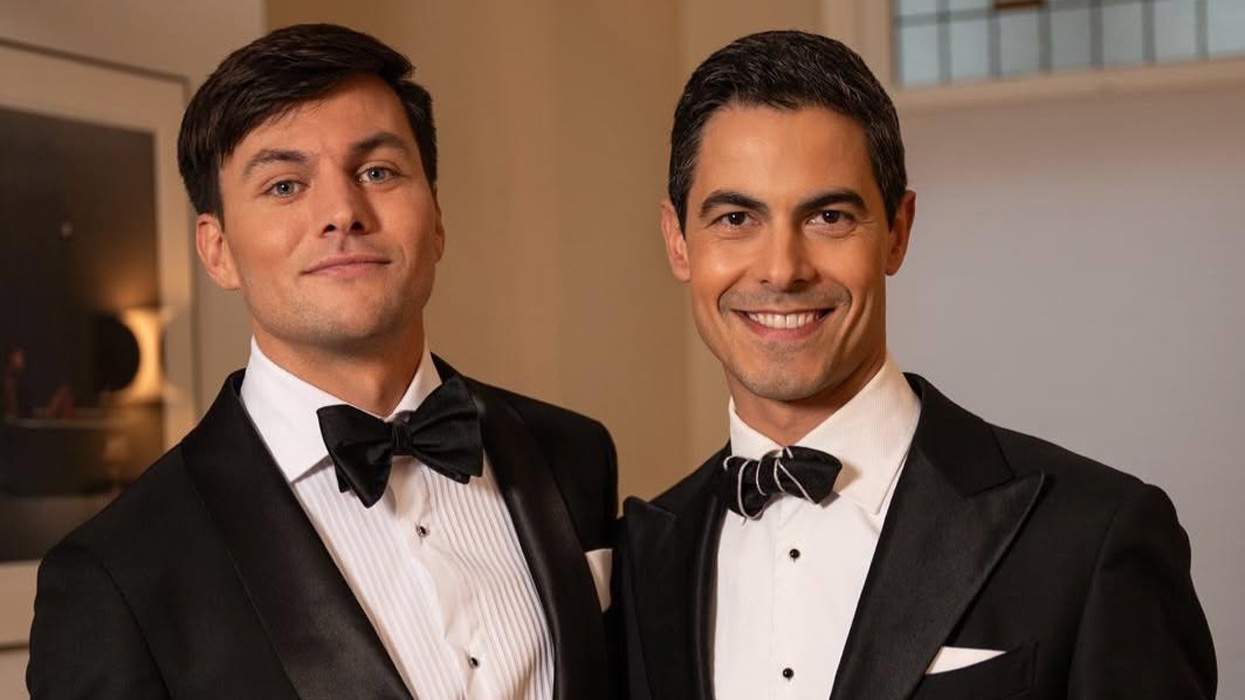
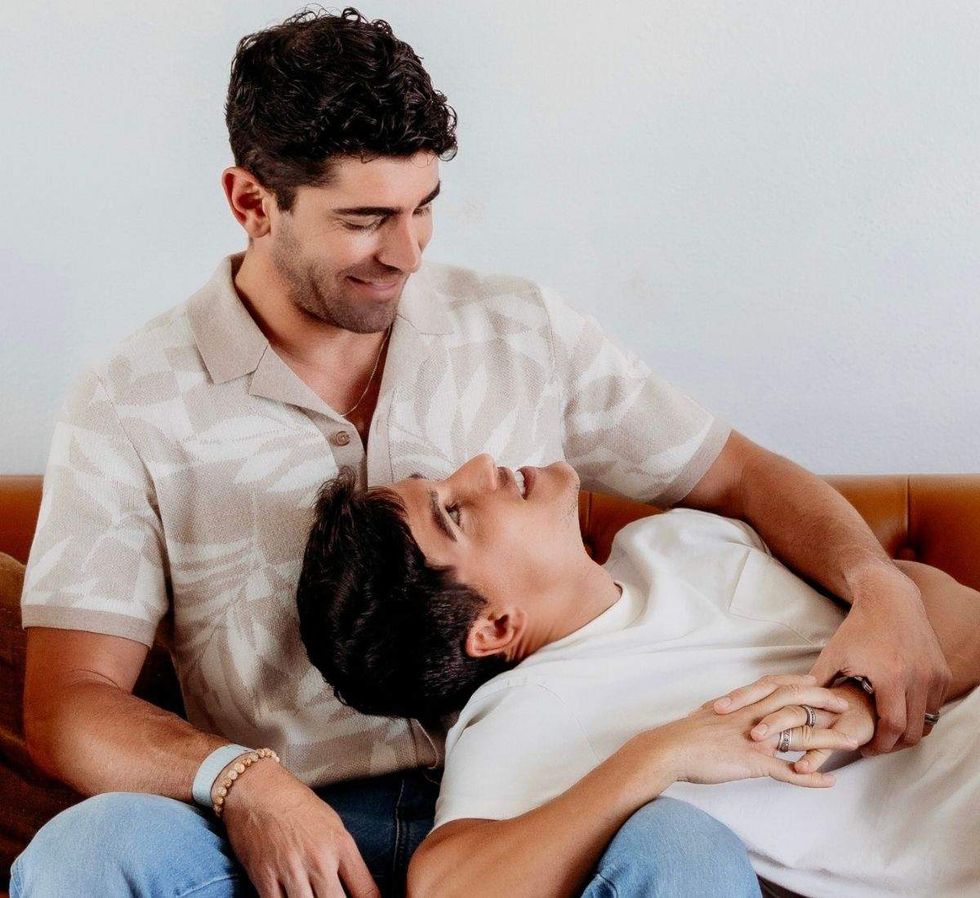 Nick Trocco (left) and Mike Manning got married in 2017.Jessica Del
His life contains choices he once feared coming out would foreclose. Yet his career and marriage haven’t convinced him the broader struggle is settled.
“I thought that we would have made more progress by now in certain areas, but we haven’t, and we need to continue fighting,” he said.
He wants younger LGBTQ+ people to understand the organizing behind their rights, even as they imagine futures previous generations struggled to secure.
“We have achieved so much success, so much progress, but there are people trying to strip us of those rights and turn back the clock, and we can’t let them,” he said.