'%3E%3Cpath d='M16.3574 35.6519H12.9537L15.0491 18.8873L16.3574 35.6519ZM30.4229 54.0093L22.309 0.994385H7.91795L0 54.0093H10.6634L11.5802 46.3855H17.4014L17.9914 54.0093H30.4229Z' fill='%23971B20'/%3E%3Cpath d='M48.2073 41.8813C48.2073 43.4049 47.4892 44.0011 46.1144 44.0011H43.7595V11.0687H46.1144C47.4892 11.0687 48.2073 11.6636 48.2073 13.1885V41.8813ZM59.5273 43.6695V11.3326C59.5273 3.71323 53.5729 0.994385 47.8157 0.994385H31.7213V54.0093H47.8157C53.5729 54.0093 59.5273 51.29 59.5273 43.6695Z' fill='%23971B20'/%3E%3Cpath d='M90.183 0.994385H78.6039L75.0711 30.6157L71.9955 0.994385H59.4346L69.2474 54.0093H80.373L90.183 0.994385Z' fill='%23971B20'/%3E%3Cpath d='M107.063 42.3448C107.063 43.7359 105.951 44.5974 104.643 44.5974C103.269 44.5974 102.157 43.7359 102.157 42.3448V12.658C102.157 11.2676 103.269 10.4058 104.643 10.4058C105.951 10.4058 107.063 11.2676 107.063 12.658V42.3448ZM119.233 43.2723V11.7312C119.233 6.36384 112.952 -3.8147e-06 104.643 -3.8147e-06C96.2667 -3.8147e-06 89.9867 6.36384 89.9867 11.7312V43.2723C89.9867 48.6393 96.2667 55 104.643 55C112.952 55 119.233 48.6393 119.233 43.2723Z' fill='%23971B20'/%3E%3Cpath d='M150.976 43.9349V33.7309H139.069V42.3448C139.069 43.7359 137.957 44.5974 136.582 44.5974C135.076 44.5974 133.964 43.7359 133.964 42.3448V12.658C133.964 11.2676 135.076 10.4058 136.582 10.4058C137.957 10.4058 139.069 11.2676 139.069 12.658V21.2723H150.976V11.0687C150.976 5.70107 145.283 -3.8147e-06 136.582 -3.8147e-06C127.75 -3.8147e-06 121.796 5.70107 121.796 11.0687V43.9349C121.796 49.3022 127.75 55 136.582 55C145.283 55 150.976 49.3022 150.976 43.9349Z' fill='%23971B20'/%3E%3Cpath d='M167.478 35.6519H164.076L166.17 18.8873L167.478 35.6519ZM181.544 54.0093L173.432 0.994385H159.037L151.123 54.0093H161.785L162.704 46.3855H168.523L169.114 54.0093H181.544Z' fill='%23971B20'/%3E%3Cpath d='M205.412 10.4058V0.994385H177.081V10.4058H185.392V54.0093H197.428V10.4058H205.412Z' fill='%23971B20'/%3E%3Cpath d='M230.002 54.0093V43.9349H218.914V31.8746H226.635V21.8028H218.914V10.4058H230.002V0.994385H206.875V54.0093H230.002Z' fill='%23971B20'/%3E%3C/g%3E%3Cdefs%3E%3CclipPath id='clip0_260_7080'%3E%3Crect width='230' height='55' fill='white'/%3E%3C/clipPath%3E%3C/defs%3E%3C/svg%3E)
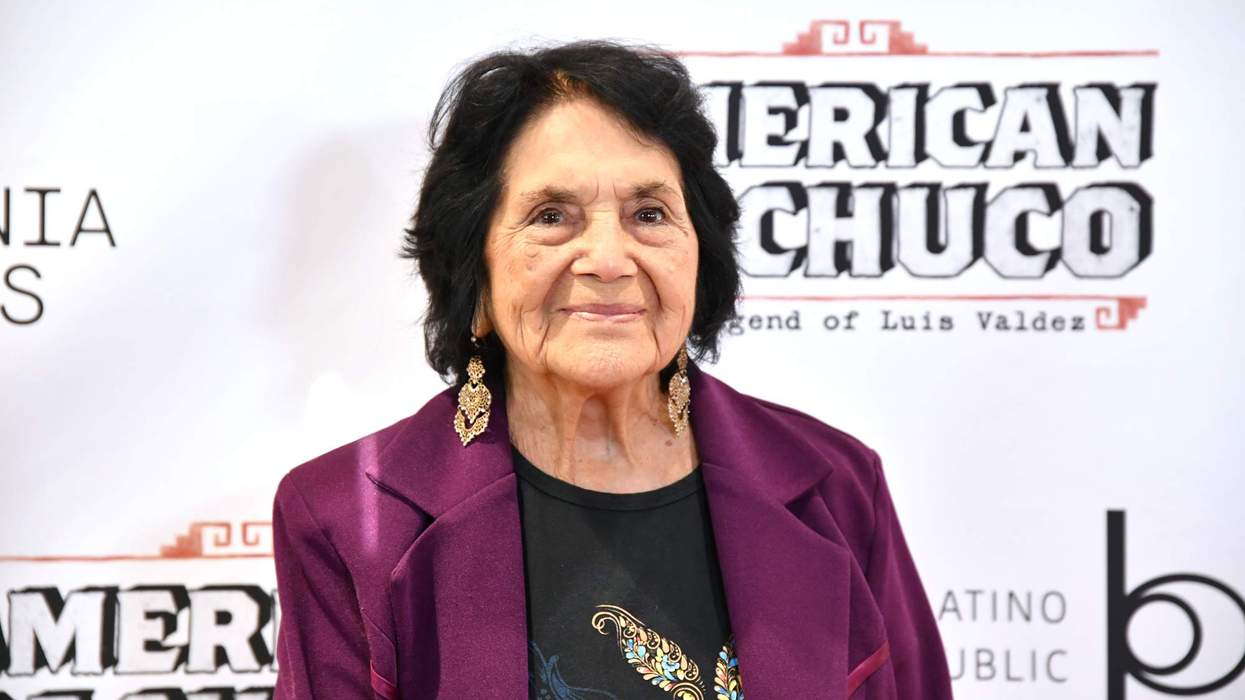

Dolores Huerta, the labor rights activist, civil rights leader, and United Farm Workers co-founder, died Wednesday surrounded by family at her home in Bakersfield, California. She was 96.
Family spokesperson Erik Olvera told The Associated Press that she died of breast cancer.
“As you can imagine, this is an incredibly difficult time for us, and we ask for privacy as we grieve this incredible loss to our family,” Huerta’s family said in a statement. “We know that many of you around the world share in our mourning, and we will be following up on plans to recognize and celebrate her incredible life and legacy.”
Huerta inspired generations of farmworkers, Latinos, feminists, and civil rights organizers with the words “Sí, se puede,” which translate to “Yes, it can be done.” The phrase became a rallying cry for social justice movements across generations.
“We have lost a revolutionary in the civil rights movement. Dolores Huerta dedicated her life to fighting at the intersection of working people, women, immigrants, and communities too often left behind and out of history books,” Los Angeles LGBT Center CEO Joe Hollendoner wrote in a statement. “She understood that justice cannot be selective, and she stood with LGBTQ+ people decades ago, long before that solidarity was popular or politically easy.”
Related: Meet the masc lesbian judge challenging the justice cis-tem with lived experience
Born in 1930 in Dawson, New Mexico, Huerta was exposed to union organizing early on. Her father, a coal miner, was a member of the United Mine Workers, and her mother, Alicia Chavez, later worked as a unionized cannery worker after her parents divorced. She began organizing farmworkers in the San Joaquin Valley after working as an elementary school teacher and seeing the poverty her students faced.
“I couldn't tolerate seeing kids come to class hungry and needing shoes,” she said, according to The 19th. “I thought I could do more by organizing farm workers than by trying to teach their hungry children.”
Those experiences launched a long career with the United Farm Workers and established Huerta as a significant labor rights leader of the 20th century. President Barack Obama awarded her the Presidential Medal of Freedom in 2012. Later in life, Huerta continued to push for fair wages, addressing a large crowd at the 2009 Creating Change conference about the pay gap between CEOs and workers.
“The fight she described is not finished. A fair wage. An economy that doesn’t hand 500 times more to the people at the top. Information that working people actually get to hear,” the National LGBTQ Task Force wrote in an Instagram caption. “She was, and always will be, one of the best examples of someone who understood how deeply our movements and our communities are connected.”
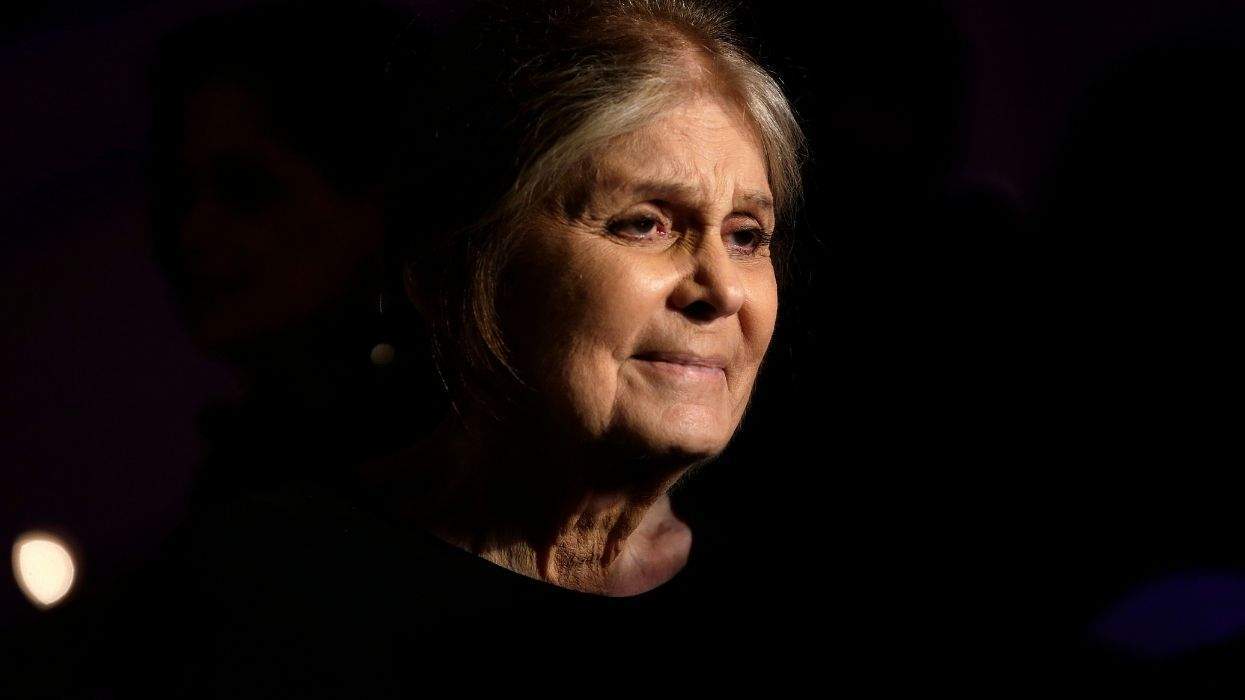
Huerta’s fight for justice extended beyond labor organizing; she saw workers’ rights, women’s rights, and LGBTQ+ rights as interconnected. She advocated for women working in the fields, addressing issues including child care and sexual assault, and organized alongside feminist leaders such as Gloria Steinem. In June 2013, she wrote an essay for NBC Latino on the importance of LGBTQ+ rights.
“I’ve spent my life championing both labor and civil rights causes and getting to know diverse perspectives; I’ve come to see that the struggles gay people face are intertwined with my own struggles,” she wrote. “Let’s each do our part by being open about who we are, by accepting one another without shame or judgment, and by sharing our stories in every way possible. Whether it’s our hijos or hijas, hermanos or hermanas, or tíos and tías, we believe in the same freedoms for everybody, no matter who you are or whom you love.”
In her 90s, Huerta also spoke publicly about abuse within the labor movement. In March 2026, she said she had been sexually assaulted twice by Cesar Chavez, a fellow UFW co-founder, as part of an investigation by The New York Times into his treatment of women and girls in the movement.
“I never talked about it to anybody and the reason I didn’t is because I just didn’t want to hurt the movement,” she told the Times.
Following her death, political and LGBTQ+ leaders paid tribute to her commitment to linking struggles for equality.
“She understood that our struggles for dignity, freedom, and equality are deeply connected — and that none of us are truly free until all of us are free,” Tony Hoang, executive director of Equality California, wrote in a statement. “She stood alongside LGBTQ+ people, fought with us, and reminded us of the power we have when we organize together. Our movement is stronger because of her, and our progress carries her imprint.”
“I was blessed to know Dolores for many years and proud to organize alongside my dear friend to champion working families and immigrant rights,” former Vice President Kamala Harris wrote in a statement following Huerta’s death. “I will always be grateful for her support and friendship. We will honor her legacy by continuing the fight for the dignity of every person.”