'%3E%3Cpath d='M16.3574 35.6519H12.9537L15.0491 18.8873L16.3574 35.6519ZM30.4229 54.0093L22.309 0.994385H7.91795L0 54.0093H10.6634L11.5802 46.3855H17.4014L17.9914 54.0093H30.4229Z' fill='%23971B20'/%3E%3Cpath d='M48.2073 41.8813C48.2073 43.4049 47.4892 44.0011 46.1144 44.0011H43.7595V11.0687H46.1144C47.4892 11.0687 48.2073 11.6636 48.2073 13.1885V41.8813ZM59.5273 43.6695V11.3326C59.5273 3.71323 53.5729 0.994385 47.8157 0.994385H31.7213V54.0093H47.8157C53.5729 54.0093 59.5273 51.29 59.5273 43.6695Z' fill='%23971B20'/%3E%3Cpath d='M90.183 0.994385H78.6039L75.0711 30.6157L71.9955 0.994385H59.4346L69.2474 54.0093H80.373L90.183 0.994385Z' fill='%23971B20'/%3E%3Cpath d='M107.063 42.3448C107.063 43.7359 105.951 44.5974 104.643 44.5974C103.269 44.5974 102.157 43.7359 102.157 42.3448V12.658C102.157 11.2676 103.269 10.4058 104.643 10.4058C105.951 10.4058 107.063 11.2676 107.063 12.658V42.3448ZM119.233 43.2723V11.7312C119.233 6.36384 112.952 -3.8147e-06 104.643 -3.8147e-06C96.2667 -3.8147e-06 89.9867 6.36384 89.9867 11.7312V43.2723C89.9867 48.6393 96.2667 55 104.643 55C112.952 55 119.233 48.6393 119.233 43.2723Z' fill='%23971B20'/%3E%3Cpath d='M150.976 43.9349V33.7309H139.069V42.3448C139.069 43.7359 137.957 44.5974 136.582 44.5974C135.076 44.5974 133.964 43.7359 133.964 42.3448V12.658C133.964 11.2676 135.076 10.4058 136.582 10.4058C137.957 10.4058 139.069 11.2676 139.069 12.658V21.2723H150.976V11.0687C150.976 5.70107 145.283 -3.8147e-06 136.582 -3.8147e-06C127.75 -3.8147e-06 121.796 5.70107 121.796 11.0687V43.9349C121.796 49.3022 127.75 55 136.582 55C145.283 55 150.976 49.3022 150.976 43.9349Z' fill='%23971B20'/%3E%3Cpath d='M167.478 35.6519H164.076L166.17 18.8873L167.478 35.6519ZM181.544 54.0093L173.432 0.994385H159.037L151.123 54.0093H161.785L162.704 46.3855H168.523L169.114 54.0093H181.544Z' fill='%23971B20'/%3E%3Cpath d='M205.412 10.4058V0.994385H177.081V10.4058H185.392V54.0093H197.428V10.4058H205.412Z' fill='%23971B20'/%3E%3Cpath d='M230.002 54.0093V43.9349H218.914V31.8746H226.635V21.8028H218.914V10.4058H230.002V0.994385H206.875V54.0093H230.002Z' fill='%23971B20'/%3E%3C/g%3E%3Cdefs%3E%3CclipPath id='clip0_260_7080'%3E%3Crect width='230' height='55' fill='white'/%3E%3C/clipPath%3E%3C/defs%3E%3C/svg%3E)
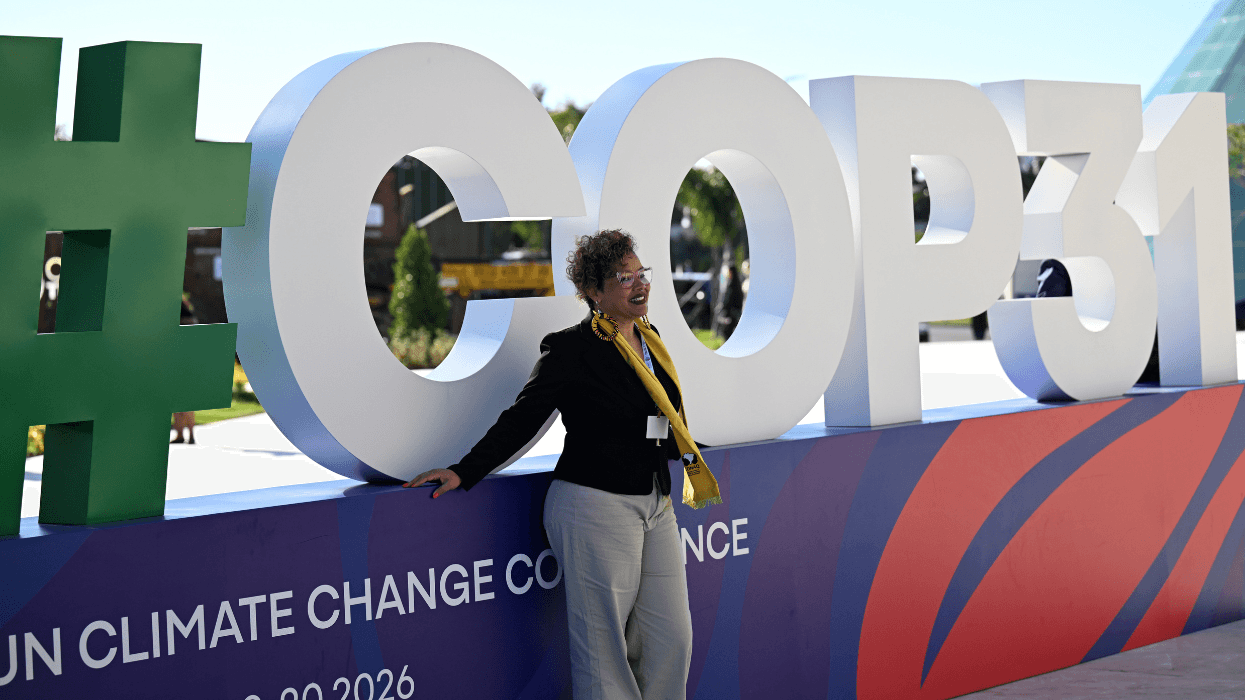
On Monday, global leaders convene in Antalya, Türkiye, for COP31, the UN climate conference. The summit follows the hottest summer in 132 years in the United States and one of Europe’s deadliest, with at least 35,000 deaths attributed to four heatwaves.
Governments will build on last year’s agreement in Belém to develop a “just transition” mechanism. That agreement committed to a shift to clean energy that “leaves no one behind,” emphasizing the need to protect workers, uphold human rights, and advance gender equality. Yet the host of this year’s summit offers a clear example of how to exclude and alienate entire communities from climate action and its benefits.
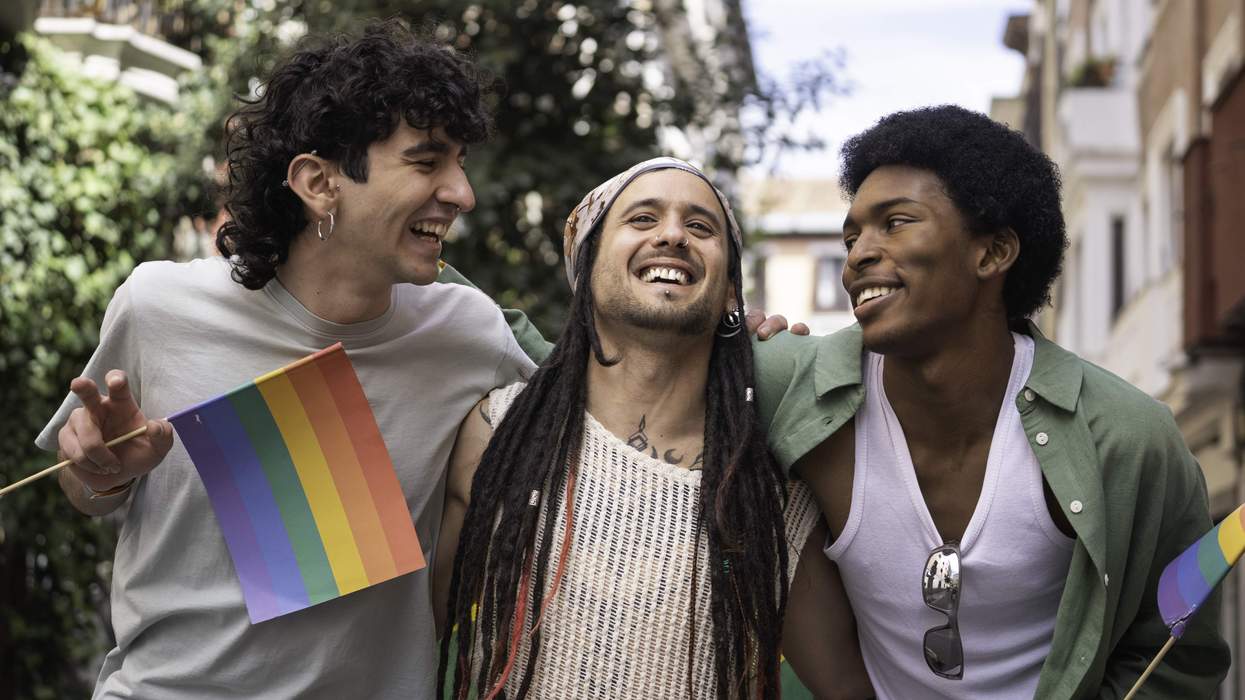
In September, Türkiye’s government launched a nationwide crackdown on individuals and groups advocating for LGBTQ rights. Police executed coordinated raids across 15 provinces, targeting nightclubs, offices, and activists’ homes. Police arrested 162 people, and more than 80 are held in pretrial detention. The government has also shut down the websites and social media accounts of LGBTQ activists and organizations, and an Istanbul court blocked access to the news site T24 after it deemed some content to be “LGBT propaganda.”
Although homosexuality is not criminalized in Türkiye, this campaign follows years of escalating attacks on LGBTQ visibility and civic participation. Since 2015, Istanbul’s governor has banned the annual Pride march. Local efforts by students or smaller municipalities have also resulted in arrests and prosecutions. And President Tayyip Erdoğan has frequently used anti-LGBTQ rhetoric during campaigns, casting his opponents as “pro-LGBT” in order to appeal to conservative voters.
This recent onslaught follows a familiar authoritarian playbook. From Putin in Russia to Orbán in Hungary, political leaders have weaponized anti-LGBTQ politics to distract from domestic crises and mobilize voters. They cast LGBTQ people as alien to the nation and thus threats to children and family. The same actors and funding networks often campaign against climate action.
This matters for climate action because the global climate architecture can only serve the communities that are visible. Our research at the Williams Institute at UCLA reviewed the climate plans, known as Nationally Determined Contributions or NDCs, of all 195 parties to the Paris Agreement. About 85 percent recognize vulnerable communities in some form, but only about 8 percent refer to LGBTQ people or gender diversity. If communities are not explicitly named, they are often overlooked in disaster planning and adaptation financing. Few governments collect data on LGBTQ people, so closing this gap depends almost entirely on the participation of community organizations.
Moreover, threats to LGBTQ rights are often linked to broader restrictions on civic participation. A recent report by the Funders Initiative for Civil Society identifies LGBTQ groups among early targets of shrinking civic space and documents how similar crackdowns in countries such as India and Uganda have extended to environmental and climate activists.
Türkiye is not an exception. The International Center for Not-for-Profit Law counted more than 80 measures proposed or enacted between 2020 and 2025 to restrict NGO operations in every region of the world. A just transition cannot cover all communities in countries where some communities, including LGBTQ people, are not allowed to organize.
The parties gathering at COP31 can change that.
First, COP31 organizers should state publicly how they will ensure safe participation for LGBTQ delegates, observers, and Turkish civil society, both inside and outside the conference venue. At last year’s COP30 in Belém, activists at the parallel “People’s COP” reported heavier surveillance and use of force by UN security officials. Türkiye should also publish the parts of its hosting agreement that cover security and participants’ rights.
Second, the new just transition mechanism should make civic space a requirement. A transition cannot be just and inclusive for people who have no way to organize or speak for themselves. The mechanism’s guidance should ask whether marginalized groups, including LGBTQ people, are able to do so. Governments that fund climate programs should apply the same requirement to the local partners they work with.
Third, governments preparing their next round of climate plans should collect data on who is affected by climate change, including LGBTQ people. Without it, no government can show whether its climate spending reaches the people who need it most.
Antalya will produce new global commitments on climate finance, adaptation, and transition. Their value will depend on whether the people they are meant to reach can organize, be counted, and be heard. Otherwise, a summit that promises to leave no one behind, hosted by a country jailing LGBTQ activists, will ring hollow.
Ari Shaw is Senior Fellow and Director of International Programs at the Williams Institute at UCLA School of Law. Victor Madrigal-Borloz is a Distinguished Visiting Scholar at the Williams Institute, Convener of the SOGIESC Climate Alliance, and served as UN Independent Expert on sexual orientation and gender identity from 2018 to 2023.
Opinion is dedicated to featuring a wide range of inspiring personal stories and impactful opinions from the LGBTQ+ community and its allies. Visit Advocate.com/submit to learn more about submission guidelines. We welcome your thoughts and feedback on any of our stories. Email us at voices@equalpride.com. Views expressed in Voices stories are those of the guest writers, columnists, and editors, and do not directly represent the views of The Advocate or our parent company, equalpride.