'%3E%3Cpath d='M16.3574 35.6519H12.9537L15.0491 18.8873L16.3574 35.6519ZM30.4229 54.0093L22.309 0.994385H7.91795L0 54.0093H10.6634L11.5802 46.3855H17.4014L17.9914 54.0093H30.4229Z' fill='%23971B20'/%3E%3Cpath d='M48.2073 41.8813C48.2073 43.4049 47.4892 44.0011 46.1144 44.0011H43.7595V11.0687H46.1144C47.4892 11.0687 48.2073 11.6636 48.2073 13.1885V41.8813ZM59.5273 43.6695V11.3326C59.5273 3.71323 53.5729 0.994385 47.8157 0.994385H31.7213V54.0093H47.8157C53.5729 54.0093 59.5273 51.29 59.5273 43.6695Z' fill='%23971B20'/%3E%3Cpath d='M90.183 0.994385H78.6039L75.0711 30.6157L71.9955 0.994385H59.4346L69.2474 54.0093H80.373L90.183 0.994385Z' fill='%23971B20'/%3E%3Cpath d='M107.063 42.3448C107.063 43.7359 105.951 44.5974 104.643 44.5974C103.269 44.5974 102.157 43.7359 102.157 42.3448V12.658C102.157 11.2676 103.269 10.4058 104.643 10.4058C105.951 10.4058 107.063 11.2676 107.063 12.658V42.3448ZM119.233 43.2723V11.7312C119.233 6.36384 112.952 -3.8147e-06 104.643 -3.8147e-06C96.2667 -3.8147e-06 89.9867 6.36384 89.9867 11.7312V43.2723C89.9867 48.6393 96.2667 55 104.643 55C112.952 55 119.233 48.6393 119.233 43.2723Z' fill='%23971B20'/%3E%3Cpath d='M150.976 43.9349V33.7309H139.069V42.3448C139.069 43.7359 137.957 44.5974 136.582 44.5974C135.076 44.5974 133.964 43.7359 133.964 42.3448V12.658C133.964 11.2676 135.076 10.4058 136.582 10.4058C137.957 10.4058 139.069 11.2676 139.069 12.658V21.2723H150.976V11.0687C150.976 5.70107 145.283 -3.8147e-06 136.582 -3.8147e-06C127.75 -3.8147e-06 121.796 5.70107 121.796 11.0687V43.9349C121.796 49.3022 127.75 55 136.582 55C145.283 55 150.976 49.3022 150.976 43.9349Z' fill='%23971B20'/%3E%3Cpath d='M167.478 35.6519H164.076L166.17 18.8873L167.478 35.6519ZM181.544 54.0093L173.432 0.994385H159.037L151.123 54.0093H161.785L162.704 46.3855H168.523L169.114 54.0093H181.544Z' fill='%23971B20'/%3E%3Cpath d='M205.412 10.4058V0.994385H177.081V10.4058H185.392V54.0093H197.428V10.4058H205.412Z' fill='%23971B20'/%3E%3Cpath d='M230.002 54.0093V43.9349H218.914V31.8746H226.635V21.8028H218.914V10.4058H230.002V0.994385H206.875V54.0093H230.002Z' fill='%23971B20'/%3E%3C/g%3E%3Cdefs%3E%3CclipPath id='clip0_260_7080'%3E%3Crect width='230' height='55' fill='white'/%3E%3C/clipPath%3E%3C/defs%3E%3C/svg%3E)


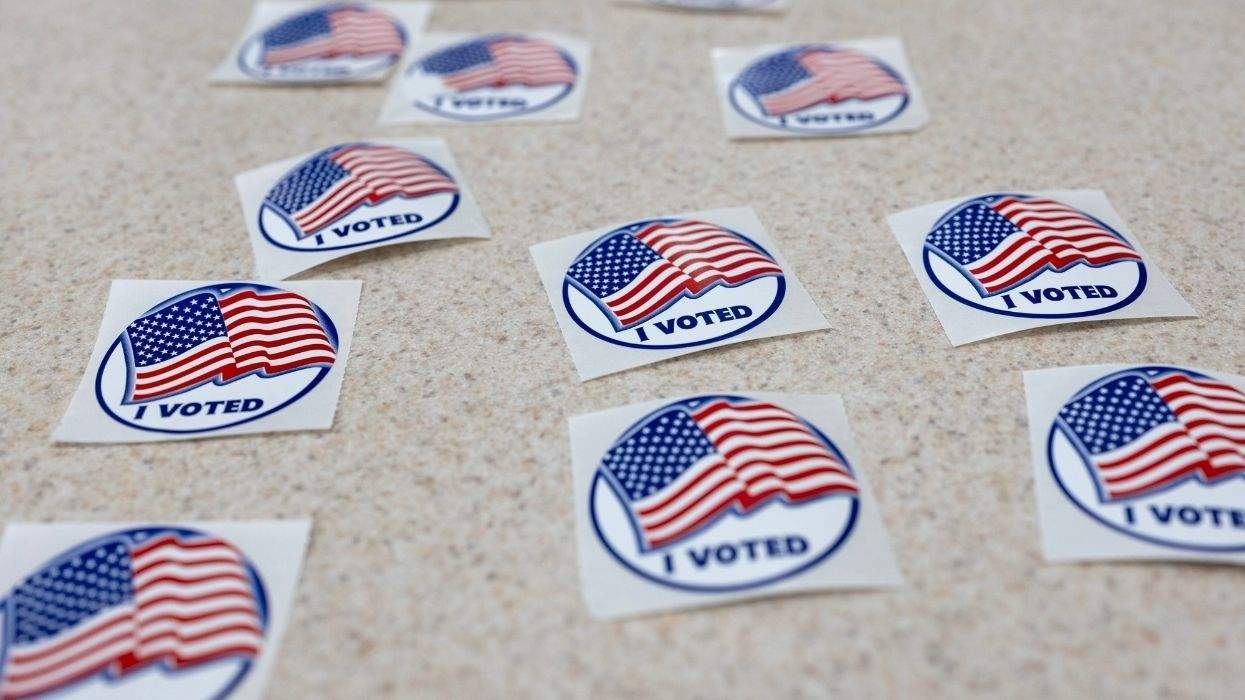
Voters in deep-blue Washington State, home to some of the most robust anti-LGBTQ+ discrimination protections in the country, have passed a ballot initiative that bars transgender girls from participating on girls’ sports teams.
The controversial statute will require verification of sex from a health care provider in order for a student to participate in female athletic categories.
The Associated Press projected the passage at 9:14 p.m. on November 4, with 57 percent of voters supporting the measure and 43 percent opposing it at the time of the call. Sixty-eight percent of the estimated vote had been counted at the time the projection was made.
Related: Washington ballot measure could force all girls to have genital inspections to play sports
Supported by the political action committee Let’s Go Washington (LGW), which also worked to get a measure on the ballot calling for the repeal of tax on income over $1 million, Initiative 638 will restrict participation in women’s interscholastic only to athletes who had been assigned female at birth when it goes into effect in December, thirty days after the election.
Advocates on both sides of the measure had signaled that the measure stood a strong chance of passing, despite Washington’s long-cemented progressive reputation, having voted for Democratic presidents in every election since 1988. In October, LGW had previewed internal polling suggesting 56% support and state Democratic spokesperson Stephen Reed had told KUOW that it would “probably be close.”
“This is not a slam dunk like some folks think it might be,” Reed warned.
The language of the ballot initiative framed the process for barring trans athletes as a matter of using the “documentation of [a] student’s sex assigned at birth” from a “routine physical examination” required by “existing Washington state law and school district policies.”
Physicians and LGBTQ+ advocates alike raised serious issues with that framing in the runup to the election. “This is so clearly written by somebody who does not understand what I’m doing in a sports physical,” Dr. Glenna Martin, a Seattle community health center physician, had told The Spokesman-Review days before the midterms.
Women’s soccer superstar Megan Rapinoe, who spent the bulk of her NWSL career playing for the Seattle Reign FC, has been among the most vocal critics of the measure. In a July column for Marie Claire, the World Cup champion warned that the bill could have forced “young girls…to undergo invasive inspections of their genitals, or pay for a DNA or hormone test, as part of their school physicals.”
Related: Rainbow Wave 2026: See all the LGBTQ+ midterm election winners
LGW had also drawn controversy for advancing language in the voter’s pamphlet, mailed out to millions of Washingtonians, that seemed to suggest examinations of birth-assigned sex were “recommended” by the American Academy of Pediatrics (AAP). “Students would compete in the category that aligns with their sex, verified during routine, medically necessary primary care recommended by the American Academy of Pediatrics,” supporters of the Initiative had written in the “argument for” section.
The AAP’s Washington chapter asked LGW in August to remove that language to no avail. As a whole, the AAP has opposed prohibitive restrictions on trans student athletes.
The passage of Initiative 638 will likely send shockwaves through the large trans community in Washington State, where many have moved seeking safety from restrictive legislation elsewhere. In May of this year, Seattle’s LGBTQ+ commission had asked Mayor Katie Wilson to declare a civil state of emergency over the needs of transgender newcomers to the Emerald City.
The passage of the measure also tees up possible legal challenges, given the strength of Washington’s existing anti-discrimination protections. In 2006, the state legislature added protections based on gender identity and expression to the Washington Law Against Discrimination; the state’s Equal Rights Amendment has also been interpreted in court to include protections for transgender people. The ACLU of Washington had signaled in advance of the election that I-638 would conflict with the “state’s anti-discrimination laws.”