'%3E%3Cpath d='M16.3574 35.6519H12.9537L15.0491 18.8873L16.3574 35.6519ZM30.4229 54.0093L22.309 0.994385H7.91795L0 54.0093H10.6634L11.5802 46.3855H17.4014L17.9914 54.0093H30.4229Z' fill='%23971B20'/%3E%3Cpath d='M48.2073 41.8813C48.2073 43.4049 47.4892 44.0011 46.1144 44.0011H43.7595V11.0687H46.1144C47.4892 11.0687 48.2073 11.6636 48.2073 13.1885V41.8813ZM59.5273 43.6695V11.3326C59.5273 3.71323 53.5729 0.994385 47.8157 0.994385H31.7213V54.0093H47.8157C53.5729 54.0093 59.5273 51.29 59.5273 43.6695Z' fill='%23971B20'/%3E%3Cpath d='M90.183 0.994385H78.6039L75.0711 30.6157L71.9955 0.994385H59.4346L69.2474 54.0093H80.373L90.183 0.994385Z' fill='%23971B20'/%3E%3Cpath d='M107.063 42.3448C107.063 43.7359 105.951 44.5974 104.643 44.5974C103.269 44.5974 102.157 43.7359 102.157 42.3448V12.658C102.157 11.2676 103.269 10.4058 104.643 10.4058C105.951 10.4058 107.063 11.2676 107.063 12.658V42.3448ZM119.233 43.2723V11.7312C119.233 6.36384 112.952 -3.8147e-06 104.643 -3.8147e-06C96.2667 -3.8147e-06 89.9867 6.36384 89.9867 11.7312V43.2723C89.9867 48.6393 96.2667 55 104.643 55C112.952 55 119.233 48.6393 119.233 43.2723Z' fill='%23971B20'/%3E%3Cpath d='M150.976 43.9349V33.7309H139.069V42.3448C139.069 43.7359 137.957 44.5974 136.582 44.5974C135.076 44.5974 133.964 43.7359 133.964 42.3448V12.658C133.964 11.2676 135.076 10.4058 136.582 10.4058C137.957 10.4058 139.069 11.2676 139.069 12.658V21.2723H150.976V11.0687C150.976 5.70107 145.283 -3.8147e-06 136.582 -3.8147e-06C127.75 -3.8147e-06 121.796 5.70107 121.796 11.0687V43.9349C121.796 49.3022 127.75 55 136.582 55C145.283 55 150.976 49.3022 150.976 43.9349Z' fill='%23971B20'/%3E%3Cpath d='M167.478 35.6519H164.076L166.17 18.8873L167.478 35.6519ZM181.544 54.0093L173.432 0.994385H159.037L151.123 54.0093H161.785L162.704 46.3855H168.523L169.114 54.0093H181.544Z' fill='%23971B20'/%3E%3Cpath d='M205.412 10.4058V0.994385H177.081V10.4058H185.392V54.0093H197.428V10.4058H205.412Z' fill='%23971B20'/%3E%3Cpath d='M230.002 54.0093V43.9349H218.914V31.8746H226.635V21.8028H218.914V10.4058H230.002V0.994385H206.875V54.0093H230.002Z' fill='%23971B20'/%3E%3C/g%3E%3Cdefs%3E%3CclipPath id='clip0_260_7080'%3E%3Crect width='230' height='55' fill='white'/%3E%3C/clipPath%3E%3C/defs%3E%3C/svg%3E)

This story originally appeared on Them.
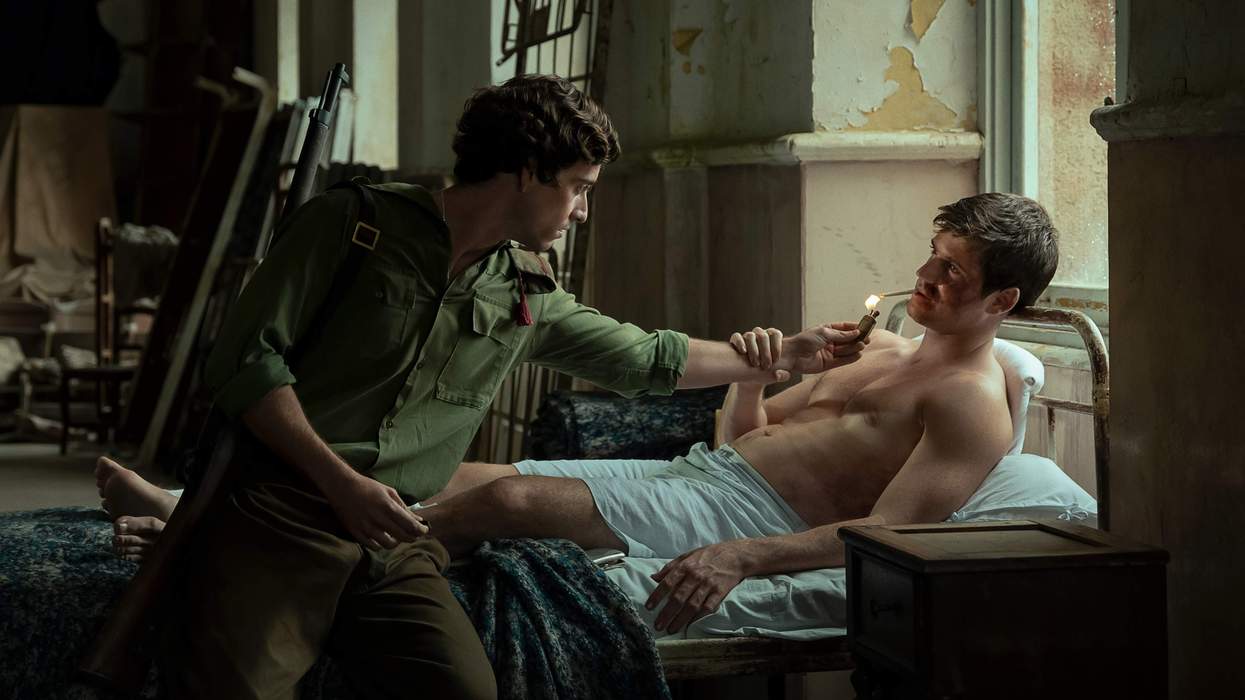
If the trailer for Andrew Scott’s new film Elsinore is any indication, you’re going to want to bring an entire box of tissues to the theaters. But it’s what happens after the movie comes out that might really make us all weep.
Elsinore, directed by Simon Stone (The Dig) from a screenplay by Stephen Beresford (Pride), tells the true story of Scottish actor Ian Charleson, who died of AIDS-related complications in 1990, a mere eight weeks after starring in a critically acclaimed run of Hamlet at the National Theatre. In much the same way that Rock Hudson’s 1985 death drew attention to an emergent AIDS crisis in the U.S., Charleson’s passing at age 40 was a major cultural moment in the U.K., prompting widespread public memorializing from actor Ian McKellen and others.
- YouTube
Much of Elsinore’s first official trailer focuses on the relationship between Charleson and British physician Margaret Johnson (Olivia Colman) as the actor attempts to complete his run while dealing with increasingly visible symptoms of the virus and the certainty of death.
“My job is the preservation of life,” Johnson insists.
“But when it comes to life,” Charleson tells her, “it’s quality that I want. It’s glory. It’s joy.”
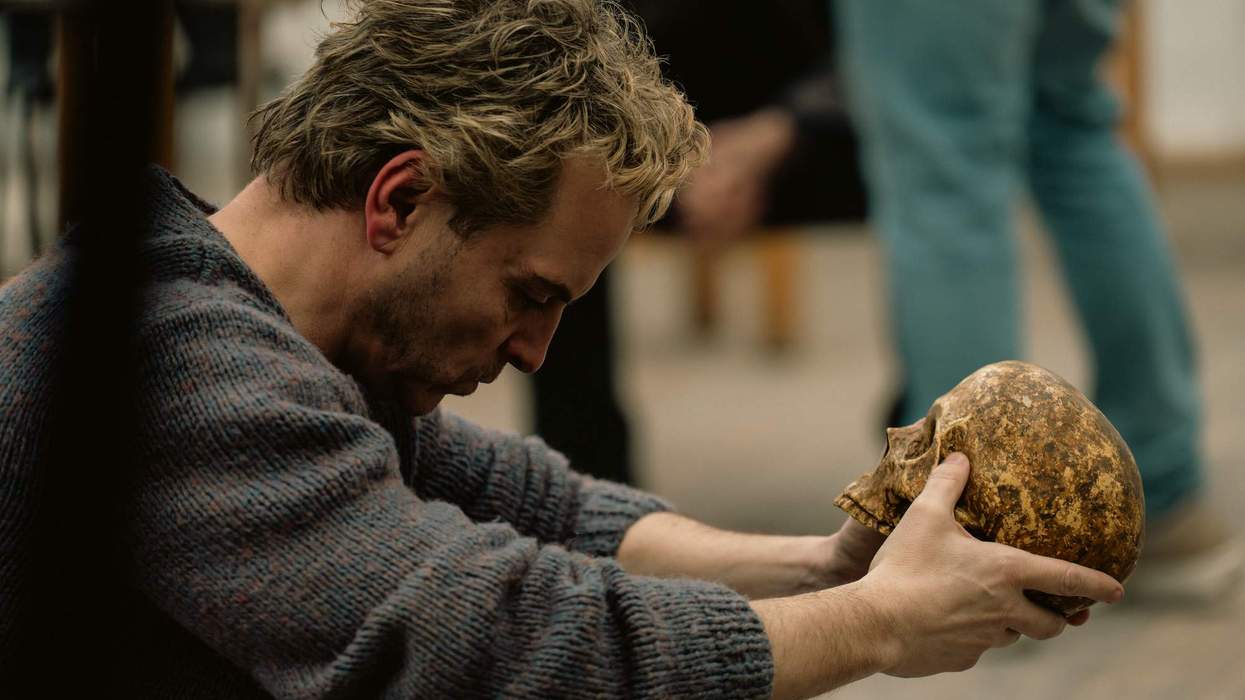
Elsinore also seems to weigh what it means for a dying actor to play a role like Hamlet, who is himself deeply concerned with mortality. In one of the most moving snippets, which depicts Charleson rehearsing the play’s famous “Alas, poor Yorick!” scene of Hamlet holding the skull of the late jester aloft, Scott looks into the empty eye sockets of the prop before covering them and turning away in pain.
But in addition to the film itself looking absolutely superb, there’s also a meta-narrative around it that’s just as compelling: If Scott were to win Best Actor at the Oscars for the role, which seems within the realm of possibility according to early buzz, he’d be the first out gay man to take the category. That would be a culmination of a struggle fought by Charleson and indeed successive generations of gay actors, who — much like Scott himself — have had to work to be perceived as more than just their sexual orientation.
“I’ve been asked to play this part,” Charleson stresses in the trailer. “If people see me, and not the character that I play, then I’ve failed. I won’t be a victim!”
But whether Scott takes home the trophy or not, this film is already poised to be a beautiful tribute to a man who died after playing the role of a lifetime.
Get the best of what’s queer. Sign up for Them’s newsletters.