CONTACTAbout UsCAREER OPPORTUNITIESADVERTISE WITH USPRIVACY POLICYPRIVACY PREFERENCESTERMS OF USELEGAL NOTICE
© 2025 Equal Entertainment LLC.
All Rights reserved
All Rights reserved


By continuing to use our site, you agree to our Privacy Policy and Terms of Use.

We need your help
Your support makes The Advocate's original LGBTQ+ reporting possible. Become a member today to help us continue this work.
Your support makes The Advocate's original LGBTQ+ reporting possible. Become a member today to help us continue this work.
Researchers in psychoimmunology -- a branch of medicine that studies the effects of psychological and social factors on the functioning of the immune system -- have long determined that stress and feelings of being stigmatized may negatively affect a person's health. For those whose immune systems are already compromised because of HIV infection, stress from stigma may lead to depression and forgetting to take medication that prevents them from developing AIDS.
The University of North Texas Center for Psychosocial Health is conducting a pilot study, called "Project Forgive," to teach forgiveness skills to men and women infected with HIV, helping them to let go of grudges that they hold against others and society, the university announces in a press release.
"We hypothesized that, in living with HIV, you're exposed to HIV-related stigma. Your family members, friends, and coworkers may reject you," says Mark Vosvick, UNT associate professor of psychology and director of the Center for Psychosocial Health. "But if you had sufficient resources to cope with the stigma, you wouldn't stress out as much."
The 56 men and women who volunteered for the study first completed an initial survey about their perceived stress, possible depression, risky sexual behavior, quality of life, adherence to taking anti-HIV medications, and the behaviors they engage in to cope with stigma and stress. The men and women were then divided by gender into groups of seven. Half of the groups received forgiveness intervention training in six sessions based on Stanford University's "Forgiveness Project." A control group of "Project Forgive" participants did not receive the formal forgiveness intervention, but did meet during six sessions to discuss the stigma against them.
The "Forgiveness Project" has focused on a range of issues -- from letting go of minor hurts to dealing with life's catastrophes. While forgiveness intervention has been used for individuals managing high blood pressure and premenopausal women, Vosvick says it has not been used on the HIV-positive population.
"You tend to have a physiological reaction when you ruminate -- that is, when you constantly remember another person doing something that hurt you or a conversation you had with someone who hurt you," he says. "We try to help people identify the grudges they carry or conversations they remember and help them deconstruct the scripts and let go of the hurt."
In addition to carrying grudges against other people for stigmatizing them, those infected with HIV may need to forgive themselves for being in situations that led to their HIV infection, Vosvick says.
"Sometimes they may carry grudges because of certain situations, such as gays not being allowed to marry in their own states," he says. "In these cases, we can help them develop strategies to channel their anger into advocacy."
All participants receive copies of Forgive for Good: A Proven Prescription for Health and Happiness, written by Fred Luskin, director and founder of the Stanford University "Forgiveness Project," and are taught basic behavioral relaxation techniques they can use when they are under stress so they will not compromise their immune systems.
"We know that just by sitting in a room and talking to others about the hurt that you carry, you begin to feel better," Vosvick says.
The Stanford "Forgiveness Project" has reported that, after completing the project, participants experienced decreases in feelings of hurt, increases in optimism, and reduction in the physical symptoms of stress, including backache, muscle aches, dizziness, and upset stomach.
Vosvick and his research team will compare levels of stress and its symptoms, depression, quality of life, adherence to taking anti-HIV medications, and risky behaviors as a result of stress in both "Project Forgive" participants who received forgiveness intervention and those in the control group who did not.
The participants will complete surveys immediately after they finish the six sessions and again six months later. Those in the control group will then be offered forgiveness intervention, Vosvick says.
"Adherence to medication is a crucial issue for the HIV population. For the medications to be effective, they need to be taken correctly more than 95% of the time," he says.
The research team, which includes about 10 university graduate students and a large number of undergraduates, will finish collecting data on "Project Forgive" participants by early next year. Vosvick has already presented the study at the Society of Behavioral Medicine annual meeting and will present it at the American Psychological Association convention in August and the American Public Health Association annual meeting in October.
He plans to seek additional funding for a five-year study that will provide forgiveness intervention to 200 to 400 HIV-positive men and women in diverse ethnic groups.
"We know that more African-Americans have high blood pressure than those in other ethnic groups, and possible stigma and racial prejudice may contribute to that. African-Americans with HIV face even more stigma and possible chronic medical problems," he says.
For more information about the Center for Psychosocial Health and "Project Forgive," visit www.unt.edu/cph.


From our Sponsors
Most Popular



Bizarre Epstein files reference to Trump, Putin, and oral sex with ‘Bubba’ draws scrutiny in Congress
November 14 2025 4:08 PM
True

Jeffrey Epstein’s brother says the ‘Bubba’ mentioned in Trump oral sex email is not Bill Clinton
November 16 2025 9:15 AM
True
Watch Now: Pride Today
Latest Stories


Joe Biden says MAGA Republicans want to make LGBTQ+ people ‘into something scary’
December 05 2025 8:20 PM

'Finding Prince Charming's Chad Spodick dies at 42
December 05 2025 3:45 PM

Supreme Court to hear case on Trump order limiting birthright citizenship
December 05 2025 3:01 PM

Women gamers boycott global esports tournament over trans ban
December 05 2025 2:55 PM

Anti-LGBTQ+ hate crimes reached record-highs last year in this gay haven
December 05 2025 1:16 PM

Three lesbian attorneys general beating back Trumpism in court warn of marriage equality’s peril
December 05 2025 12:07 PM

Trump DOJ rolls back policies protecting LGBTQ+ inmates from sexual violence
December 05 2025 11:12 AM

Georgia law banning gender-affirming care for trans inmates struck down
December 05 2025 9:40 AM


Tucker Carlson and Milo Yiannopoulos spend two hours spewing homophobia and pseudo-science
December 04 2025 4:47 PM

'The Abandons' stars Gillian Anderson & Lena Headey want to make lesbian fans proud
December 04 2025 4:38 PM

Tig Notaro is working on a 'hot lesbian action' movie with Zack Snyder
December 04 2025 4:36 PM
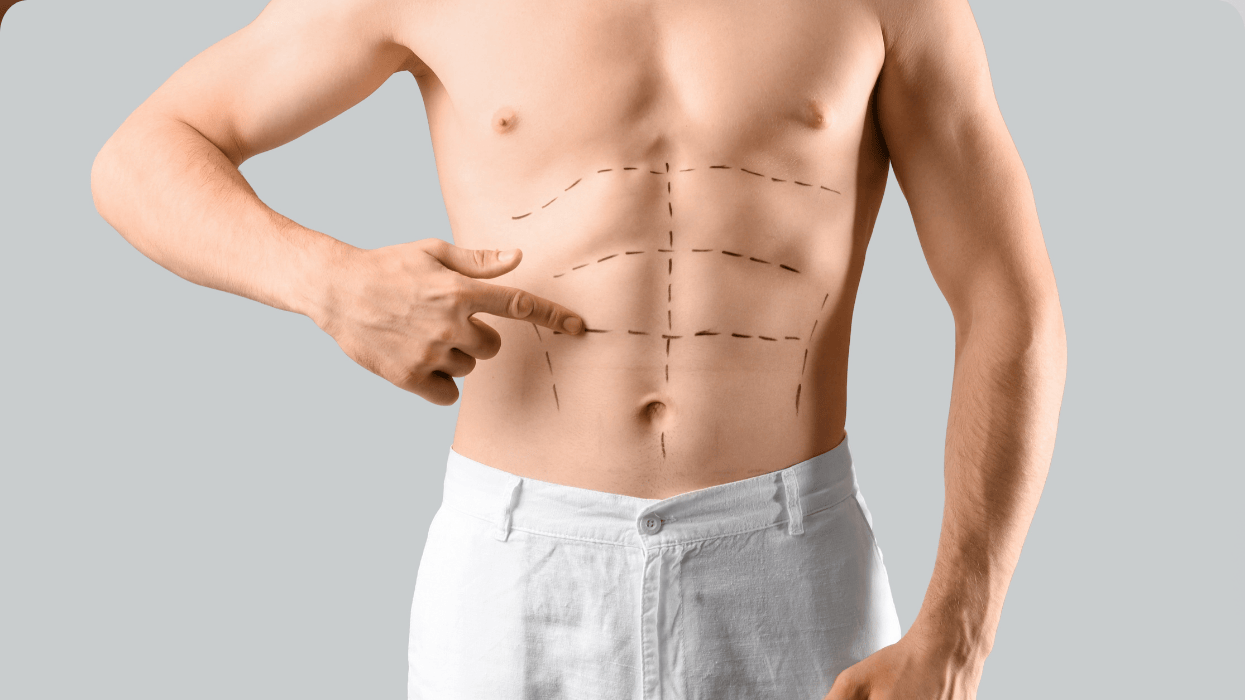
Cis men love top surgery—it should be available for all
December 04 2025 4:35 PM

Denver LGBTQ+ youth center closed indefinitely after burglar steals nearly $10K
December 04 2025 12:57 PM

Trans pastor says she’s ‘surrounded by loving kindness’ after coming out to New York congregation
December 04 2025 11:13 AM

Lesbian educator wins $700K after she was allegedly called a ‘witch’ in an ‘LGBTQ coven’
December 04 2025 10:59 AM

Years before Stonewall, a cafeteria riot became a breakthrough for trans rights
December 04 2025 10:50 AM
Trending stories














Recommended Stories for You


















Charlie Kirk DID say stoning gay people was the 'perfect law' — and these other heinous quotes