'%3E%3Cpath d='M16.3574 35.6519H12.9537L15.0491 18.8873L16.3574 35.6519ZM30.4229 54.0093L22.309 0.994385H7.91795L0 54.0093H10.6634L11.5802 46.3855H17.4014L17.9914 54.0093H30.4229Z' fill='%23971B20'/%3E%3Cpath d='M48.2073 41.8813C48.2073 43.4049 47.4892 44.0011 46.1144 44.0011H43.7595V11.0687H46.1144C47.4892 11.0687 48.2073 11.6636 48.2073 13.1885V41.8813ZM59.5273 43.6695V11.3326C59.5273 3.71323 53.5729 0.994385 47.8157 0.994385H31.7213V54.0093H47.8157C53.5729 54.0093 59.5273 51.29 59.5273 43.6695Z' fill='%23971B20'/%3E%3Cpath d='M90.183 0.994385H78.6039L75.0711 30.6157L71.9955 0.994385H59.4346L69.2474 54.0093H80.373L90.183 0.994385Z' fill='%23971B20'/%3E%3Cpath d='M107.063 42.3448C107.063 43.7359 105.951 44.5974 104.643 44.5974C103.269 44.5974 102.157 43.7359 102.157 42.3448V12.658C102.157 11.2676 103.269 10.4058 104.643 10.4058C105.951 10.4058 107.063 11.2676 107.063 12.658V42.3448ZM119.233 43.2723V11.7312C119.233 6.36384 112.952 -3.8147e-06 104.643 -3.8147e-06C96.2667 -3.8147e-06 89.9867 6.36384 89.9867 11.7312V43.2723C89.9867 48.6393 96.2667 55 104.643 55C112.952 55 119.233 48.6393 119.233 43.2723Z' fill='%23971B20'/%3E%3Cpath d='M150.976 43.9349V33.7309H139.069V42.3448C139.069 43.7359 137.957 44.5974 136.582 44.5974C135.076 44.5974 133.964 43.7359 133.964 42.3448V12.658C133.964 11.2676 135.076 10.4058 136.582 10.4058C137.957 10.4058 139.069 11.2676 139.069 12.658V21.2723H150.976V11.0687C150.976 5.70107 145.283 -3.8147e-06 136.582 -3.8147e-06C127.75 -3.8147e-06 121.796 5.70107 121.796 11.0687V43.9349C121.796 49.3022 127.75 55 136.582 55C145.283 55 150.976 49.3022 150.976 43.9349Z' fill='%23971B20'/%3E%3Cpath d='M167.478 35.6519H164.076L166.17 18.8873L167.478 35.6519ZM181.544 54.0093L173.432 0.994385H159.037L151.123 54.0093H161.785L162.704 46.3855H168.523L169.114 54.0093H181.544Z' fill='%23971B20'/%3E%3Cpath d='M205.412 10.4058V0.994385H177.081V10.4058H185.392V54.0093H197.428V10.4058H205.412Z' fill='%23971B20'/%3E%3Cpath d='M230.002 54.0093V43.9349H218.914V31.8746H226.635V21.8028H218.914V10.4058H230.002V0.994385H206.875V54.0093H230.002Z' fill='%23971B20'/%3E%3C/g%3E%3Cdefs%3E%3CclipPath id='clip0_260_7080'%3E%3Crect width='230' height='55' fill='white'/%3E%3C/clipPath%3E%3C/defs%3E%3C/svg%3E)
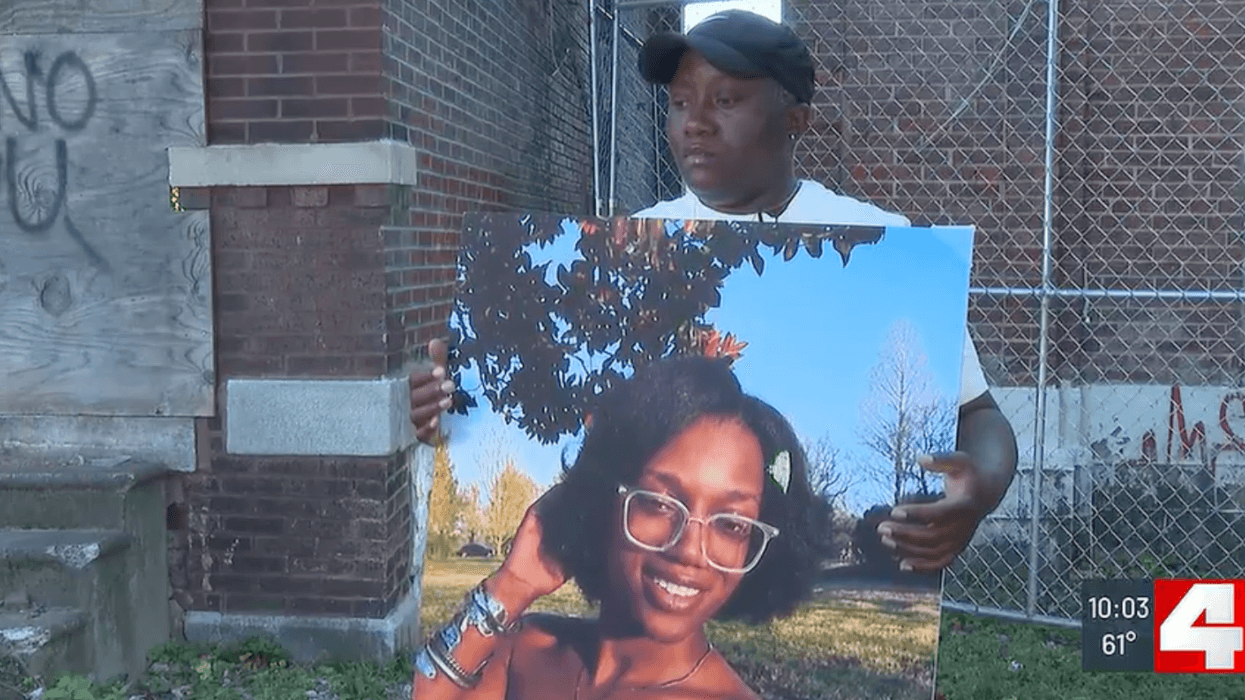

St. Louis police are investigating the August shooting death of a transgender woman as a homicide after initially classifying it as an apparent suicide. Her mother challenged that finding.
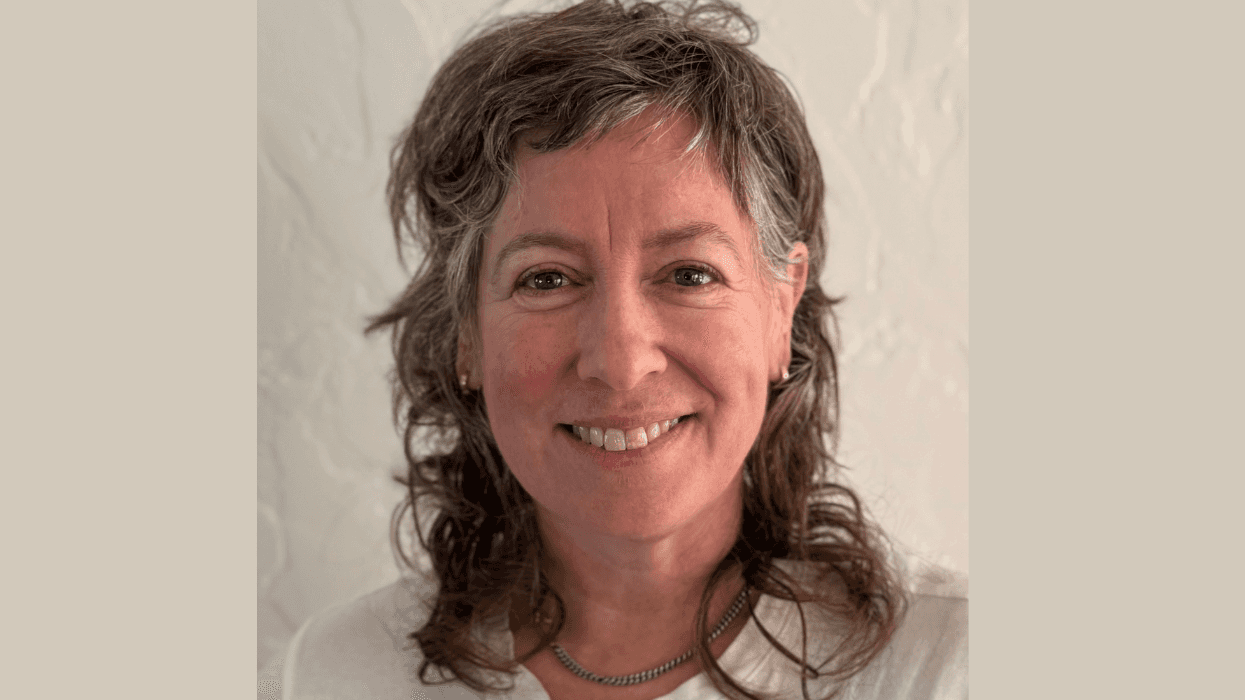
Jhené Audrict, 21, was found dead on August 17 by a city worker between an abandoned house and a church with a gunshot wound to the back of her head, according to her mother, Melissa Crawford. Police initially treated her death as an apparent suicide, which Crawford questioned on social media. An autopsy later identified injuries “that could be inconsistent with a self-inflicted gunshot wound,” according to KSDK. Police subsequently began investigating the death as a homicide.
Crawford told CBS affiliate KMOV that she had last spoken to her daughter on August 15, when Audrict was headed to her boyfriend’s house.
“She was kind of nervous about going to her boyfriend’s house because they were having issues,” Crawford said. The next day, Crawford said Audrict’s boyfriend called her to say Audrict was missing.
Related: Many alleged suicides of Black trans women are in fact modern-day lynchings, report finds
Crawford said she doubted the initial classification because of the circumstances in which her daughter was found.
“Jhené was legally blind. Unfortunately, when they did find Jhené, Jhené’s glasses were not located on her face. Jhené cannot see without her glasses,” Crawford said. “Literally, she can’t use a phone. She can’t go to the bathroom.”
Crawford said she was “proud” to be Audrict’s mother, describing her daughter as “very adventurous, a traveler, highly educated.”
“The resolution for me is to get justice for Jhené. Also, to advocate for the trans community. Awareness for domestic violence. And also advocating even for mental health,” Crawford said. “I will not rest. And I will not let this be swept underneath the rug. Jhené Cordelia Audrict will get justice.”
The questions surrounding Audrict’s death echo broader concerns advocates have raised about how authorities investigate and classify the deaths of transgender women.
In March, The Advocate reported on research by Jill Collen Jefferson, founder of the social justice organization JULIAN, that raised questions about how U.S. law enforcement agencies across the South classify the deaths of transgender women, including whether some cases ruled suicides warrant further investigation.
Related: Transgender people are being killed at an alarming rate, especially in the South
The report, “A Crimson Record: Seven State Modern-Day Lynching Report 2000–2025,” cataloged more than 150 deaths across Mississippi, Texas, Georgia, Louisiana, Florida, Tennessee and Alabama. More than 50, or roughly one-third of the cases, involved transgender women.
Jefferson argues that the cases reflect the intersection of racism and transphobia, and that classifying killings as suicides can obscure violence and prevent accountability.
Jefferson draws a historical parallel to racial terror killings that authorities labeled suicides, shielding perpetrators from scrutiny.
“Back in the day, a lynching was called a suicide with a wink and a smile,” she said. “In the present day, they’re still called suicides. But now people take that seriously.”