'%3E%3Cpath d='M16.3574 35.6519H12.9537L15.0491 18.8873L16.3574 35.6519ZM30.4229 54.0093L22.309 0.994385H7.91795L0 54.0093H10.6634L11.5802 46.3855H17.4014L17.9914 54.0093H30.4229Z' fill='%23971B20'/%3E%3Cpath d='M48.2073 41.8813C48.2073 43.4049 47.4892 44.0011 46.1144 44.0011H43.7595V11.0687H46.1144C47.4892 11.0687 48.2073 11.6636 48.2073 13.1885V41.8813ZM59.5273 43.6695V11.3326C59.5273 3.71323 53.5729 0.994385 47.8157 0.994385H31.7213V54.0093H47.8157C53.5729 54.0093 59.5273 51.29 59.5273 43.6695Z' fill='%23971B20'/%3E%3Cpath d='M90.183 0.994385H78.6039L75.0711 30.6157L71.9955 0.994385H59.4346L69.2474 54.0093H80.373L90.183 0.994385Z' fill='%23971B20'/%3E%3Cpath d='M107.063 42.3448C107.063 43.7359 105.951 44.5974 104.643 44.5974C103.269 44.5974 102.157 43.7359 102.157 42.3448V12.658C102.157 11.2676 103.269 10.4058 104.643 10.4058C105.951 10.4058 107.063 11.2676 107.063 12.658V42.3448ZM119.233 43.2723V11.7312C119.233 6.36384 112.952 -3.8147e-06 104.643 -3.8147e-06C96.2667 -3.8147e-06 89.9867 6.36384 89.9867 11.7312V43.2723C89.9867 48.6393 96.2667 55 104.643 55C112.952 55 119.233 48.6393 119.233 43.2723Z' fill='%23971B20'/%3E%3Cpath d='M150.976 43.9349V33.7309H139.069V42.3448C139.069 43.7359 137.957 44.5974 136.582 44.5974C135.076 44.5974 133.964 43.7359 133.964 42.3448V12.658C133.964 11.2676 135.076 10.4058 136.582 10.4058C137.957 10.4058 139.069 11.2676 139.069 12.658V21.2723H150.976V11.0687C150.976 5.70107 145.283 -3.8147e-06 136.582 -3.8147e-06C127.75 -3.8147e-06 121.796 5.70107 121.796 11.0687V43.9349C121.796 49.3022 127.75 55 136.582 55C145.283 55 150.976 49.3022 150.976 43.9349Z' fill='%23971B20'/%3E%3Cpath d='M167.478 35.6519H164.076L166.17 18.8873L167.478 35.6519ZM181.544 54.0093L173.432 0.994385H159.037L151.123 54.0093H161.785L162.704 46.3855H168.523L169.114 54.0093H181.544Z' fill='%23971B20'/%3E%3Cpath d='M205.412 10.4058V0.994385H177.081V10.4058H185.392V54.0093H197.428V10.4058H205.412Z' fill='%23971B20'/%3E%3Cpath d='M230.002 54.0093V43.9349H218.914V31.8746H226.635V21.8028H218.914V10.4058H230.002V0.994385H206.875V54.0093H230.002Z' fill='%23971B20'/%3E%3C/g%3E%3Cdefs%3E%3CclipPath id='clip0_260_7080'%3E%3Crect width='230' height='55' fill='white'/%3E%3C/clipPath%3E%3C/defs%3E%3C/svg%3E)
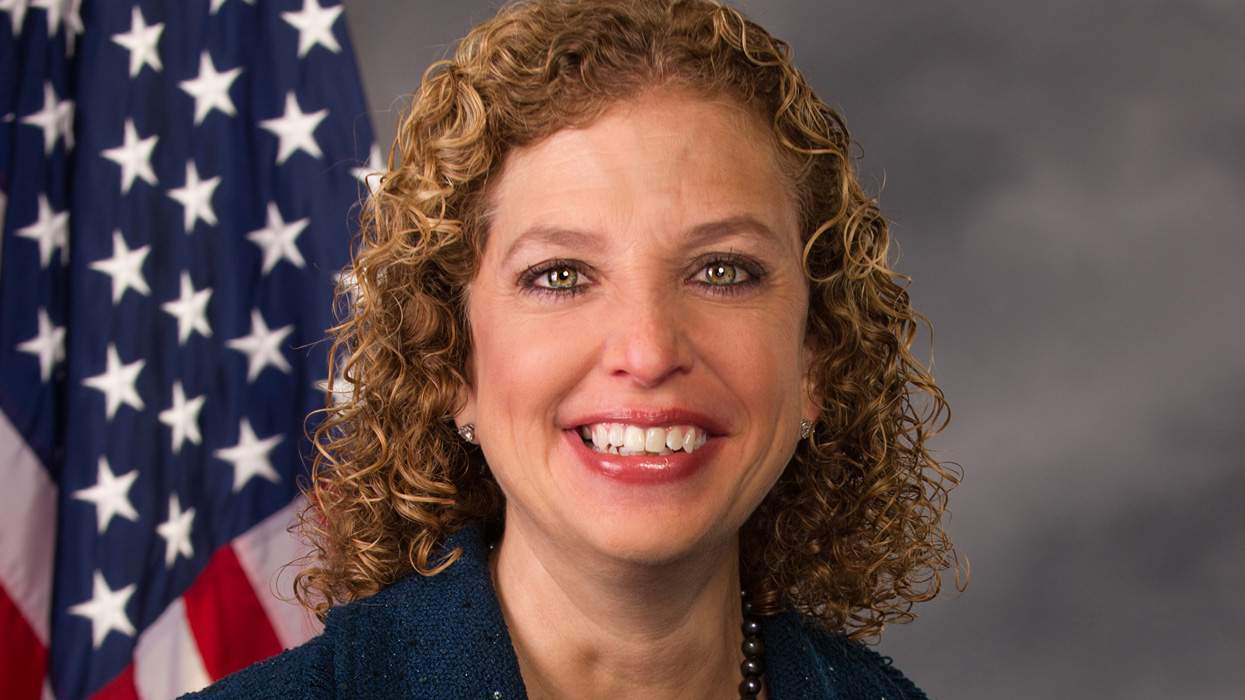

Florida’s gay capital could soon be represented by a longtime ally. In a newly redrawn congressional map, all of Wilton Manors ended up in a district now served by Rep. Debbie Wasserman Schultz, Florida’s longest-serving Democratic federal official. It’s a community that has drifted in and out of her jurisdiction over years of service, but one she looks forward to representing again.
“I kept my ties to the community, because it’s the center of gravity on LGBTQ+ rights, and that’s a core part of my values and my agenda,” shesaid in an exclusive interview ahead of the midterms.
But much of the attention on Wasserman Schultz this year centered not on her long history of championing gay rights but on the racial aspects of her run. When the redistricting wars hit Florida last year, the incumbent faced a difficult choice. She could run in the district where she lived under the new map, an area covering the width of Florida, and where 55 percent of voters in 2024 voted for Donald Trump, or she could run in the remnants of a historically Black-majority district dismantled by Florida Gov. Ron DeSantis’s partisan cartography.
“I’m not paranoid. It’s just that they’re trying to kill me,” she recounts. “I think it was very obvious to most people that they took my district and chopped it up into the smallest pieces to make it the most challenging for me to have a place to run.”
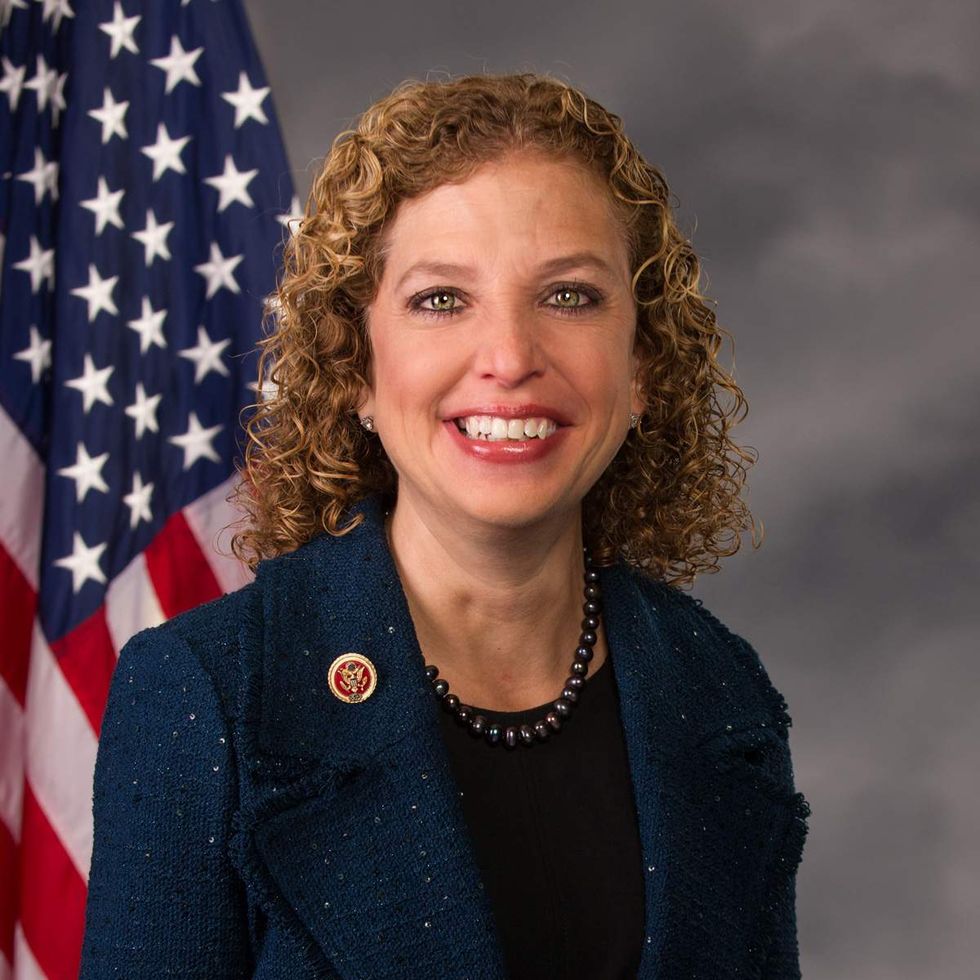 Debbie Wasserman Schultzwassermanschultz.house.gov
Wasserman Schultz chose to run in the safe Democratic seat, entering a primary that included four Black candidates, including one man hoping to be the first gay Congressman from Florida. She argued the district would be best served by a senior member of Congress who is part of the leadership team for Hakeem Jeffries, a New York congressman expected to become America’s first Black Speaker of the House if Democrats win the midterms. For all the controversy, though, Wasserman Schultz landed the support of numerous Black leaders in South Florida and won the primary with 45 percent of the vote in a five-person field.
Campaign officials note the district is no longer a majority-Black district — currently, about 44 percent of voters there are Black. Ultimately, for all attempts to dismantle minority representation by DeSantis, Florida’s 20th Congressional District ended up a melting pot of diversity, with all of Wilton Manors’ LGBTQ+ population, a heavy Caribbean immigrant population, and a significant Jewish population that includes Wasserman Schultz. The Congresswoman suggests Broward County, which includes the entire district, is more diverse than neighboring Miami-Dade, which has an enormous Hispanic community but is dominated largely by Cuban politics.
“We are really much more ethnically diverse, racially diverse, and culturally diverse,” she says, “and quite honestly, we have a lot more harmony. I represented both counties, and the divisions that often crop up in Miami-Dade County don’t seem to happen anymore. In the earlier days of my life in Broward County, they occurred more often, but you know, over time we’ve kind of grown up as a community where we’re able to live in less segregated and more harmonious interaction.”
She served the community as many of the first human rights ordinances in Florida became law. Documentaries have been made about the efforts by queer leaders in the region, including now-Fort Lauderdale Mayor Dean Trantalis, who pushed to include sexual orientation as a protected class in an ordinance passed in 1995 while Wasserman Schultz represented the region in the Florida Legislature.
“It really comes from the values that I was raised to believe in. Just as a Jew, as someone who’s a member of a minority community — who’s faced at varying times and to varying degrees pretty intense discrimination ourselves — I was taught around my family dinner table that we have a responsibility to be a voice for the voiceless, to stand up against injustice, and to fight for equality. When you’re a member of a persecuted minority, how you respond is an important part of your values. Attacks on one are an attack on all. So that’s how I’ve always approached my own public service and my citizenry,” Wasserman Schultz says.
“When I got to Broward, and the attacks were coming on whether or not we were going to keep or revoke that human rights ordinance, the idea that you could put someone’s civil rights on the ballot and let it be voted on by voters — equality is an inherent part of our constitutional rights. So one of the first bills I filed when I was elected to the state house was a bill that would have prohibited votes on human rights ordinances. That should not be subject to public discretion.”
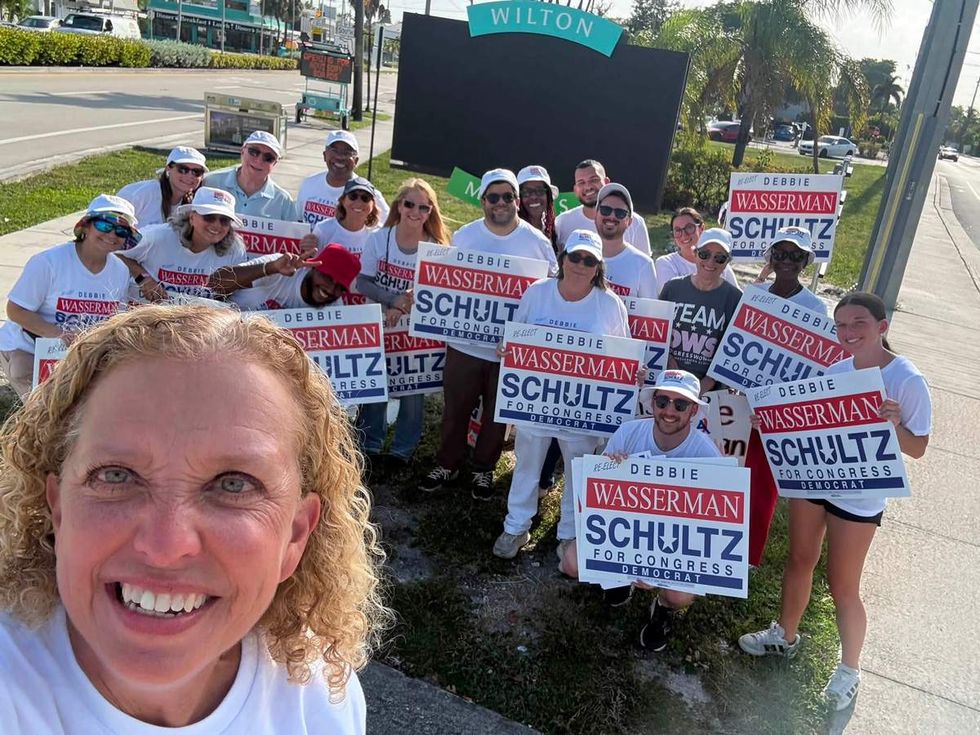 Wasserman Schultz takes a selfie with a group of supporters.Facebook/Rep. Debbie Wasserman Schultz
She was an ally at that time and continues to be one today, referred to often as the “Godmother of the LGBTQ+ Democratic Caucus,” though that group did not endorse her this year. Meanwhile, SAVE Action PAC, Florida’s longest-standing LGBTQ+ advocacy group, split its endorsement between Wasserman Schultz and Elijah Manley, the Black gay Democrat who ultimately came in third place in the Democratic primary. Manley argued the district had a chance to be represented by someone with the lived experience of both communities.
But Wasserman Schultz stresses she has worked on issues for the community for decades. She was mentored by the late U.S. Rep. Alcee Hastings, the first Black man to represent Florida in Congress post-Reconstruction and the longtime District 20 representative until his death in 2021. “We repeatedly gravitated towards one another because we knew if there was anybody that could be counted on, it was one another to stand up and fight,” she says.
During the COVID-19 pandemic, as Hastings worked remotely while hospitalized with pancreatic cancer, Wasserman Schultz cast his votes by proxy, prompting nearly daily conversations leading to his death. She learned from Hastings about a range of policy issues, from foreign matters to budget fights, but she also developed an intricate understanding of his constituents’ needs.
“I’ve shown up for the minority communities that I have represented, and I represented nine of the 14 cities in this district, so I was no stranger here,” she says. “Right now, with as much as at stake, we can’t afford to start over. We can’t afford to leave Broward County represented by no one who has experience. People understood what it meant to have a senior member of the Appropriations Committee representing us. They understood what it meant to have someone on the leadership team of the next speaker of the House of Representatives representing us. They understood that I had already delivered hundreds of millions of dollars in both large projects and almost that much in local projects that met people’s needs, and they saw what I could do. And honestly right now, people are desperate to have confidence in who represents them.”
As of press time, the midterm results are unknown, but if reelected this November, Wasserman Schultz says she will focus on a range of foundational issues impacting all parts of the community. She played a watchdog role that led to the shutdown of DeSantis’s infamous Alligator Alcatraz detention facility and has made numerous surprise inspections of centers where many of her constituents have been detained. She has worked with community task forces to keep lines open between Black leaders and police agencies to avoid the kind of tensions seen in Missouri and Minnesota. And she has pushed for federal legislation on gun control, an important issue in an area that became the birthplace of March for Our Lives after the deadly Parkland school shooting in 2018.
Looking beyond the midterms, Wasserman Schultz expects the work of Congress to be as important as ever. Trump returned to power to find a pliant Republican Congress providing no oversight on his excesses as he eroded the rights of transgender Americans, chipped away at the protections of the Voting Rights Act, and waged reckless and costly wars overseas.
All that could change with a Democratic House, and Wasserman Schultz feels eager to contain the administration’s right-wing excesses. She expects, for example, to see Congress pass the Equality Act, even if it ends up vetoed by Trump, and for abuses against LGBTQ+ youth to receive scrutiny and oversight. Even in a Republican Congress, she stopped provisions in budget bills that would bar flying Pride flags at Veterans Affairs facilities, and she hopes to restore rainbow crosswalks targeted by Transportation Secretary Sean Duffy, including the one erased in front of the Pulse shooting site in her home state of Florida.
But Wasserman Schultz says she’ll also bring focus to other issues, especially those affecting the aging LGBTQ+ population in her district. She has worked with groups like SAGE, which specifically advocates for queer seniors, on health care protections. “We had administration officials come down and talk to the community about their unique health care challenges,” she says. “The repeals the Trump administration has repeatedly done made it harder for people who have health care issues in the LGBTQ+ community to get access to their medications and to the unique healthcare challenges that they face.”
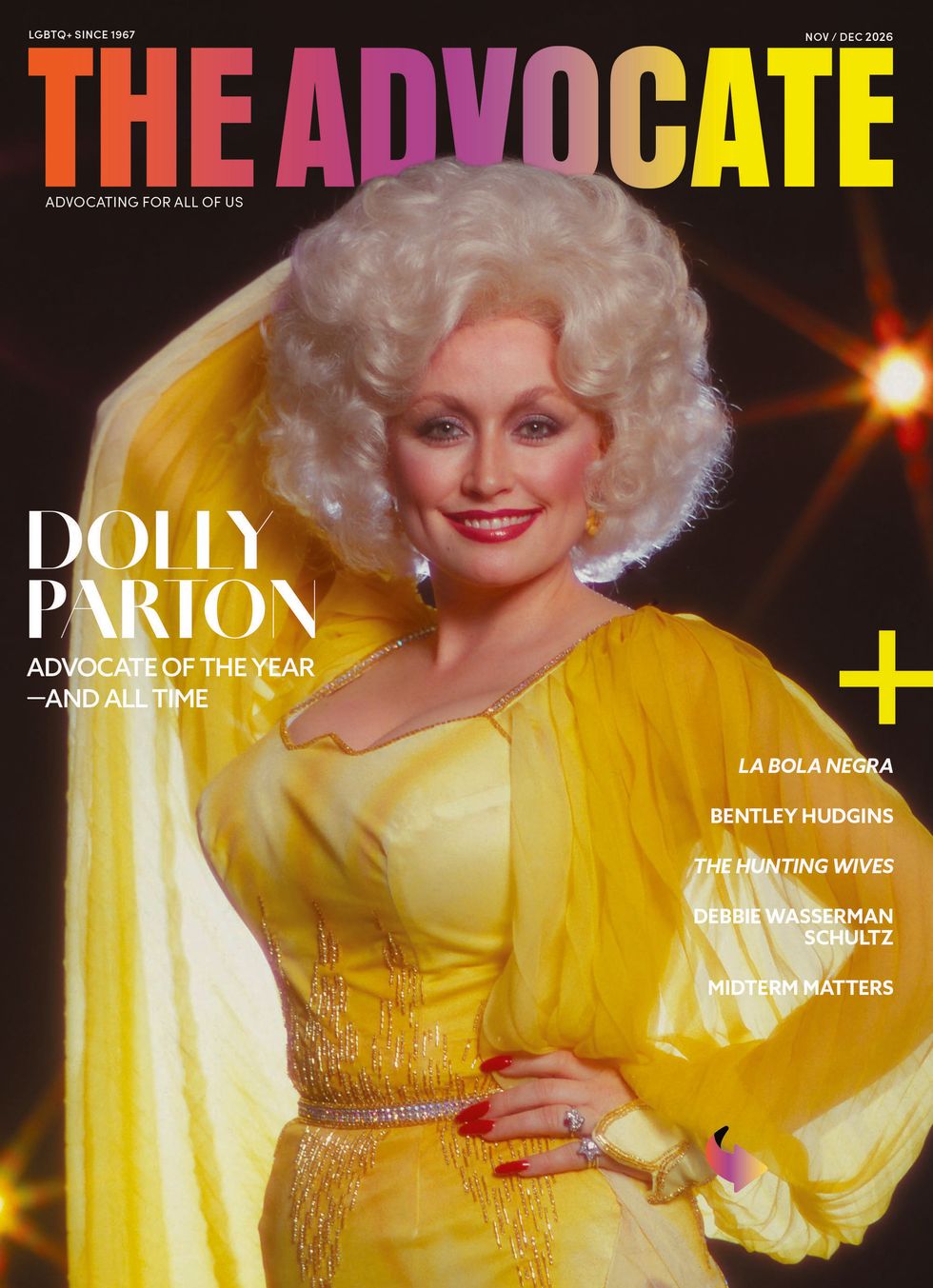
This article is part of The Advocate’s Nov-Dec 2026 print issue, on newsstands November 3. Support queer media and subscribe — or download the issue now through Apple News+, Zinio, Nook, or PressReader.