'%3E%3Cpath d='M16.3574 35.6519H12.9537L15.0491 18.8873L16.3574 35.6519ZM30.4229 54.0093L22.309 0.994385H7.91795L0 54.0093H10.6634L11.5802 46.3855H17.4014L17.9914 54.0093H30.4229Z' fill='%23971B20'/%3E%3Cpath d='M48.2073 41.8813C48.2073 43.4049 47.4892 44.0011 46.1144 44.0011H43.7595V11.0687H46.1144C47.4892 11.0687 48.2073 11.6636 48.2073 13.1885V41.8813ZM59.5273 43.6695V11.3326C59.5273 3.71323 53.5729 0.994385 47.8157 0.994385H31.7213V54.0093H47.8157C53.5729 54.0093 59.5273 51.29 59.5273 43.6695Z' fill='%23971B20'/%3E%3Cpath d='M90.183 0.994385H78.6039L75.0711 30.6157L71.9955 0.994385H59.4346L69.2474 54.0093H80.373L90.183 0.994385Z' fill='%23971B20'/%3E%3Cpath d='M107.063 42.3448C107.063 43.7359 105.951 44.5974 104.643 44.5974C103.269 44.5974 102.157 43.7359 102.157 42.3448V12.658C102.157 11.2676 103.269 10.4058 104.643 10.4058C105.951 10.4058 107.063 11.2676 107.063 12.658V42.3448ZM119.233 43.2723V11.7312C119.233 6.36384 112.952 -3.8147e-06 104.643 -3.8147e-06C96.2667 -3.8147e-06 89.9867 6.36384 89.9867 11.7312V43.2723C89.9867 48.6393 96.2667 55 104.643 55C112.952 55 119.233 48.6393 119.233 43.2723Z' fill='%23971B20'/%3E%3Cpath d='M150.976 43.9349V33.7309H139.069V42.3448C139.069 43.7359 137.957 44.5974 136.582 44.5974C135.076 44.5974 133.964 43.7359 133.964 42.3448V12.658C133.964 11.2676 135.076 10.4058 136.582 10.4058C137.957 10.4058 139.069 11.2676 139.069 12.658V21.2723H150.976V11.0687C150.976 5.70107 145.283 -3.8147e-06 136.582 -3.8147e-06C127.75 -3.8147e-06 121.796 5.70107 121.796 11.0687V43.9349C121.796 49.3022 127.75 55 136.582 55C145.283 55 150.976 49.3022 150.976 43.9349Z' fill='%23971B20'/%3E%3Cpath d='M167.478 35.6519H164.076L166.17 18.8873L167.478 35.6519ZM181.544 54.0093L173.432 0.994385H159.037L151.123 54.0093H161.785L162.704 46.3855H168.523L169.114 54.0093H181.544Z' fill='%23971B20'/%3E%3Cpath d='M205.412 10.4058V0.994385H177.081V10.4058H185.392V54.0093H197.428V10.4058H205.412Z' fill='%23971B20'/%3E%3Cpath d='M230.002 54.0093V43.9349H218.914V31.8746H226.635V21.8028H218.914V10.4058H230.002V0.994385H206.875V54.0093H230.002Z' fill='%23971B20'/%3E%3C/g%3E%3Cdefs%3E%3CclipPath id='clip0_260_7080'%3E%3Crect width='230' height='55' fill='white'/%3E%3C/clipPath%3E%3C/defs%3E%3C/svg%3E)
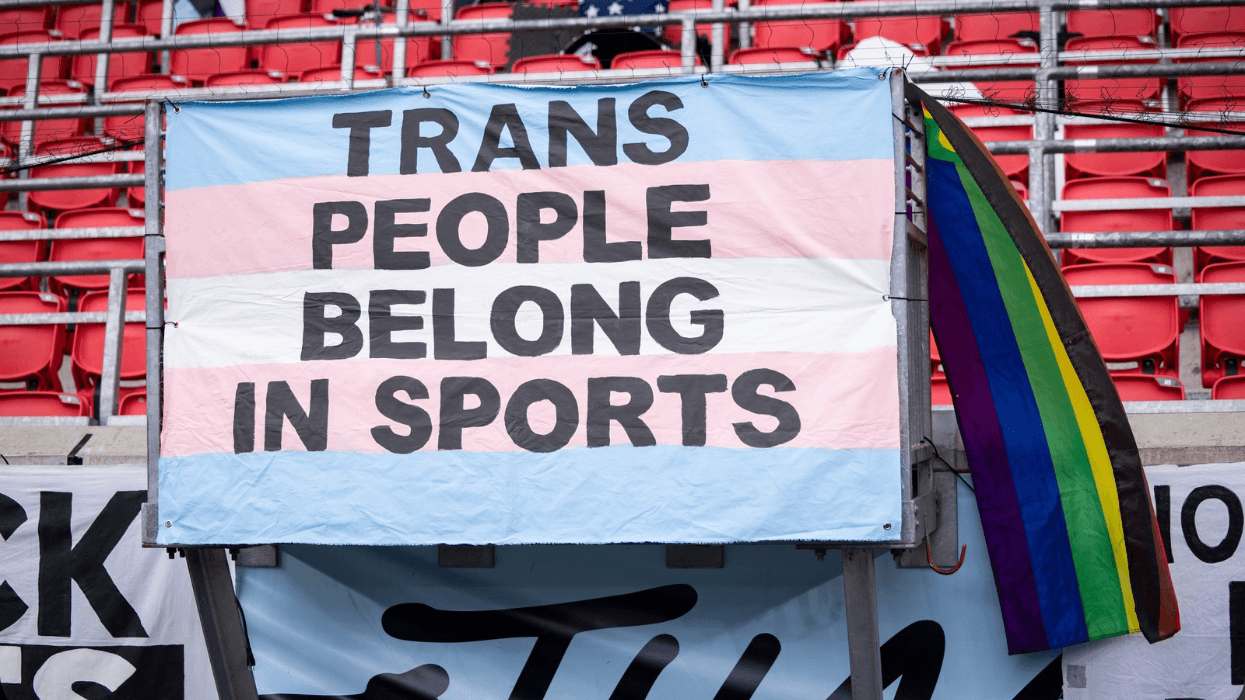

Two school boards in Pennsylvania approved policies restricting transgender athletes from participating in sports that align with their gender identity.
The Conestoga Valley School District board approved its policy Monday night in a 7-1 vote. Under the policy, students’ eligibility for school athletic teams will be determined by their sex assigned at birth rather than their gender identity.
In a unanimous vote Monday, Elanco School Board members passed a policy that classifies school-sponsored sports as “male, female or coed” activities and bases eligibility on a student’s reproductive characteristics at birth. Under the rules, students assigned male at birth cannot join girls’ teams, while the policy does not clearly state whether students assigned female at birth face the same restriction when seeking to compete on boys’ teams.
That distinction leaves questions about how the rules will apply to some transgender students.
Related: Supreme Court trans sports ruling sparks red state crackdown and blue state resistance
Elanco Superintendent Michael Snopkowski said the policy was not developed to target a particular group, LancasterOnline reports. But when pressed about the implications for transgender boys, he said the policy was “written as it was written,” without offering more information.
In the Conestoga Valley School District, the debate has cost “extensive time and money,” Idette Groff, the lone board member who voted against the policy, said in September.
The board has discussed restricting transgender students’ athletic participation on four occasions since 2023, with legal consultations adding to the time and expense involved.
“Because I’m big on process, as everyone knows, I can’t vote for a policy that is so poorly constructed,” Groff said, explaining that her objection concerned the policy’s drafting rather than the underlying issue.
The district enrolls 3,800 students and has no transgender student-athletes, raising questions among residents about the need for the measure and the students who could ultimately be affected.
Related: 7 takeaways from Supreme Court arguments about bans on trans women and girls in sports
“What I’m really asking is that you consider that deep disconnect in that struggle and acknowledge how brave a student needs to be to be able to actually voice … they are trans,” said Lisa Kernic, who was in attendance. “That’s owning their true self. Now you’re going to take that trans student and add to their struggle the inability to play a sport that they actually feel that they are inclined to do.”
Conestoga Valley football coach and parent Joel Lapp spoke in support of the measure, saying, “We’re just giving boundaries and clarity, which sport they can play based on their gender at birth. So at the end of the day, it’s not about discrimination. It’s not to exclude them from being involved or being part of the community.”
The policy, though, leaves questions unresolved, including how a student’s sex assigned at birth will be verified.
Meanwhile, the Elanco School Board adopted the measure as part of a larger package of agenda items, approving them together rather than voting separately on the athletics policy. Neither board members nor audience members offered public comments before the vote.
The policy had also been presented in August without public comment, LancasterOnline reports.
The district has not set a date for when the restrictions will take effect. Snopkowski said administrators will work with the district’s athletics department to develop regulations for implementing the policy.
The number of students who could be affected also remains unknown. Elanco enrolls 2,600 students, but Snopkowski declined to say whether the new requirements would apply to any current transgender students, according to LancasterOnline.
Related: States can ban transgender women and girls from sports, according to U.S. Supreme Court
“I'm not going to speak about specific students in that format. That's really not anyone else's business except the students,” he said.
The superintendent added that the district would arrange discussions with any students affected by the policy. He declined to explain what those conversations would involve, describing the situation as a “hypothetical at this stage.”
Lancaster County now has five school districts with policies restricting transgender athletes. Snopkowski said the U.S. Supreme Court’s June decision allowing restrictions on trans athletes spurred Elanco’s measure.