'%3E%3Cpath d='M16.3574 35.6519H12.9537L15.0491 18.8873L16.3574 35.6519ZM30.4229 54.0093L22.309 0.994385H7.91795L0 54.0093H10.6634L11.5802 46.3855H17.4014L17.9914 54.0093H30.4229Z' fill='%23971B20'/%3E%3Cpath d='M48.2073 41.8813C48.2073 43.4049 47.4892 44.0011 46.1144 44.0011H43.7595V11.0687H46.1144C47.4892 11.0687 48.2073 11.6636 48.2073 13.1885V41.8813ZM59.5273 43.6695V11.3326C59.5273 3.71323 53.5729 0.994385 47.8157 0.994385H31.7213V54.0093H47.8157C53.5729 54.0093 59.5273 51.29 59.5273 43.6695Z' fill='%23971B20'/%3E%3Cpath d='M90.183 0.994385H78.6039L75.0711 30.6157L71.9955 0.994385H59.4346L69.2474 54.0093H80.373L90.183 0.994385Z' fill='%23971B20'/%3E%3Cpath d='M107.063 42.3448C107.063 43.7359 105.951 44.5974 104.643 44.5974C103.269 44.5974 102.157 43.7359 102.157 42.3448V12.658C102.157 11.2676 103.269 10.4058 104.643 10.4058C105.951 10.4058 107.063 11.2676 107.063 12.658V42.3448ZM119.233 43.2723V11.7312C119.233 6.36384 112.952 -3.8147e-06 104.643 -3.8147e-06C96.2667 -3.8147e-06 89.9867 6.36384 89.9867 11.7312V43.2723C89.9867 48.6393 96.2667 55 104.643 55C112.952 55 119.233 48.6393 119.233 43.2723Z' fill='%23971B20'/%3E%3Cpath d='M150.976 43.9349V33.7309H139.069V42.3448C139.069 43.7359 137.957 44.5974 136.582 44.5974C135.076 44.5974 133.964 43.7359 133.964 42.3448V12.658C133.964 11.2676 135.076 10.4058 136.582 10.4058C137.957 10.4058 139.069 11.2676 139.069 12.658V21.2723H150.976V11.0687C150.976 5.70107 145.283 -3.8147e-06 136.582 -3.8147e-06C127.75 -3.8147e-06 121.796 5.70107 121.796 11.0687V43.9349C121.796 49.3022 127.75 55 136.582 55C145.283 55 150.976 49.3022 150.976 43.9349Z' fill='%23971B20'/%3E%3Cpath d='M167.478 35.6519H164.076L166.17 18.8873L167.478 35.6519ZM181.544 54.0093L173.432 0.994385H159.037L151.123 54.0093H161.785L162.704 46.3855H168.523L169.114 54.0093H181.544Z' fill='%23971B20'/%3E%3Cpath d='M205.412 10.4058V0.994385H177.081V10.4058H185.392V54.0093H197.428V10.4058H205.412Z' fill='%23971B20'/%3E%3Cpath d='M230.002 54.0093V43.9349H218.914V31.8746H226.635V21.8028H218.914V10.4058H230.002V0.994385H206.875V54.0093H230.002Z' fill='%23971B20'/%3E%3C/g%3E%3Cdefs%3E%3CclipPath id='clip0_260_7080'%3E%3Crect width='230' height='55' fill='white'/%3E%3C/clipPath%3E%3C/defs%3E%3C/svg%3E)


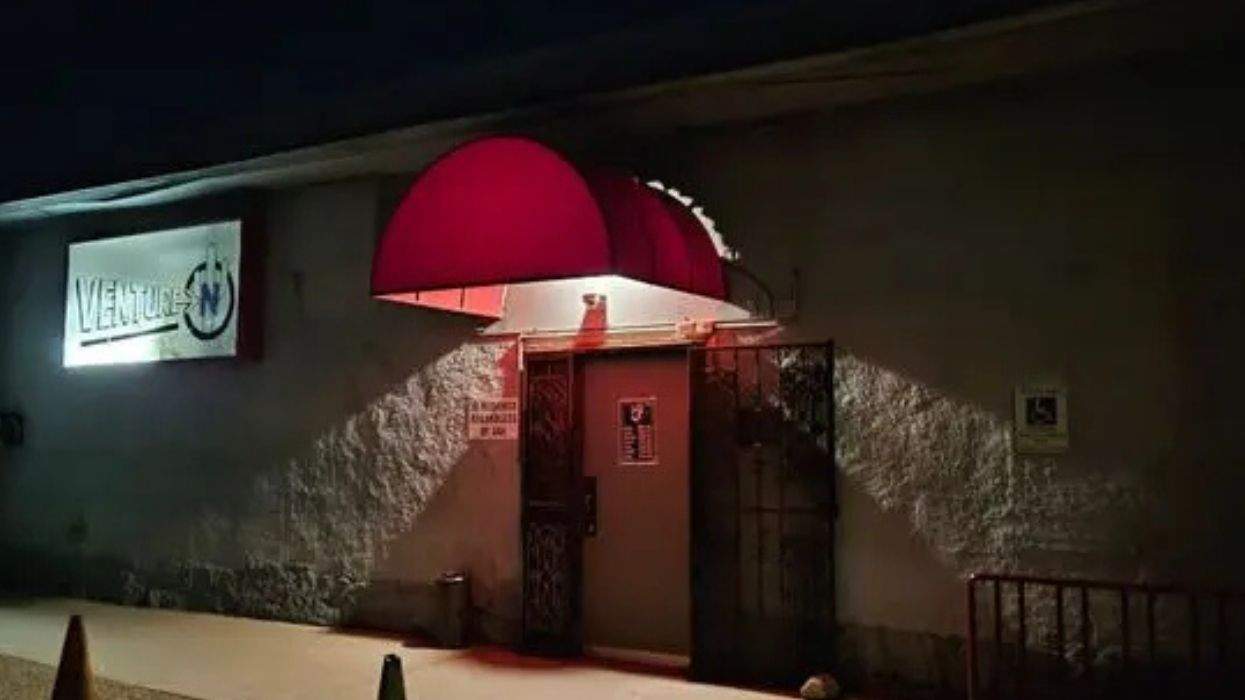
An LGBTQ+ bar in Pittsburgh has come under fire after a performer went on stage in blackface during its open stage event.
Blue Moon Bar hosts open stage events weekly, inviting local artists to perform for bar patrons. Last week, posts began circulating on social media of a drag participant performing in blackface during the September 23 showcase.
Related: Pittsburgh police raid LGBTQ+ bar during drag show featuring Amanda Lepore
“How this person was even allowed to step on stage wearing this is beyond me,” Pittsburgh drag artist Pineapple Honeydew wrote on Instagram. “This is actual disgusting, racist behavior being given a stage to perform and no one thinking twice about it.”
Blue Moon Bar did not return a phone call request for comment from The Advocate on Thursday, and the performer who did blackface has not been publicly identified. In a Wednesday Facebook post, the bar’s management apologized and said that night’s show had two guest hosts who “somehow didn’t realize at the time what was happening.”
“Whatever the intent, blackface is racist and harmful and it is never acceptable,” their post reads. “We are sorry that it happened in our bar.”
In a subsequent post Wednesday evening, the bar’s management announced it was canceling this week’s open stage event, saying it had received “too many death threats.” Open stage events have been held at the bar on a recurring basis for 14 years, the post said.
Blackface is the use of black makeup and racialized mannerisms to mock and misrepresent “the features and culture of African Americans, including their looks, language, dance, deportment and character,” according to the National Museum of African American History and Culture.
This racist practice is deeply rooted in the history of the United States, dating back to the 1830s, when white performers in New York began using blackface to mock Black Americans in minstrel shows. These performances proliferated among white audiences across the country.
The history of white Americans depicting the appearances and mannerisms of Black people in racist and dehumanizing ways dates back even further. Under slavery, white Americans frequently described Black people who were enslaved as animalistic, spurring myths around physiological differences between Black and white people that persist today.
The performer who did blackface apologized in a statement on September 28, according to local LGBTQ+ news blog QBurgh. The performer stated that they intended to portray the cartoon character Hexxus from the 1992 animated film “FernGully: The Last Rainforest.”
Their makeup, which included exaggerated lines drawn around the lips and eyes — a common element of blackface — bears a weak resemblance to the little-known animated character. Hexxus is an amorphous, humanoid blob of pollution, per online fan pages about the character.
“My attempt for accuracy in a cosplay caused an egregious error that resulted in harm to a community I love and care for,” the performer wrote, according to QBurgh. “I want to be held accountable and I want to make good on my efforts to right this wrong.”
QBurgh reported that the bar said it will take steps to prevent future racist or insensitive performances. This includes better screening of open-stage performers and a new sign in the bar’s dressing room clarifying that racially offensive performances “will not be tolerated.”
Black LGBTQ+ drag artists in Pittsburgh are calling for a wider reckoning with anti-Black racism in their craft.
“Being a Black person is hard in this country. Being a Black person is even harder in this city,” said Leia Way LeStat, according to QBurgh. “No matter what we do nor how much effort we put in, [it] is always a battle to be celebrated in the same way someone of fair skin is celebrated.”