'%3E%3Cpath d='M16.3574 35.6519H12.9537L15.0491 18.8873L16.3574 35.6519ZM30.4229 54.0093L22.309 0.994385H7.91795L0 54.0093H10.6634L11.5802 46.3855H17.4014L17.9914 54.0093H30.4229Z' fill='%23971B20'/%3E%3Cpath d='M48.2073 41.8813C48.2073 43.4049 47.4892 44.0011 46.1144 44.0011H43.7595V11.0687H46.1144C47.4892 11.0687 48.2073 11.6636 48.2073 13.1885V41.8813ZM59.5273 43.6695V11.3326C59.5273 3.71323 53.5729 0.994385 47.8157 0.994385H31.7213V54.0093H47.8157C53.5729 54.0093 59.5273 51.29 59.5273 43.6695Z' fill='%23971B20'/%3E%3Cpath d='M90.183 0.994385H78.6039L75.0711 30.6157L71.9955 0.994385H59.4346L69.2474 54.0093H80.373L90.183 0.994385Z' fill='%23971B20'/%3E%3Cpath d='M107.063 42.3448C107.063 43.7359 105.951 44.5974 104.643 44.5974C103.269 44.5974 102.157 43.7359 102.157 42.3448V12.658C102.157 11.2676 103.269 10.4058 104.643 10.4058C105.951 10.4058 107.063 11.2676 107.063 12.658V42.3448ZM119.233 43.2723V11.7312C119.233 6.36384 112.952 -3.8147e-06 104.643 -3.8147e-06C96.2667 -3.8147e-06 89.9867 6.36384 89.9867 11.7312V43.2723C89.9867 48.6393 96.2667 55 104.643 55C112.952 55 119.233 48.6393 119.233 43.2723Z' fill='%23971B20'/%3E%3Cpath d='M150.976 43.9349V33.7309H139.069V42.3448C139.069 43.7359 137.957 44.5974 136.582 44.5974C135.076 44.5974 133.964 43.7359 133.964 42.3448V12.658C133.964 11.2676 135.076 10.4058 136.582 10.4058C137.957 10.4058 139.069 11.2676 139.069 12.658V21.2723H150.976V11.0687C150.976 5.70107 145.283 -3.8147e-06 136.582 -3.8147e-06C127.75 -3.8147e-06 121.796 5.70107 121.796 11.0687V43.9349C121.796 49.3022 127.75 55 136.582 55C145.283 55 150.976 49.3022 150.976 43.9349Z' fill='%23971B20'/%3E%3Cpath d='M167.478 35.6519H164.076L166.17 18.8873L167.478 35.6519ZM181.544 54.0093L173.432 0.994385H159.037L151.123 54.0093H161.785L162.704 46.3855H168.523L169.114 54.0093H181.544Z' fill='%23971B20'/%3E%3Cpath d='M205.412 10.4058V0.994385H177.081V10.4058H185.392V54.0093H197.428V10.4058H205.412Z' fill='%23971B20'/%3E%3Cpath d='M230.002 54.0093V43.9349H218.914V31.8746H226.635V21.8028H218.914V10.4058H230.002V0.994385H206.875V54.0093H230.002Z' fill='%23971B20'/%3E%3C/g%3E%3Cdefs%3E%3CclipPath id='clip0_260_7080'%3E%3Crect width='230' height='55' fill='white'/%3E%3C/clipPath%3E%3C/defs%3E%3C/svg%3E)
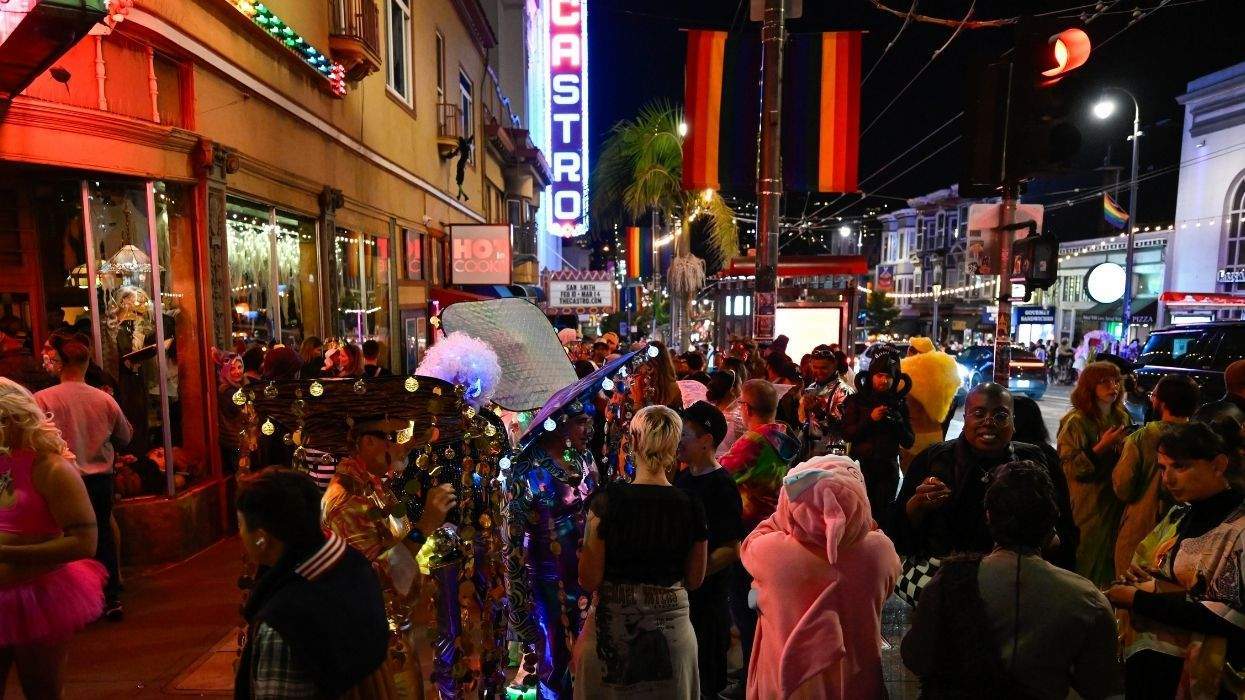

Gay bars in San Francisco have discontinued the use of artificial intelligence-assisted face scanning technology after the community raised privacy concerns.
Both Badlands and Toad Hall announced on Saturday they would stop using Patronscan technology, according to the San Francisco Chronicle.
“Effective immediately, we are pausing the use of Patronscan while we review our ID verification and security practices,” Brian Aranda, director of operations at both bars, told the newspaper in a statement. “Our security teams will continue to thoroughly check IDs manually during this time. We appreciate everyone who has shared their concerns and remain committed to providing a safe and welcoming environment for all.”
Related: Why are San Francisco gay bars scanning patrons’ faces?
The Castro District bars sparked anger and scrutiny when the security measures were first deployed earlier this year, especially among LGBTQ+ patrons of establishments often seen as havens for those not publicly out.
Controversy intensified after reporting by the San Francisco Gazetteer. The publication also reported on the use of AI-assisted recognition software at The Mix, where managers have defended the screening technology with local press. "It keeps my customers safe. We've had no bar fights, vandalism and theft is down," a general manager told a Bay Area NBC affiliate in June.
The Mix has not made any announcements about the use of the technology since concerns were first raised.
The technology is intended to flag fake IDs and identify individuals with a history of causing violence at the clubs. Signage has told patrons before they enter that the technology will be used, though many visitors told the Gazetteer they were unaware images of them would be taken and stored until they were in front of a camera themselves.
Among privacy advocates, the use of Patronscan’s technology has raised concerns for years. The OneZero blog on Medium documented as early as 2019 how Patronscan had been marketed as a security system but was also being used by the technology company to track consumer data at establishments that had implemented the screening systems.
But the use of such surveillance technology at businesses catering specifically to LGBTQ+ customers has attracted special attention. Controversy over the technology has become particularly acute at a time when the Justice Department under President Donald Trump has fought hospitals in court for lists of transgender patients.
Related: Want to support LGBTQ+ businesses? There's an app for that
"It's really not a safe time to start making databases of queer people that could be accessed by the Trump administration, by a private company, by a bad actor," Evan Greer, digital director of Fight for the Future, told the NBC outlet.
The California Legislature has launched investigations of the business model and whether it complies with the Golden State’s privacy laws, according to the Electronic Frontier Foundation.
The tech company has addressed such questions in a website FAQ section on its website, which claims, “Patronscan does not do facial recognition in North America, or any kind of automated analysis of the ID or the live photo image.” The site also said information is only stored in databases for a limited time, about 21 days in the U.S., primarily for use of law enforcement during investigation of crimes. The company said it does not sell or give away any data to third parties.
The technology used in San Francisco complies with California law, according to the company. “The law specifically permits Patronscan’s customers to use Patronscan kiosks to prevent underage drinking and the use of fake identification. Additionally, collecting and disclosing an individual’s personal information is clearly permitted by the statute to report, investigate, or prevent ‘abuse, fraud and material misrepresentation,’” the website states.