'%3E%3Cpath d='M16.3574 35.6519H12.9537L15.0491 18.8873L16.3574 35.6519ZM30.4229 54.0093L22.309 0.994385H7.91795L0 54.0093H10.6634L11.5802 46.3855H17.4014L17.9914 54.0093H30.4229Z' fill='%23971B20'/%3E%3Cpath d='M48.2073 41.8813C48.2073 43.4049 47.4892 44.0011 46.1144 44.0011H43.7595V11.0687H46.1144C47.4892 11.0687 48.2073 11.6636 48.2073 13.1885V41.8813ZM59.5273 43.6695V11.3326C59.5273 3.71323 53.5729 0.994385 47.8157 0.994385H31.7213V54.0093H47.8157C53.5729 54.0093 59.5273 51.29 59.5273 43.6695Z' fill='%23971B20'/%3E%3Cpath d='M90.183 0.994385H78.6039L75.0711 30.6157L71.9955 0.994385H59.4346L69.2474 54.0093H80.373L90.183 0.994385Z' fill='%23971B20'/%3E%3Cpath d='M107.063 42.3448C107.063 43.7359 105.951 44.5974 104.643 44.5974C103.269 44.5974 102.157 43.7359 102.157 42.3448V12.658C102.157 11.2676 103.269 10.4058 104.643 10.4058C105.951 10.4058 107.063 11.2676 107.063 12.658V42.3448ZM119.233 43.2723V11.7312C119.233 6.36384 112.952 -3.8147e-06 104.643 -3.8147e-06C96.2667 -3.8147e-06 89.9867 6.36384 89.9867 11.7312V43.2723C89.9867 48.6393 96.2667 55 104.643 55C112.952 55 119.233 48.6393 119.233 43.2723Z' fill='%23971B20'/%3E%3Cpath d='M150.976 43.9349V33.7309H139.069V42.3448C139.069 43.7359 137.957 44.5974 136.582 44.5974C135.076 44.5974 133.964 43.7359 133.964 42.3448V12.658C133.964 11.2676 135.076 10.4058 136.582 10.4058C137.957 10.4058 139.069 11.2676 139.069 12.658V21.2723H150.976V11.0687C150.976 5.70107 145.283 -3.8147e-06 136.582 -3.8147e-06C127.75 -3.8147e-06 121.796 5.70107 121.796 11.0687V43.9349C121.796 49.3022 127.75 55 136.582 55C145.283 55 150.976 49.3022 150.976 43.9349Z' fill='%23971B20'/%3E%3Cpath d='M167.478 35.6519H164.076L166.17 18.8873L167.478 35.6519ZM181.544 54.0093L173.432 0.994385H159.037L151.123 54.0093H161.785L162.704 46.3855H168.523L169.114 54.0093H181.544Z' fill='%23971B20'/%3E%3Cpath d='M205.412 10.4058V0.994385H177.081V10.4058H185.392V54.0093H197.428V10.4058H205.412Z' fill='%23971B20'/%3E%3Cpath d='M230.002 54.0093V43.9349H218.914V31.8746H226.635V21.8028H218.914V10.4058H230.002V0.994385H206.875V54.0093H230.002Z' fill='%23971B20'/%3E%3C/g%3E%3Cdefs%3E%3CclipPath id='clip0_260_7080'%3E%3Crect width='230' height='55' fill='white'/%3E%3C/clipPath%3E%3C/defs%3E%3C/svg%3E)
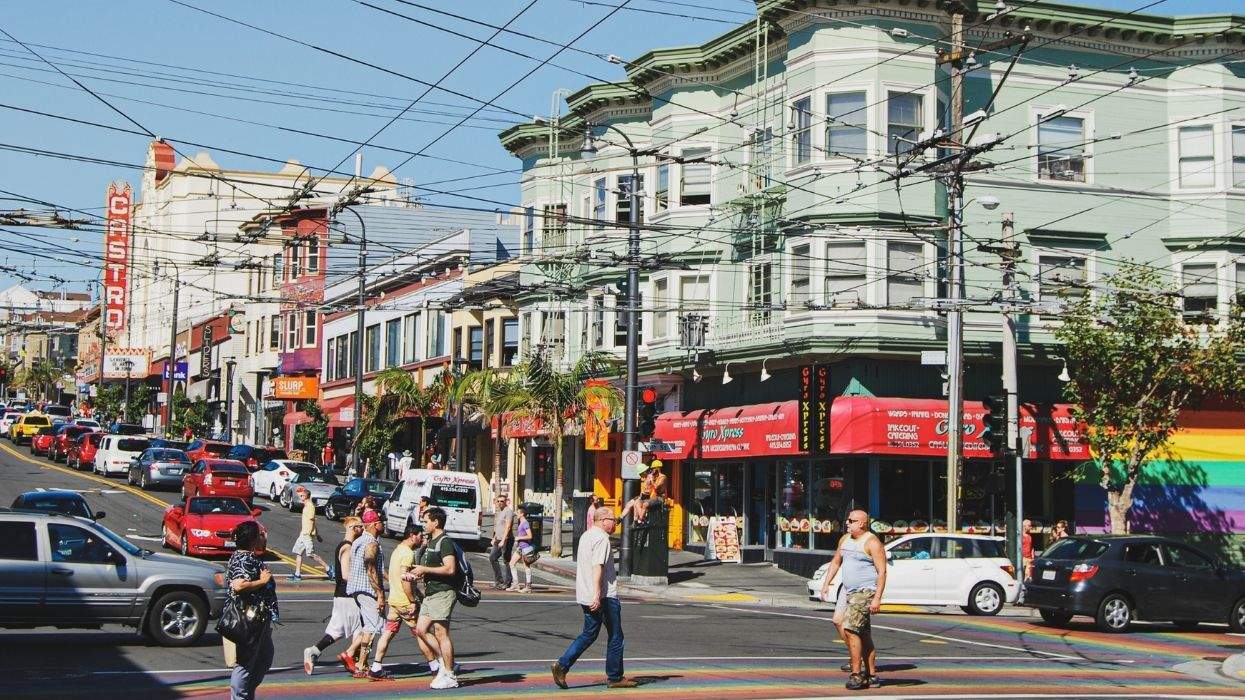

The use of facial-scanning technology at several San Francisco gay bars has angered many in the LGBTQ+ community. At locations often frequented by people who are not publicly out, the notion of tracking patrons' whereabouts in the very havens sought for privacy raises many alarms.
At least three gay bars in the Castro District have started using Patronscan Guard+, a technology intended to flag fake IDs, according to the San Francisco Gazetteer. But the experience of having a camera turned on every person entering the venues, often without warning, has left many outraged.
Hart Owen told the outlet that she considers the surveillance technology a serious risk to privacy. “It’s really not great to have lists of gay people,” they said.
Management at Mix, Badlands, and Toad Hall declined to speak to the Gazetteer about the issue, though bouncers pointed reporters to signage informing guests that the technology was being used.
Related: Could Minneapolis welcome bathhouses back for the first time since the late 1980s?
The Patronscan website offers insight into how the data can be used. The technology, according to the company, goes beyond simple document checks to validate identification and includes third-party checks. Those could flag people wanted by law enforcement or those appearing on sex offender registries. The company said it uses more than 8,500 forensic checks for every ID card scanned in bars, cross-referencing information to verify ages and names with listed addresses, “giving your front-of-house team real-time access to the patron intelligence they need.”
The site also addresses privacy concerns.
“We know this is one of the first questions operators ask, and we want to be clear: when a Third-Party Check runs, we use only the guest’s name and address to compare against publicly available information, such as confirming that an address exists and is valid,” the site reads. “No guest data is stored or sold as part of this feature.”
But the bouncer who spoke to the Gazetteer said guests' facial scans would be stored for up to 30 days and then deleted in most cases. However, if guests engage in problematic behavior, such as starting fights or stealing from the bar, the establishment may retain the information indefinitely to flag those patrons if they return after being barred from the venue.
The company said the technology is in use in more than 700 cities around the world. But it has already become the subject of litigation, including a class-action lawsuit in Illinois. Plaintiff Erica Normal sued Servall Biometrics, the company behind Patronscan, alleging it illegally collected and used facial recognition data without obtaining consent, in violation of state privacy laws, according to Legal Newsline.
Owen said the concern is especially concerning at bars that cater to an LGBTQ+ population.
“Why is this at a gay bar, of all places?” she told the Gazetteer.