'%3E%3Cpath d='M16.3574 35.6519H12.9537L15.0491 18.8873L16.3574 35.6519ZM30.4229 54.0093L22.309 0.994385H7.91795L0 54.0093H10.6634L11.5802 46.3855H17.4014L17.9914 54.0093H30.4229Z' fill='%23971B20'/%3E%3Cpath d='M48.2073 41.8813C48.2073 43.4049 47.4892 44.0011 46.1144 44.0011H43.7595V11.0687H46.1144C47.4892 11.0687 48.2073 11.6636 48.2073 13.1885V41.8813ZM59.5273 43.6695V11.3326C59.5273 3.71323 53.5729 0.994385 47.8157 0.994385H31.7213V54.0093H47.8157C53.5729 54.0093 59.5273 51.29 59.5273 43.6695Z' fill='%23971B20'/%3E%3Cpath d='M90.183 0.994385H78.6039L75.0711 30.6157L71.9955 0.994385H59.4346L69.2474 54.0093H80.373L90.183 0.994385Z' fill='%23971B20'/%3E%3Cpath d='M107.063 42.3448C107.063 43.7359 105.951 44.5974 104.643 44.5974C103.269 44.5974 102.157 43.7359 102.157 42.3448V12.658C102.157 11.2676 103.269 10.4058 104.643 10.4058C105.951 10.4058 107.063 11.2676 107.063 12.658V42.3448ZM119.233 43.2723V11.7312C119.233 6.36384 112.952 -3.8147e-06 104.643 -3.8147e-06C96.2667 -3.8147e-06 89.9867 6.36384 89.9867 11.7312V43.2723C89.9867 48.6393 96.2667 55 104.643 55C112.952 55 119.233 48.6393 119.233 43.2723Z' fill='%23971B20'/%3E%3Cpath d='M150.976 43.9349V33.7309H139.069V42.3448C139.069 43.7359 137.957 44.5974 136.582 44.5974C135.076 44.5974 133.964 43.7359 133.964 42.3448V12.658C133.964 11.2676 135.076 10.4058 136.582 10.4058C137.957 10.4058 139.069 11.2676 139.069 12.658V21.2723H150.976V11.0687C150.976 5.70107 145.283 -3.8147e-06 136.582 -3.8147e-06C127.75 -3.8147e-06 121.796 5.70107 121.796 11.0687V43.9349C121.796 49.3022 127.75 55 136.582 55C145.283 55 150.976 49.3022 150.976 43.9349Z' fill='%23971B20'/%3E%3Cpath d='M167.478 35.6519H164.076L166.17 18.8873L167.478 35.6519ZM181.544 54.0093L173.432 0.994385H159.037L151.123 54.0093H161.785L162.704 46.3855H168.523L169.114 54.0093H181.544Z' fill='%23971B20'/%3E%3Cpath d='M205.412 10.4058V0.994385H177.081V10.4058H185.392V54.0093H197.428V10.4058H205.412Z' fill='%23971B20'/%3E%3Cpath d='M230.002 54.0093V43.9349H218.914V31.8746H226.635V21.8028H218.914V10.4058H230.002V0.994385H206.875V54.0093H230.002Z' fill='%23971B20'/%3E%3C/g%3E%3Cdefs%3E%3CclipPath id='clip0_260_7080'%3E%3Crect width='230' height='55' fill='white'/%3E%3C/clipPath%3E%3C/defs%3E%3C/svg%3E)

We are truly in a Dickensian era for HIV prevention advocates: both the best and worst of times. The science is giving us more options. Our politics could leave people with fewer. That stark contradiction, and reality check, sits at the heart of observances like National PrEP Day last weekend, on October 10.
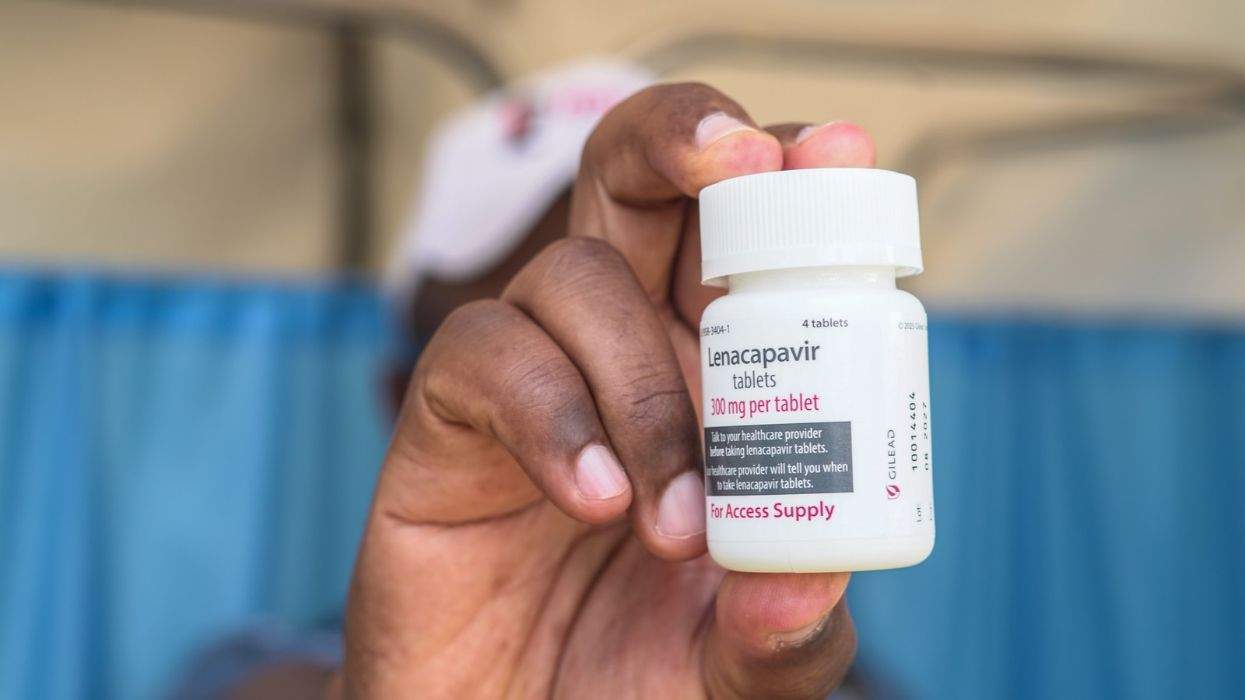
More than 14 years after the FDA approved the first pre-exposure prophylaxis, aka PrEP, innovations abound. PrEP is the medication that HIV-negative people can take to prevent acquiring HIV, making it one of the most powerful tools we have to end the epidemic. Not a fan of a daily pill? Long-acting injectable versions are now FDA-approved, including one that lasts for six months. Not a fan of injections? A promising new monthly pill may be on the way. When taken as prescribed, PrEP is 99% effective at preventing HIV transmission through sex.
What’s more, “TelePrEP” options are more popular and accessible than ever: MISTR touts access for over 100,000 individuals, Grindr just acquired Freddie to offer PrEP to its platform users, and QCare+ and more continue to bring PrEP directly to people and new audiences. Despite all of this, in-person healthcare support remains the primary pathway to PrEP access in America, and real-life human connection is essential for many of our communities’ most vulnerable people. That’s why community-based clinics remain the foundation of the HIV prevention response in America, and advocates have made enormous progress for us, including passing state legislation to allow pharmacists to prescribe and distribute PrEP.
Innovation is encouraging, but on its own, it is unlikely to create equitable access as we face the worst attacks on our HIV and healthcare infrastructure in our history.
A six-month injection cannot replace a closed clinic. A telehealth appointment cannot, on its own, repair a broken coverage system. Innovation gives us more ways to prevent HIV; but sustained public investment helps determine who gets to use these life-saving products of innovation.
Recently, the Trump Administration ended community-based HIV prevention funding that amfAR has estimated will result in thousands of unnecessary HIV infections and generate over $1 billion in unnecessary medical costs over the next ten years. It will also directly harm essential community-led PrEP services and awareness building. This attack on community clinics adds to stress posed by nearly $800 million in cuts to domestic HIV prevention funding proposed by the House majority, and the elimination of healthcare for millions of individuals on Medicaid, a vital public payer that has been independently associated with increasing PrEP uptake. Globally, US support for PrEP has been all but eliminated, with a recent survey showing that over 55% of funded clinics have experienced critical HIV testing and PrEP stockouts.
Even the promise of future innovation is under attack, as New York Times reporting shows efforts to dismantle NIH-funded clinical trial networks that produced much of the science behind our current PrEP toolbox.
So how do we, on this National PrEP Day, fight against the worst and uplift the best?
As in all troubled times in our field, it’s community-led advocacy that will remain a guiding star. Over the past three years, the Save HIV Funding campaign, which PrEP4All co-leads, has pushed back over $3.5 billion in proposed cuts to domestic HIV funding, including nearly $1 billion in proposed cuts to CDC HIV prevention programs in the FY2026 House appropriations bill alone. We are, alongside our partners in the field, fighting aggressively against the attacks on community-based HIV prevention services. And we have helped prevent billions in global HIV aid from expiring.
But that’s all playing defense. What about the offense: a vision for the future?
Since our founding in 2018, PrEP4All has advocated for a National PrEP Program that would specifically expand access for a growing population of un- and underinsured individuals in the US and address the most common barriers to PrEP access. Informed by years of discussions with experts and community leaders, it would provide the connective tissue needed to fill health system gaps, while opening pathways to innovative new PrEP regimens and access strategies, including telehealth.
This vision requires a federally funded commitment that communities can count on. A National PrEP Program should make prevention accessible regardless of insurance status or ZIP code, with community-led organizations helping shape how it works. Fortunately, four congressional PrEP bills have been introduced that together could point to a modern model of PrEP delivery that brings prevention into telehealth platforms, pharmacies, community organizations, health centers, and other settings where people already seek care, while reducing financial and logistical barriers.
On National PrEP Day, we recommit to a community-led vision of PrEP access. While we celebrate innovation, we must ask a harder question: what does a breakthrough mean to someone who still cannot access it? Our measure of success must be who can actually get PrEP and stay connected to care. We cannot celebrate the future of HIV prevention while allowing its foundation to be dismantled.
About the Author: Jeremiah Johnson is a leading HIV policy advocate, public health watchdog, and co-founder of Save HIV Funding, a national coalition working to protect federal investments in HIV prevention, treatment, research, and care. A longtime voice in the fight to end the HIV epidemic, Johnson has emerged as a leading watchdog of federal HIV policy, holding government agencies, policymakers, and institutions accountable for decisions that threaten public health infrastructure and decades of scientific progress. His work focuses on exposing gaps in policy, challenging institutional failures, and advancing equitable access to lifesaving HIV services.
Opinion is dedicated to featuring a wide range of inspiring personal stories and impactful opinions from the LGBTQ+ community and its allies. Visit Advocate.com/submit to learn more about submission guidelines. We welcome your thoughts and feedback on any of our stories. Email us at voices@equalpride.com. Views expressed in Voices stories are those of the guest writers, columnists, and editors, and do not directly represent the views of The Advocate or our parent company, equalpride.