'%3E%3Cpath d='M16.3574 35.6519H12.9537L15.0491 18.8873L16.3574 35.6519ZM30.4229 54.0093L22.309 0.994385H7.91795L0 54.0093H10.6634L11.5802 46.3855H17.4014L17.9914 54.0093H30.4229Z' fill='%23971B20'/%3E%3Cpath d='M48.2073 41.8813C48.2073 43.4049 47.4892 44.0011 46.1144 44.0011H43.7595V11.0687H46.1144C47.4892 11.0687 48.2073 11.6636 48.2073 13.1885V41.8813ZM59.5273 43.6695V11.3326C59.5273 3.71323 53.5729 0.994385 47.8157 0.994385H31.7213V54.0093H47.8157C53.5729 54.0093 59.5273 51.29 59.5273 43.6695Z' fill='%23971B20'/%3E%3Cpath d='M90.183 0.994385H78.6039L75.0711 30.6157L71.9955 0.994385H59.4346L69.2474 54.0093H80.373L90.183 0.994385Z' fill='%23971B20'/%3E%3Cpath d='M107.063 42.3448C107.063 43.7359 105.951 44.5974 104.643 44.5974C103.269 44.5974 102.157 43.7359 102.157 42.3448V12.658C102.157 11.2676 103.269 10.4058 104.643 10.4058C105.951 10.4058 107.063 11.2676 107.063 12.658V42.3448ZM119.233 43.2723V11.7312C119.233 6.36384 112.952 -3.8147e-06 104.643 -3.8147e-06C96.2667 -3.8147e-06 89.9867 6.36384 89.9867 11.7312V43.2723C89.9867 48.6393 96.2667 55 104.643 55C112.952 55 119.233 48.6393 119.233 43.2723Z' fill='%23971B20'/%3E%3Cpath d='M150.976 43.9349V33.7309H139.069V42.3448C139.069 43.7359 137.957 44.5974 136.582 44.5974C135.076 44.5974 133.964 43.7359 133.964 42.3448V12.658C133.964 11.2676 135.076 10.4058 136.582 10.4058C137.957 10.4058 139.069 11.2676 139.069 12.658V21.2723H150.976V11.0687C150.976 5.70107 145.283 -3.8147e-06 136.582 -3.8147e-06C127.75 -3.8147e-06 121.796 5.70107 121.796 11.0687V43.9349C121.796 49.3022 127.75 55 136.582 55C145.283 55 150.976 49.3022 150.976 43.9349Z' fill='%23971B20'/%3E%3Cpath d='M167.478 35.6519H164.076L166.17 18.8873L167.478 35.6519ZM181.544 54.0093L173.432 0.994385H159.037L151.123 54.0093H161.785L162.704 46.3855H168.523L169.114 54.0093H181.544Z' fill='%23971B20'/%3E%3Cpath d='M205.412 10.4058V0.994385H177.081V10.4058H185.392V54.0093H197.428V10.4058H205.412Z' fill='%23971B20'/%3E%3Cpath d='M230.002 54.0093V43.9349H218.914V31.8746H226.635V21.8028H218.914V10.4058H230.002V0.994385H206.875V54.0093H230.002Z' fill='%23971B20'/%3E%3C/g%3E%3Cdefs%3E%3CclipPath id='clip0_260_7080'%3E%3Crect width='230' height='55' fill='white'/%3E%3C/clipPath%3E%3C/defs%3E%3C/svg%3E)
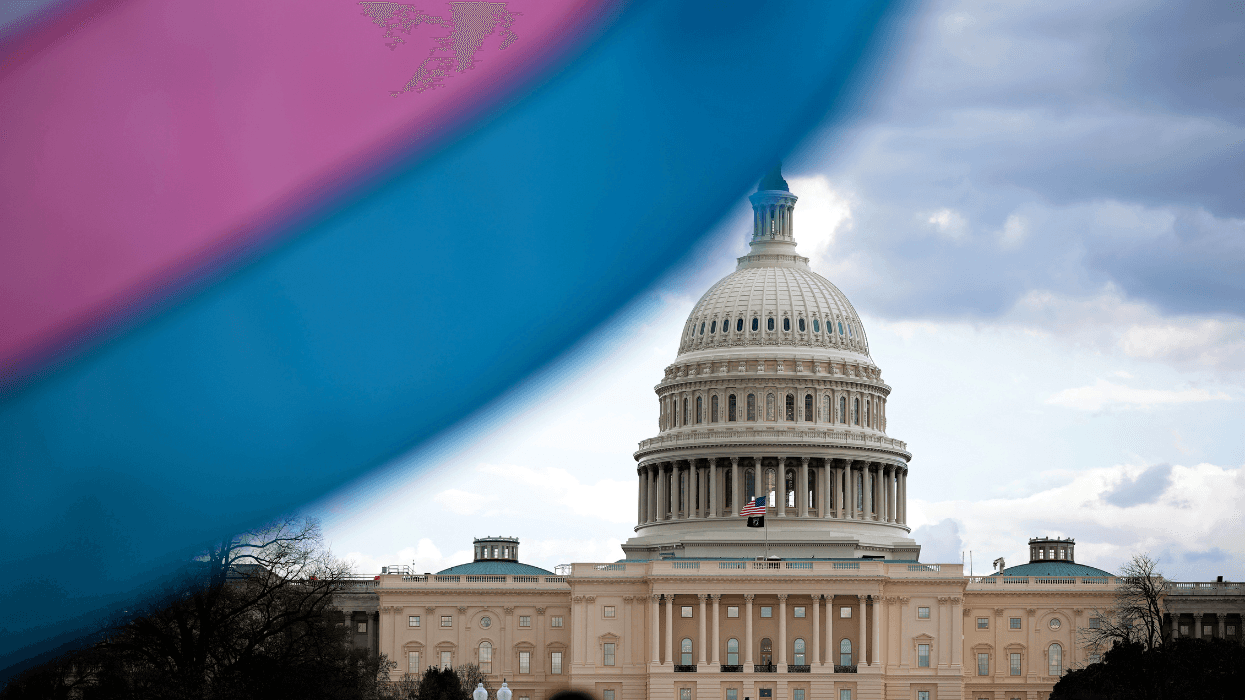
In 2004, a coordinated wave of ballot initiatives against marriage equality swept the country, leaving a trail of political wreckage for our community and the entire nation. That same playbook is back for the 2026 midterm elections, and just like more than two decades ago, it’s not about public safety or protecting children, it’s about political power.
As LGBTQ movement leaders with decades of advocacy experience, we need to loudly sound the alarm because transgender people face a coordinated assault on this year's ballots in five states.
Transgender people are family, friends, colleagues, and fellow Americans. We must connect our values to our votes. No one’s humanity, privacy, and health decisions should be put up for majority vote. Our community and allies must show up to vote for everyone’s right to be themselves, be safe, and be free, every time, everywhere.
While this year’s crop of proposals attempts to codify cruelty against hard-working transgender Americans, history tells us these measures are also threats against the lives and liberties of all LGBTQ people.
In 2004, ballot initiatives that sought to ban marriage equality in state constitutions were dropped into 11 states, including critical swing states like Georgia and Michigan. All 11 bans passed. Disproportionate attention and fear tactics around marriage equality also drove anti-equality voters to the polls, and helped them secure the presidency and Congress. The fallout was generational with the re-elected President Bush nominating virulently anti-LGBTQ Samuel Alito to the Supreme Court, and John Roberts as Chief Justice.
Fast forward to 2026. Targeted questions in Arizona, Colorado, Missouri, Nebraska, and Washington ask voters to roll back protections and enshrine discrimination against transgender people into state law. These states and the underlying efforts during this midterm cycle also serve as testing grounds for the 2028 Presidential election. Political operatives will stress-test field operations, build voter databases, and perfect fear-based messaging. They will seek out which disinformation about LGBTQ people can flip a swing district. If the strategy succeeds in November, it will scale nationwide in 2028.
Our community has come through times like this safer and more free, but ballot measures are a unique threat, and we must work to defeat each one.
In Missouri, a proposed all-or-nothing constitutional amendment enshrines a ban on healthcare for transgender young people, along with stringent restrictions on abortion, seeking to roll back the reproductive rights that state voters approved just two years ago. As we carefully monitor the fallout of the Supreme Court’s recent dishonorable decision to uphold state bans on transgender women in sports, voters in Arizona, Colorado, Nebraska, and Washington will be asked to enshrine the exclusion of transgender students into state constitutions. These bans open a terrifying door to invasive enforcement tactics like anatomy exams and other gender inspections on any woman or girl who wants to play.
Washington will also include a measure that forces schools to out LGBTQ students to parents, and endanger other vulnerable students by requiring reporting back about allegations of abuse, even to abusers. Everyone who has come out knows how dangerous this is. Young people should come out on their own terms and confide in people they trust. Success in Washington could result in similar efforts in other states.
Politicians and special interest groups behind these efforts are eager to distract voters from their failures. While they are spreading disinformation about transgender Americans, they are not fixing rising costs of living or issues that impact the daily lives of We the People.
These anti-LGBTQ candidates and activists do not just bank on fear tactics and disinformation. They are also counting on your apathy.
Any gay, lesbian, or bisexual person who believes that rolling back rights of transgender people will not impact their lives has forgotten the most painful lessons of our movement. A politician, activist, or ballot initiative going after “they/them” is also not for “us,” or for “you.”
If the anti-equality playbook successfully turns out voters, the 2028 election cycle will be flooded with divisive proposals to ban inclusive books, erase LGBTQ families from classrooms, and roll back everything from enshrined reproductive freedom to employment nondiscrimination.
Fortunately, voters are waking up to how candidates scapegoat our community as a political tactic. In recent elections, voters in New Jersey and Virginia soundly rejected candidates who ran on anti-transgender platforms. We need voters to see this year’s polarizing initiatives through the same lens.
In our nation’s 250th year, American democracy is at a crossroads. We cannot let candidates subvert the democratic process against LGBTQ Americans again. We need voters to make their choices with eyes and hearts open, up and down the ballot. It’s time to be united and make our country a place where every LGBTQ person and family is welcome, safe, and free. When they come for one of us, they come for all of us.
Shelby Chestnut is executive director of Transgender Law Center. Sarah Kate Ellis is president and CEO of GLAAD. Kevin Jennings is CEO of Lambda Legal. Andy Marra is CEO of Advocates for Trans Equality. Kelley Robinson is president of the Human Rights Campaign.
Opinion is dedicated to featuring a wide range of inspiring personal stories and impactful opinions from the LGBTQ+ community and its allies. Visit Advocate.com/submit to learn more about submission guidelines. We welcome your thoughts and feedback on any of our stories. Email us at voices@equalpride.com. Views expressed in Voices stories are those of the guest writers, columnists, and editors, and do not directly represent the views of The Advocate or our parent company, equalpride.