'%3E%3Cpath d='M16.3574 35.6519H12.9537L15.0491 18.8873L16.3574 35.6519ZM30.4229 54.0093L22.309 0.994385H7.91795L0 54.0093H10.6634L11.5802 46.3855H17.4014L17.9914 54.0093H30.4229Z' fill='%23971B20'/%3E%3Cpath d='M48.2073 41.8813C48.2073 43.4049 47.4892 44.0011 46.1144 44.0011H43.7595V11.0687H46.1144C47.4892 11.0687 48.2073 11.6636 48.2073 13.1885V41.8813ZM59.5273 43.6695V11.3326C59.5273 3.71323 53.5729 0.994385 47.8157 0.994385H31.7213V54.0093H47.8157C53.5729 54.0093 59.5273 51.29 59.5273 43.6695Z' fill='%23971B20'/%3E%3Cpath d='M90.183 0.994385H78.6039L75.0711 30.6157L71.9955 0.994385H59.4346L69.2474 54.0093H80.373L90.183 0.994385Z' fill='%23971B20'/%3E%3Cpath d='M107.063 42.3448C107.063 43.7359 105.951 44.5974 104.643 44.5974C103.269 44.5974 102.157 43.7359 102.157 42.3448V12.658C102.157 11.2676 103.269 10.4058 104.643 10.4058C105.951 10.4058 107.063 11.2676 107.063 12.658V42.3448ZM119.233 43.2723V11.7312C119.233 6.36384 112.952 -3.8147e-06 104.643 -3.8147e-06C96.2667 -3.8147e-06 89.9867 6.36384 89.9867 11.7312V43.2723C89.9867 48.6393 96.2667 55 104.643 55C112.952 55 119.233 48.6393 119.233 43.2723Z' fill='%23971B20'/%3E%3Cpath d='M150.976 43.9349V33.7309H139.069V42.3448C139.069 43.7359 137.957 44.5974 136.582 44.5974C135.076 44.5974 133.964 43.7359 133.964 42.3448V12.658C133.964 11.2676 135.076 10.4058 136.582 10.4058C137.957 10.4058 139.069 11.2676 139.069 12.658V21.2723H150.976V11.0687C150.976 5.70107 145.283 -3.8147e-06 136.582 -3.8147e-06C127.75 -3.8147e-06 121.796 5.70107 121.796 11.0687V43.9349C121.796 49.3022 127.75 55 136.582 55C145.283 55 150.976 49.3022 150.976 43.9349Z' fill='%23971B20'/%3E%3Cpath d='M167.478 35.6519H164.076L166.17 18.8873L167.478 35.6519ZM181.544 54.0093L173.432 0.994385H159.037L151.123 54.0093H161.785L162.704 46.3855H168.523L169.114 54.0093H181.544Z' fill='%23971B20'/%3E%3Cpath d='M205.412 10.4058V0.994385H177.081V10.4058H185.392V54.0093H197.428V10.4058H205.412Z' fill='%23971B20'/%3E%3Cpath d='M230.002 54.0093V43.9349H218.914V31.8746H226.635V21.8028H218.914V10.4058H230.002V0.994385H206.875V54.0093H230.002Z' fill='%23971B20'/%3E%3C/g%3E%3Cdefs%3E%3CclipPath id='clip0_260_7080'%3E%3Crect width='230' height='55' fill='white'/%3E%3C/clipPath%3E%3C/defs%3E%3C/svg%3E)


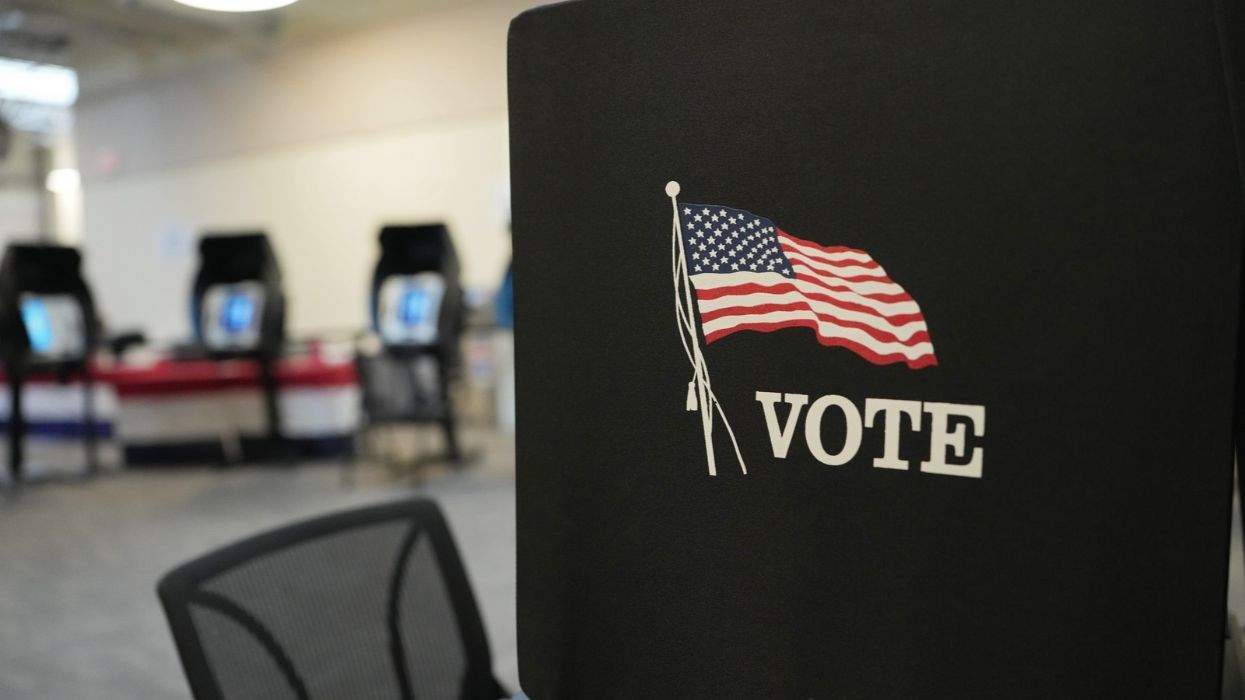
On November 3, your family is on the ballot across America. You might think I’m exaggerating, but I’m not.
Yes, this year’s election is a big one: There are 435 seats available in the House of Representatives, 35 U.S. Senate seats, and 36 state governorships up for grabs. No doubt, you’ve heard the media’s near endless coverage of these races, but there are much less flashy — though equally as, if not more, important — categories on the ballot that voters often skim past.
The first category is ballot measures. According to the Ballot Initiative Strategy Center, 145 certified measures are on the ballot for this November, and its research finds that voters unsure of a measure's intent are more likely to skip it or vote no. That is understandable! Ballot measures as written can be difficult to understand, and you might not be sure what the stakes are or what your vote will accomplish.
Sometimes, this is intentional. In fact, earlier this year, a Missouri court had to rewrite the summary of Amendment 3 — a ballot measure that repeals a voter-approved reproductive rights amendment and pairs that repeal with a ban on gender transition care for minors — so voters accurately understood it.
But just because ballot measures might be worded in a confusing way doesn’t mean they don’t matter or should be ignored. In case you still don’t believe me, look at Virginia. This November, voters will consider a ballot measure removing a dormant same-sex marriage ban from the state constitution.
Arizona, Colorado, Nebraska, and Washington, school sports measures are on the ballot, with states aiming to write a definition of female into law — and Washington’s would establish this definition through physical exams and blood tests according to the Ballot Initiative Strategy Center. Measures in Colorado and Missouri would strip families and clinicians of the ability to decide whether transgender youth in their care can receive healthcare.
Before you head to the polls, research what measures are on the ballot where you live. Read opinion pieces and explainers in local newspapers, talk with your neighbors, and determine what those measures mean and how your vote can help the cause for equality.
Then, look at the judges up for election. This is the second key aspect of a ballot that often goes unnoticed or ignored in favor of the more splashy seats open for election. If measures write the policies and values of a community into text, courts — and their judges, specifically — decide what that text means. For example, this January, Wyoming's Supreme Court struck down an abortion ban by relying on a 2012 amendment about health care choices, language written with a different goal in mind.
Thirty-two states hold elections for state supreme court this year, deciding more than 60 judge seats. Retention votes, where a judge faces only a yes or no, tend to be treated as formalities, but they’re not. Just like ballot measures, generic candidate statements can be hard to parse through or even misleading. So, do your research! Look up what incumbent or candidate judges actually think or believe about the law and their job as a judge to interpret the law.
When I say that LGBTQ+ families are on the ballot this November, this is what I mean: Every path to a family runs through decisions about a person’s body. What decisions about our bodies are allowed to be a choice? Who makes that call? All of those questions will be answered by judges who get elected in November.
In Alabama, for example, three seats are available. Two are held by justices who decided, in 2024, that frozen embryos are children — endangering IVF and closing clinics. In Washington, five of nine seats on a court that could hear a challenge to the sports initiative under the state’s equal rights amendment are up at once. In Montana, an open seat could shift a court that has struck down laws restricting abortion, transgender rights, and voter registration.
For a family, the stakes are concrete: whether a marriage is recognized, whether fertility care remains available, whether a parent can make health decisions for a child, and whether protections survive a challenge.
- Find your sample ballot. Scroll past the names at the top, and read the measures and judges below them.
- Then, talk about what you discovered with the people in your family so that they can do the same.
Taking the time to read-up on your state's ballot measures and elected judges is a sure-fire way to exercise your vote and your influence in ways that will have an impact for decades to come.
Vote. Your family and thousands of LGBTQ+ families are counting on it.
Luce Remy is the vice president of Public Policy at Family Equality, a national nonprofit that protects and advances freedoms for LGBTQ+ families. Learn more at familyequality.org.
Opinion is dedicated to featuring a wide range of inspiring personal stories and impactful opinions from the LGBTQ+ community and its allies. Visit Advocate.com/submit to learn more about submission guidelines. We welcome your thoughts and feedback on any of our stories. Email us at voices@equalpride.com. Views expressed in Voices stories are those of the guest writers, columnists, and editors, and do not directly represent the views of The Advocate or our parent company, equalpride.