'%3E%3Cpath d='M16.3574 35.6519H12.9537L15.0491 18.8873L16.3574 35.6519ZM30.4229 54.0093L22.309 0.994385H7.91795L0 54.0093H10.6634L11.5802 46.3855H17.4014L17.9914 54.0093H30.4229Z' fill='%23971B20'/%3E%3Cpath d='M48.2073 41.8813C48.2073 43.4049 47.4892 44.0011 46.1144 44.0011H43.7595V11.0687H46.1144C47.4892 11.0687 48.2073 11.6636 48.2073 13.1885V41.8813ZM59.5273 43.6695V11.3326C59.5273 3.71323 53.5729 0.994385 47.8157 0.994385H31.7213V54.0093H47.8157C53.5729 54.0093 59.5273 51.29 59.5273 43.6695Z' fill='%23971B20'/%3E%3Cpath d='M90.183 0.994385H78.6039L75.0711 30.6157L71.9955 0.994385H59.4346L69.2474 54.0093H80.373L90.183 0.994385Z' fill='%23971B20'/%3E%3Cpath d='M107.063 42.3448C107.063 43.7359 105.951 44.5974 104.643 44.5974C103.269 44.5974 102.157 43.7359 102.157 42.3448V12.658C102.157 11.2676 103.269 10.4058 104.643 10.4058C105.951 10.4058 107.063 11.2676 107.063 12.658V42.3448ZM119.233 43.2723V11.7312C119.233 6.36384 112.952 -3.8147e-06 104.643 -3.8147e-06C96.2667 -3.8147e-06 89.9867 6.36384 89.9867 11.7312V43.2723C89.9867 48.6393 96.2667 55 104.643 55C112.952 55 119.233 48.6393 119.233 43.2723Z' fill='%23971B20'/%3E%3Cpath d='M150.976 43.9349V33.7309H139.069V42.3448C139.069 43.7359 137.957 44.5974 136.582 44.5974C135.076 44.5974 133.964 43.7359 133.964 42.3448V12.658C133.964 11.2676 135.076 10.4058 136.582 10.4058C137.957 10.4058 139.069 11.2676 139.069 12.658V21.2723H150.976V11.0687C150.976 5.70107 145.283 -3.8147e-06 136.582 -3.8147e-06C127.75 -3.8147e-06 121.796 5.70107 121.796 11.0687V43.9349C121.796 49.3022 127.75 55 136.582 55C145.283 55 150.976 49.3022 150.976 43.9349Z' fill='%23971B20'/%3E%3Cpath d='M167.478 35.6519H164.076L166.17 18.8873L167.478 35.6519ZM181.544 54.0093L173.432 0.994385H159.037L151.123 54.0093H161.785L162.704 46.3855H168.523L169.114 54.0093H181.544Z' fill='%23971B20'/%3E%3Cpath d='M205.412 10.4058V0.994385H177.081V10.4058H185.392V54.0093H197.428V10.4058H205.412Z' fill='%23971B20'/%3E%3Cpath d='M230.002 54.0093V43.9349H218.914V31.8746H226.635V21.8028H218.914V10.4058H230.002V0.994385H206.875V54.0093H230.002Z' fill='%23971B20'/%3E%3C/g%3E%3Cdefs%3E%3CclipPath id='clip0_260_7080'%3E%3Crect width='230' height='55' fill='white'/%3E%3C/clipPath%3E%3C/defs%3E%3C/svg%3E)

Maine is fighting a Justice Department subpoena seeking confidential prison records involving a transgender woman housed in a women’s correctional facility.
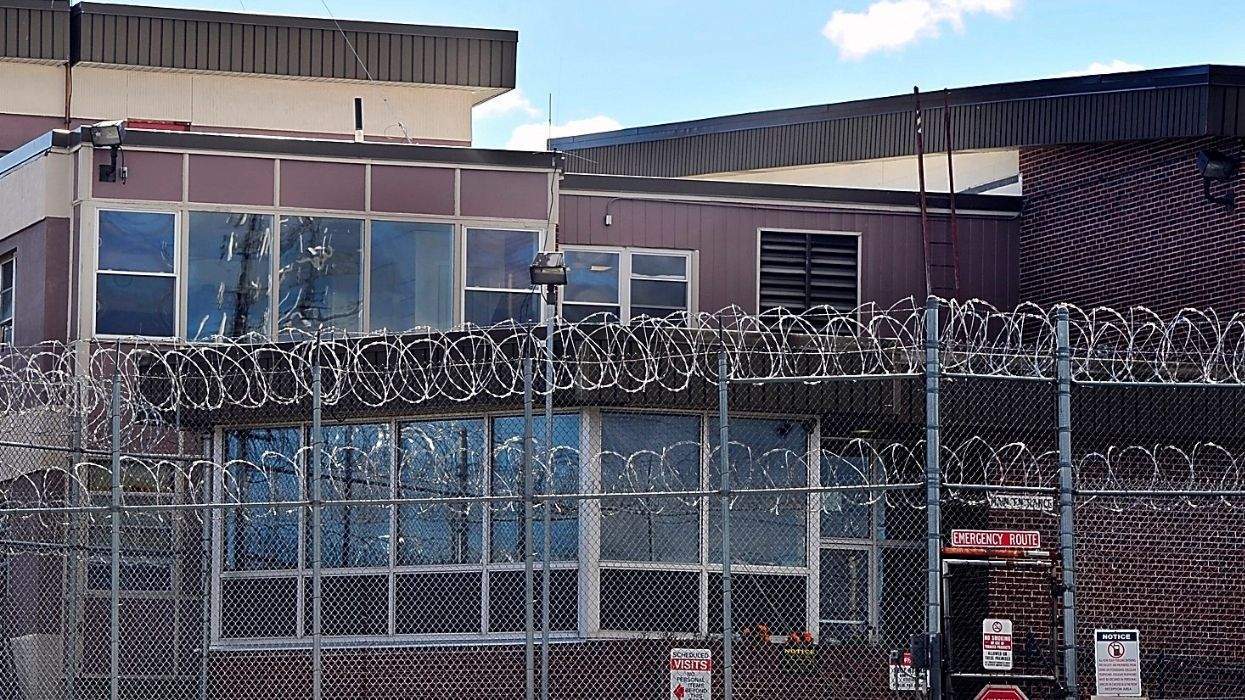
The Maine Attorney General’s Office filed a motion Monday in federal court saying the state prison system cannot turn over the records without a judge’s order because Maine law treats inmate medical, administrative and investigative records as confidential, according to the Portland Press Herald. The records sought by the federal government include information related to Andrea Balcer, a transgender woman incarcerated at the Maine Correctional Center in Windham.
The Justice Department sent the subpoena June 15, seeking all grievances related to Balcer, along with responses and investigative materials from the Maine Department of Corrections, the Press Herald reported. Federal officials also sought Balcer’s prison records, including housing decisions, as well as records involving one inmate who had complained about her. State attorneys said in the filing that it is “possible that USDOJ will seek additional records from MDOC as the investigation progresses.”
Under Maine law, “orders of commitment, medical and administrative records, applications and reports” about incarcerated people are confidential. The Press Herald reported that the protected records would include medical and mental health information and investigative files under the Prison Rape Elimination Act. If a judge orders Maine to comply, the state is asking for a confidentiality order barring the Justice Department from publicly disclosing private information.
The subpoena stems from a March Justice Department investigation into Maine’s policy of housing transgender incarcerated people in facilities aligned with their gender identity. The department also opened an investigation into California’s prison policies at the same time. The DOJ said it was examining whether the states were violating the constitutional rights of women incarcerated in those facilities.
The investigation followed complaints from several women at the Maine Correctional Center who alleged Balcer had sexually harassed them. The women said they complained to the Maine Department of Corrections but that Balcer was not moved. They filed a lawsuit in April against Balcer and prison officials. Balcer did not have an attorney listed in that civil case as of Wednesday, according to the Press Herald.
Corrections Commissioner Randall Liberty told state lawmakers in June that the prison system is complying with state and federal law.
The fight over Maine’s records comes as the Trump administration has pressed federal and state prison systems to disregard transgender prisoners’ gender identity. As The Advocate has reported, Trump’s January 2025 executive order directed federal agencies to recognize only two sexes and required the Bureau of Prisons to house people according to sex assigned at birth. The policy threatened to move transgender women from women’s prisons regardless of their medical history, prior placement decisions, or documented safety concerns.
Related: Trump-appointed judge says DOJ ‘proven unworthy’ of trust in blistering trans care case ruling
But federal courts have repeatedly limited the administration’s efforts to carry out that policy. In June, U.S. District Judge Royce C. Lamberth again blocked the administration from transferring 14 transgender women in federal custody to men’s prisons, finding that the women were likely to succeed in their challenge and faced imminent and irreparable harm if moved.
Lamberth’s order requires the Bureau of Prisons to maintain the women’s current placements in women’s prisons and halfway houses while the case proceeds. The judge found that the plaintiffs had shown a substantial risk of serious harm if transferred, including risks of physical violence, sexual assault, severe psychological distress, self-harm, and suicide.
The court rejected the government’s argument that harms could be addressed after a transfer. Lamberth wrote that it is “fundamentally unreasonable” for prison officials to intentionally create serious risks and then offer to treat the consequences after they occur. The judge also faulted the Bureau of Prisons for adopting a categorical transfer policy without first determining whether individual transgender women could be housed safely in women’s facilities.
The Justice Department has cast Maine’s policy as part of what it calls a broader national trend that endangers cisgender women in custody.
“Keeping men out of women’s prisons is not only common sense – it’s a matter of safety and constitutional rights,” then-Attorney General Pam Bondi said when the investigation was announced in March. “The Trump Administration will not stand by if governors are facilitating the abuse of biological women under the guise of inclusion.”
Assistant Attorney General Harmeet K. Dhillon, who leads the Justice Department’s Civil Rights Division, said the department would investigate whether the states’ policies create unconstitutional risks.
“Under my leadership, the Civil Rights Division will not allow women incarcerated in jails or prisons to be subject to unconstitutional risks of harm from male inmates,” Dhillon said. “These investigations will uncover whether the dangerous national trend of housing men in women’s prisons has resulted in violations of women’s constitutional rights.”