'%3E%3Cpath d='M16.3574 35.6519H12.9537L15.0491 18.8873L16.3574 35.6519ZM30.4229 54.0093L22.309 0.994385H7.91795L0 54.0093H10.6634L11.5802 46.3855H17.4014L17.9914 54.0093H30.4229Z' fill='%23971B20'/%3E%3Cpath d='M48.2073 41.8813C48.2073 43.4049 47.4892 44.0011 46.1144 44.0011H43.7595V11.0687H46.1144C47.4892 11.0687 48.2073 11.6636 48.2073 13.1885V41.8813ZM59.5273 43.6695V11.3326C59.5273 3.71323 53.5729 0.994385 47.8157 0.994385H31.7213V54.0093H47.8157C53.5729 54.0093 59.5273 51.29 59.5273 43.6695Z' fill='%23971B20'/%3E%3Cpath d='M90.183 0.994385H78.6039L75.0711 30.6157L71.9955 0.994385H59.4346L69.2474 54.0093H80.373L90.183 0.994385Z' fill='%23971B20'/%3E%3Cpath d='M107.063 42.3448C107.063 43.7359 105.951 44.5974 104.643 44.5974C103.269 44.5974 102.157 43.7359 102.157 42.3448V12.658C102.157 11.2676 103.269 10.4058 104.643 10.4058C105.951 10.4058 107.063 11.2676 107.063 12.658V42.3448ZM119.233 43.2723V11.7312C119.233 6.36384 112.952 -3.8147e-06 104.643 -3.8147e-06C96.2667 -3.8147e-06 89.9867 6.36384 89.9867 11.7312V43.2723C89.9867 48.6393 96.2667 55 104.643 55C112.952 55 119.233 48.6393 119.233 43.2723Z' fill='%23971B20'/%3E%3Cpath d='M150.976 43.9349V33.7309H139.069V42.3448C139.069 43.7359 137.957 44.5974 136.582 44.5974C135.076 44.5974 133.964 43.7359 133.964 42.3448V12.658C133.964 11.2676 135.076 10.4058 136.582 10.4058C137.957 10.4058 139.069 11.2676 139.069 12.658V21.2723H150.976V11.0687C150.976 5.70107 145.283 -3.8147e-06 136.582 -3.8147e-06C127.75 -3.8147e-06 121.796 5.70107 121.796 11.0687V43.9349C121.796 49.3022 127.75 55 136.582 55C145.283 55 150.976 49.3022 150.976 43.9349Z' fill='%23971B20'/%3E%3Cpath d='M167.478 35.6519H164.076L166.17 18.8873L167.478 35.6519ZM181.544 54.0093L173.432 0.994385H159.037L151.123 54.0093H161.785L162.704 46.3855H168.523L169.114 54.0093H181.544Z' fill='%23971B20'/%3E%3Cpath d='M205.412 10.4058V0.994385H177.081V10.4058H185.392V54.0093H197.428V10.4058H205.412Z' fill='%23971B20'/%3E%3Cpath d='M230.002 54.0093V43.9349H218.914V31.8746H226.635V21.8028H218.914V10.4058H230.002V0.994385H206.875V54.0093H230.002Z' fill='%23971B20'/%3E%3C/g%3E%3Cdefs%3E%3CclipPath id='clip0_260_7080'%3E%3Crect width='230' height='55' fill='white'/%3E%3C/clipPath%3E%3C/defs%3E%3C/svg%3E)

Judges on both U.S. coasts will determine where transgender inmates are housed and what protections from discriminatory treatment they still enjoy. The cases are unfolding as transgender inmates across the nation argue that being housed in prisons inconsistent with their gender identity constitutes cruel and unusual punishment.
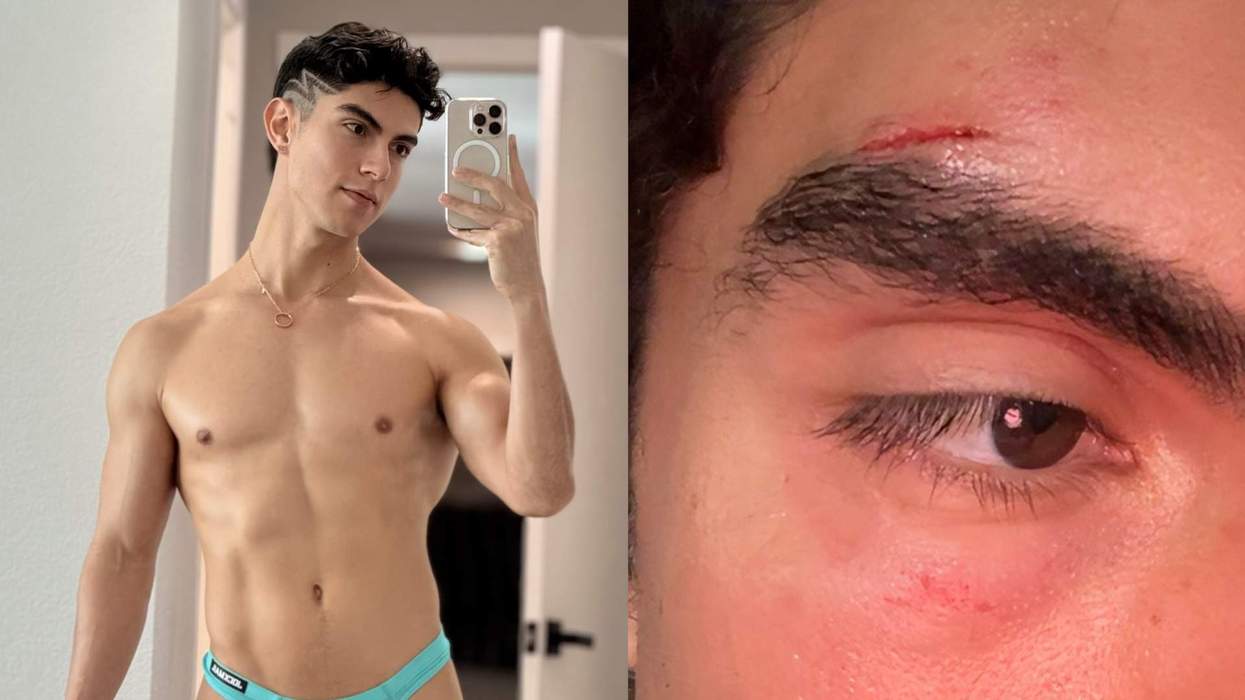
The Washington state Supreme Court this week heard arguments from Amber Kim, a trans woman, who claims the state violated her constitutional rights by transferring her to a men’s prison. The transfer reversed a 2021 decision to move Kim from a men’s facility to a women’s prison after the state enacted a policy guaranteeing incarcerated people access to gender-affirming care, according to The Seattle Times. The state is now one of several under investigation by the Trump administration for housing transgender women in female corrections facilities.
Related: Court rules Trump can’t move transgender women to men’s prisons
Meanwhile, a federal judge in Florida said a trial can proceed regarding the treatment of transgender inmates housed in men’s facilities. However, Chief U.S. District Judge Allen Winsor said the court won’t hear arguments over whether those inmates must have access to hormone therapy and will consider only social accommodations, such as haircuts and grooming standards, citing jurisdictional issues.
Those developments come after a judge in Washington, D.C., this month said the federal Bureau of Prisons must continue providing gender dysphoria medication to transgender inmates, at least for now. U.S. District Judge Royce Lamberth issued an injunction blocking a Trump administration policy that would stop providing hormone therapy to adult inmates.
The same D.C. judge also ruled this month that the Trump administration cannot move forward right now with plans to transfer 14 trans women into a men’s facility. He said that the inmates challenging the move would likely prevail with an argument that such a transfer would constitute cruel and unusual punishment.
That federal case sets a backdrop for the case in Washington. Kim has remained in solitary confinement since her transfer to a male facility, choosing isolation out of fear for her personal safety. She also argues that returning her to a men’s prison constitutes cruel and unusual punishment. The agency transferred her back to a men’s facility after she had sex with a cellmate, something her attorney argued was a “routine infraction” that could have been addressed within the prison rather than by transferring her to a men’s facility and putting her safety at risk.
Related: How Donald Trump transformed the federal government’s treatment of LGBTQ+ Americans
Deputy Solicitor General Emma Grunberg said the state still found the incident to be “problematic sexual activity,” even though there has been no allegation that the encounter was not consensual. But Grunberg also said housing decisions are reviewed routinely.
When the case was argued before the state Supreme Court, Justice G. Helen Whitener questioned why the state handled the matter in a way it would never consider for a cisgender inmate. “Why is DOC’s treatment of Ms. Kim not considered arbitrary?” Whitener asked.
Harmeet Dhillon, who runs the Justice Department’s Civil Rights Division in the Trump administration, sent a letter in May to Washington Gov. Bob Ferguson arguing that the housing of transgender women in women’s facilities violates the rights of cisgender female inmates and that the state “has failed to protect female prisoners from sexual and physical violence, harassment, voyeurism, and intimidation from male prisoners who identify as female.”
The Washington Supreme Court likely will not issue its ruling for months.
The Florida case before Winsor will begin on July 6. The judge said the trial won’t address hormone therapy because provisions have allowed the inmates suing to maintain access to care, even though the written policy still prohibits it. He will consider whether the plaintiffs, who include transgender men and transgender women, must be afforded social accommodations, including “clothing and grooming accommodations.”
Related: Federal judge again blocks Trump from moving trans women into men’s prisons
He also noted that in September 2024, the Florida Department of Corrections changed its policy and stopped providing transgender female inmates with access to makeup, bras, and other accommodations, and stopped allowing them to wear long hair. In allowing the case to go forward, Winsor made clear in an order the threshold plaintiffs must reach to be successful in the case, including proving that Florida officials acted with “subjective recklessness as used in the criminal law,” and knew enforcing the new policy would put inmates “at substantial risk of serious harm.”
“This is a heavy burden, but the ‘whole point’ of the subjective requirement is ‘to isolate those who inflict punishment within the meaning of the Eighth Amendment,’” Winsor wrote.