'%3E%3Cpath d='M16.3574 35.6519H12.9537L15.0491 18.8873L16.3574 35.6519ZM30.4229 54.0093L22.309 0.994385H7.91795L0 54.0093H10.6634L11.5802 46.3855H17.4014L17.9914 54.0093H30.4229Z' fill='%23971B20'/%3E%3Cpath d='M48.2073 41.8813C48.2073 43.4049 47.4892 44.0011 46.1144 44.0011H43.7595V11.0687H46.1144C47.4892 11.0687 48.2073 11.6636 48.2073 13.1885V41.8813ZM59.5273 43.6695V11.3326C59.5273 3.71323 53.5729 0.994385 47.8157 0.994385H31.7213V54.0093H47.8157C53.5729 54.0093 59.5273 51.29 59.5273 43.6695Z' fill='%23971B20'/%3E%3Cpath d='M90.183 0.994385H78.6039L75.0711 30.6157L71.9955 0.994385H59.4346L69.2474 54.0093H80.373L90.183 0.994385Z' fill='%23971B20'/%3E%3Cpath d='M107.063 42.3448C107.063 43.7359 105.951 44.5974 104.643 44.5974C103.269 44.5974 102.157 43.7359 102.157 42.3448V12.658C102.157 11.2676 103.269 10.4058 104.643 10.4058C105.951 10.4058 107.063 11.2676 107.063 12.658V42.3448ZM119.233 43.2723V11.7312C119.233 6.36384 112.952 -3.8147e-06 104.643 -3.8147e-06C96.2667 -3.8147e-06 89.9867 6.36384 89.9867 11.7312V43.2723C89.9867 48.6393 96.2667 55 104.643 55C112.952 55 119.233 48.6393 119.233 43.2723Z' fill='%23971B20'/%3E%3Cpath d='M150.976 43.9349V33.7309H139.069V42.3448C139.069 43.7359 137.957 44.5974 136.582 44.5974C135.076 44.5974 133.964 43.7359 133.964 42.3448V12.658C133.964 11.2676 135.076 10.4058 136.582 10.4058C137.957 10.4058 139.069 11.2676 139.069 12.658V21.2723H150.976V11.0687C150.976 5.70107 145.283 -3.8147e-06 136.582 -3.8147e-06C127.75 -3.8147e-06 121.796 5.70107 121.796 11.0687V43.9349C121.796 49.3022 127.75 55 136.582 55C145.283 55 150.976 49.3022 150.976 43.9349Z' fill='%23971B20'/%3E%3Cpath d='M167.478 35.6519H164.076L166.17 18.8873L167.478 35.6519ZM181.544 54.0093L173.432 0.994385H159.037L151.123 54.0093H161.785L162.704 46.3855H168.523L169.114 54.0093H181.544Z' fill='%23971B20'/%3E%3Cpath d='M205.412 10.4058V0.994385H177.081V10.4058H185.392V54.0093H197.428V10.4058H205.412Z' fill='%23971B20'/%3E%3Cpath d='M230.002 54.0093V43.9349H218.914V31.8746H226.635V21.8028H218.914V10.4058H230.002V0.994385H206.875V54.0093H230.002Z' fill='%23971B20'/%3E%3C/g%3E%3Cdefs%3E%3CclipPath id='clip0_260_7080'%3E%3Crect width='230' height='55' fill='white'/%3E%3C/clipPath%3E%3C/defs%3E%3C/svg%3E)
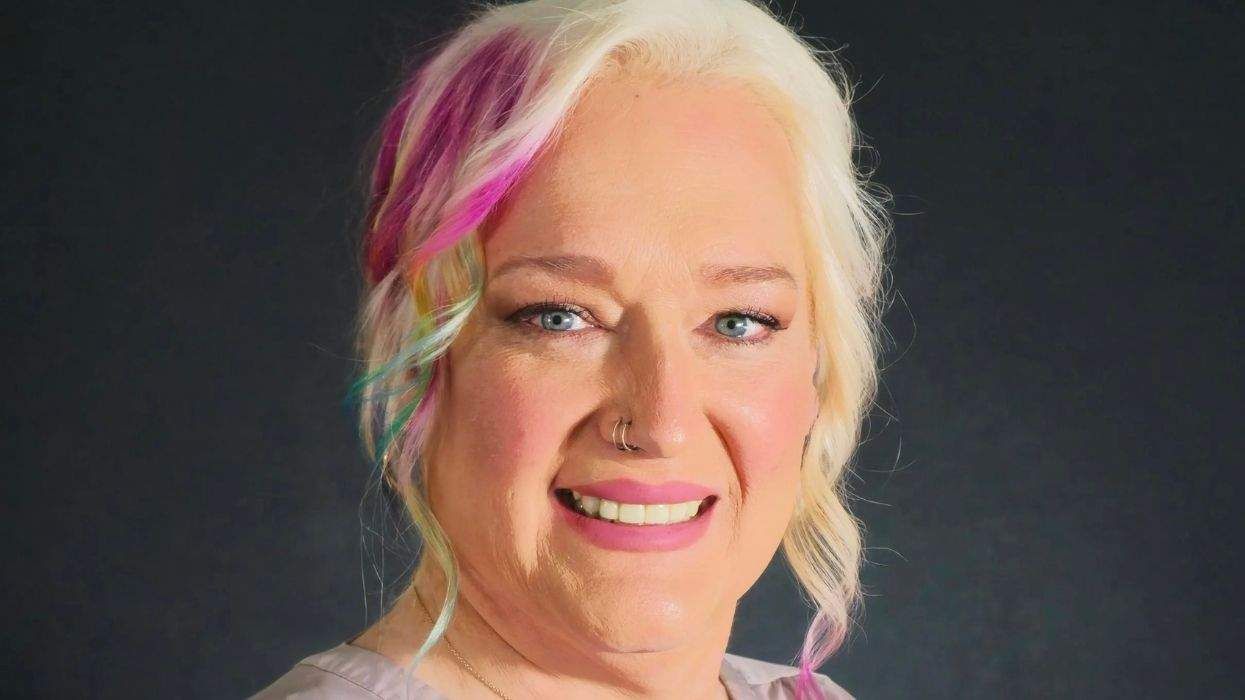
Alleria Stanley, a retired U.S. Army combat veteran and transgender rights advocate, has advanced to the general election for the Maryland House of Delegates, moving one step closer to what LGBTQ+ advocates say would be a first for the state.
Stanley, a Democrat running in Maryland’s Legislative District 4, finished third in a four-way primary for one of the district’s three House seats, according to unofficial results from the Maryland State Board of Elections. In Maryland’s multi-member delegate districts, the top three candidates from each major party advance to the general election.
Andrew Duck led the Democratic field with 6,732 votes, or 28.43 percent, followed by Jerry Donald with 6,477 votes, or 27.35 percent, according to the Maryland State Board of Elections. Stanley received 5,543 votes, or 23.41 percent, defeating Paul Gilligan, who finished fourth with 4,930 votes, or 20.82 percent.
Related: Transgender Army vet running for state delegate in red Maryland district is all about showing up
The LGBTQ+ Victory Fund, which endorsed Stanley, says she would become the first out transgender person elected to the Maryland state legislature if she wins in November.
“This primary victory is not about me; it is about the community we are building together,” Stanley said in a statement. “Voters are asking for leadership that listens, acts, and holds systems accountable. Whether it is keeping our communities affordable or ensuring that corporations play by the rules when it comes to our environment, I am ready to carry those priorities to Annapolis.”
Stanley will face three Republicans in November: incumbent Del. Jesse T. Pippy, who led the GOP primary with 8,133 votes; incumbent Del. April Fleming Miller, who received 7,317 votes; and Jason E. Keckler, who received 7,231 votes.
District 4, which covers much of Frederick County, has long been difficult terrain for Democrats. Republicans currently hold all three House seats, and when Stanley launched her campaign, the district had a roughly 9,000-voter Republican registration advantage.
But Frederick County is changing. Rapid growth, rising housing costs, suburban expansion from the Washington, D.C., region, and fierce fights over land use have made local politics more fluid. Stanley has leaned into that complexity, describing her campaign as “purple, not blue.”
“It’s a red and blue district,” she previously told The Advocate. “I’m for everyone, whether red or blue.”
Stanley has also resisted being described only as a historic candidate. A retired 20-year Army veteran, mother of five, health care administrator, and advocate for transgender veterans, she has built her campaign around service, affordability, education, conservation, civil rights, and stricter regulation of data centers.
“I enjoy serving,” Stanley told The Advocate in December.
Her focus on data centers lands squarely in one of Frederick County’s most urgent political fights. Residents have battled over a large data center development zone near Adamstown, raising concerns about farmland, water, energy use, noise, and quality of life. The Maryland Supreme Court recently upheld a lower court's ruling blocking a proposed referendum on a data center from appearing on the November ballot, Baltimore public radio WYPR reported.
Stanley’s campaign says she supports requiring data centers to be powered by 100 percent clean energy and imposing strict environmental and infrastructure standards.
Her campaign biography also includes service on the Frederick County Human Relations Commission, the Frederick County Equity and Inclusion Commission, and the Maryland State Board of Dental Examiners. She has served as vice president of the Transgender American Veterans Association and worked with national groups supporting veterans and military families.
For Stanley, the campaign is unfolding as transgender people remain under sustained political attack across the country, including in schools, healthcare, sports, identity documents, and the military. But she has said the way forward begins with showing up.
“Decisions are made by those who show up,” she told The Advocate.
The general election is on November 3.