'%3E%3Cpath d='M16.3574 35.6519H12.9537L15.0491 18.8873L16.3574 35.6519ZM30.4229 54.0093L22.309 0.994385H7.91795L0 54.0093H10.6634L11.5802 46.3855H17.4014L17.9914 54.0093H30.4229Z' fill='%23971B20'/%3E%3Cpath d='M48.2073 41.8813C48.2073 43.4049 47.4892 44.0011 46.1144 44.0011H43.7595V11.0687H46.1144C47.4892 11.0687 48.2073 11.6636 48.2073 13.1885V41.8813ZM59.5273 43.6695V11.3326C59.5273 3.71323 53.5729 0.994385 47.8157 0.994385H31.7213V54.0093H47.8157C53.5729 54.0093 59.5273 51.29 59.5273 43.6695Z' fill='%23971B20'/%3E%3Cpath d='M90.183 0.994385H78.6039L75.0711 30.6157L71.9955 0.994385H59.4346L69.2474 54.0093H80.373L90.183 0.994385Z' fill='%23971B20'/%3E%3Cpath d='M107.063 42.3448C107.063 43.7359 105.951 44.5974 104.643 44.5974C103.269 44.5974 102.157 43.7359 102.157 42.3448V12.658C102.157 11.2676 103.269 10.4058 104.643 10.4058C105.951 10.4058 107.063 11.2676 107.063 12.658V42.3448ZM119.233 43.2723V11.7312C119.233 6.36384 112.952 -3.8147e-06 104.643 -3.8147e-06C96.2667 -3.8147e-06 89.9867 6.36384 89.9867 11.7312V43.2723C89.9867 48.6393 96.2667 55 104.643 55C112.952 55 119.233 48.6393 119.233 43.2723Z' fill='%23971B20'/%3E%3Cpath d='M150.976 43.9349V33.7309H139.069V42.3448C139.069 43.7359 137.957 44.5974 136.582 44.5974C135.076 44.5974 133.964 43.7359 133.964 42.3448V12.658C133.964 11.2676 135.076 10.4058 136.582 10.4058C137.957 10.4058 139.069 11.2676 139.069 12.658V21.2723H150.976V11.0687C150.976 5.70107 145.283 -3.8147e-06 136.582 -3.8147e-06C127.75 -3.8147e-06 121.796 5.70107 121.796 11.0687V43.9349C121.796 49.3022 127.75 55 136.582 55C145.283 55 150.976 49.3022 150.976 43.9349Z' fill='%23971B20'/%3E%3Cpath d='M167.478 35.6519H164.076L166.17 18.8873L167.478 35.6519ZM181.544 54.0093L173.432 0.994385H159.037L151.123 54.0093H161.785L162.704 46.3855H168.523L169.114 54.0093H181.544Z' fill='%23971B20'/%3E%3Cpath d='M205.412 10.4058V0.994385H177.081V10.4058H185.392V54.0093H197.428V10.4058H205.412Z' fill='%23971B20'/%3E%3Cpath d='M230.002 54.0093V43.9349H218.914V31.8746H226.635V21.8028H218.914V10.4058H230.002V0.994385H206.875V54.0093H230.002Z' fill='%23971B20'/%3E%3C/g%3E%3Cdefs%3E%3CclipPath id='clip0_260_7080'%3E%3Crect width='230' height='55' fill='white'/%3E%3C/clipPath%3E%3C/defs%3E%3C/svg%3E)
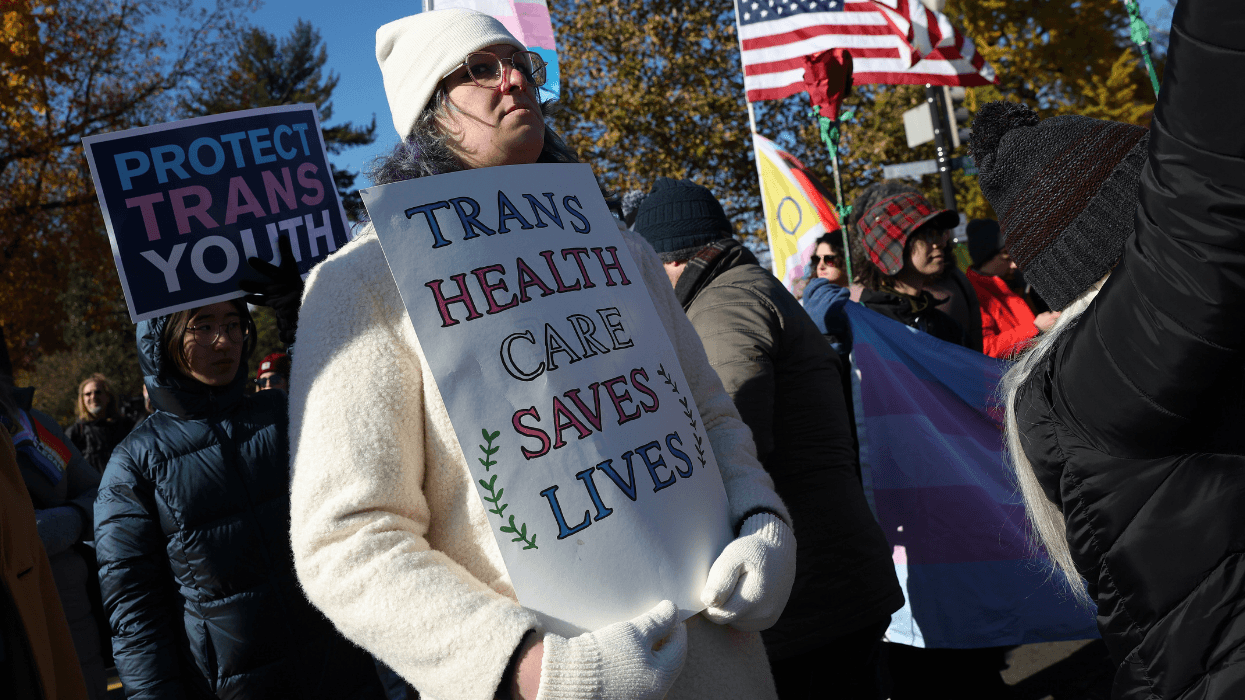

Four transgender girls and their families in New Hampshire are asking a federal judge to pause a Trump administration rule that cuts federal Medicaid funding for most gender-affirming treatments for minors while their legal challenge proceeds.
The families argue that the federal government lacks the authority to impose the restriction. Their lawsuit is before U.S. District Judge Steven McAuliffe.
Four families filed the lawsuit against the federal government on October 1, arguing that the administration cannot use Medicaid restrictions to deny coverage for treatments doctors have determined are medically necessary.
The Centers for Medicare & Medicaid Services announced the rule in August, and it went into effect October 13. It prohibits federal Medicaid funding for certain treatments for patients under 18, including puberty blockers, hormone therapy, and gender confirmation surgeries. The families’ challenge concerns access to medications.
At an October 30 hearing in Concord, attorneys representing the girls urged McAuliffe to issue a preliminary injunction, arguing that the policy is already harming their clients and could cause lasting damage, the New Hampshire Bulletin reported.
The legal team includes representatives from GLAD Law and the ACLU of New Hampshire.
One of the transgender plaintiffs, identified in court filings by the pseudonym Kylie Koe, is already experiencing the consequences of being unable to access puberty blockers, GLAD Law attorney Chris Erchull told the judge. Without the medication, changes associated with puberty are beginning to affect how her classmates perceive her, creating difficulties at school, Erchull said.
“Most of Kylie’s classmates only know her as a girl,” he told the court.
He stressed that puberty blockers cannot reverse physical changes that have already occurred. That makes timely access critical for the young people who need them, he argued.
The federal lawsuit also detailed the financial burden the policy would place on families like that of Logan Loe, a 15-year-old transgender girl who has been taking puberty-blocking medications covered by Medicaid for three years. Without coverage, her family would face treatment costs of roughly $70,000 a year, more than their annual household income, according to the complaint.
Related: New Hampshire governor signs law forcing schools to out transgender students
Much of the hearing, however, centered on a broader legal question: whether the federal government can exclude gender-affirming treatments from Medicaid coverage when Congress has mandated coverage of medically necessary care for children.
Erchull based much of his argument on the Early and Periodic Screening, Diagnostic and Treatment provision, known as EPSDT. The Medicaid requirement, established in 1967, mandates coverage of qualifying medically necessary services for eligible people under 21.
He argued that the provision leaves the administration without authority to categorically exclude treatments that qualified medical professionals consider necessary.
“Congress cannot have intended EPSDT to apply except when the president disagrees,” Erchull said.
He also maintained that decisions about medical necessity belong primarily to health care providers and state Medicaid agencies, rather than federal officials. Major medical organizations support gender-affirming care, he noted.
Related: New Hampshire Republican governor signs gender-affirming care ban into law
McAuliffe pushed back on the suggestion that federal officials have no role in determining which treatments qualify for coverage.
“The system isn’t at the whim of any healthcare provider that says this is medically necessary,” the judge said. “Someone has to make those decisions.”
While acknowledging that federal agencies cannot simply create laws, McAuliffe said he was struggling to accept Erchull’s interpretation of the agency’s limitations.
New Hampshire’s own restrictions on gender-affirming care for minors also became a significant part of the discussion.
In 2025, state lawmakers approved a ban on certain gender-affirming treatments for minors but included an exception for those who were already receiving care. Erchull argued that the four girls qualify for that exception.
Representing the federal government, Justice Department trial attorney Stephen Tagert argued that the administration’s policy should not be confused with a prohibition on gender-affirming treatment itself.
Related: 21 states sue over Trump’s attacks on gender-affirming care insurance coverage
“This is not about any sort of ban (on gender-affirming care),” Tagert said. “This is about whether the federal government pays for it.”
McAuliffe questioned that distinction, suggesting that removing Medicaid funding effectively prevents access to treatment.
“It’s an effective ban,” the judge said.
Following the hearing, Erchull told reporters that he believed McAuliffe recognized the immediate consequences the policy could have for the girls and their families. Tagert declined to comment to the Bulletin.