'%3E%3Cpath d='M16.3574 35.6519H12.9537L15.0491 18.8873L16.3574 35.6519ZM30.4229 54.0093L22.309 0.994385H7.91795L0 54.0093H10.6634L11.5802 46.3855H17.4014L17.9914 54.0093H30.4229Z' fill='%23971B20'/%3E%3Cpath d='M48.2073 41.8813C48.2073 43.4049 47.4892 44.0011 46.1144 44.0011H43.7595V11.0687H46.1144C47.4892 11.0687 48.2073 11.6636 48.2073 13.1885V41.8813ZM59.5273 43.6695V11.3326C59.5273 3.71323 53.5729 0.994385 47.8157 0.994385H31.7213V54.0093H47.8157C53.5729 54.0093 59.5273 51.29 59.5273 43.6695Z' fill='%23971B20'/%3E%3Cpath d='M90.183 0.994385H78.6039L75.0711 30.6157L71.9955 0.994385H59.4346L69.2474 54.0093H80.373L90.183 0.994385Z' fill='%23971B20'/%3E%3Cpath d='M107.063 42.3448C107.063 43.7359 105.951 44.5974 104.643 44.5974C103.269 44.5974 102.157 43.7359 102.157 42.3448V12.658C102.157 11.2676 103.269 10.4058 104.643 10.4058C105.951 10.4058 107.063 11.2676 107.063 12.658V42.3448ZM119.233 43.2723V11.7312C119.233 6.36384 112.952 -3.8147e-06 104.643 -3.8147e-06C96.2667 -3.8147e-06 89.9867 6.36384 89.9867 11.7312V43.2723C89.9867 48.6393 96.2667 55 104.643 55C112.952 55 119.233 48.6393 119.233 43.2723Z' fill='%23971B20'/%3E%3Cpath d='M150.976 43.9349V33.7309H139.069V42.3448C139.069 43.7359 137.957 44.5974 136.582 44.5974C135.076 44.5974 133.964 43.7359 133.964 42.3448V12.658C133.964 11.2676 135.076 10.4058 136.582 10.4058C137.957 10.4058 139.069 11.2676 139.069 12.658V21.2723H150.976V11.0687C150.976 5.70107 145.283 -3.8147e-06 136.582 -3.8147e-06C127.75 -3.8147e-06 121.796 5.70107 121.796 11.0687V43.9349C121.796 49.3022 127.75 55 136.582 55C145.283 55 150.976 49.3022 150.976 43.9349Z' fill='%23971B20'/%3E%3Cpath d='M167.478 35.6519H164.076L166.17 18.8873L167.478 35.6519ZM181.544 54.0093L173.432 0.994385H159.037L151.123 54.0093H161.785L162.704 46.3855H168.523L169.114 54.0093H181.544Z' fill='%23971B20'/%3E%3Cpath d='M205.412 10.4058V0.994385H177.081V10.4058H185.392V54.0093H197.428V10.4058H205.412Z' fill='%23971B20'/%3E%3Cpath d='M230.002 54.0093V43.9349H218.914V31.8746H226.635V21.8028H218.914V10.4058H230.002V0.994385H206.875V54.0093H230.002Z' fill='%23971B20'/%3E%3C/g%3E%3Cdefs%3E%3CclipPath id='clip0_260_7080'%3E%3Crect width='230' height='55' fill='white'/%3E%3C/clipPath%3E%3C/defs%3E%3C/svg%3E)
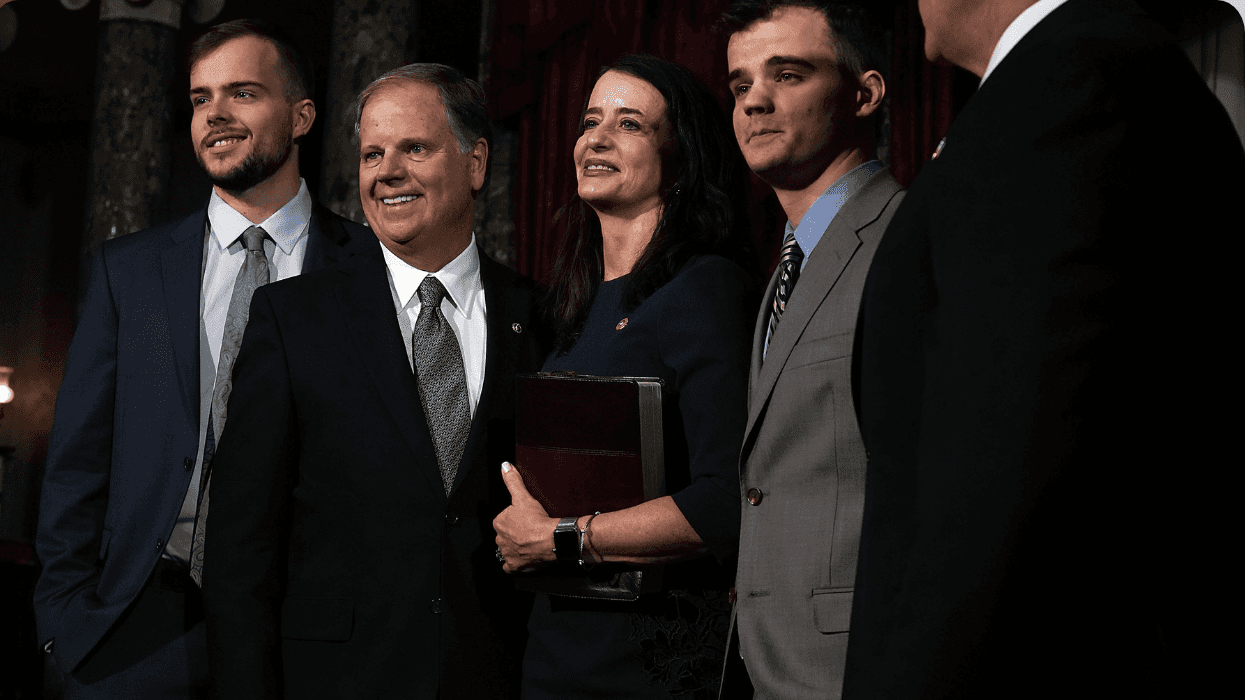

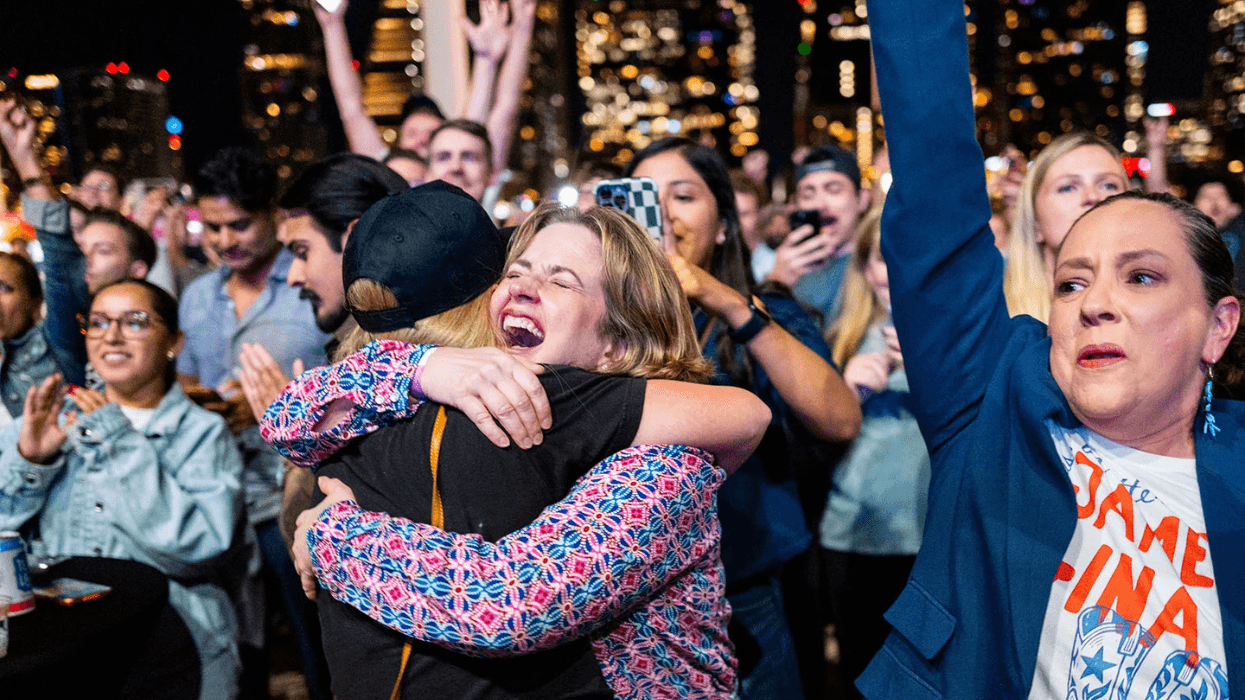
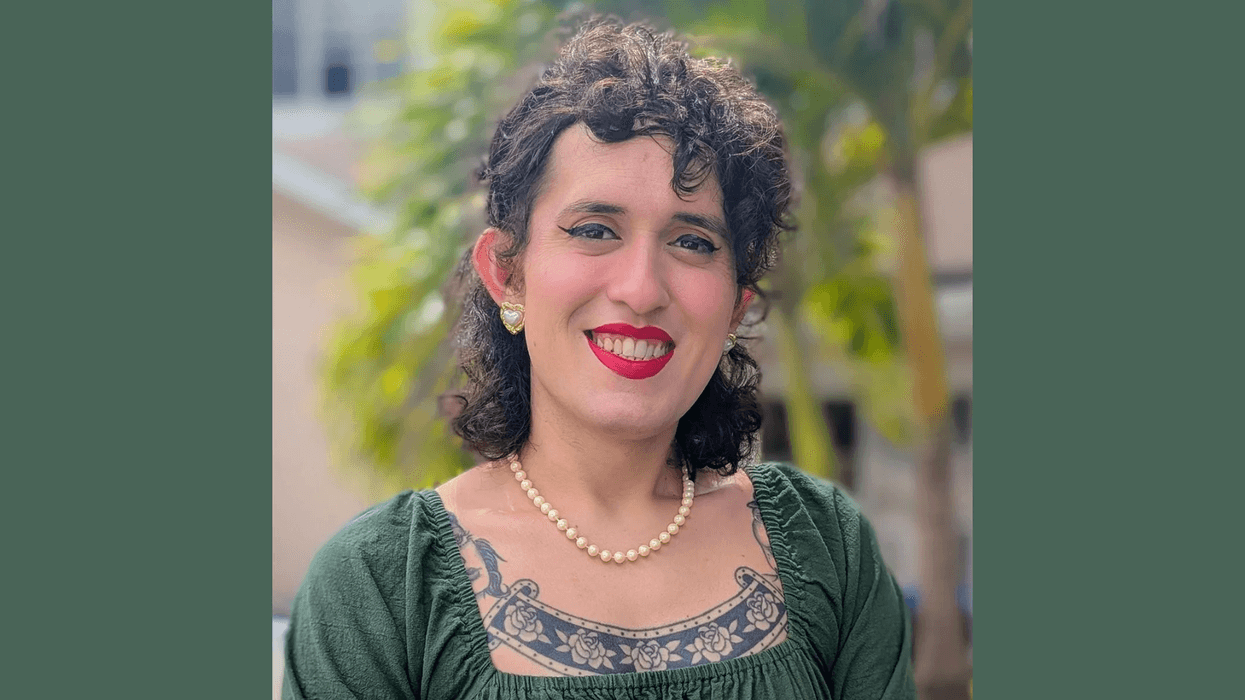
The blue wave delivered historic wins in Alabama, but Democratic candidate and former U.S. Sen. Doug Jones narrowly lost the gubernatorial race. After the defeat, his openly gay son, Carson Jones, shared a heartfelt message to his parents about a campaign whose meaning, he wrote, extended beyond the results.
“Dear Mom and Dad, most people are lucky to make history once. And while we might not have won on Tuesday, you’ve spent the last year making a little bit of history each and every day,” Carson Jones wrote over the weekend on Instagram, recalling his father’s historic 2017 Senate special election victory. That win made Doug Jones the first Democrat elected to the U.S. Senate from Alabama in 25 years.
“You knew the odds were against you. But you believed Alabama deserved a choice, and that the people of this state deserved better. So you went to places where candidates rarely, if ever, show up. You listened to people’s hopes, dreams, and struggles. And you gave people a reason to believe things could be different. Proud is an understatement,” Carson Jones continued.
The Instagram carousel featured photos and videos of the family on the campaign trail. In the accompanying message, he also joked about the “ridiculous AI memes we would never post (oops).”
Related: Alabama Sen. Doug Jones Says Gay Son Led Him to Be More Pro-LGBT
“I know how heavily Tuesday’s outcome weighs on both of you. Not just the loss, but what it means for Alabama and the people you care so deeply about. I wish things had turned out differently. But you fought the good fight, showed people what’s possible, and helped build something that others can carry forward. That matters.”
Republican U.S. Sen. Tommy Tuberville, who also defeated Doug Jones in the 2020 Senate race, won the governorship by about 4 percentage points in Alabama’s closest gubernatorial race since 2002, according to WBRC’s analysis of unofficial results.
The election also brought breakthroughs for LGBTQ+ representation in Alabama. Allison Montgomery became the state’s first out transgender person elected to the Legislature, while Brett Jones became its first openly gay person elected sheriff.
Related: Alabama Goddam: Carson Jones on His State’s Bigotry and Resilience
Carson Jones campaigned for his father and shared updates on social media throughout the past year. He has also used his platform to speak out about LGBTQ+ rights. He went viral in 2018 after appearing to stare pointedly at then-Vice President Mike Pence during his father’s swearing-in. The following year, he criticized an Alabama bill that would end the issuance of marriage licenses to accommodate judges who opposed marriage equality.
In the final weeks of this year’s campaign, he wrote candidly about its emotional toll.
“I’ll be honest: this campaigning thing doesn’t get easier. You’d think by campaign #3 we’d be pros at this point, but somehow this one has felt like the hardest,” he posted on October 18.
“Maybe it’s because it feels like the most important. Maybe because it feels winnable enough to let yourself hope, but uncertain enough to be terrified of doing that. Or maybe it’s just because after 310 days, you realize how much of yourself and everyone around you has gotten wrapped up in this crazy adventure.”
Related: Dear Alabama: Sen. Doug Jones’ Gay Son Has a Message for His State
His postelection tribute follows another deeply personal letter to his parents. In 2021, he wrote for The Advocate about what he wished he had told them when he came out.
He closed his latest Instagram post with gratitude for their time together and a wish that his parents would finally give themselves a break.
"I know none of us are particularly hardwired for taking it easy, but I hope you’ll at least give it a try," he wrote. "You’ve earned it.
NEW! Please make a tax-deductible donation to The Advocate Journalism Project to directly support LGBTQ+ journalism. Help us expand our Washington, D.C., bureau to bring you more breaking news from the nation's capital and fund crucial investigative reporting, compelling video reports, and sustain our 60-year print archive, a history of the queer civil rights movement.