'%3E%3Cpath d='M16.3574 35.6519H12.9537L15.0491 18.8873L16.3574 35.6519ZM30.4229 54.0093L22.309 0.994385H7.91795L0 54.0093H10.6634L11.5802 46.3855H17.4014L17.9914 54.0093H30.4229Z' fill='%23971B20'/%3E%3Cpath d='M48.2073 41.8813C48.2073 43.4049 47.4892 44.0011 46.1144 44.0011H43.7595V11.0687H46.1144C47.4892 11.0687 48.2073 11.6636 48.2073 13.1885V41.8813ZM59.5273 43.6695V11.3326C59.5273 3.71323 53.5729 0.994385 47.8157 0.994385H31.7213V54.0093H47.8157C53.5729 54.0093 59.5273 51.29 59.5273 43.6695Z' fill='%23971B20'/%3E%3Cpath d='M90.183 0.994385H78.6039L75.0711 30.6157L71.9955 0.994385H59.4346L69.2474 54.0093H80.373L90.183 0.994385Z' fill='%23971B20'/%3E%3Cpath d='M107.063 42.3448C107.063 43.7359 105.951 44.5974 104.643 44.5974C103.269 44.5974 102.157 43.7359 102.157 42.3448V12.658C102.157 11.2676 103.269 10.4058 104.643 10.4058C105.951 10.4058 107.063 11.2676 107.063 12.658V42.3448ZM119.233 43.2723V11.7312C119.233 6.36384 112.952 -3.8147e-06 104.643 -3.8147e-06C96.2667 -3.8147e-06 89.9867 6.36384 89.9867 11.7312V43.2723C89.9867 48.6393 96.2667 55 104.643 55C112.952 55 119.233 48.6393 119.233 43.2723Z' fill='%23971B20'/%3E%3Cpath d='M150.976 43.9349V33.7309H139.069V42.3448C139.069 43.7359 137.957 44.5974 136.582 44.5974C135.076 44.5974 133.964 43.7359 133.964 42.3448V12.658C133.964 11.2676 135.076 10.4058 136.582 10.4058C137.957 10.4058 139.069 11.2676 139.069 12.658V21.2723H150.976V11.0687C150.976 5.70107 145.283 -3.8147e-06 136.582 -3.8147e-06C127.75 -3.8147e-06 121.796 5.70107 121.796 11.0687V43.9349C121.796 49.3022 127.75 55 136.582 55C145.283 55 150.976 49.3022 150.976 43.9349Z' fill='%23971B20'/%3E%3Cpath d='M167.478 35.6519H164.076L166.17 18.8873L167.478 35.6519ZM181.544 54.0093L173.432 0.994385H159.037L151.123 54.0093H161.785L162.704 46.3855H168.523L169.114 54.0093H181.544Z' fill='%23971B20'/%3E%3Cpath d='M205.412 10.4058V0.994385H177.081V10.4058H185.392V54.0093H197.428V10.4058H205.412Z' fill='%23971B20'/%3E%3Cpath d='M230.002 54.0093V43.9349H218.914V31.8746H226.635V21.8028H218.914V10.4058H230.002V0.994385H206.875V54.0093H230.002Z' fill='%23971B20'/%3E%3C/g%3E%3Cdefs%3E%3CclipPath id='clip0_260_7080'%3E%3Crect width='230' height='55' fill='white'/%3E%3C/clipPath%3E%3C/defs%3E%3C/svg%3E)
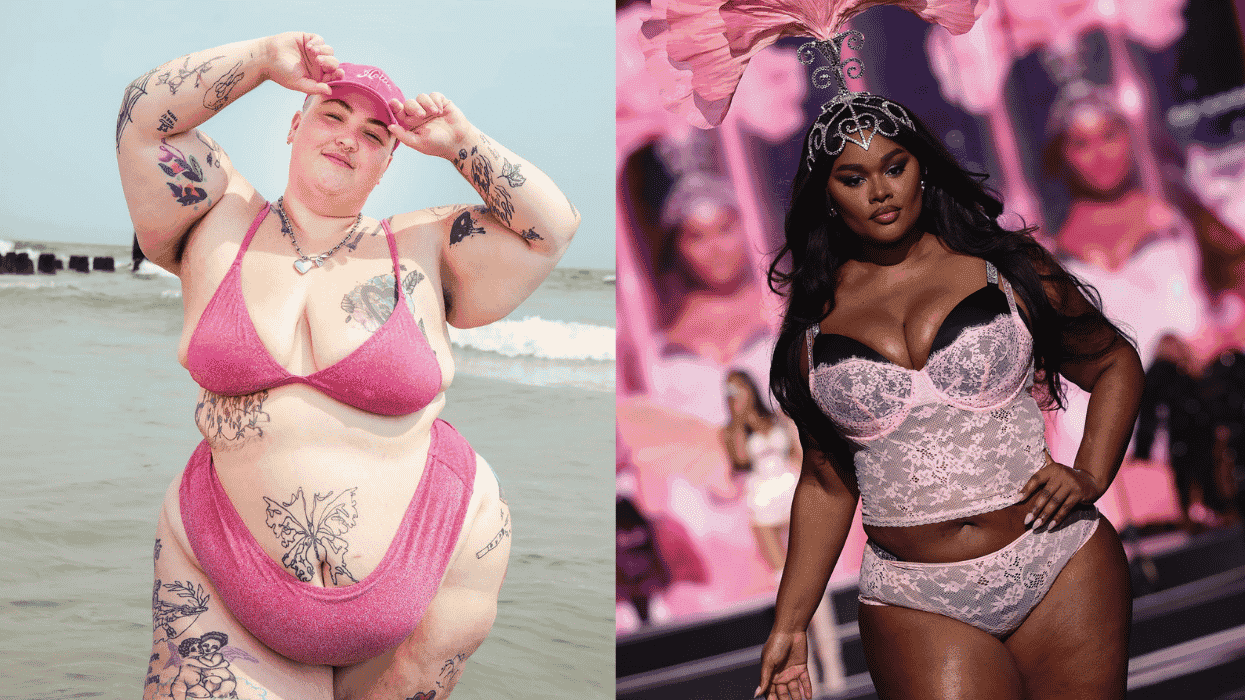

It’s been nearly a decade since Shay Neary landed her first big campaign — and made history as the first openly transgender plus-size model to appear in a major fashion campaign.
While she never expected to smash glass ceilings through her collaboration with the brand Coverstory, Neary says she used the opportunity as a platform to speak up for plus-size people, trans visibility, and body positivity for all.
“It took off, it got a lot of press, I became the first plus-sized trans model in the U.K. to get a campaign as well,” Neary says. “It extended internationally, and then I was known internationally. What’s weird is that you don’t realize, being in a marginalized intersectionality, how much representation really matters.”
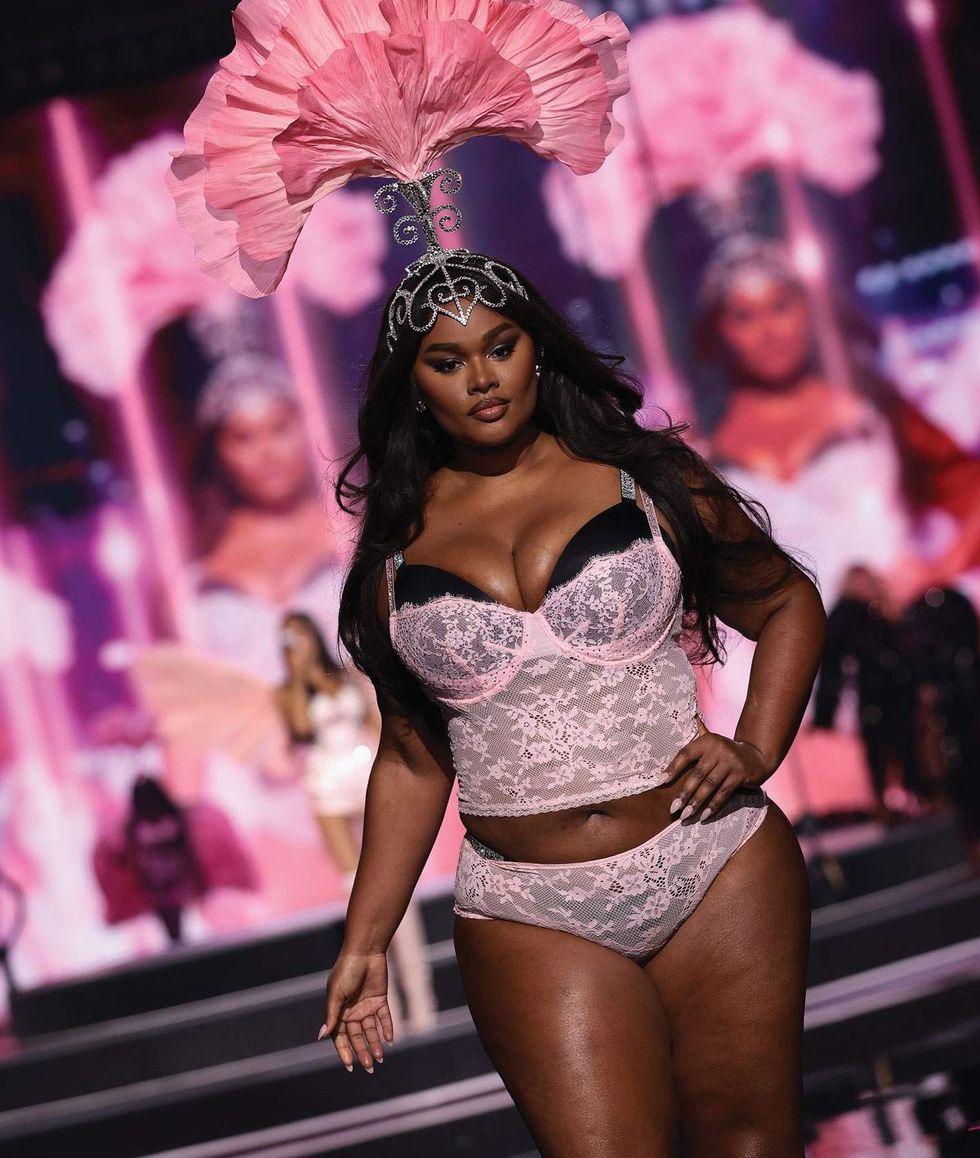 Barrier-breaking model Precious Lee walks the runway for the Victoria’s Secret Fashion Show 2025.Dimitrios Kambouris/Getty Images for Victoria’s Secret
Her breakthrough success didn’t happen in a vacuum. The 2010s marked a cultural shift toward size inclusion and body positivity in the United States. Though the fat liberation movement has been organizing for size inclusivity since the 1970s, the 2010s were defined by the rise of platforms like Instagram and Tumblr that allowed people who’d been pushed aside by mainstream beauty standards to gain traction and visibility. Soon, phrases once only seen in fat liberation spaces like “body positivity,” “all bodies are beautiful,” and “beauty at any size” became popular hashtags online and were even incorporated into major ad campaigns.
From models like Tess Holliday, Paloma Elsesser, Precious Lee, and Candice Huffine to scholars like Sonya Renee Taylor and Roxane Gay, body positivity had finally entered the popular lexicon, largely due to the power of social media. Neary first began posting online as a way to journal her experiences as a plus-size trans woman, an intersection she rarely saw represented anywhere. What began as a way to express herself became a beacon for others yearning to be seen. Neary did notice, however, that what began as a liberation movement shifted at some point into something that felt more superficial.
“I got plenty of messages over many years over my body positivity work, because it was seen as a liberation movement,” she says. “We were asking people to get to exist without shame, and somewhere along the line, it became a beauty trend.”
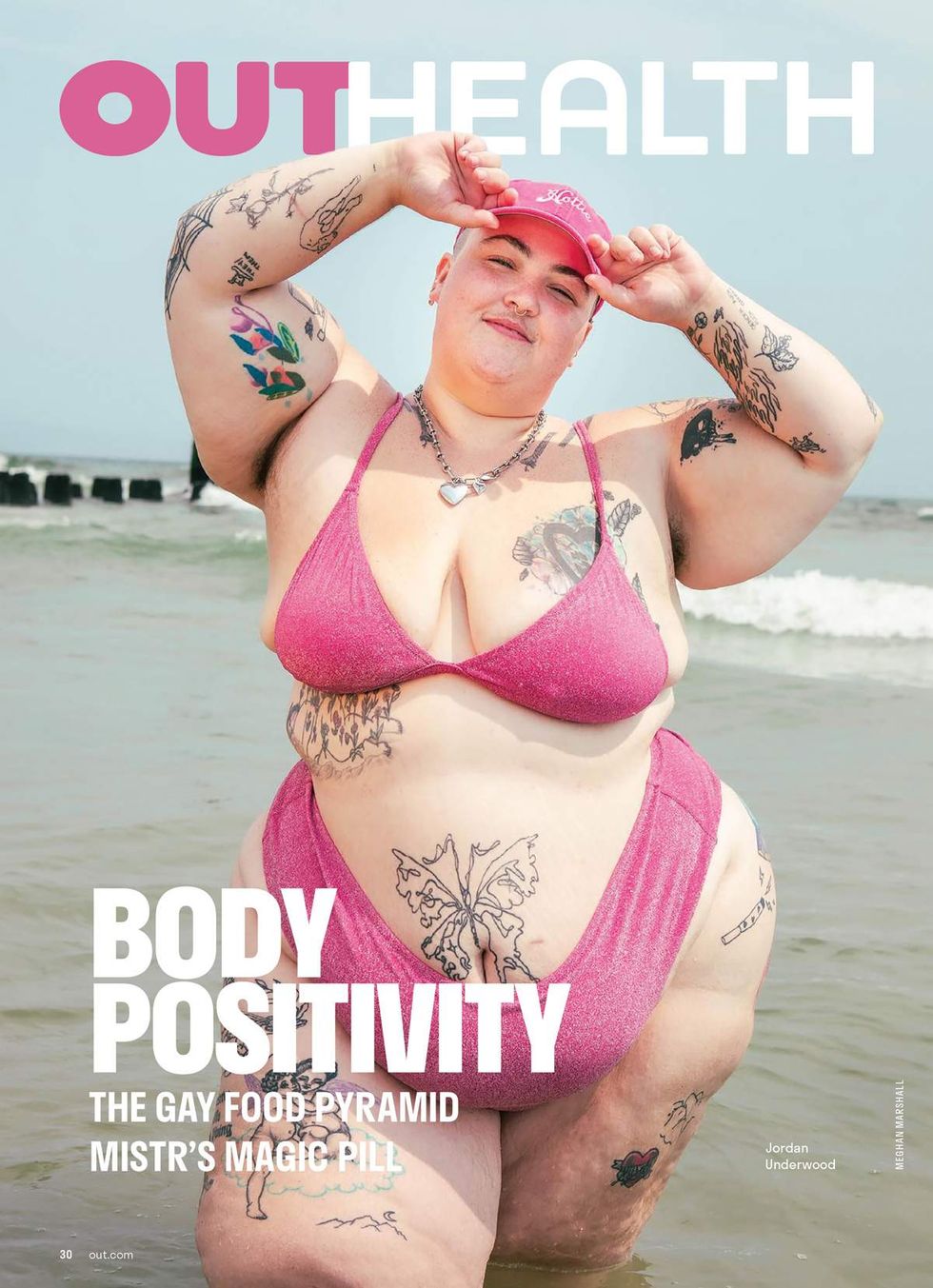
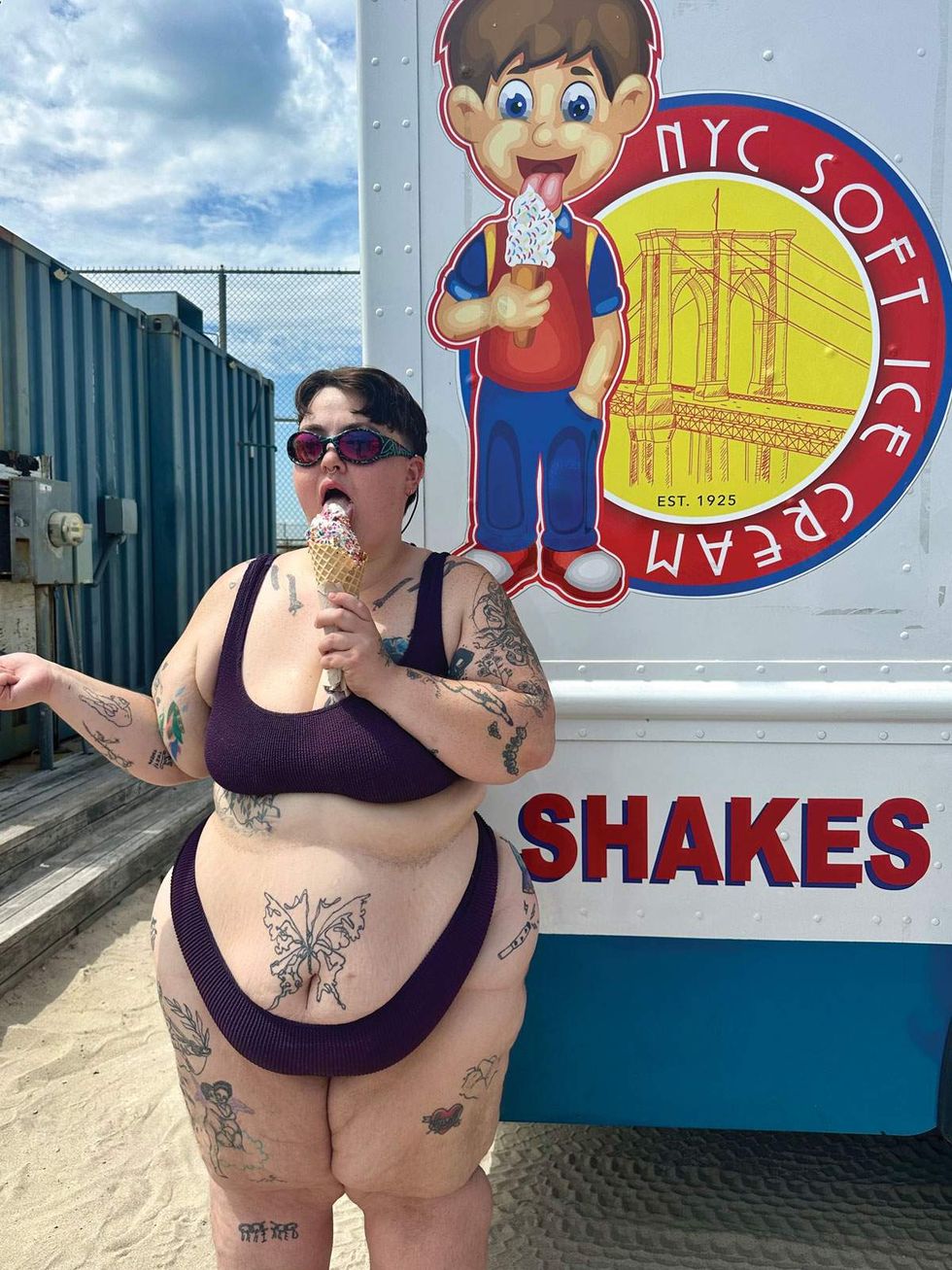 Jordan Underwood at Fat Beach Day at NYC’s Jacob Riis Park.courtesy Jordan Underwood
It’s been over a decade since #bodypositivity became a hashtag and 10 years since Neary graced the homepage of outlets like Bustle and Refinery29. But it’s only been two years since Donald Trump began his second term in office, and the impact is palpable. His administration’s “Make America Healthy Again” agenda has reprioritized diet culture under the guise of health and wellness. Rather than celebrating body diversity, brands have regressed to promoting increasingly thin beauty standards, aligning themselves with “SkinnyTok” aesthetics promoted on social media. Paired with the rise of readily available commercial GLP-1s like Ozempic, which celebrities and influencers tout as get-thin-quick cure-alls, it’s clear that the pendulum has swung back. In 2025, The Atlantic officially declared that “The Body Positivity Movement Is Over.”
But is it? For fat liberation organizers like Jordan Underwood, a trans model who uses he/they pronouns, the movement never went anywhere — mainstream coverage just never understood what the root of body positivity was in the first place.
“I think that body positivity is about the relationship with the self, and then fat lib is about the societal structures that oppress people,” he says. “I do think that at its core, body positivity is still deeply necessary, because I think it is about this idea that you matter and you deserve respect at wherever you are in your body journey.”
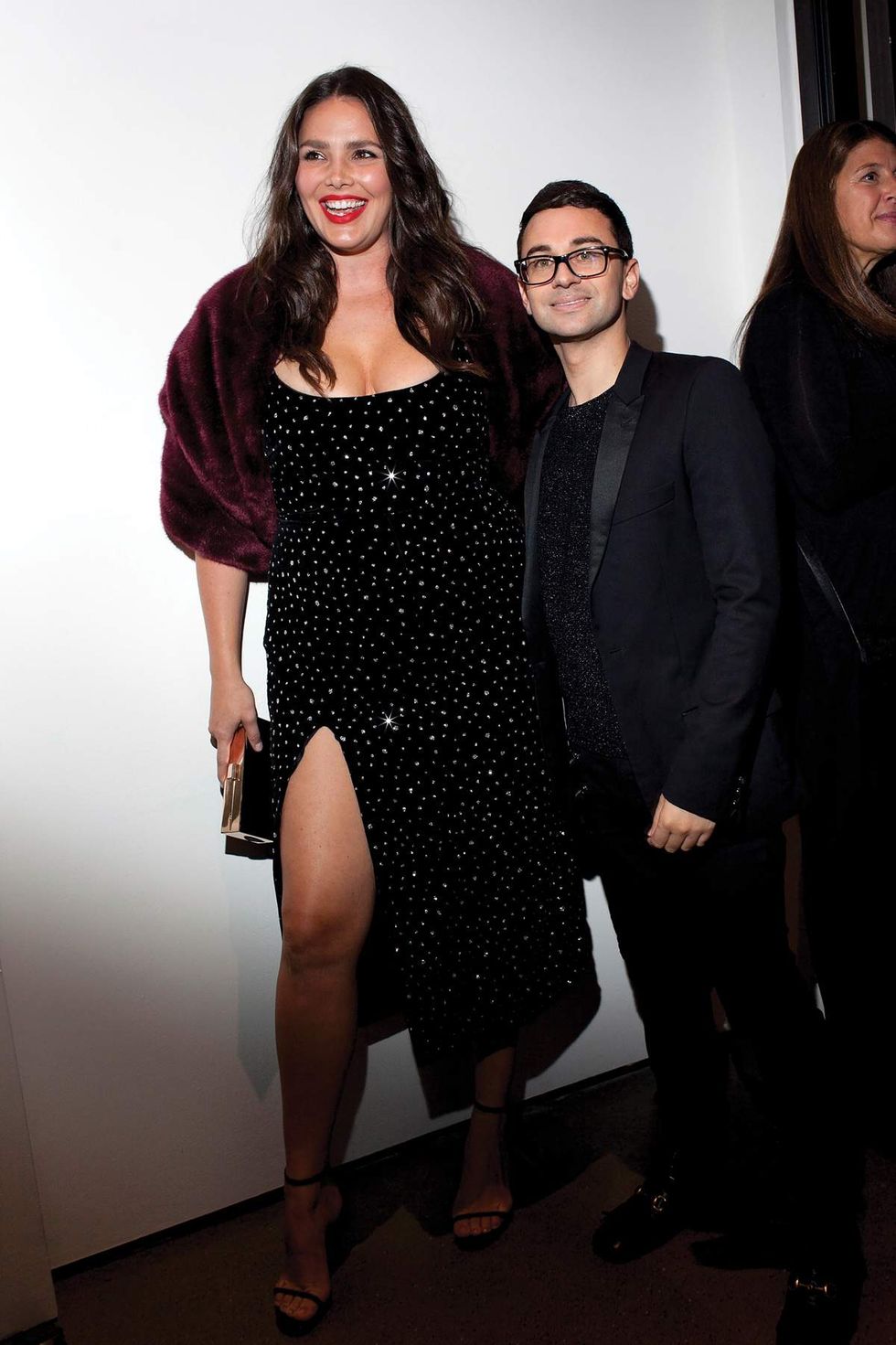 Designer Christian Siriano consistenly features curve models like Candice Huffine, a body-positive activist, in his runway shows.Lexie Moreland/WWD/Penske Media via Getty Images
He first became aware of the body positivity movement in 2011, when he was 15, and now organizes an annual Fat Beach Day at Jacob Riis Park, New York City’s famously queer beach. In the early days of his involvement in the 2010s through 2023, Underwood said that the focus was on promoting body positivity and fat liberation through storytelling, visibility, and educating people about the societal systems driving fatphobia — which include anti-Blackness, as Da’Shaun Harrison writes in their book Belly of the Beast.
Underwood says even in the early 2020s, as the pandemic forced people to hunker down and reckon with larger forms of oppression, their work continued. But since Trump’s reelection and the abrupt attempt at a return to pre-pandemic normalcy, Underwood’s approach to organizing has shifted.
“At this point, I think we’re past that — and not to say we can’t educate people anymore, but I think that you have to, in any social justice movement, meet people where they are,” Underwood says. “The way that my work has shifted has been in creating more spaces, and just trying to live and be a possibility model for people, and to say you can do what you want to do in the body that you have today. You don’t have to blow your life savings on medication. Whether you want to change who you are or not, who you are today is enough. And you deserve to go to the beach.”
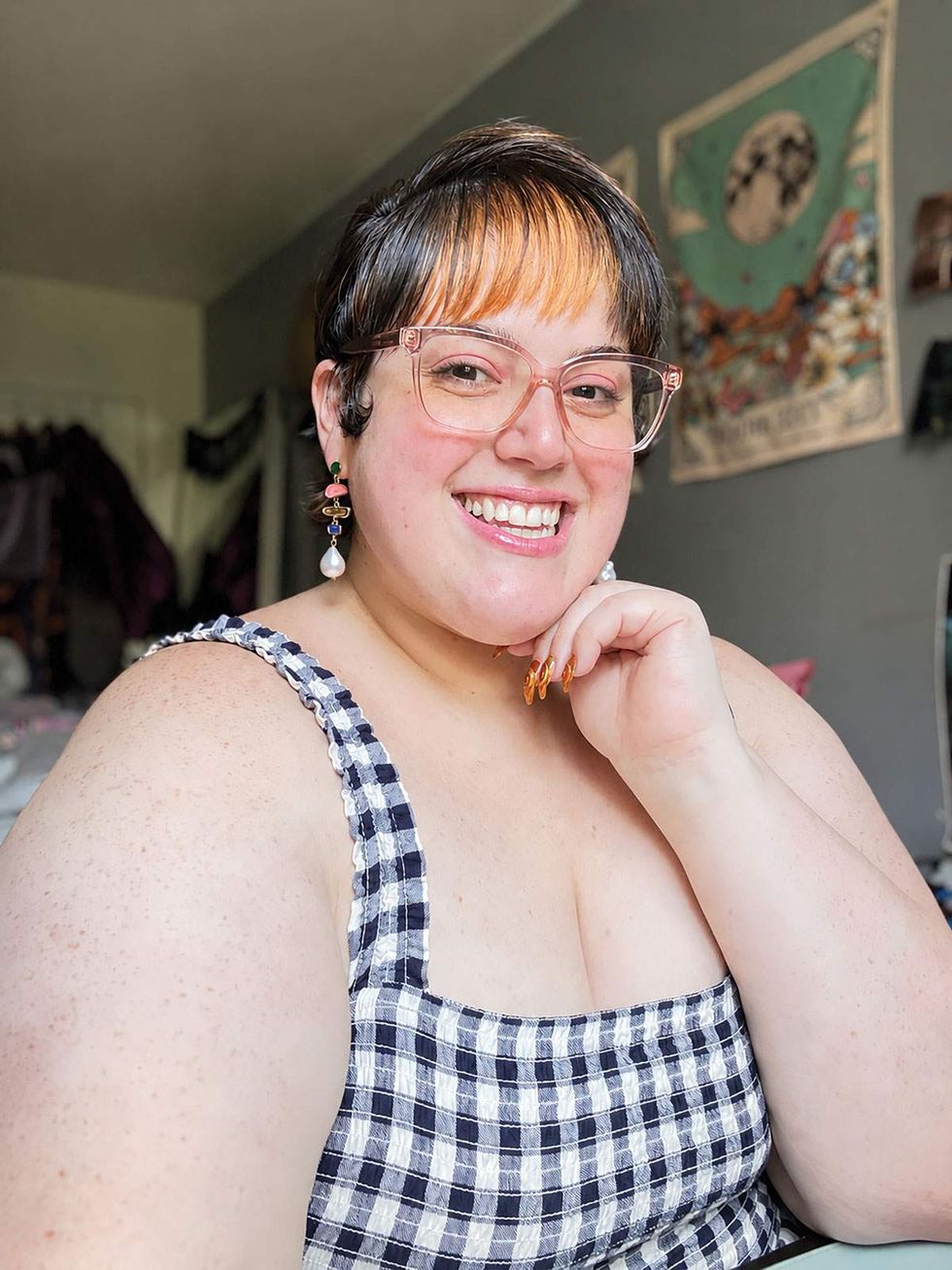 Shay Neary was the first out transgender plus-size model to appear in a major fashion campaign.courtesy Shay Neary
The cultural regression toward thin culture has less to do with the body positivity movement being “over,” as some outlets have claimed, and more to do with whom mainstream media has chosen to champion. Many people once celebrated as the faces of body positivity, Underwood says, didn’t actually undo internalized fatphobia during this period of time beyond shallow representation and have since pivoted to promoting GLP-1 weight loss. Brands that used plus-size models to promote their clothes didn’t adjust their sizing to actually be inclusive of larger bodies. What began as a liberation movement got watered down because influencers, as opposed to organizers, were the ones spotlighted.
“If you’re only fighting for yourself, there’s no power in that,” he says. “The power is in the collective — and so if you’re fighting for yourself to be able to find a 3X pair of pants, you might get that, but they’re going to take it off the shelf just as quickly as they put it on there, which we’ve seen with so many brands.”
He continues, “If you are following an influencer and you’re like, ‘They speak to me,’ OK, they speak to you, but do they speak to other people? Maybe not — and maybe that is fine. You can follow that person and love that person, but don’t be surprised when there’s a switch up.”
But this doesn’t mean the movement ceased to exist; people just didn’t take note of the people actually doing the work to fight for fat liberation, many of whom are queer, trans, and of color.
“There’s still people doing the work,” Underwood says. “We’re just people who are not often listened to because we hold identities that are easily discarded.”
This article is part of OUT’s Sept-Oct 2026 print issue, on newsstands September 1. Support queer media and subscribe — or download the issue now through Apple News+, Zinio, Nook, or PressReader starting August 20.