
'%3E%3Cpath d='M16.3574 35.6519H12.9537L15.0491 18.8873L16.3574 35.6519ZM30.4229 54.0093L22.309 0.994385H7.91795L0 54.0093H10.6634L11.5802 46.3855H17.4014L17.9914 54.0093H30.4229Z' fill='%23971B20'/%3E%3Cpath d='M48.2073 41.8813C48.2073 43.4049 47.4892 44.0011 46.1144 44.0011H43.7595V11.0687H46.1144C47.4892 11.0687 48.2073 11.6636 48.2073 13.1885V41.8813ZM59.5273 43.6695V11.3326C59.5273 3.71323 53.5729 0.994385 47.8157 0.994385H31.7213V54.0093H47.8157C53.5729 54.0093 59.5273 51.29 59.5273 43.6695Z' fill='%23971B20'/%3E%3Cpath d='M90.183 0.994385H78.6039L75.0711 30.6157L71.9955 0.994385H59.4346L69.2474 54.0093H80.373L90.183 0.994385Z' fill='%23971B20'/%3E%3Cpath d='M107.063 42.3448C107.063 43.7359 105.951 44.5974 104.643 44.5974C103.269 44.5974 102.157 43.7359 102.157 42.3448V12.658C102.157 11.2676 103.269 10.4058 104.643 10.4058C105.951 10.4058 107.063 11.2676 107.063 12.658V42.3448ZM119.233 43.2723V11.7312C119.233 6.36384 112.952 -3.8147e-06 104.643 -3.8147e-06C96.2667 -3.8147e-06 89.9867 6.36384 89.9867 11.7312V43.2723C89.9867 48.6393 96.2667 55 104.643 55C112.952 55 119.233 48.6393 119.233 43.2723Z' fill='%23971B20'/%3E%3Cpath d='M150.976 43.9349V33.7309H139.069V42.3448C139.069 43.7359 137.957 44.5974 136.582 44.5974C135.076 44.5974 133.964 43.7359 133.964 42.3448V12.658C133.964 11.2676 135.076 10.4058 136.582 10.4058C137.957 10.4058 139.069 11.2676 139.069 12.658V21.2723H150.976V11.0687C150.976 5.70107 145.283 -3.8147e-06 136.582 -3.8147e-06C127.75 -3.8147e-06 121.796 5.70107 121.796 11.0687V43.9349C121.796 49.3022 127.75 55 136.582 55C145.283 55 150.976 49.3022 150.976 43.9349Z' fill='%23971B20'/%3E%3Cpath d='M167.478 35.6519H164.076L166.17 18.8873L167.478 35.6519ZM181.544 54.0093L173.432 0.994385H159.037L151.123 54.0093H161.785L162.704 46.3855H168.523L169.114 54.0093H181.544Z' fill='%23971B20'/%3E%3Cpath d='M205.412 10.4058V0.994385H177.081V10.4058H185.392V54.0093H197.428V10.4058H205.412Z' fill='%23971B20'/%3E%3Cpath d='M230.002 54.0093V43.9349H218.914V31.8746H226.635V21.8028H218.914V10.4058H230.002V0.994385H206.875V54.0093H230.002Z' fill='%23971B20'/%3E%3C/g%3E%3Cdefs%3E%3CclipPath id='clip0_260_7080'%3E%3Crect width='230' height='55' fill='white'/%3E%3C/clipPath%3E%3C/defs%3E%3C/svg%3E)

This story originally appeared on Them.
In the first episode of Buffy’s seventh season, titled “Lessons,” Spike is going mad in the basement of the newly-rebuilt Sunnydale High when he gets a lecture from the season’s still-ruminating Big Bad. To deliver the speech, The First inhabits each of Buffy’s central nemeses from the previous seasons — Warren Mears, Glorificius, Adam — all the way down to the first season’s ur-villain, The Master, before eventually adopting the form of the Slayer herself.
“You still don’t get it. It’s not about right. It’s not about wrong,” The First says. “It’s about power.”
- YouTube www.youtube.com
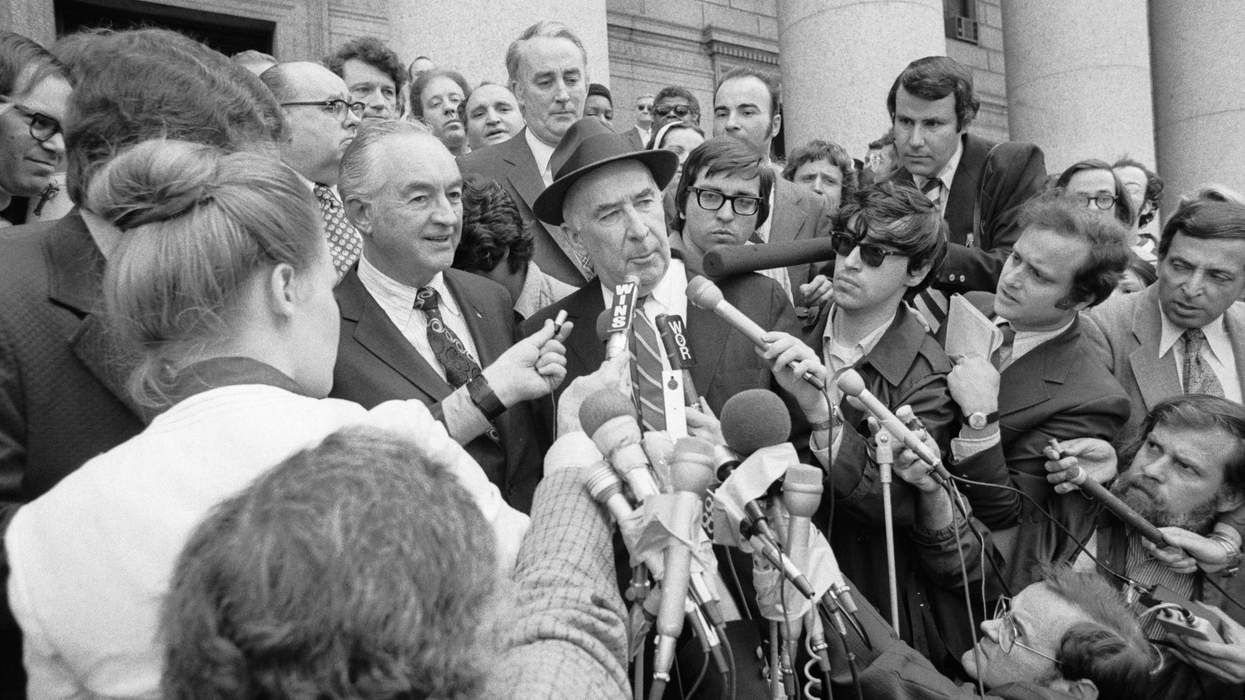
I’m reminded of these words as I wrestle, once again, with reader feedback about the stories that we choose to cover at Them — and in queer media at large — and which articles we highlight on our social media channels. Often, when covering the many people who wish to do the queer and trans communities harm, my colleagues and I will discuss a recurring strain of feedback we receive, which often uses the same word: platforming.
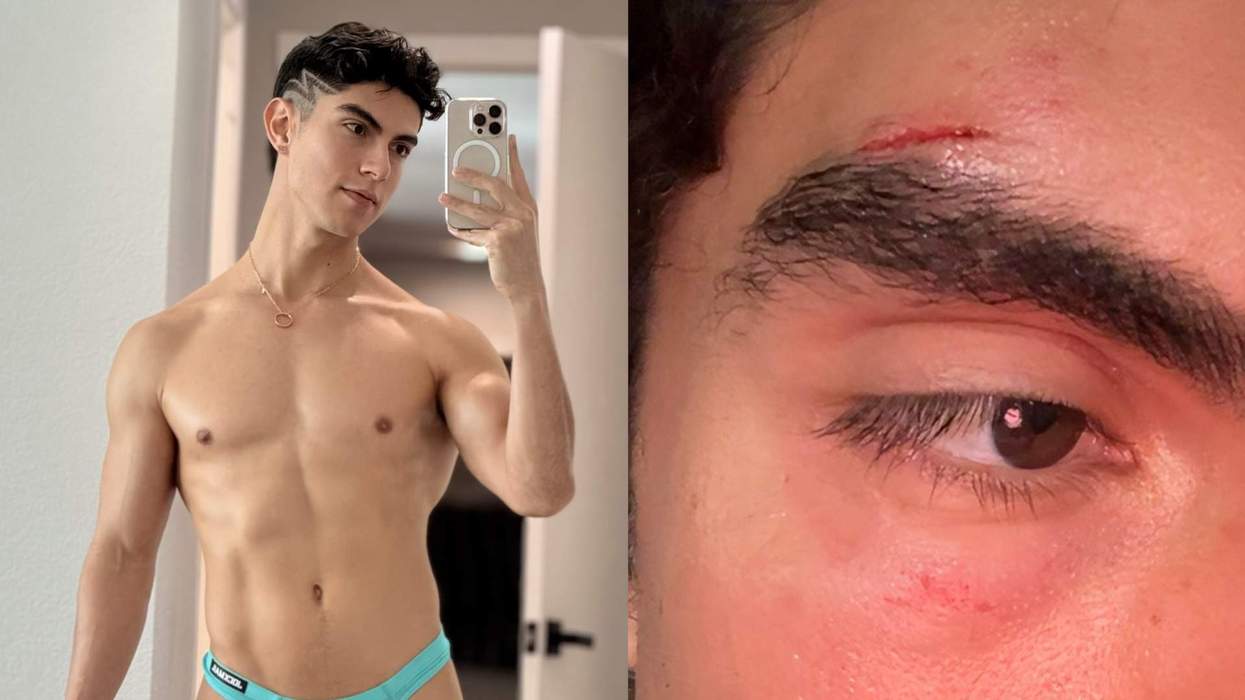
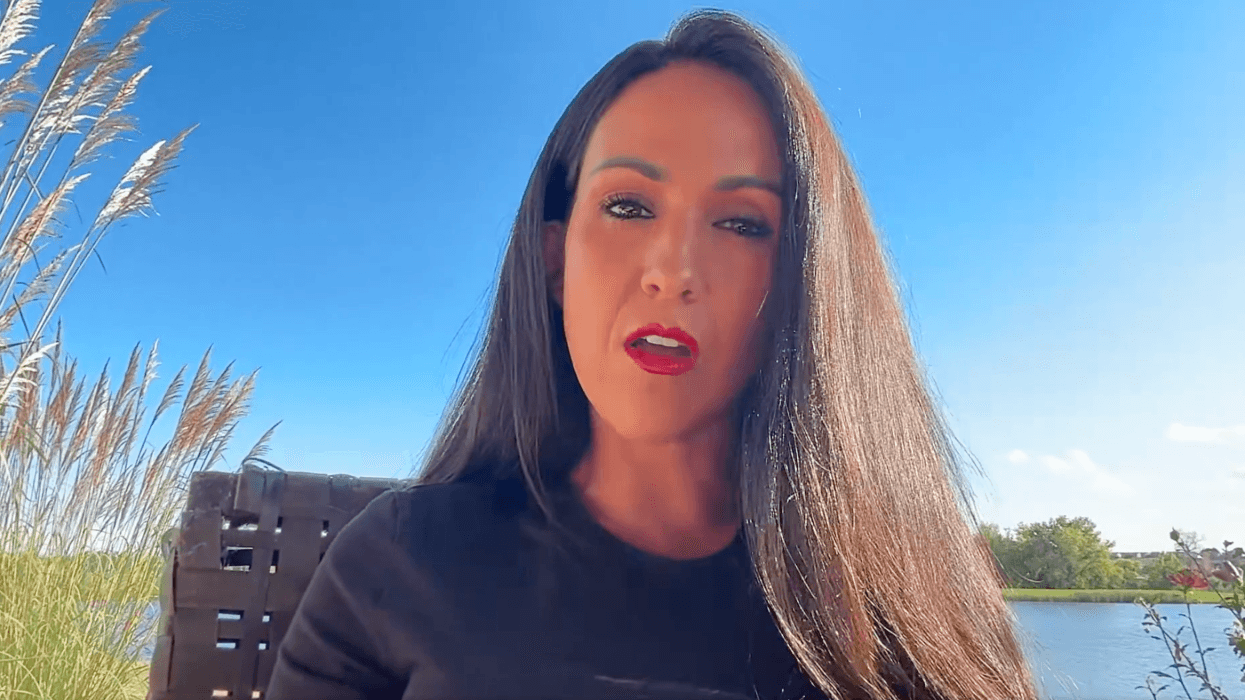
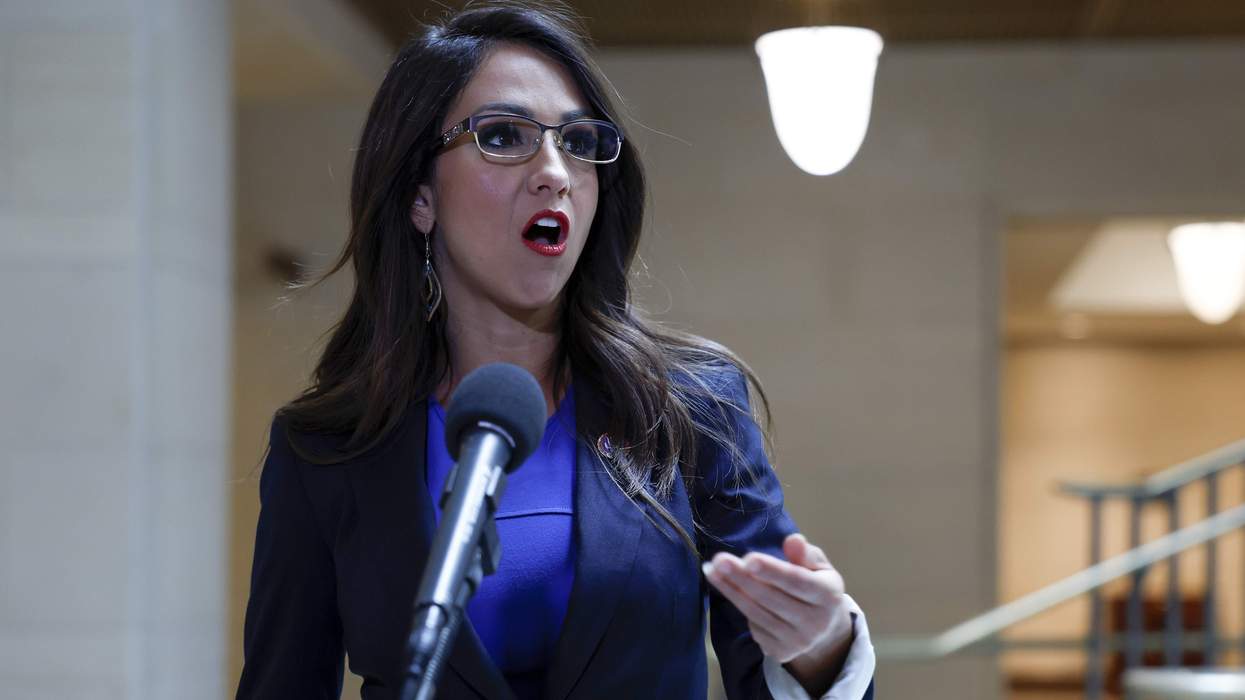
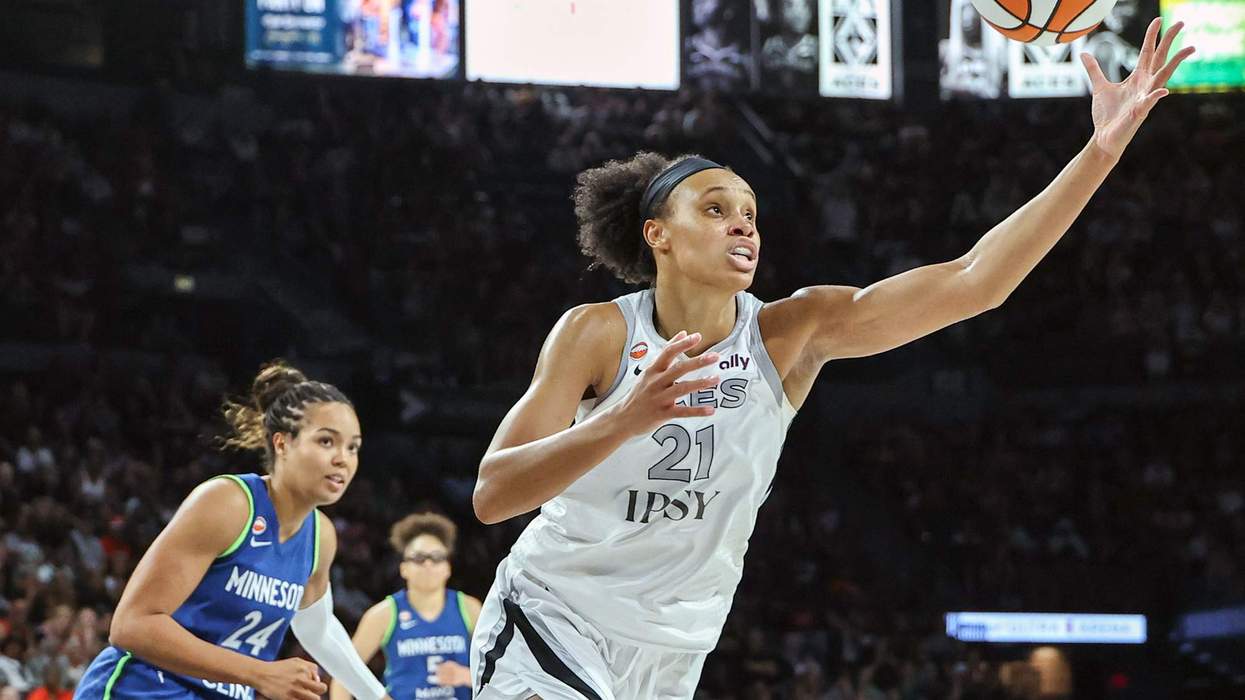
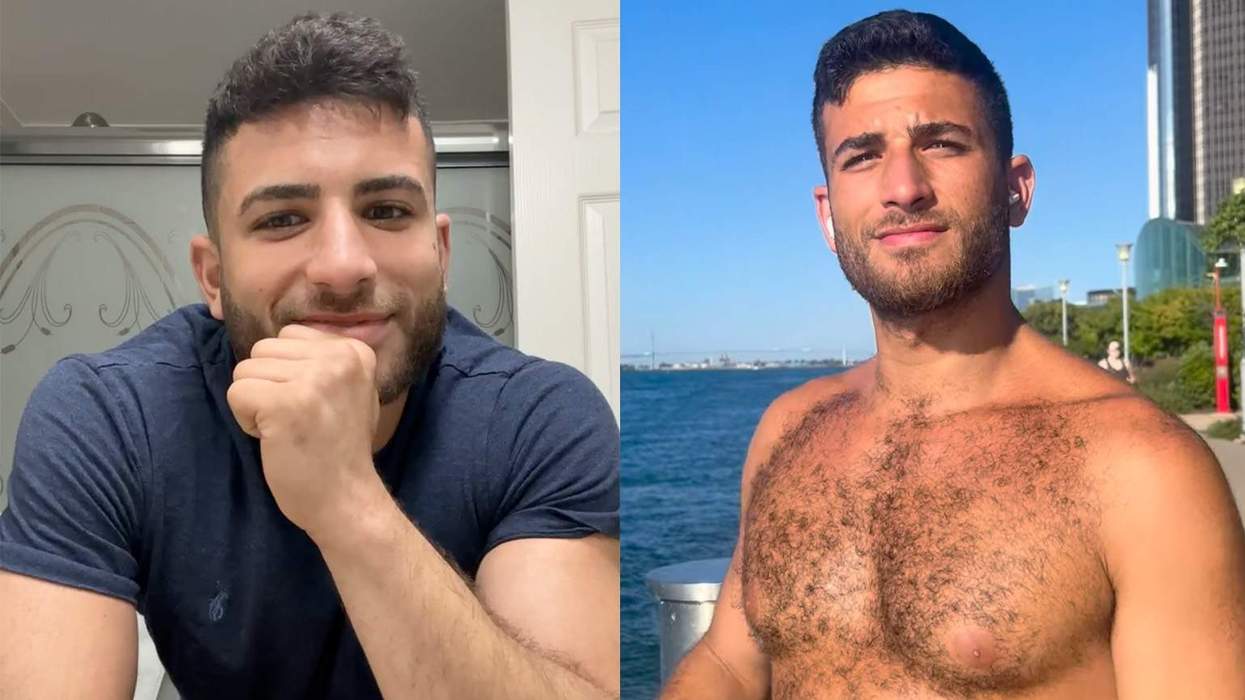
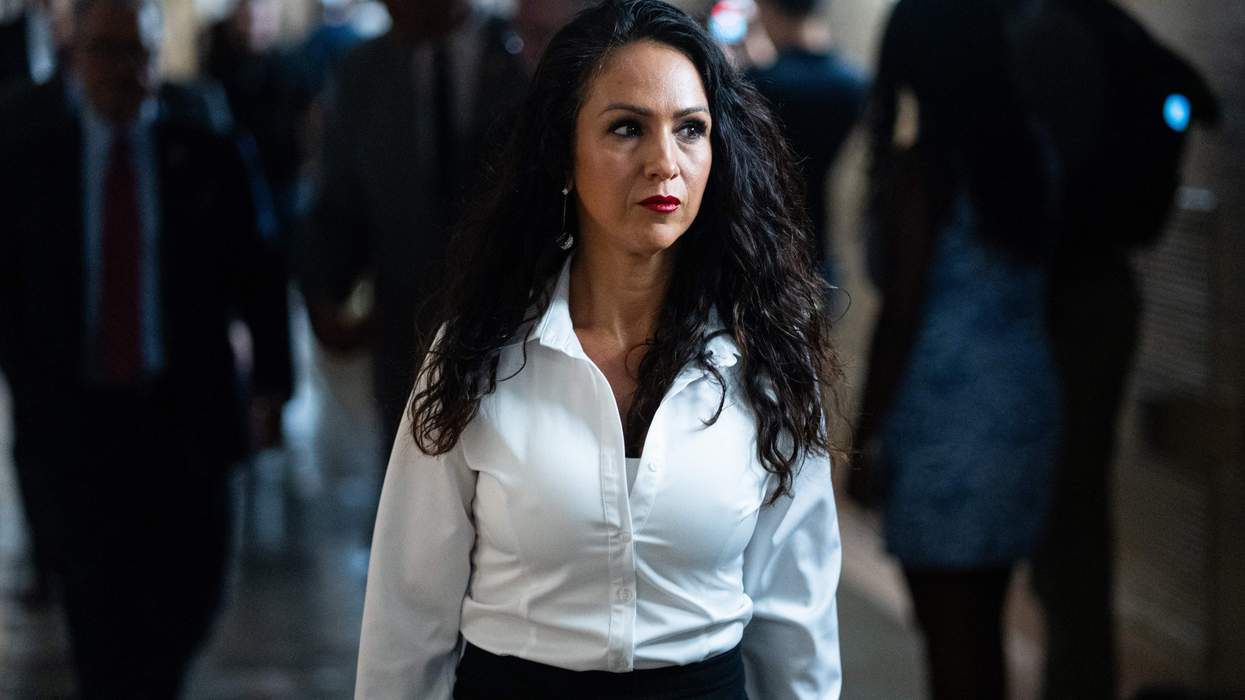
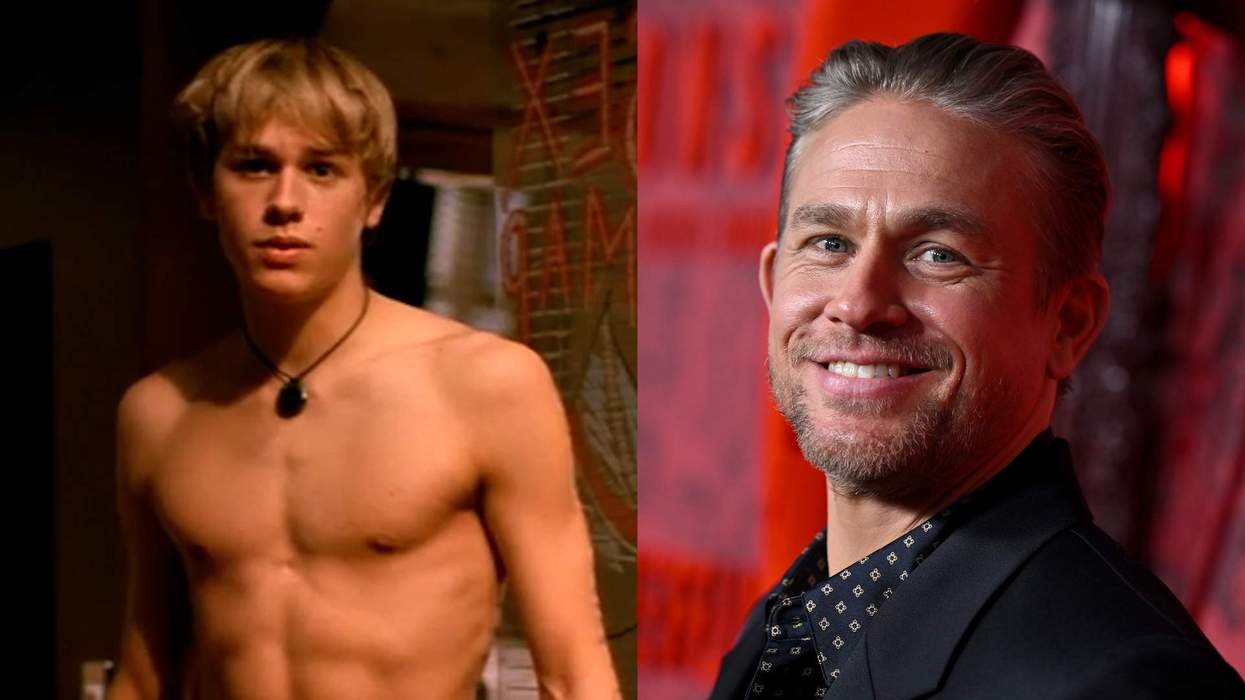
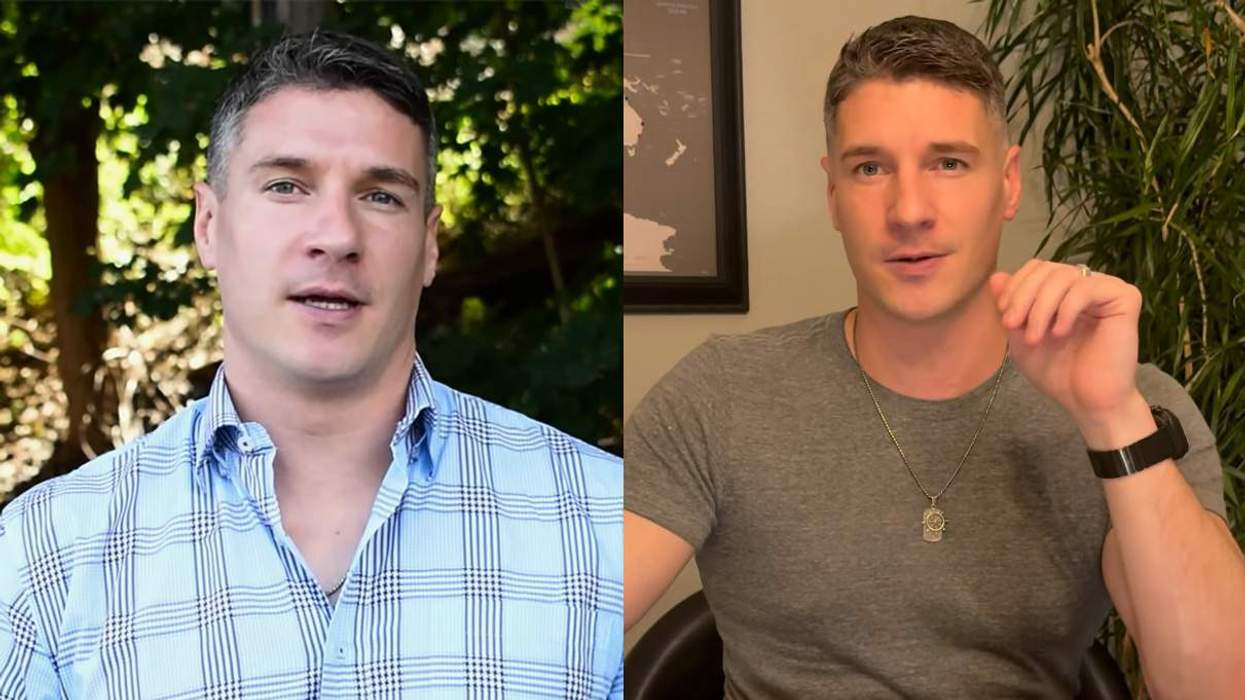
It came up again this weekend when we reported on Colorado congresswoman Lauren Boebert’s alleged relationships with staffers (including an alleged hush payment to a female former employee) with a staffer and has come up countless times before. When Them reports on bad behavior such as WNBA star Sophie Cunningham’s courting of the transphobic right or UFC Fighter Josh Hokit shouting a transphobic and racist lie about Michelle Obama on the White House lawn, the same neologism gets thrown around: we’re platforming them. Reporting on anything J.K. Rowling does — no matter how egregious or newsworthy — often earns this label as well.
I guess a good place to start would be to agree on a mutual definition of “platforming,” at least for the purposes of talking about this particular phenomenon. Whereas its more popular cousin, “deplatforming,” includes taking away speaking opportunities, such as disinviting people to speak at universities or big events, platforming is the opposite: offering a chance for someone to speak who might not have otherwise had one. The idea behind the word “platforming” is that you are amplifying someone’s reach by giving them a platform that they once did not possess. Obviously, suggesting that a sitting congresswoman lacks a “platform” is simply not accurate.
But burying our heads in the sand and pretending that already influential figures aren’t actively promulgating hate is also dangerous. We actually know from research that unchallenged interviewing of right-wing figures, whether it’s happening on major media outlets or on social media, does in fact give credence to their views and helps legitimize them. But there are a few key differences in what this research has shown and what is happening over at your friendly neighborhood queer outlet. Because please remember: Them, despite its large social media presence, is run by a small handful of queer and transgender people making deliberate choices about when we need to hold public figures to account.
That’s where I return to Buffy and, forgive me, for adding a personal anecdote to a pop-culture reference, but I have to tell you a story. Prior to my time at Them, my career has included several staff jobs at several queer magazines, as well as correspondent roles at other outlets, including millennial news site Mic, which had a reputation for being an outrage machine. I remember staff conversations about our coverage — specifically that we had to internally raise the bar for what was considered coverable or newsworthy.
Prior to these changes, for instance, we might have covered a story about an ordinary woman going on a racist tirade at the grocery store. However, internally, we decided at one point that in order to raise the quality of our coverage, every story had to have higher stakes. Namely, “racism exists” or “queerphobia exists” was no longer a valid reason to write a story. Instead, our coverage had to be read through the lens of power: How were people with some amount of power — the president, a business owner or a local official — exercising whatever authority they had over another person.
Determining what is newsworthy is often the role of editors like us, and it’s something I teach my own journalism students. There are seven qualities a journalist consults when they are determining whether a story is worth telling: timeliness (the news is new!), proximity (geographically or, in the case of LGBTQ+ stories, culturally), impact (how many people are affected?), prominence (are major people involved?), conflict (stories need tension), human interest (emotional appeal) and, lastly, is the story strange or unusual, because everyone loves a weird read once in a while.
These same criteria go into selecting stories at Them, which generally have to be made quickly and at 8:30 a.m. For instance, the story about Boebert is timely, as the ethics complaint against her was filed recently, making it recent, and because Boebert is a staunchly anti-LGBTQ+ Republican, the allegation of having engaged in ethically inappropriate same-sex relationships has cultural proximity to our community. There may not be an enormous number of people affected by the ethics complaint, but her votes in Congress on LGBTQ+ issues affect millions, and she is an elected representative serving in the federal government. The hush payment and her denial of the allegations add conflict, and the story certainly is rather strange and unusual! (As far as human interest goes, I’ll concede there: I personally could do with knowing less about the alleged details of Boebert’s intimate life.) With six out of seven met, I would say this is a story that Them should cover! Will we publish blogs and articles any time Boebert says something homophobic or transphobic? No, the same way we haven’t treated J.K. Rowling’s X feed like our assignment editor. But when a story rises to the level of massive public interest, we have an actual duty to create a record.
The people we cover wield influence, however small. Cunningham is a rising professional athlete who is courting favor with some pretty hefty names in the right-wing blogosphere, many of whom have the ear of the Trump administration. Hokit is a professional athlete who was given the microphone at a White House-sanctioned UFC fight. Boebert votes on our laws; this is exactly the type of person whose public, and sometimes private, dealings should be on record in LGBTQ+ media. I, and many others, would argue that Boebert already has a much bigger platform than Them, as well: her every word on the floor is captured on C-SPAN. Her alleged affair was covered in TMZ. Boebert doesn't need a microphone, nor are we handing her one.
What differentiates LGBTQ-focused coverage from almost all other coverage about Boebert is that we are writing to a queer and trans audience and offering context that matters to our community. When TMZ covered the affair, no mention was made of her anti-LGBTQ+ track record, but we can make sure that does not go unmarked.
In a time when people can delete their social media and Amazon can wipe movies you’ve bought off of your account, stuff disappears. (Hell, even things I’ve written have been taken down from servers of defunct sites.) But journalism can only hold others accountable if we take account of what they’ve said. We must keep a record of those who are doing us harm and their hypocrisy.
In defending queer media, I’m reminded of the excellent anthology Gay Press, Gay Power, a collection of the earliest LGBTQ+ media days, which shows a direct link between the rise of the queer press and the fight for our community’s rights. Even topics that you might not think warrants coverage should be covered, journalist Yasmin Nair writes in her chapter, “Do We Still Need Gay News Media?”
“Chronicling our nightlife and our events is a crucial way to record how we exist in our day-to-day — or night-to-night — lives,” she writes. “We still need gay media because the days when gays don’t face homophobia are far from here yet. We need gay media because without them, our collective history would be reduced to bemused reporting by straight people who are clueless about our multiple and oftentimes conflicting realities.” Later, Nair writes that gay media’s “biggest reason for existence” is “the need to record our history along with the oppression we face.”
Journalists have a long history of being the fourth estate, namely a sort of cousin which holds other power centers to account. As someone with over a decade of experience in media and specifically queer media, I can tell you that I have no desire to offer a homophobe or a transphobe a box to stand on, but if they’re standing on a stage they already have, I’m ready to untuck a pencil from behind my ear, write down a note, and tell you what I’ve witnessed.
Get the best of what’s queer. Sign up for Them’s newsletters.


11 times J.K. Rowling did something wildly transphobic, ranked
J.K. Rowling attends day four of Royal Ascot at Ascot Racecourse on June 20, 2025 in Ascot, England.