'%3E%3Cpath d='M16.3574 35.6519H12.9537L15.0491 18.8873L16.3574 35.6519ZM30.4229 54.0093L22.309 0.994385H7.91795L0 54.0093H10.6634L11.5802 46.3855H17.4014L17.9914 54.0093H30.4229Z' fill='%23971B20'/%3E%3Cpath d='M48.2073 41.8813C48.2073 43.4049 47.4892 44.0011 46.1144 44.0011H43.7595V11.0687H46.1144C47.4892 11.0687 48.2073 11.6636 48.2073 13.1885V41.8813ZM59.5273 43.6695V11.3326C59.5273 3.71323 53.5729 0.994385 47.8157 0.994385H31.7213V54.0093H47.8157C53.5729 54.0093 59.5273 51.29 59.5273 43.6695Z' fill='%23971B20'/%3E%3Cpath d='M90.183 0.994385H78.6039L75.0711 30.6157L71.9955 0.994385H59.4346L69.2474 54.0093H80.373L90.183 0.994385Z' fill='%23971B20'/%3E%3Cpath d='M107.063 42.3448C107.063 43.7359 105.951 44.5974 104.643 44.5974C103.269 44.5974 102.157 43.7359 102.157 42.3448V12.658C102.157 11.2676 103.269 10.4058 104.643 10.4058C105.951 10.4058 107.063 11.2676 107.063 12.658V42.3448ZM119.233 43.2723V11.7312C119.233 6.36384 112.952 -3.8147e-06 104.643 -3.8147e-06C96.2667 -3.8147e-06 89.9867 6.36384 89.9867 11.7312V43.2723C89.9867 48.6393 96.2667 55 104.643 55C112.952 55 119.233 48.6393 119.233 43.2723Z' fill='%23971B20'/%3E%3Cpath d='M150.976 43.9349V33.7309H139.069V42.3448C139.069 43.7359 137.957 44.5974 136.582 44.5974C135.076 44.5974 133.964 43.7359 133.964 42.3448V12.658C133.964 11.2676 135.076 10.4058 136.582 10.4058C137.957 10.4058 139.069 11.2676 139.069 12.658V21.2723H150.976V11.0687C150.976 5.70107 145.283 -3.8147e-06 136.582 -3.8147e-06C127.75 -3.8147e-06 121.796 5.70107 121.796 11.0687V43.9349C121.796 49.3022 127.75 55 136.582 55C145.283 55 150.976 49.3022 150.976 43.9349Z' fill='%23971B20'/%3E%3Cpath d='M167.478 35.6519H164.076L166.17 18.8873L167.478 35.6519ZM181.544 54.0093L173.432 0.994385H159.037L151.123 54.0093H161.785L162.704 46.3855H168.523L169.114 54.0093H181.544Z' fill='%23971B20'/%3E%3Cpath d='M205.412 10.4058V0.994385H177.081V10.4058H185.392V54.0093H197.428V10.4058H205.412Z' fill='%23971B20'/%3E%3Cpath d='M230.002 54.0093V43.9349H218.914V31.8746H226.635V21.8028H218.914V10.4058H230.002V0.994385H206.875V54.0093H230.002Z' fill='%23971B20'/%3E%3C/g%3E%3Cdefs%3E%3CclipPath id='clip0_260_7080'%3E%3Crect width='230' height='55' fill='white'/%3E%3C/clipPath%3E%3C/defs%3E%3C/svg%3E)


The U.S. Census has been around since the days of George Washington and is a federal obligation, all spelled out in the Constitution. While our decennial duty to answer the questions in the census may be a little more complicated than it was in 1790, it's still imperative to fill it out. While it does not count LGBT people living alone, the census has gathered figures on same-sex couples living together. It also helps federal and local governments allocate key programs like HIV/AIDS funding, housing assistance, and jobs to appropriate areas.
So as you're staring at the form you received in the mail with a raised eyebrow, we have some answers for you.
Your Privacy is Protected
If it gets down to a census taker coming to your house, they are sworn by law to protect your information. If they violate their lifelong oath and spill the beans to a cop that your partner's visa has expired, or they tell your homophobic neighbor that you're gay, the census taker or bureau can face up to $250,000 in fines, five years in jail, or both. Only after 72 years can the data be referenced for historical or genealogical research.
Though some may fear that law enforcers will use information from the form against immigrants, binational couples should still fill out the census. "Our understanding is that there will be a strong wall of security between the census bureau and other federal agencies, so it is important to be counted in the census," said Steve Ralls, director of communications for Immigration Equality. This also includes undocumented people and those whose permission to remain in the United States has expired.
His organization is advising couples that the foreign-born partner should classify himself or herself as the head of the household. This way, the couple will be counted as an immigrant household, therefore giving organizations and service providers more accurate information as to the number of binational couples living in the United States. Children of binational couples should also be documented.
Out and Proud
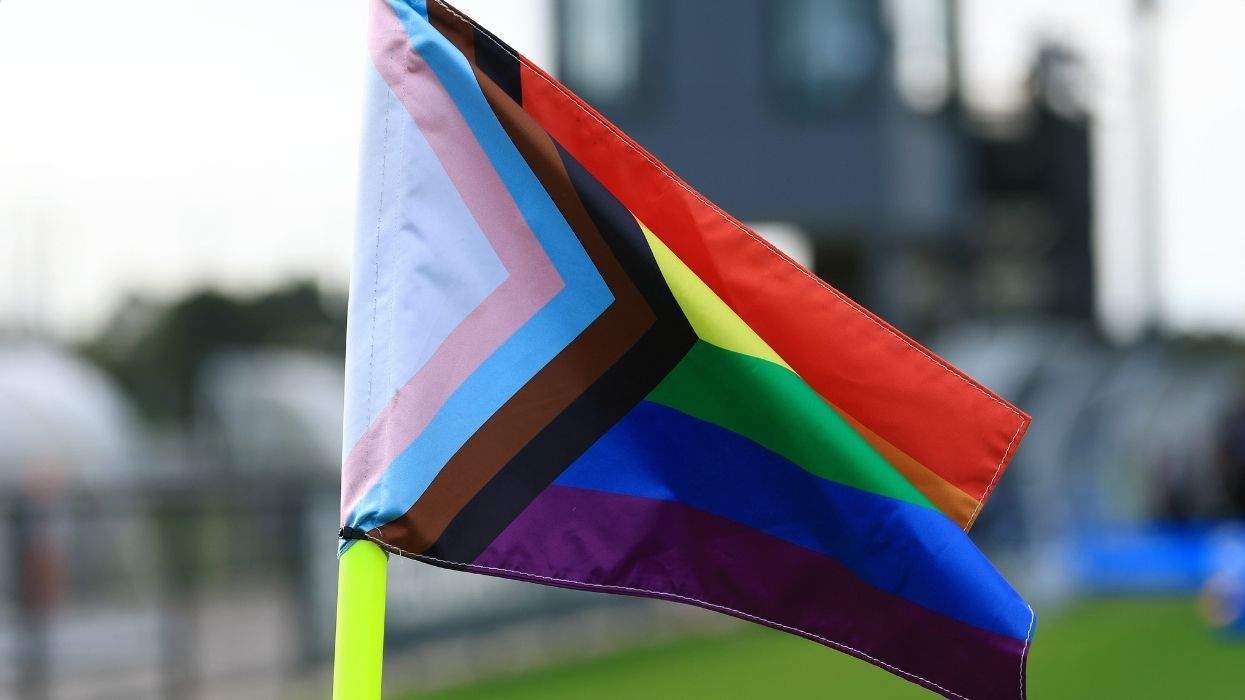
There really is no way to specify your sexual orientation on your census form, except for same-sex couples who are married, registered partners, or cohabitants. Faith Cheltenham, vice president of BiNet, a bisexual, pansexual, and queer-identified advocacy group, suggests that people wanting to identify on their census slap on one of those handy pink stickers from the National Gay and Lesbian Task Force's Queer the Census campaign. The stickers are affixed to the back of the census envelope, where you can identify as gay, lesbian, bisexual, transgender, or a straight ally. If you're stickerless (you have to order by March 22), Cheltenham suggests just writing your sexual orientation or gender identity on the back of the envelope. If you're transgender, the National Center for Transgender Equality suggests checking off the gender with which you identify on the form itself.
Popping the Marriage Question
If you and your partner are legally married, you can mark that you're married on the form. This year the census bureau will show how many people report living with a same-sex partner, but even if you mark that you're married because your state allows it, all same-sex couples -- whether married, domestic partners, in a civil union, or simply cohabiting -- will still be classified by the federal government as "unmarried partners."
Truth or Consequences?
And of course, you could just not fill out your census form, but you'll face a fine. According to the bureau, if you don't fill out one of those forms, you may be fined $100. If you falsify information, you'll be fined up to $500. And if you get caught providing false information to cause an inaccurate count, you'll get slapped with a $1,000 fine and possibly a year in jail.