'%3E%3Cpath d='M16.3574 35.6519H12.9537L15.0491 18.8873L16.3574 35.6519ZM30.4229 54.0093L22.309 0.994385H7.91795L0 54.0093H10.6634L11.5802 46.3855H17.4014L17.9914 54.0093H30.4229Z' fill='%23971B20'/%3E%3Cpath d='M48.2073 41.8813C48.2073 43.4049 47.4892 44.0011 46.1144 44.0011H43.7595V11.0687H46.1144C47.4892 11.0687 48.2073 11.6636 48.2073 13.1885V41.8813ZM59.5273 43.6695V11.3326C59.5273 3.71323 53.5729 0.994385 47.8157 0.994385H31.7213V54.0093H47.8157C53.5729 54.0093 59.5273 51.29 59.5273 43.6695Z' fill='%23971B20'/%3E%3Cpath d='M90.183 0.994385H78.6039L75.0711 30.6157L71.9955 0.994385H59.4346L69.2474 54.0093H80.373L90.183 0.994385Z' fill='%23971B20'/%3E%3Cpath d='M107.063 42.3448C107.063 43.7359 105.951 44.5974 104.643 44.5974C103.269 44.5974 102.157 43.7359 102.157 42.3448V12.658C102.157 11.2676 103.269 10.4058 104.643 10.4058C105.951 10.4058 107.063 11.2676 107.063 12.658V42.3448ZM119.233 43.2723V11.7312C119.233 6.36384 112.952 -3.8147e-06 104.643 -3.8147e-06C96.2667 -3.8147e-06 89.9867 6.36384 89.9867 11.7312V43.2723C89.9867 48.6393 96.2667 55 104.643 55C112.952 55 119.233 48.6393 119.233 43.2723Z' fill='%23971B20'/%3E%3Cpath d='M150.976 43.9349V33.7309H139.069V42.3448C139.069 43.7359 137.957 44.5974 136.582 44.5974C135.076 44.5974 133.964 43.7359 133.964 42.3448V12.658C133.964 11.2676 135.076 10.4058 136.582 10.4058C137.957 10.4058 139.069 11.2676 139.069 12.658V21.2723H150.976V11.0687C150.976 5.70107 145.283 -3.8147e-06 136.582 -3.8147e-06C127.75 -3.8147e-06 121.796 5.70107 121.796 11.0687V43.9349C121.796 49.3022 127.75 55 136.582 55C145.283 55 150.976 49.3022 150.976 43.9349Z' fill='%23971B20'/%3E%3Cpath d='M167.478 35.6519H164.076L166.17 18.8873L167.478 35.6519ZM181.544 54.0093L173.432 0.994385H159.037L151.123 54.0093H161.785L162.704 46.3855H168.523L169.114 54.0093H181.544Z' fill='%23971B20'/%3E%3Cpath d='M205.412 10.4058V0.994385H177.081V10.4058H185.392V54.0093H197.428V10.4058H205.412Z' fill='%23971B20'/%3E%3Cpath d='M230.002 54.0093V43.9349H218.914V31.8746H226.635V21.8028H218.914V10.4058H230.002V0.994385H206.875V54.0093H230.002Z' fill='%23971B20'/%3E%3C/g%3E%3Cdefs%3E%3CclipPath id='clip0_260_7080'%3E%3Crect width='230' height='55' fill='white'/%3E%3C/clipPath%3E%3C/defs%3E%3C/svg%3E)
A federal judge on Monday ordered the Trump administration to disclose internal evidence about how it developed its transgender military ban. She rejected an effort to shield the government’s decision-making from service members fighting to keep their careers.
U.S. District Judge Ana Reyes gave government lawyers 28 days to produce records withheld under deliberative process privilege and arrange answers to relevant questions they had blocked during depositions. She also authorized questioning of former Army Secretary Dan Driscoll.
When a Justice Department attorney protested that disclosure would complicate trial preparations, Reyes held firm.
“I assume that the government is putting the appropriate resources that it needs to handle the case,” she said. “You’re getting the information over to the plaintiff. You’re doing it.”
The plaintiffs, trans service members affected by the ban, are represented by LGBTQ+ civil rights organizations GLAD Law and the National Center for LGBTQ Rights, alongside Wardenski P.C., Zalkind Duncan & Bernstein LLP, Kropf Moseley Schmitt PLLC, and O’Melveny & Myers LLP.
The afternoon teleconference in Talbott v. Trump concerned evidence in a case that will decide whether the administration’s stated concerns about military readiness explain the policy or conceal discrimination against transgender Americans.
“We’re beyond allegations here”
Related: Fireworks in D.C. courtroom as judge hears DOJ request to undo block on trans military ban
Deliberative process privilege generally protects internal discussions that help government officials reach decisions. Reyes ruled that it could not shield the evidence at issue because the government’s intent is central to the plaintiffs’ constitutional claims.
She mentioned her earlier findings that the administration rushed the policy, lacked basic supporting data, failed to analyze contrary evidence, and neglected to evaluate costs and effects on readiness.
“We’re beyond allegations here,” Reyes said. “The court has made preliminary findings on animus.”
In her March 2025 ruling temporarily blocking the policy, Reyes described it as “soaked in animus and dripping with pretext,” finding that the administration’s stated justifications likely concealed discriminatory intent.
Even if the privilege applied, she said, the plaintiffs’ need for evidence controlled exclusively by the government outweighed its disclosure concerns. Sensitive information could receive safeguards, she said.
Reyes left separate attorney-client and attorney work product claims unresolved and clarified that she was not broadly reopening depositions.
“Be judicious,” she said. “Don’t ask for every single one.”
No pause before trial
Justice Department attorney Jared Littman argued that the ruling would prejudice the government as it prepared for trial. Reyes extended her initial 21-day deadline to 28 days but refused to pause the order while the administration considered seeking appellate intervention.
“I’m quite confident that the government can muster its resources to produce some documents,” she said.
The two-week bench trial remains scheduled to begin on January 4, after the administration withdrew its effort to seek a ruling without trial.
“We’re not moving trial date, and we’re all moving forward,” Reyes said.
She permitted a two-hour deposition of Driscoll about his knowledge of the policy, including its implementation. Government lawyers argued that plaintiffs were speculating about his involvement in developing it.
“I’m sure Mr. Driscoll can find two hours in his life to do this,” Reyes said.
She offered to reduce questioning to one hour if the government provided a sworn statement that Driscoll had no relevant conversations with members of the administration’s transition team or Defense Secretary Pete Hegseth and no role in developing the executive order.
Related: Judge hints at federal class action, orders DOJ evidence in trans military ban case
Hegseth’s statements remain in dispute
The hearing followed The Advocate’s reporting Sunday that Hegseth defended his anti-trans rhetoric in sworn written answers while government lawyers sought to exclude those statements from trial. The administration maintains that its restrictions concern medical qualifications, but plaintiffs argue they target transgender people regardless of fitness to serve.
Reyes previously warned that inadequate written answers could lead to Hegseth’s deposition. She did not order that deposition Monday or decide whether his statements would be admitted at trial.
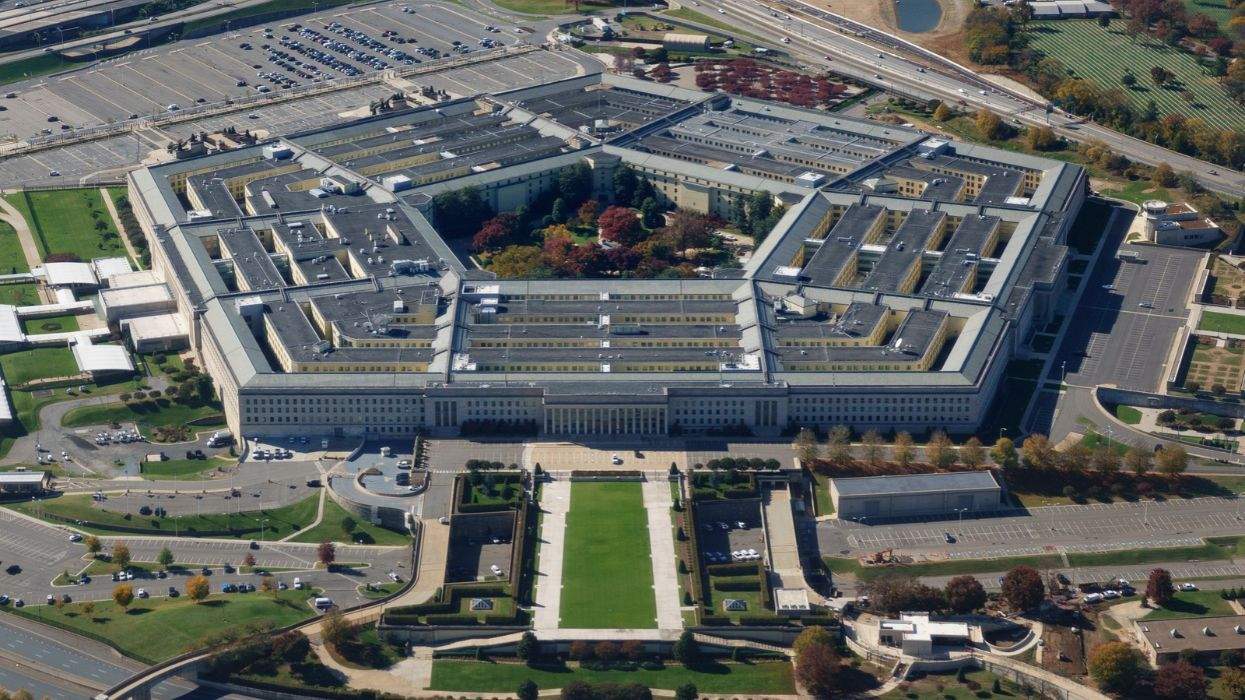
When Littman repeatedly called the Pentagon the Department of War, Reyes corrected him.
“Every time you say Department of War, I’m going to say Department of Defense,” she said.
Hegseth has restyled the Pentagon as the Department of War under a Trump executive order authorizing that secondary title. But changing its legal name requires legislation.
“While we’re in here, we’re going to call it what the statute says,” Reyes said.