'%3E%3Cpath d='M16.3574 35.6519H12.9537L15.0491 18.8873L16.3574 35.6519ZM30.4229 54.0093L22.309 0.994385H7.91795L0 54.0093H10.6634L11.5802 46.3855H17.4014L17.9914 54.0093H30.4229Z' fill='%23971B20'/%3E%3Cpath d='M48.2073 41.8813C48.2073 43.4049 47.4892 44.0011 46.1144 44.0011H43.7595V11.0687H46.1144C47.4892 11.0687 48.2073 11.6636 48.2073 13.1885V41.8813ZM59.5273 43.6695V11.3326C59.5273 3.71323 53.5729 0.994385 47.8157 0.994385H31.7213V54.0093H47.8157C53.5729 54.0093 59.5273 51.29 59.5273 43.6695Z' fill='%23971B20'/%3E%3Cpath d='M90.183 0.994385H78.6039L75.0711 30.6157L71.9955 0.994385H59.4346L69.2474 54.0093H80.373L90.183 0.994385Z' fill='%23971B20'/%3E%3Cpath d='M107.063 42.3448C107.063 43.7359 105.951 44.5974 104.643 44.5974C103.269 44.5974 102.157 43.7359 102.157 42.3448V12.658C102.157 11.2676 103.269 10.4058 104.643 10.4058C105.951 10.4058 107.063 11.2676 107.063 12.658V42.3448ZM119.233 43.2723V11.7312C119.233 6.36384 112.952 -3.8147e-06 104.643 -3.8147e-06C96.2667 -3.8147e-06 89.9867 6.36384 89.9867 11.7312V43.2723C89.9867 48.6393 96.2667 55 104.643 55C112.952 55 119.233 48.6393 119.233 43.2723Z' fill='%23971B20'/%3E%3Cpath d='M150.976 43.9349V33.7309H139.069V42.3448C139.069 43.7359 137.957 44.5974 136.582 44.5974C135.076 44.5974 133.964 43.7359 133.964 42.3448V12.658C133.964 11.2676 135.076 10.4058 136.582 10.4058C137.957 10.4058 139.069 11.2676 139.069 12.658V21.2723H150.976V11.0687C150.976 5.70107 145.283 -3.8147e-06 136.582 -3.8147e-06C127.75 -3.8147e-06 121.796 5.70107 121.796 11.0687V43.9349C121.796 49.3022 127.75 55 136.582 55C145.283 55 150.976 49.3022 150.976 43.9349Z' fill='%23971B20'/%3E%3Cpath d='M167.478 35.6519H164.076L166.17 18.8873L167.478 35.6519ZM181.544 54.0093L173.432 0.994385H159.037L151.123 54.0093H161.785L162.704 46.3855H168.523L169.114 54.0093H181.544Z' fill='%23971B20'/%3E%3Cpath d='M205.412 10.4058V0.994385H177.081V10.4058H185.392V54.0093H197.428V10.4058H205.412Z' fill='%23971B20'/%3E%3Cpath d='M230.002 54.0093V43.9349H218.914V31.8746H226.635V21.8028H218.914V10.4058H230.002V0.994385H206.875V54.0093H230.002Z' fill='%23971B20'/%3E%3C/g%3E%3Cdefs%3E%3CclipPath id='clip0_260_7080'%3E%3Crect width='230' height='55' fill='white'/%3E%3C/clipPath%3E%3C/defs%3E%3C/svg%3E)


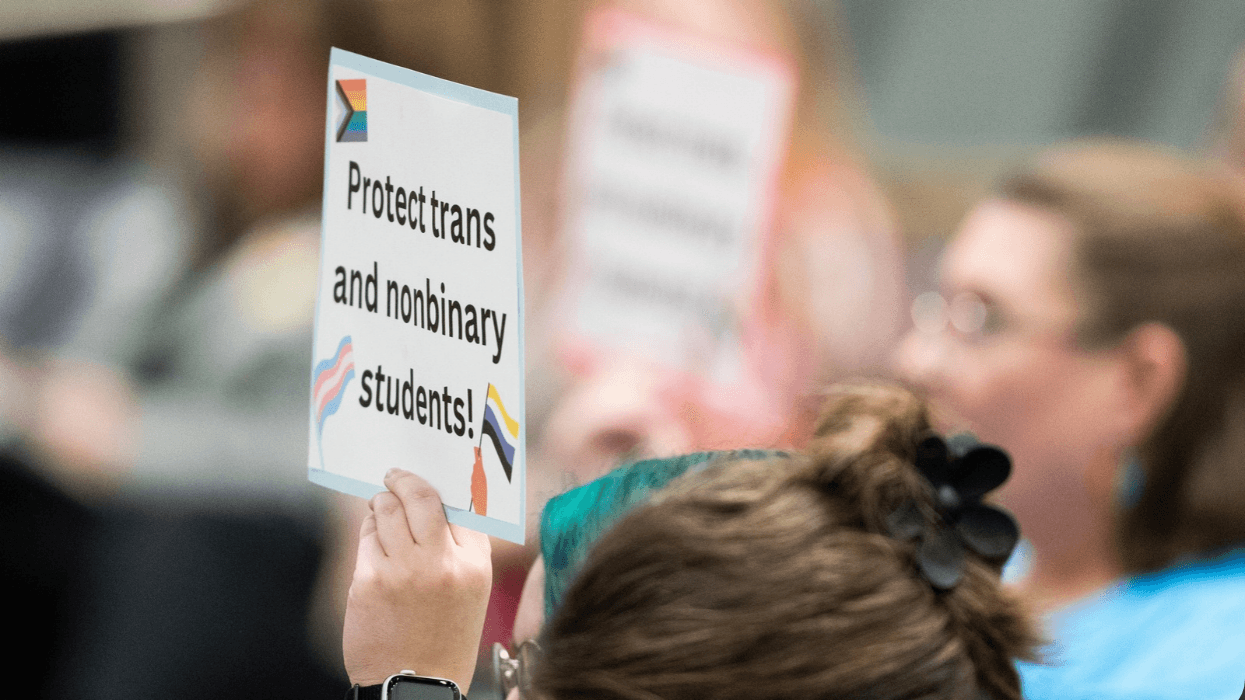
It’s back-to-school time, and for LGBTQ+ parents and their children — who remain on the front lines of the fight over whose families belong in the classroom — there are reasons for concern going into the new year, as well as reasons for hope.
Two recent Supreme Court decisions have shaped a new reality for LGBTQ+ families in the classroom. The first, Mahmoud v. Taylor, challenged elementary school lessons that featured LGBTQ+ characters in storybooks. In this case, the Court gave some parents new grounds to seek exemptions from instruction that conflicts with their religious beliefs, and school boards, administrators, and teachers now must determine how to implement Mahmoud while providing an education that reflects the students in their classrooms. In a post-Mahmoud world, parents should pay attention to proposed changes in curriculum, opt-out procedures, and classroom materials and be ready to speak up when those changes single out LGBTQ+ people or erase them from the classroom.
The other major cases for LGBTQ+ families in schools are West Virginia v. B.P.J. and Little v. Hecox. The Court decided that states may exclude transgender girls from girls’ school sports under the laws challenged in those cases. The decision could affect transgender kids across the country, but that does not mean the issue is settled. At the core of this decision is the choice to give power back to states and communities. Now is the time to speak out for trans rights, even if you yourself are not trans or do not have a trans child. Solidarity in this moment will show that we will not be divided by people who wish to use girls’ sports as a weapon to demonize trans children.
In addition to navigating the cases above, there are concrete ways you can advocate for inclusion in your child’s classroom:
- Know your school’s policies. Find out what your district says about LGBTQ+ students and families, curriculum, parental notification, student privacy, and extracurricular activities.
- Ask questions before a problem arises. Introduce yourself to your child’s teacher. Ask how the school approaches different kinds of families and whether LGBTQ+ people and families are represented in classroom materials. Use our email templates for early outreach.
- Document what happens. If your child encounters discrimination or exclusion, save emails, school notices, and relevant policies. Write down dates of conversations and next steps from meetings with the principal and other administrators.
- Remember that you have allies. Talk with other parents, educators, and local LGBTQ+ organizations. You do not have to do it alone. You can also reach out to Family Equality for help and access resources on our website.
Remember, too, that despite recent setbacks, we have made a lot of progress. Eight states have laws requiring an LGBTQ+-inclusive curriculum, and many are just rolling out implementation. That means that millions of children will learn about LGBTQ+ people and their contributions to society when they would not have in previous years. I can only imagine what it would have been like to see myself reflected in school curricula, and we know that this education helps all kids with their academic achievement.
While we must continue to fight for more progress, the progress already made gives me hope that we will come out of these hard times even stronger than before.
Nikhil Vashee (they/them) is the Senior Director of Education Law & Policy for Family Equality, a national nonprofit that protects and advances freedoms for LGBTQ+ families.
Learn more about Family Equality’s resources for LGBTQ+ families at FamilyEquality.org.
Opinion is dedicated to featuring a wide range of inspiring personal stories and impactful opinions from the LGBTQ+ community and its allies. Visit Advocate.com/submit to learn more about submission guidelines. We welcome your thoughts and feedback on any of our stories. Email us at voices@equalpride.com. Views expressed in Voices stories are those of the guest writers, columnists, and editors, and do not directly represent the views of The Advocate or our parent company, equalpride.