'%3E%3Cpath d='M16.3574 35.6519H12.9537L15.0491 18.8873L16.3574 35.6519ZM30.4229 54.0093L22.309 0.994385H7.91795L0 54.0093H10.6634L11.5802 46.3855H17.4014L17.9914 54.0093H30.4229Z' fill='%23971B20'/%3E%3Cpath d='M48.2073 41.8813C48.2073 43.4049 47.4892 44.0011 46.1144 44.0011H43.7595V11.0687H46.1144C47.4892 11.0687 48.2073 11.6636 48.2073 13.1885V41.8813ZM59.5273 43.6695V11.3326C59.5273 3.71323 53.5729 0.994385 47.8157 0.994385H31.7213V54.0093H47.8157C53.5729 54.0093 59.5273 51.29 59.5273 43.6695Z' fill='%23971B20'/%3E%3Cpath d='M90.183 0.994385H78.6039L75.0711 30.6157L71.9955 0.994385H59.4346L69.2474 54.0093H80.373L90.183 0.994385Z' fill='%23971B20'/%3E%3Cpath d='M107.063 42.3448C107.063 43.7359 105.951 44.5974 104.643 44.5974C103.269 44.5974 102.157 43.7359 102.157 42.3448V12.658C102.157 11.2676 103.269 10.4058 104.643 10.4058C105.951 10.4058 107.063 11.2676 107.063 12.658V42.3448ZM119.233 43.2723V11.7312C119.233 6.36384 112.952 -3.8147e-06 104.643 -3.8147e-06C96.2667 -3.8147e-06 89.9867 6.36384 89.9867 11.7312V43.2723C89.9867 48.6393 96.2667 55 104.643 55C112.952 55 119.233 48.6393 119.233 43.2723Z' fill='%23971B20'/%3E%3Cpath d='M150.976 43.9349V33.7309H139.069V42.3448C139.069 43.7359 137.957 44.5974 136.582 44.5974C135.076 44.5974 133.964 43.7359 133.964 42.3448V12.658C133.964 11.2676 135.076 10.4058 136.582 10.4058C137.957 10.4058 139.069 11.2676 139.069 12.658V21.2723H150.976V11.0687C150.976 5.70107 145.283 -3.8147e-06 136.582 -3.8147e-06C127.75 -3.8147e-06 121.796 5.70107 121.796 11.0687V43.9349C121.796 49.3022 127.75 55 136.582 55C145.283 55 150.976 49.3022 150.976 43.9349Z' fill='%23971B20'/%3E%3Cpath d='M167.478 35.6519H164.076L166.17 18.8873L167.478 35.6519ZM181.544 54.0093L173.432 0.994385H159.037L151.123 54.0093H161.785L162.704 46.3855H168.523L169.114 54.0093H181.544Z' fill='%23971B20'/%3E%3Cpath d='M205.412 10.4058V0.994385H177.081V10.4058H185.392V54.0093H197.428V10.4058H205.412Z' fill='%23971B20'/%3E%3Cpath d='M230.002 54.0093V43.9349H218.914V31.8746H226.635V21.8028H218.914V10.4058H230.002V0.994385H206.875V54.0093H230.002Z' fill='%23971B20'/%3E%3C/g%3E%3Cdefs%3E%3CclipPath id='clip0_260_7080'%3E%3Crect width='230' height='55' fill='white'/%3E%3C/clipPath%3E%3C/defs%3E%3C/svg%3E)
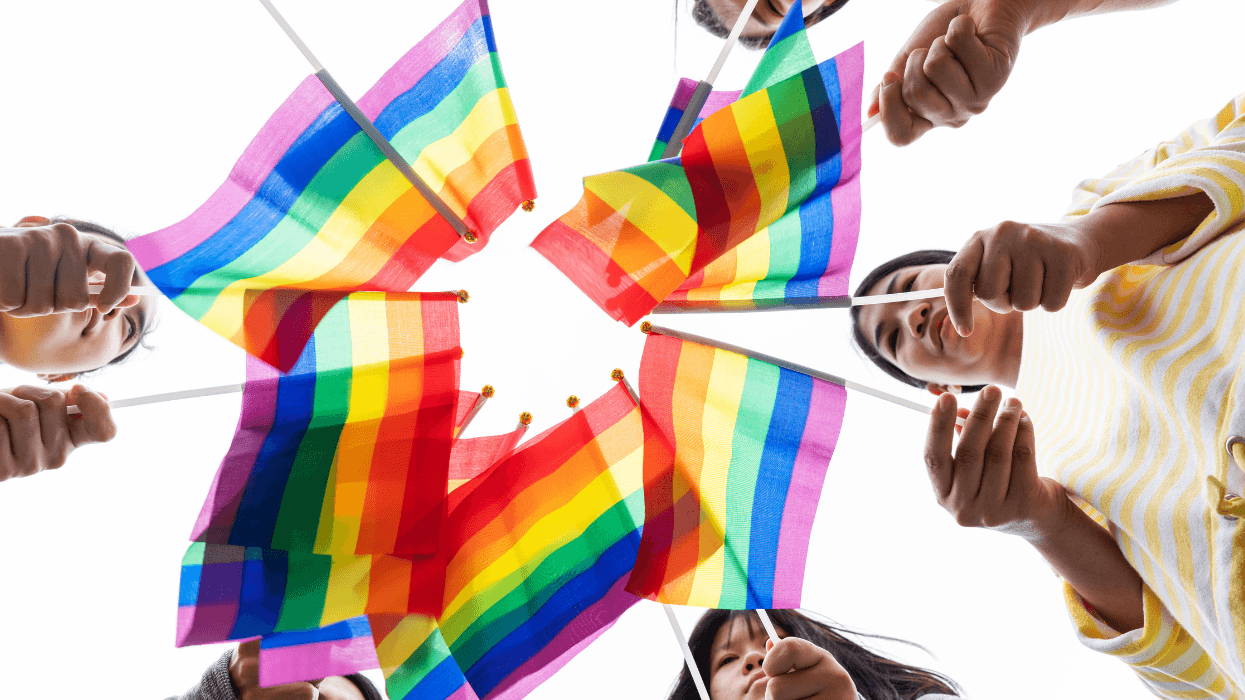

What the queer movement has been doing isn’t working, and it’s obvious. You see the evidence every day: political gains stripped away; our right to marry under threat; youth, trans, and BIPOC people and services attacked; shootings at gay bars; arrests in Turkey – you’re already thinking of more threats and losses to add to the list. You already know. The pendulum only swings back and forth because we haven’t played to win, and our opponents know that if we claim our power, they’ll lose.
LGBTQIA+ people have been trained into victimhood as a way of life, and our movement for liberty, safety, and well-being has operated from that place of lack, scarcity, and trauma. We must focus our queer drive to challenge and question everything on our own progress, learn our lessons, and change direction rather than repeat past mistakes just because they’re tradition.
The dominance and celebrity of political activism trapped many queer activists in tactics that do not deliver the outcomes we want. We imagine political revolution to be our only goal, despite the fact that electing pro-LGBTQIA+ politicians rarely results in rapid or permanent progress. The progress we win does little to reduce the daily suffering of the many LGBTQIA+ people who can’t find a job with a living wage, safe housing, affirming health care, or even simple community connectedness.
Of course, we have to robustly pursue politics, but as only one arm of our strategy. As long as LGBTQIA+ activism is focused on lack, and perpetually waiting for cishet people to provide for us, we are not empowered to solve our own problems.
Our movement is also struggling because of a huge drop-off in nonprofit funding, especially in the last few years as too many foundations and corporations bent under pressure to eliminate DEI efforts. Many companies are afraid to continue publicly supporting LGBTQIA+ and BIPOC people, and, until now, we have not adjusted our expectations to provide a path that works for them to continue to give. Individual donations slowed as a consequence of the struggling economy – which AI is likely to degrade even further – and the deadly urgency of other causes.
Our LGBTQIA+ organizations are vulnerable to these conditions because we did not build infrastructure that can take a hit. Instead, we built thousands of queer nonprofit systems, each distinct, duplicating operational expenses and, too often, reinventing the wheel. We still operate in silos, each hacking at the leaves of oppression when, if we worked together, we could strike at the root.
Everyone did their best, but the resulting movement structure was weak because we lacked information and technology. We ignored our need for a national, long-term strategy while we enjoyed what turned out to be temporary proximity to power in the White House and corporate America. We built our movement on sand, not rock, and have been overwhelmed by the tide of opposition rolling back in because anti-queer forces never stopped organizing against us.
The LGBTQIA+ movement can succeed if we stop pinning all our hopes solely on politics and shift resources to new tactics. Audre Lorde cautions us that, “Hope is counter-revolutionary. Pressure cooks.” And LGBTQIA+ people can apply a lot more pressure.
According to the Public Religion Research Institute, 192 million people – 72 percent of American adults – support LGBTQIA+ nondiscrimination. There are 26 million LGBTQIA+ adults, according to HRC, and PRRI researchers expect 23 to 28 percent of Gen Alpha to identify as queer, just like Gen Z.
LGBTQIA+ people and allies dramatically outnumber our attackers, and queer economic power has never been stronger, at $1.7 trillion, reports NGLCC.
We don’t lack leverage or allies or money; we’re just not good at throwing our weight around. Movement work is judo, not boxing. We have to arrange the elements properly if we want the pieces to fall our way.
“The Master’s tools will never dismantle the Master’s house,” as Lorde teaches, but we can build a new house.
Queer people must build a clear, coordinated movement system, a resilient infrastructure that delivers the outcomes we want:
- All LGBTQIA+ people and allies in the U.S. connected in deep, diverse, mutually supportive community relationships, including youth and elders.
- Access to LGBTQIA+-competent health care for everyone.
- Emergency support that protects, stabilizes, and nurtures LGBTQIA+ people in crisis.
- Emotional and spiritual healing from racism, misogyny, trauma, and oppression for all.
- Cultural change that reliably extends our support among cishet people.
- Friendly businesses that are unwavering in their support.
- Perpetual funding that keeps resources moving to LGBTQIA+ people and organizations.
The movement infrastructure LGBTQIA+ people and allies need to achieve those goals is in development at the QWELL Community Foundation.
Launching in 2027, QWELL’s “Virtual LGBTQIA+ Community Center App” leverages queer and ally strengths to create change.
Remember our $1.7 trillion in buying power? Ninety-six percent of LGBTQIA+ people believe that it’s important to spend their money with queer-friendly businesses. QWELL’s nonprofit app enables us to fulfill that covenant for the first time, using a private directory to drive LGBTQIA+ consumers and allies to support queer-friendly businesses and organizations. The goal is to make “Everything Queer, Radically Secure” available to every person and organization who needs it – but inaccessible to bad actors.
Our money only becomes buying power when you focus your spending.
As mentioned, 192 million Americans support us, and QWELL’s app nurtures relationships with our LGBTQIA+ neighbors and allies. Anonymous app members earn rewards for sharing meals at restaurants in every neighborhood, forming cross-racial, intergenerational friendships in which we can put aside our identity performance and be loved as our full selves. Connections cultivate courage – including the courage to stand up for each other. Visibility and political impact are results, not the means.
What would the world be like if the LGBTQIA+ movement had spent the last century collaborating with allies to cultivate liberty, safety, and well-being instead of fighting for visibility?
Visibility is how we experience validation – now exacerbated by social media – but it was always the wrong metric for improving LGBTQIA+ quality of life. Visibility was always a risk, and these dangerous times clarify that queer visibility was the wrong ground on which to build. Instead, we must change tactics to maximize the safety, well-being, and connectedness of LGBTQIA+ people, allies, and businesses, for the permanent success of our movement.
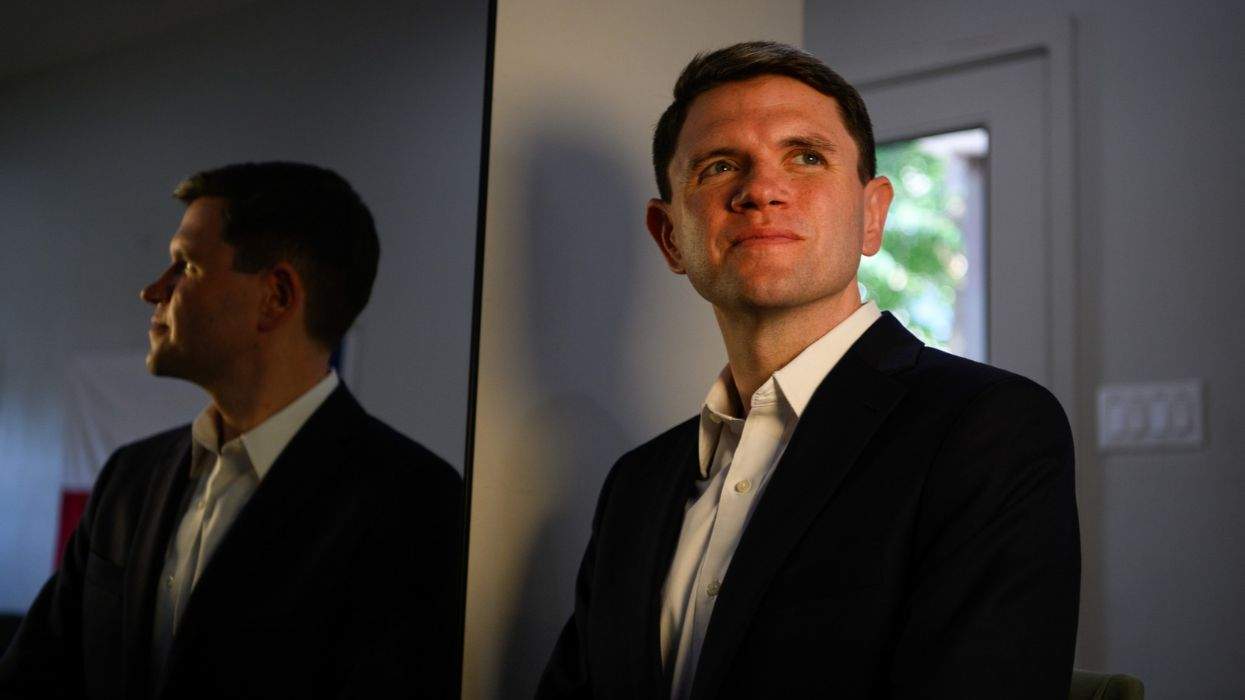
Clayton Gibson (he/him) is based in Austin, Texas, and is the executive director of QWELL Community Foundation.
Opinion is dedicated to featuring a wide range of inspiring personal stories and impactful opinions from the LGBTQ+ community and its allies. Visit Advocate.com/submit to learn more about submission guidelines. We welcome your thoughts and feedback on any of our stories. Email us at voices@equalpride.com. Views expressed in Voices stories are those of the guest writers, columnists, and editors, and do not directly represent the views of The Advocate or our parent company, equalpride.