'%3E%3Cpath d='M16.3574 35.6519H12.9537L15.0491 18.8873L16.3574 35.6519ZM30.4229 54.0093L22.309 0.994385H7.91795L0 54.0093H10.6634L11.5802 46.3855H17.4014L17.9914 54.0093H30.4229Z' fill='%23971B20'/%3E%3Cpath d='M48.2073 41.8813C48.2073 43.4049 47.4892 44.0011 46.1144 44.0011H43.7595V11.0687H46.1144C47.4892 11.0687 48.2073 11.6636 48.2073 13.1885V41.8813ZM59.5273 43.6695V11.3326C59.5273 3.71323 53.5729 0.994385 47.8157 0.994385H31.7213V54.0093H47.8157C53.5729 54.0093 59.5273 51.29 59.5273 43.6695Z' fill='%23971B20'/%3E%3Cpath d='M90.183 0.994385H78.6039L75.0711 30.6157L71.9955 0.994385H59.4346L69.2474 54.0093H80.373L90.183 0.994385Z' fill='%23971B20'/%3E%3Cpath d='M107.063 42.3448C107.063 43.7359 105.951 44.5974 104.643 44.5974C103.269 44.5974 102.157 43.7359 102.157 42.3448V12.658C102.157 11.2676 103.269 10.4058 104.643 10.4058C105.951 10.4058 107.063 11.2676 107.063 12.658V42.3448ZM119.233 43.2723V11.7312C119.233 6.36384 112.952 -3.8147e-06 104.643 -3.8147e-06C96.2667 -3.8147e-06 89.9867 6.36384 89.9867 11.7312V43.2723C89.9867 48.6393 96.2667 55 104.643 55C112.952 55 119.233 48.6393 119.233 43.2723Z' fill='%23971B20'/%3E%3Cpath d='M150.976 43.9349V33.7309H139.069V42.3448C139.069 43.7359 137.957 44.5974 136.582 44.5974C135.076 44.5974 133.964 43.7359 133.964 42.3448V12.658C133.964 11.2676 135.076 10.4058 136.582 10.4058C137.957 10.4058 139.069 11.2676 139.069 12.658V21.2723H150.976V11.0687C150.976 5.70107 145.283 -3.8147e-06 136.582 -3.8147e-06C127.75 -3.8147e-06 121.796 5.70107 121.796 11.0687V43.9349C121.796 49.3022 127.75 55 136.582 55C145.283 55 150.976 49.3022 150.976 43.9349Z' fill='%23971B20'/%3E%3Cpath d='M167.478 35.6519H164.076L166.17 18.8873L167.478 35.6519ZM181.544 54.0093L173.432 0.994385H159.037L151.123 54.0093H161.785L162.704 46.3855H168.523L169.114 54.0093H181.544Z' fill='%23971B20'/%3E%3Cpath d='M205.412 10.4058V0.994385H177.081V10.4058H185.392V54.0093H197.428V10.4058H205.412Z' fill='%23971B20'/%3E%3Cpath d='M230.002 54.0093V43.9349H218.914V31.8746H226.635V21.8028H218.914V10.4058H230.002V0.994385H206.875V54.0093H230.002Z' fill='%23971B20'/%3E%3C/g%3E%3Cdefs%3E%3CclipPath id='clip0_260_7080'%3E%3Crect width='230' height='55' fill='white'/%3E%3C/clipPath%3E%3C/defs%3E%3C/svg%3E)
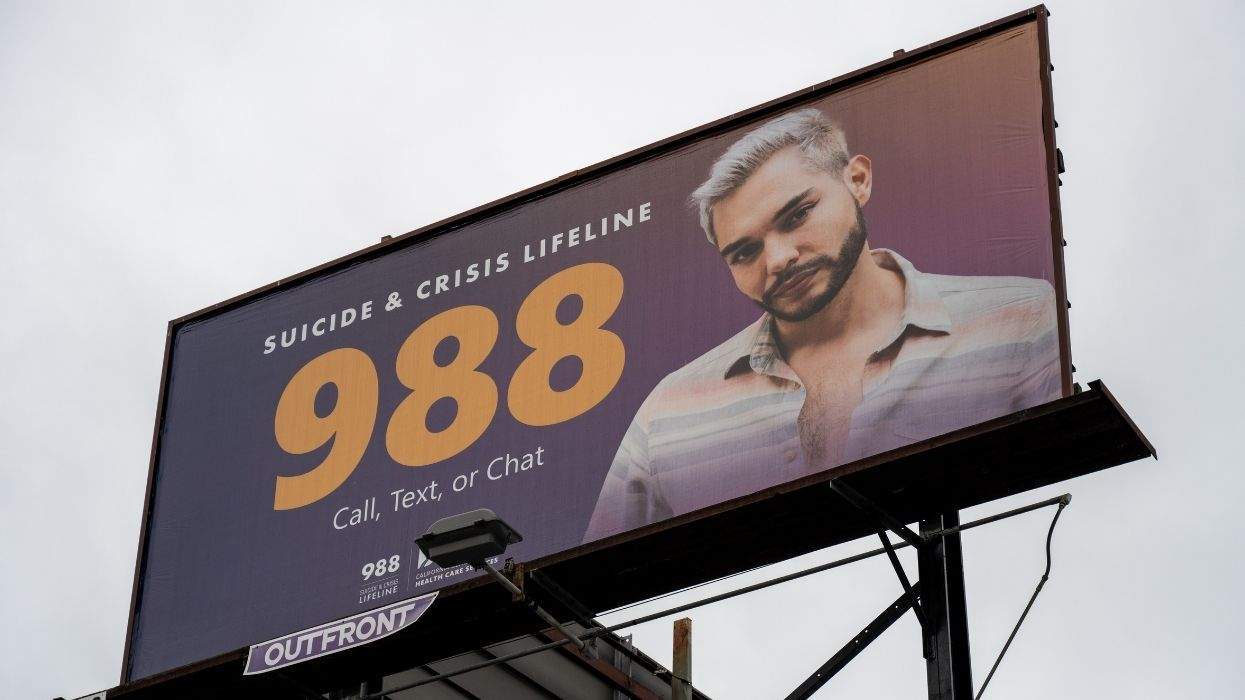
Less than a year after the Trump administration eliminated the specialized LGBTQ+ youth option within the 988 Suicide & Crisis Lifeline, California lawmakers are advancing legislation to bring it back.
Assembly Bill 1540, introduced by Assemblymember Mark González, would require California officials to establish a pathway for callers to dial 988 and connect directly with counselors trained to work with LGBTQ+ youth in crisis, effectively recreating the "Press 3" option that disappeared nationwide last summer.
The bill passed the Assembly last week on a 64-8 vote and now heads to the Senate.
Related: These crisis hotlines are still available for LGBTQ+ youth after Trump ends special 988 services
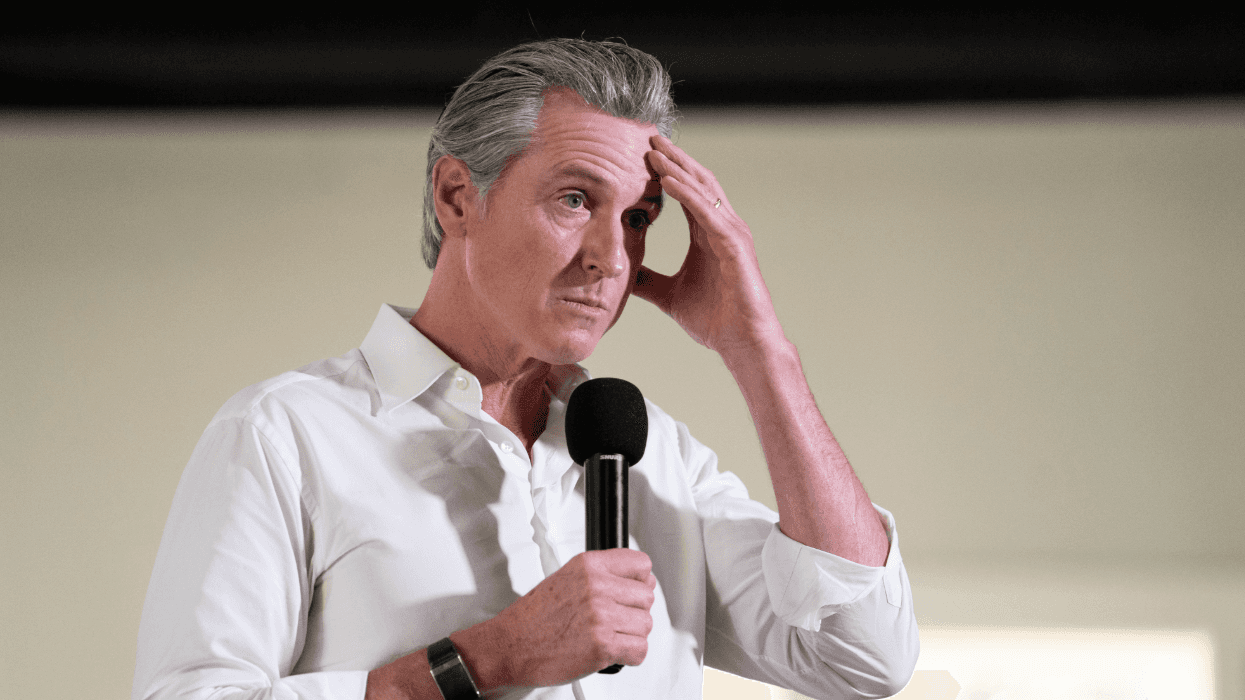
For González, a gay Democrat representing Los Angeles County's 54th Assembly District, the measure is about more than a hotline. It is about whether states will step in as federal protections and programs affecting LGBTQ+ people disappear.
"We knew what this federal administration was going to do on day one," González told The Advocate in an interview. "We knew this federal administration was going to attack women, LGBTQ individuals, people of color, and our immigrant population."
Last year, the Trump administration ordered the closure of the LGBTQ+ Youth Specialized Services program within the national 988 Suicide & Crisis Lifeline. Beginning in 2022, callers could press 3 after dialing 988 or text "PRIDE" to connect with counselors trained to work specifically with LGBTQ+ young people experiencing a mental health crisis.
The service officially ended on July 17, 2025, after the Substance Abuse and Mental Health Services Administration announced it would "no longer silo LGB+ youth services" and would instead focus on serving all callers through the broader 988 network. The agency's announcement notably omitted any reference to transgender people, who the federal government does not acknowledge per an executive order by President Donald Trump on the day of his second inauguration in January 2025.
The shutdown drew widespread criticism from LGBTQ+ advocates, mental health professionals, and lawmakers who argued the move stripped away a proven resource for a population facing elevated risks of depression, suicidal ideation, and suicide attempts.
California’s proposal is designed as a direct response.
"California is going to stick up to this federal administration," González said. "We are going to save the lives of our LGBTQ youth, and we're going to make sure that we put a bill in place," restoring the service.
The specialized network had become one of the most heavily used components of the national crisis system before its elimination.
According to legislative materials supporting AB 1540, the LGBTQ+ youth subnetwork received more than 73,000 contacts from California between July 2024 and June 2025, accounting for roughly 9 percent of all contacts routed through the network during that period. Nationwide, the service handled more than 680,000 contacts in a single year, representing approximately 14 percent of all 988 contacts.
The Trevor Project, one of the organizations that staffed the specialized network, said the service connected more than 1.5 million crisis contacts to trained counselors between its launch in 2022 and its closure in 2025.
Those figures have become a central argument for supporters of the California proposal, who reject claims that LGBTQ+-specific services are unnecessary.
The legislation's supporters point to a substantial body of research showing LGBTQ+ youth experience disproportionately high rates of mental health challenges and suicide risk.
The Assembly Health Committee's analysis cites data from The Trevor Project showing that 39 percent of LGBTQ+ young people seriously considered suicide in the previous year, including 46 percent of transgender and nonbinary youth. More than 1 in 10 reported attempting suicide. The analysis also cites research findings that affirming services, supportive adults, and LGBTQ+-inclusive environments can significantly reduce suicide risk.
"It's heartbreaking to see a lifeline that received 1.5 million contacts over three years ripped away over political talking points," González wrote in legislative materials supporting the bill. The issue is also personal for him. During his interview with The Advocate, González described a friend who sought help through 988 during a mental health crisis before later dying by suicide.
"I shared a personal story about a friend of mine who utilized 988 in early April, and it did help save his life," González said. "And then, unfortunately, as of early May, he took his own life."
The experience, he said, highlights how dependent many people are on crisis intervention services. "You have individuals who are relying so heavily on an infrastructure and assistance just to be able to talk to somebody and not take their life," González said.
AB 1540 would require the California Office of Emergency Services to ensure that technology exists to route callers who dial 988 to LGBTQ+ specialized youth suicide prevention providers. It would also establish a state grant program for qualified organizations and make funding available through California's existing 988 behavioral health crisis system.
The legislation was amended to acknowledge the major challenge of the national 988 system remaining federally administered. Under the bill, California would formally request federal approval to establish a state-specific LGBTQ+ routing option. Last year, González authored a separate law requiring many California middle schools, high schools, and public colleges to print The Trevor Project's crisis hotline information on student identification cards.
As Pride Month begins, González said the fight over the hotline is ultimately about whether LGBTQ+ young people know someone is there when they need help. "We always have to remember Pride was a protest. It's not a party," he said. "The reason why you have Pride is to tell people that you're celebrated, you're one of us, you're with us." For González, the debate over AB 1540 comes down to something simpler than politics.
"It's not legislating lives," he said. "It's saving lives."
If you or someone you know needs mental health resources and support, please call, text, or chat with the 988 Suicide & Crisis Lifeline or visit 988lifeline.org for 24/7 access to free and confidential services. Trans Lifeline, designed for transgender or gender-nonconforming people, can be reached at (877) 565-8860. The lifeline also provides resources to help with other crises, such as domestic violence situations. The Trevor Project Lifeline, for LGBTQ+ youth (ages 24 and younger), can be reached at (866) 488-7386. Users can also access chat services at TheTrevorProject.org/Help or text START to 678678.