'%3E%3Cpath d='M16.3574 35.6519H12.9537L15.0491 18.8873L16.3574 35.6519ZM30.4229 54.0093L22.309 0.994385H7.91795L0 54.0093H10.6634L11.5802 46.3855H17.4014L17.9914 54.0093H30.4229Z' fill='%23971B20'/%3E%3Cpath d='M48.2073 41.8813C48.2073 43.4049 47.4892 44.0011 46.1144 44.0011H43.7595V11.0687H46.1144C47.4892 11.0687 48.2073 11.6636 48.2073 13.1885V41.8813ZM59.5273 43.6695V11.3326C59.5273 3.71323 53.5729 0.994385 47.8157 0.994385H31.7213V54.0093H47.8157C53.5729 54.0093 59.5273 51.29 59.5273 43.6695Z' fill='%23971B20'/%3E%3Cpath d='M90.183 0.994385H78.6039L75.0711 30.6157L71.9955 0.994385H59.4346L69.2474 54.0093H80.373L90.183 0.994385Z' fill='%23971B20'/%3E%3Cpath d='M107.063 42.3448C107.063 43.7359 105.951 44.5974 104.643 44.5974C103.269 44.5974 102.157 43.7359 102.157 42.3448V12.658C102.157 11.2676 103.269 10.4058 104.643 10.4058C105.951 10.4058 107.063 11.2676 107.063 12.658V42.3448ZM119.233 43.2723V11.7312C119.233 6.36384 112.952 -3.8147e-06 104.643 -3.8147e-06C96.2667 -3.8147e-06 89.9867 6.36384 89.9867 11.7312V43.2723C89.9867 48.6393 96.2667 55 104.643 55C112.952 55 119.233 48.6393 119.233 43.2723Z' fill='%23971B20'/%3E%3Cpath d='M150.976 43.9349V33.7309H139.069V42.3448C139.069 43.7359 137.957 44.5974 136.582 44.5974C135.076 44.5974 133.964 43.7359 133.964 42.3448V12.658C133.964 11.2676 135.076 10.4058 136.582 10.4058C137.957 10.4058 139.069 11.2676 139.069 12.658V21.2723H150.976V11.0687C150.976 5.70107 145.283 -3.8147e-06 136.582 -3.8147e-06C127.75 -3.8147e-06 121.796 5.70107 121.796 11.0687V43.9349C121.796 49.3022 127.75 55 136.582 55C145.283 55 150.976 49.3022 150.976 43.9349Z' fill='%23971B20'/%3E%3Cpath d='M167.478 35.6519H164.076L166.17 18.8873L167.478 35.6519ZM181.544 54.0093L173.432 0.994385H159.037L151.123 54.0093H161.785L162.704 46.3855H168.523L169.114 54.0093H181.544Z' fill='%23971B20'/%3E%3Cpath d='M205.412 10.4058V0.994385H177.081V10.4058H185.392V54.0093H197.428V10.4058H205.412Z' fill='%23971B20'/%3E%3Cpath d='M230.002 54.0093V43.9349H218.914V31.8746H226.635V21.8028H218.914V10.4058H230.002V0.994385H206.875V54.0093H230.002Z' fill='%23971B20'/%3E%3C/g%3E%3Cdefs%3E%3CclipPath id='clip0_260_7080'%3E%3Crect width='230' height='55' fill='white'/%3E%3C/clipPath%3E%3C/defs%3E%3C/svg%3E)

At The Advocate we've worked hard to keep people talking about the issues of the day, though the response to some articles was not always what we expected. Sometimes we got it wrong, and sometimes, despite our best efforts (or because of them), we became part of the news ourselves.
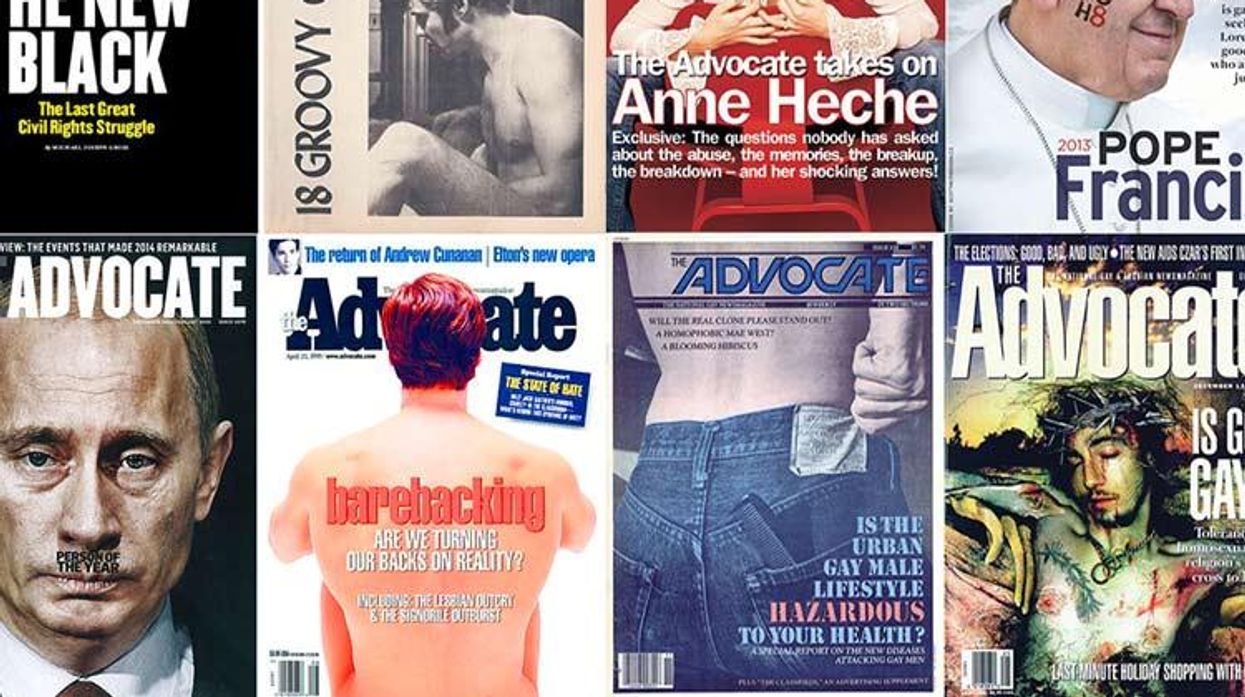
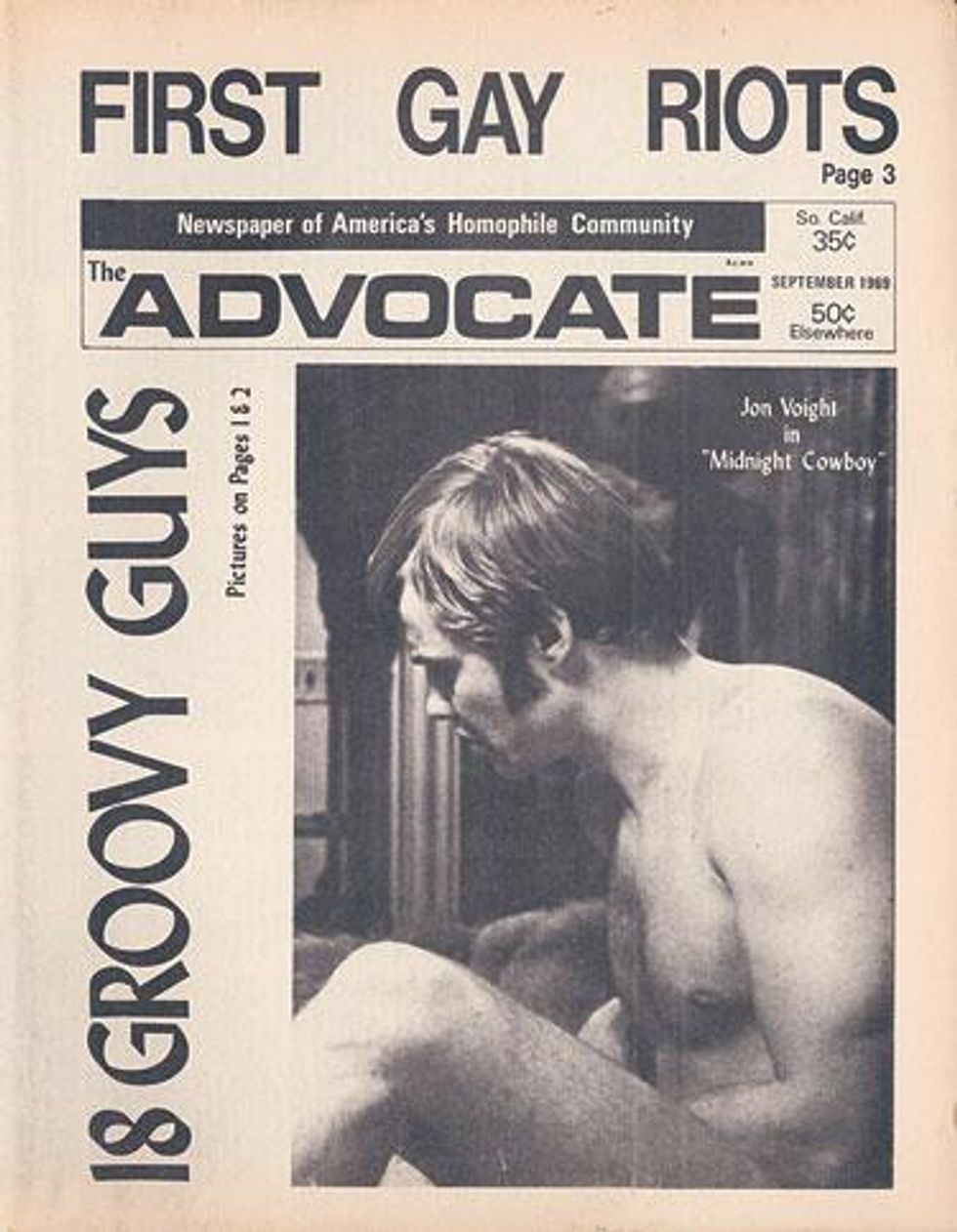 September 1969: The "Newspaper of America's Homophile Community," as The Advocate called itself then, relegated the Stonewall riots to page 3, while a still image from Midnight Cowboy featuring a naked Jon Voight took the cover.
April 23, 1975: The Advocate became a contender, landing an interview with up-and-coming star and Continental Baths diva Bette Midler. None other than legendary queer photographer Annie Leibovitz snapped the accompanying photo of Midler primping for a performance, while her PR team sweated over the "gay" interview.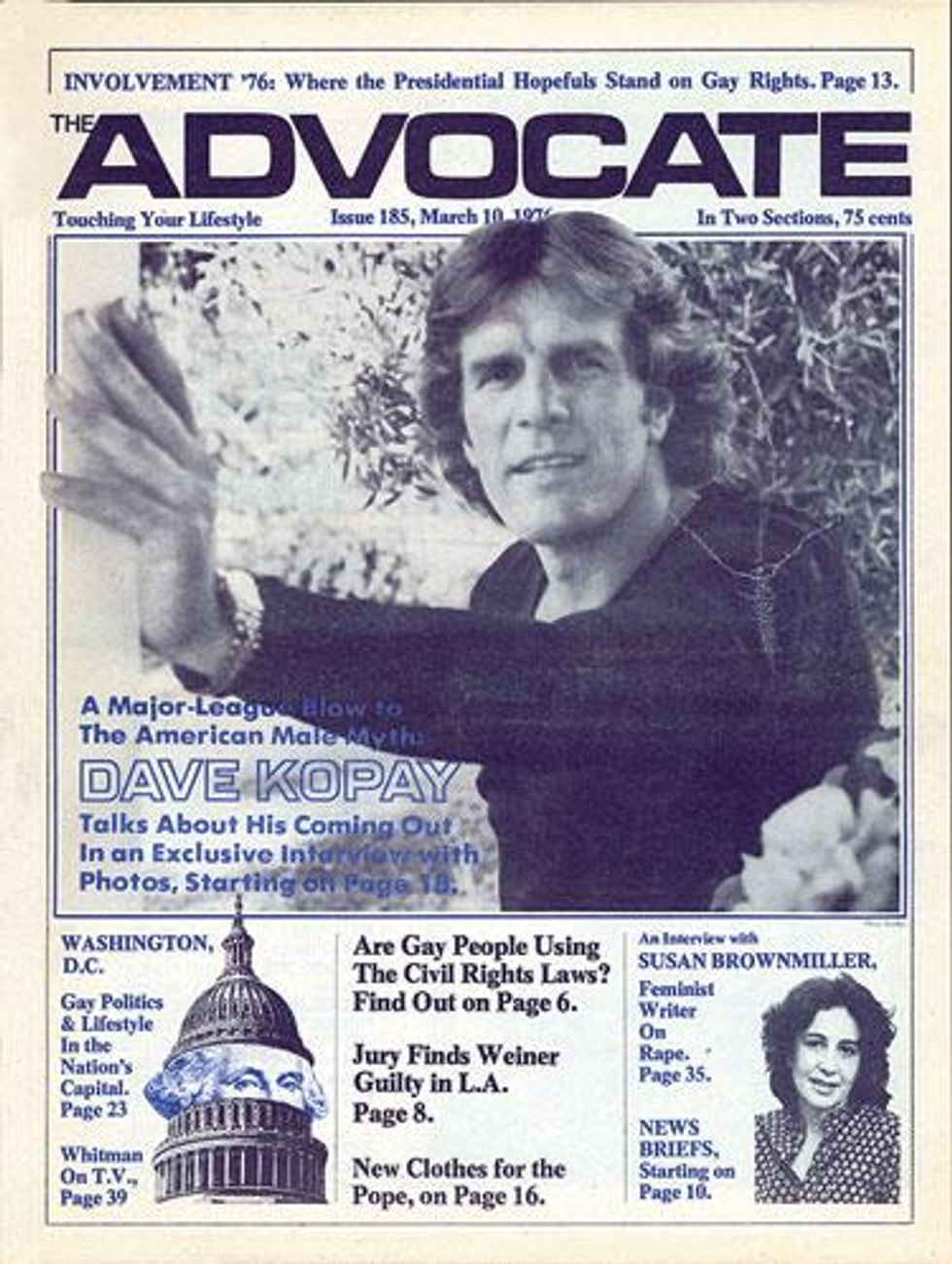 March 10, 1976: Former San Francisco 49ers running back Dave Kopay was the first major pro athlete to come out when he shared his story with The Washington Star in December 1975. A few months later he spoke to The Advocate about being gay in the locker room and his decision to come out.
August 7, 1980: With an image of San Francisco as the cover, "Gentrification: Is the Gay Role in Urban Restoration Creating a Backlash?" centered on gays turning around rundown urban neighborhoods, sometimes to the detriment of African-American residents who found themselves priced out of their homes. Writer Thom Willenbecher took on the nuanced subject with aplomb, pointing the finger at racist gays as well as homophobic black city leaders. Willenbecher suggested the new queer, mostly white, residents partner with their racial minority neighbors on elections and improvement projects. Thankfully, Willenbecher didn't forget that gays of color exist: "Gay blacks must stand up and be counted," he urged.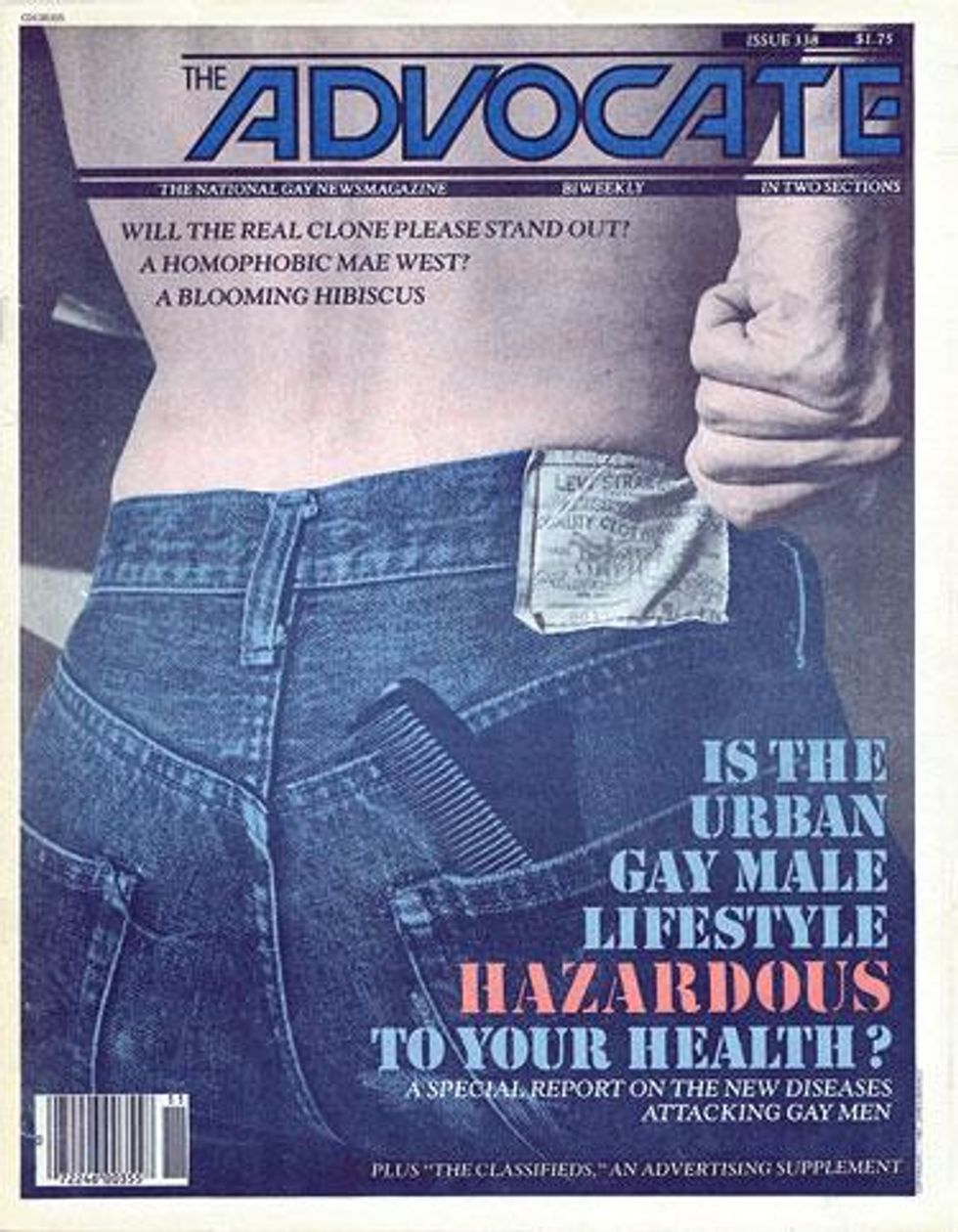 March 18, 1982: The term AIDS wasn't mentioned once in "Is the Urban Gay Male Lifestyle Hazardous to Your Health?" cover story. The mysterious illness at the story's center was then known as GRID (gay-related immunodeficiency). A questionnaire from the Centers for Disease Control found that many of the infected were promiscuous, and some were drug users. Amid all the clinical discussion of T cells and Kaposi's sarcoma, an overarching fear that the "fast-living" urban gay existence may have serious repercussions was evident.
 December 23, 1982: "Sock It to 'Em: The Foot & the Fantasy": Yes, while AIDS was exploding, we devoted a cover to an utterly out-of-touch exploration of foot fetishes. (Or was it? After all, foot play is safe sex.)
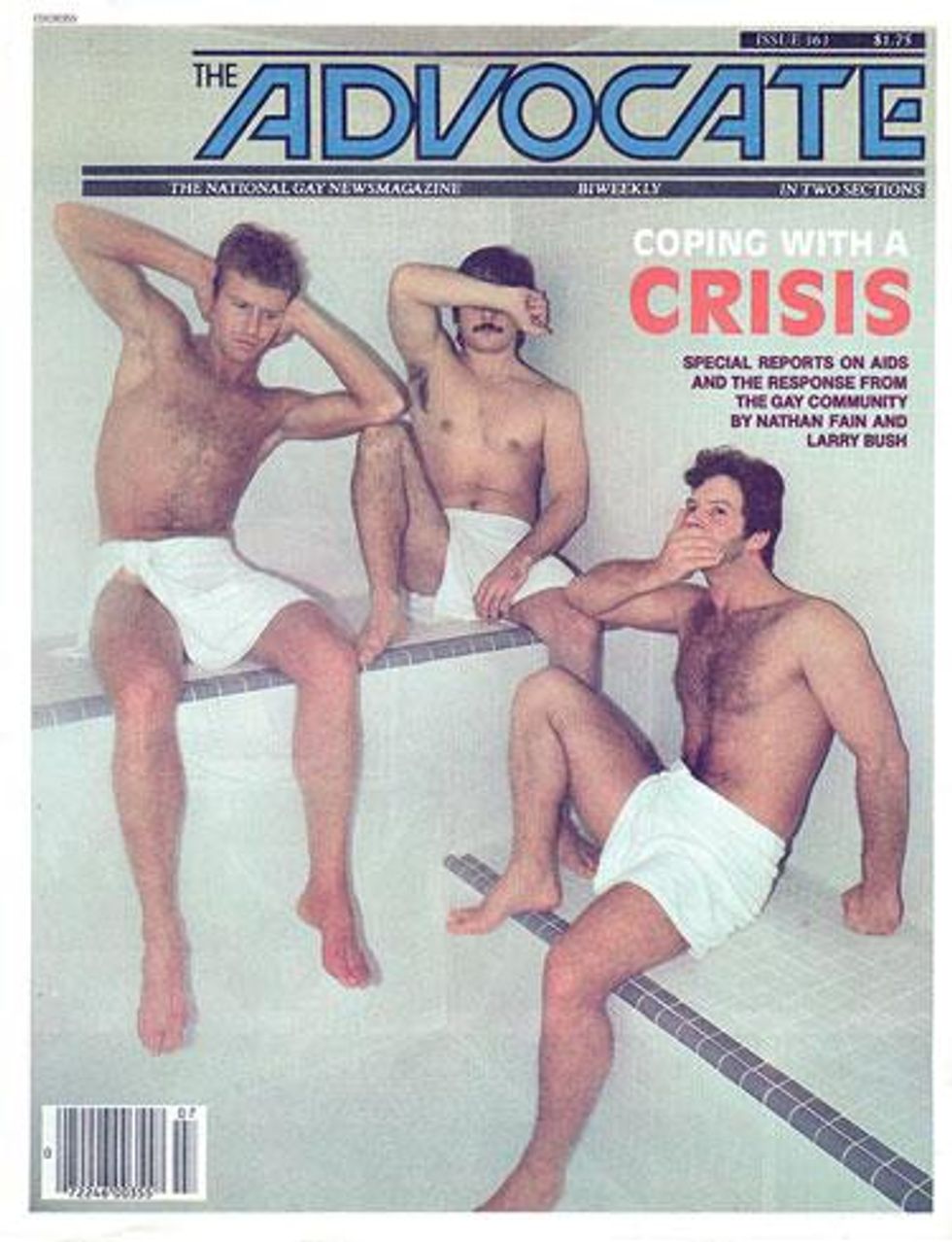
February 17, 1983: The Advocate finally put AIDS on the cover, with the unforgettable image of three men in a bathhouse seeing, hearing, and speaking no evil. The article, "Coping With a Crisis," was just as powerful, with writers Larry Bush and Nathan Fain asking scientists, doctors, and politicians what they were doing to halt the seemingly unstoppable progression of AIDS.
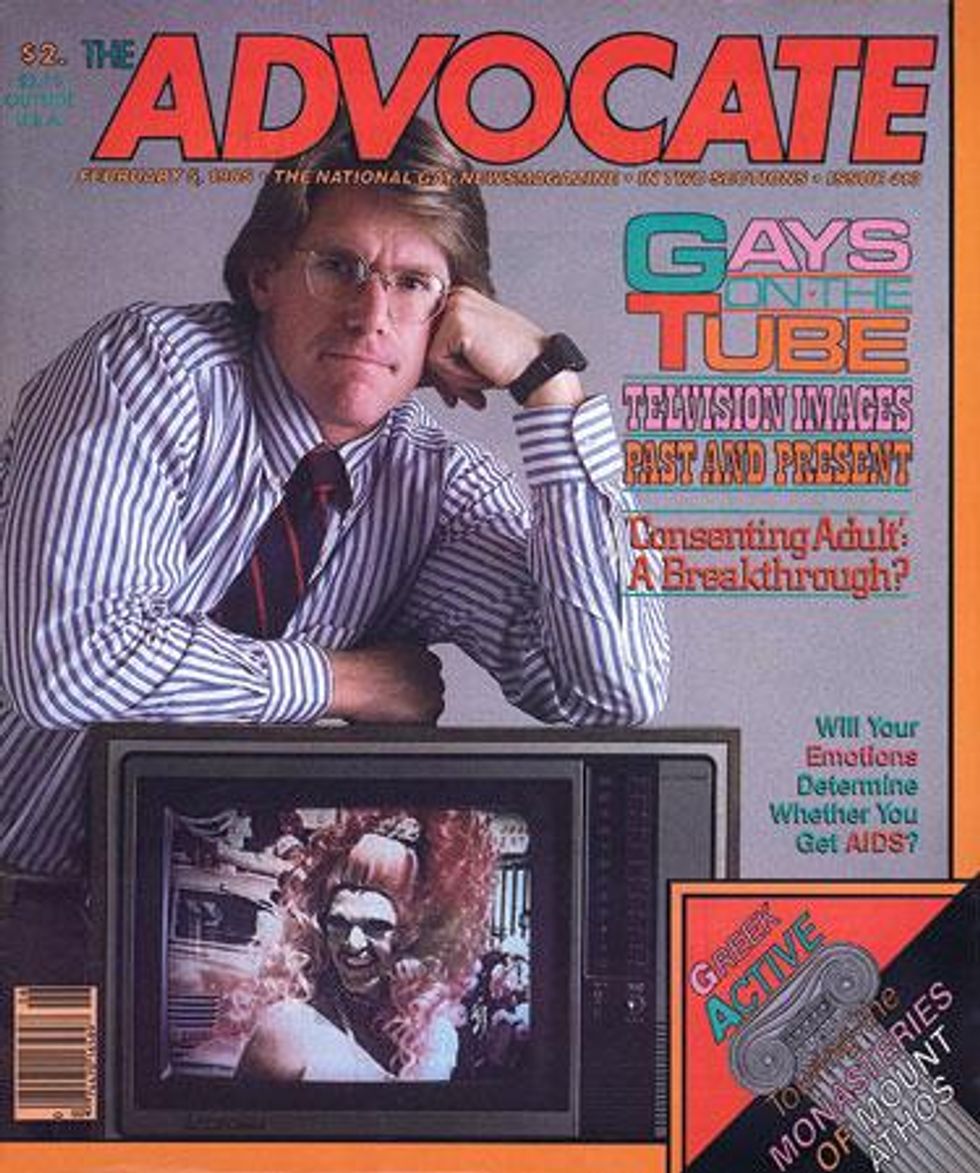 February 5, 1985: At a time when gay people were mostly invisible on the small screen, "Gays on the Tube" explored the little representation that had taken place. The cover story pointed a finger at American icons like Jack Benny and Lucille Ball for featuring lisping, stereotypical queens, but acknowledged that things began changing in the 1970s, especially with the introduction of Billy Crystal's gay character on Soap. And a new format was emerging that seemed more amenable to queer stories: the TV movie. Referencing That Certain Summer, Consenting Adult, and Sidney Shorr: A Girl's Best Friend, writer Richard Laermer made the case that things were changing, albeit slowly. As evidence of the sluggish progress, when NBC turned Sidney Shorr into the sitcom Love, Sidney, the title character, played by Tony Randall was suddenly straight. When asked was about the change in the character's sexual orientation, the hapless network publicists talked in circles.
"There was no actual reference to his homosexuality except on the pilot. But we had established him as a gay character," said one press agent. And another: "It really wasn't about a homosexual character. It was about an unusual family where a single man lived with a woman."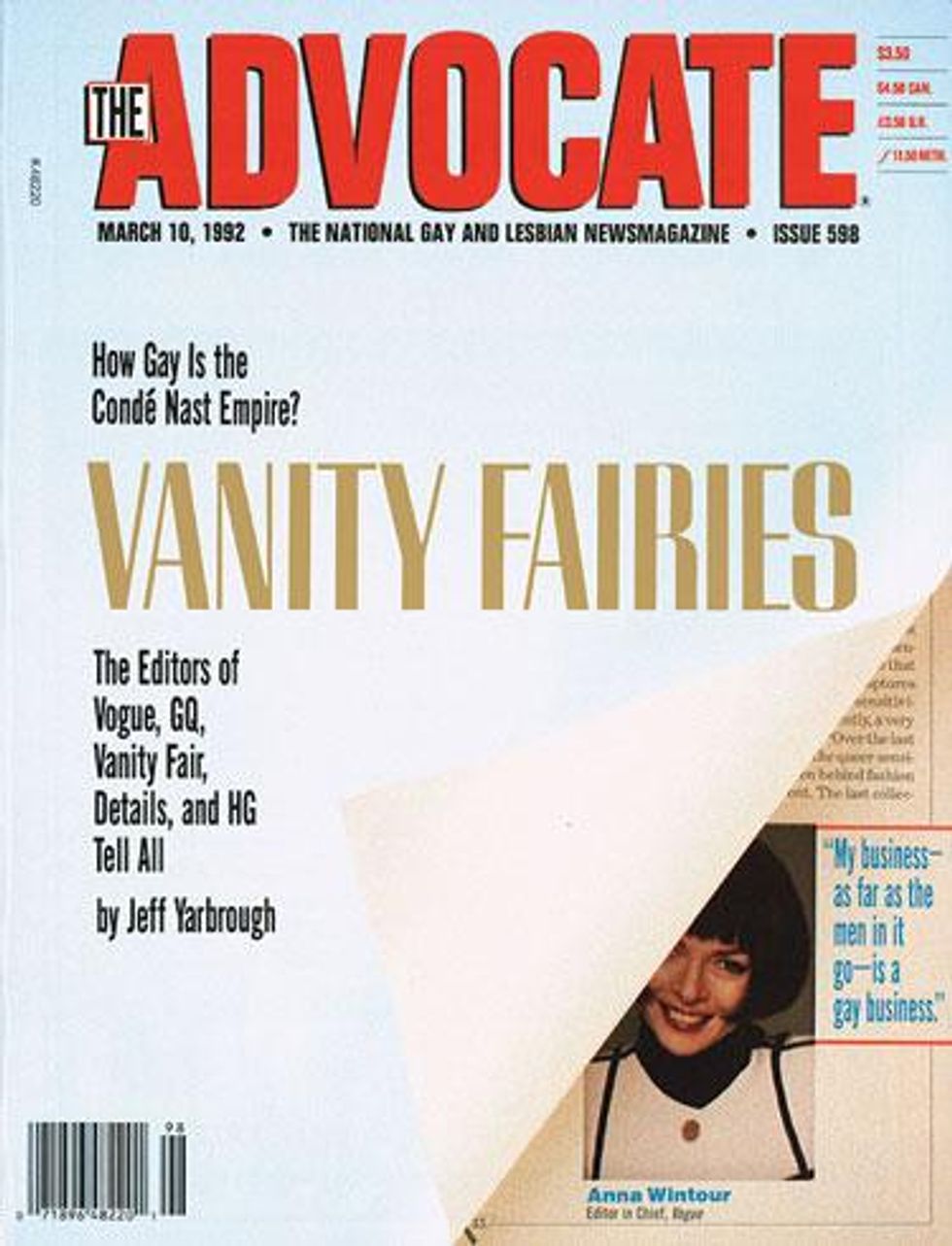 March 10, 1992: "Vanity Fairies" explored the gay male presence at publications such as Vanity Fair and Vogue, and how these men influenced the larger culture. With a Bush in the White House and AIDS at its deadly peak, it was no small feat for people like Vogue creative director Andre Leon Talley and Vanity Fair editor Kevin Sessums to tell their stories to The Advocate (Marc Jacobs, then an out designer at Perry Ellis, made an appearance in the piece as well). Quoted throughout the piece was legendary Vogue editor Anna Wintour (who in 2012 is a major marriage equality advocate).
"My features editor is gay, my art director is gay, and most of the fashion designers I work with are gay," Wintour said at the time. "My business -- as far as the men in it go -- is a gay business." Out of 100 men who work in fashion, Wintour estimated that "90 or 92 are homosexual."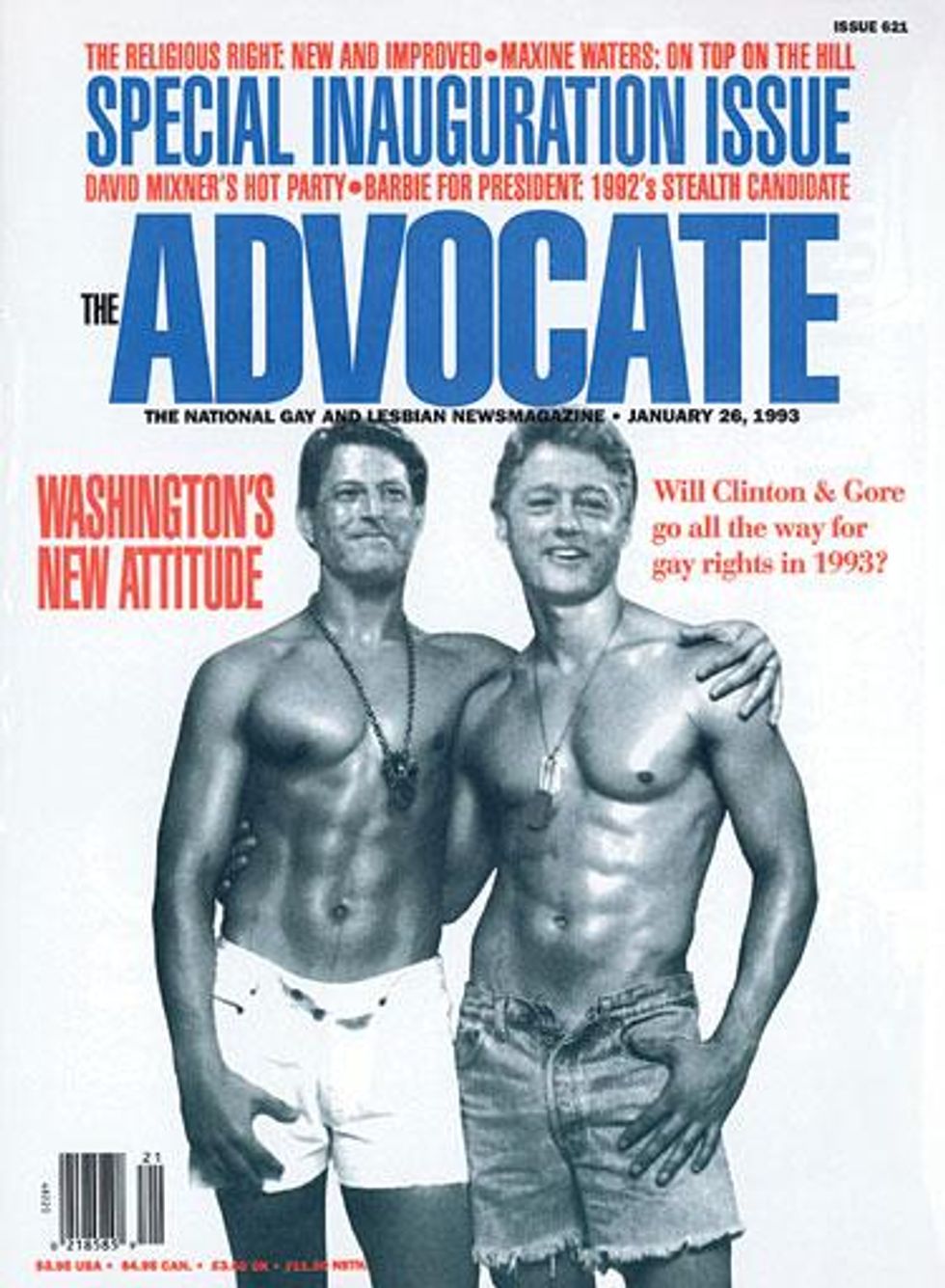 January 26, 1993: Speaking to political activists including the Human Rights Campaign's Tim McFeeley, The Advocate predicted a gay-friendly future with the new Clinton administration. There was hope that Bill Clinton and Al Gore would help end the ban on gays in the military and pass a national LGBT-inclusive antidiscrimination law. But while the story was sober and straightforward, the cover image as not. Thanks to the art of Photoshop, the two most powerful men in the world were turned into glistening, muscled gay clones who would fit in perfectly on Fire Island. The now-legendary cover shocked many at the time, but we think Bill and Al likely got a good laugh out of it.
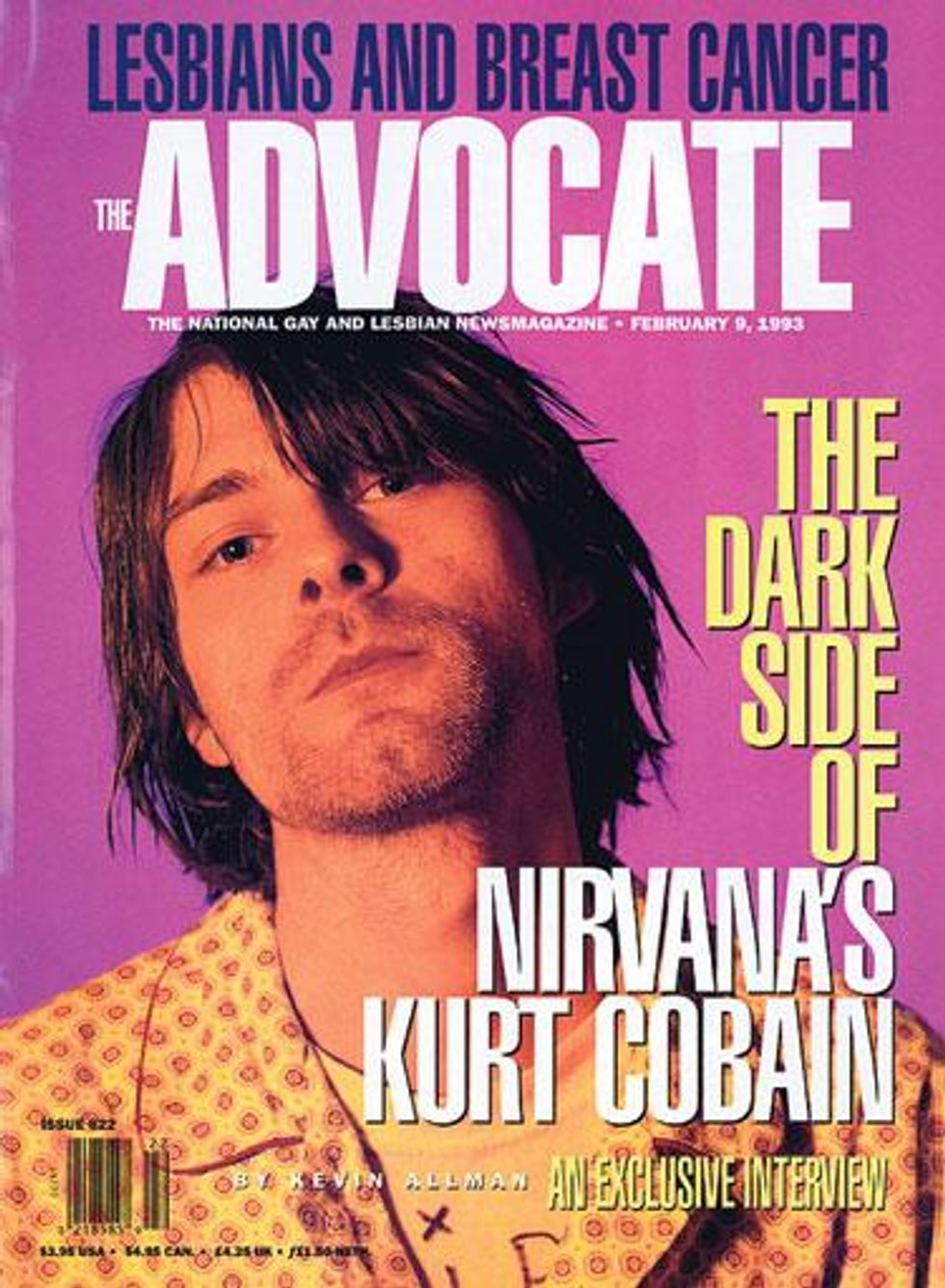 February 9, 1993: At the height of his fame, and a year and a half before his suicide, Kurt Cobain spoke to The Advocate about his avid support for LGBT rights and came out as bisexual. He said people thought he was gay as a teenager, and admitted spray-painting "God Is Gay" on trucks and befriending queers in his hometown of Aberdeen, Wash.
"I mean, I'm definitely gay in spirit, and I probably could be bisexual," he told writer Kevin Allman. "But I'm married, and I'm more attracted to Courtney [Love] than I ever have been toward a person, so there's no point in my trying to sow my oats at this point. If I wouldn't have found Courtney, I probably would have carried on with a bisexual lifestyle."
September 6, 1994: Rebekka Armstrong, the September 1986 Playboy Playmate of the month, came out as an HIV-positive lesbian in an Advocate cover story. Her incredible story, which included sex, drugs, and a commitment to survive, helped change the image of AIDS, which had been seen as solely a gay man's disease. (The Renaissance woman is now a successful bodybuilder.)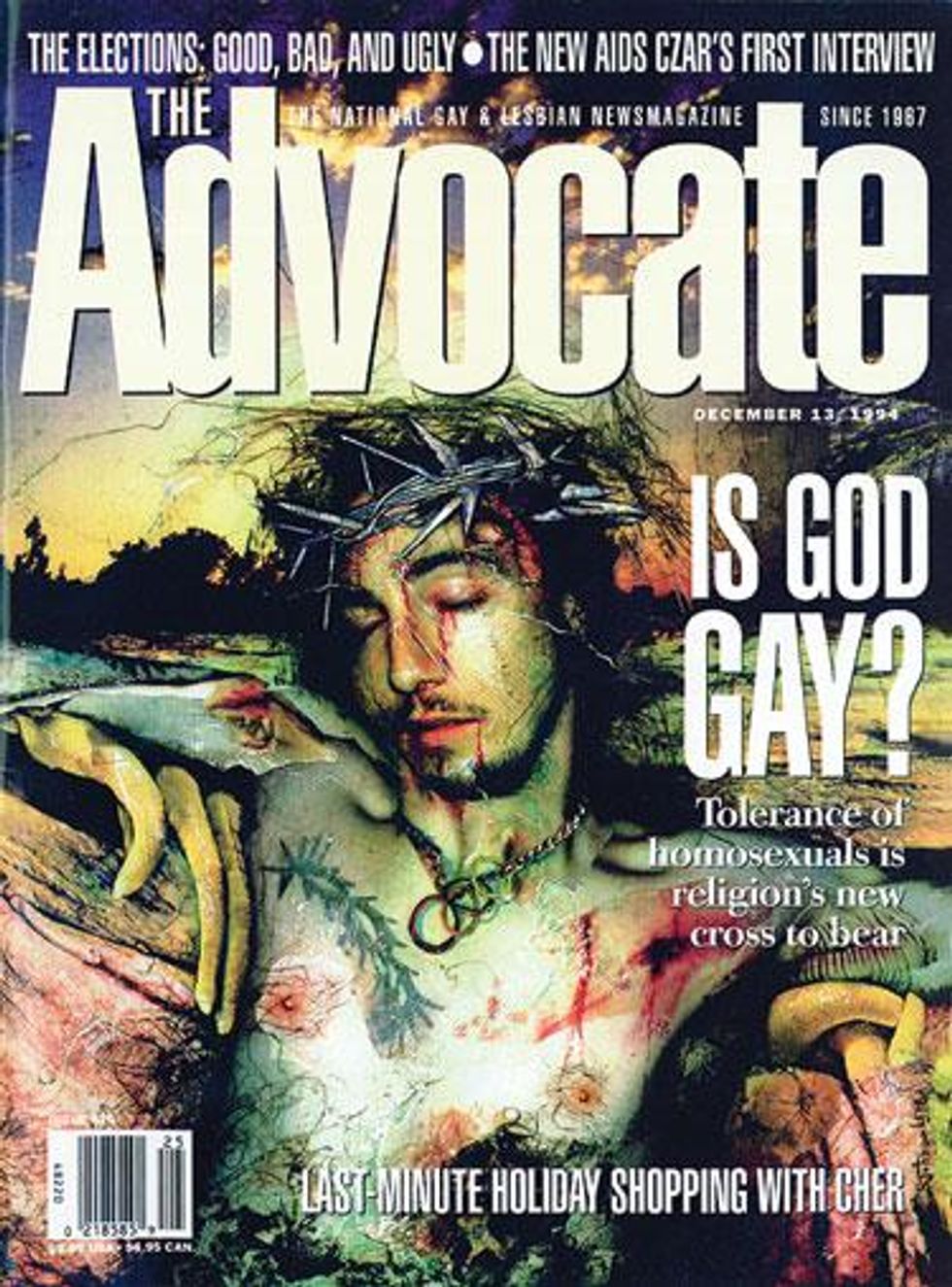 December 13, 1994: Because it sported a cover line asking, "Is God Gay?" and an image of Jesus on the cross, many retailers refused to stock this issue. The story inside, which examined whether mainstream religions would ever embrace gay members, was much more tame than the shocking cover.
"'Is God Gay?'" was inspired by Time's 'Is God Dead?' cover story about religious apathy in America," former Advocate editor in chief Jeff Yarbrough now recalls. "But also a bit by Rolling Stone's cover story about Jim Morrison: 'He's Hot, He's Sexy, and He's Dead.' We wanted the headline to be the story. And it was. The mainstream media ate it up, giving us a good, strong week in the news cycle. I must have done 10 interviews about that cover in a few days' time, which back then was a lot. The story itself was rather benign, but that cover image struck America below the belt."
March 7, 1995: Shortly after the Republican revolution of 1994 that propelled Newt Gingrich into the position of speaker of the House, his lesbian sister, Candace, gave a prophetic warning:
"I would tell Congress that if some of the bills they are considering become law, it will drive some young people who are struggling with being gay or lesbian to suicide. That's what scares me for the future."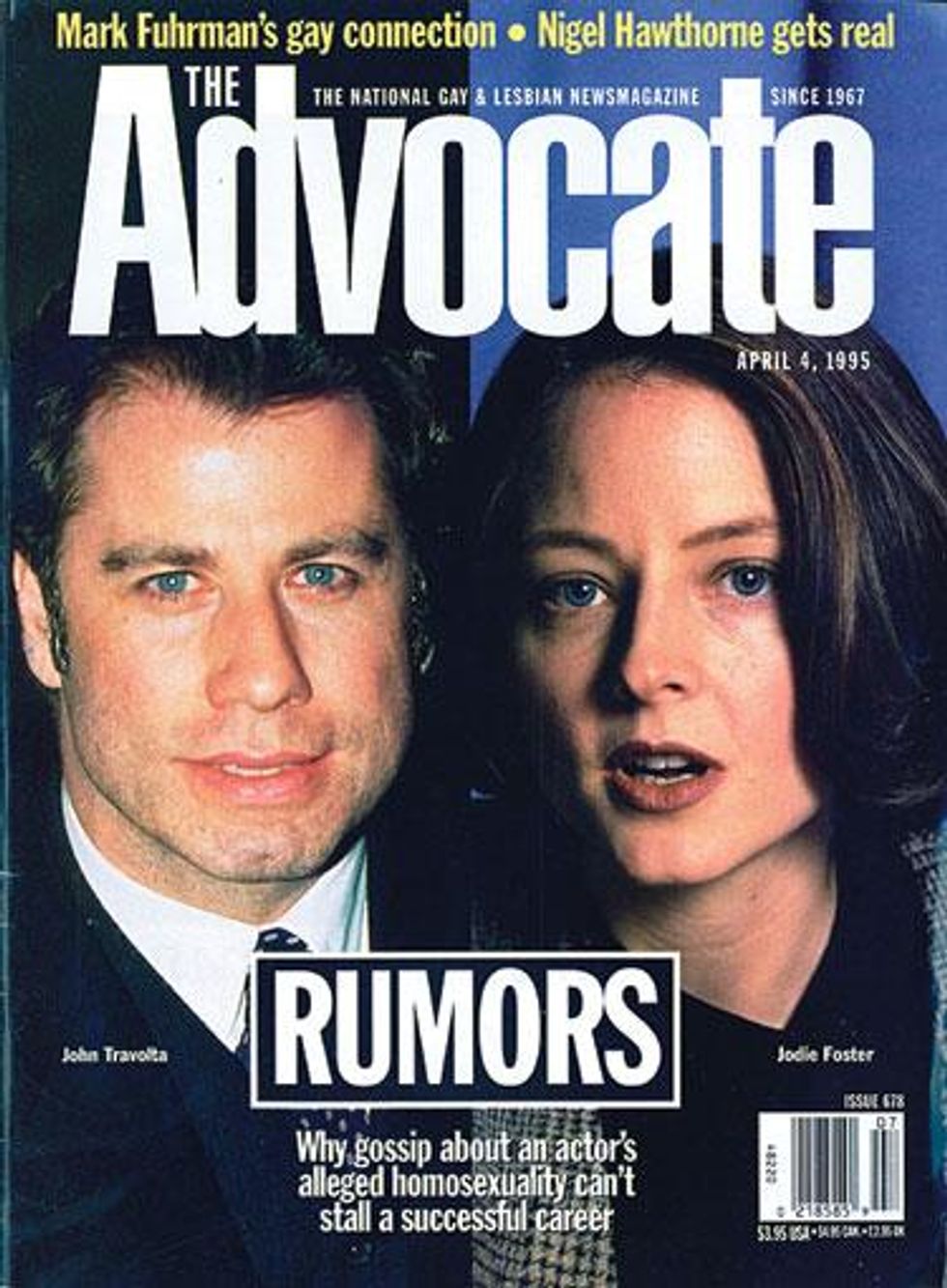 April 4, 1995: In the "Rumors" issue, John Gallagher and Alan Frutkin looked at why gay rumors don't derail certain stars' careers, specifically John Travolta, Jodie Foster, Tom Cruise, and Richard Gere (Travolta and Foster memorably appeared on the cover). "'Rumors'" grew out of my impatience and contempt regarding the lack of gay celebrities who were willing to come out publicly at the time," Yarbrough says. "AIDS was still in full effect, the community was reeling from political and social oppression, and these stars who -- like it or not -- could shape public opinion were intent on having it both ways. I was sick of having conversations with their flacks, and sometimes even the stars themselves, about 'maybe someday.' And we wanted them on notice: You keep blowing our friends in steam rooms around town and we're going to come after you."
 May 25, 1995: Many of the country's most racist and homophobic figures would not be so bold as to do an interview with a national LGBT publication. But David Duke regularly defied most logic. A onetime member of Louisiana's House of Representatives as well as a former Grand Wizard in the Ku Klux Klan, Duke discussed his support for an "indelible, unwashable AIDS tattoo," placed in "the private area," with glow-in-the-dark ink. He also stated that he did not hate gay people, but admitted opposing "the aberrant gay lifestyle."
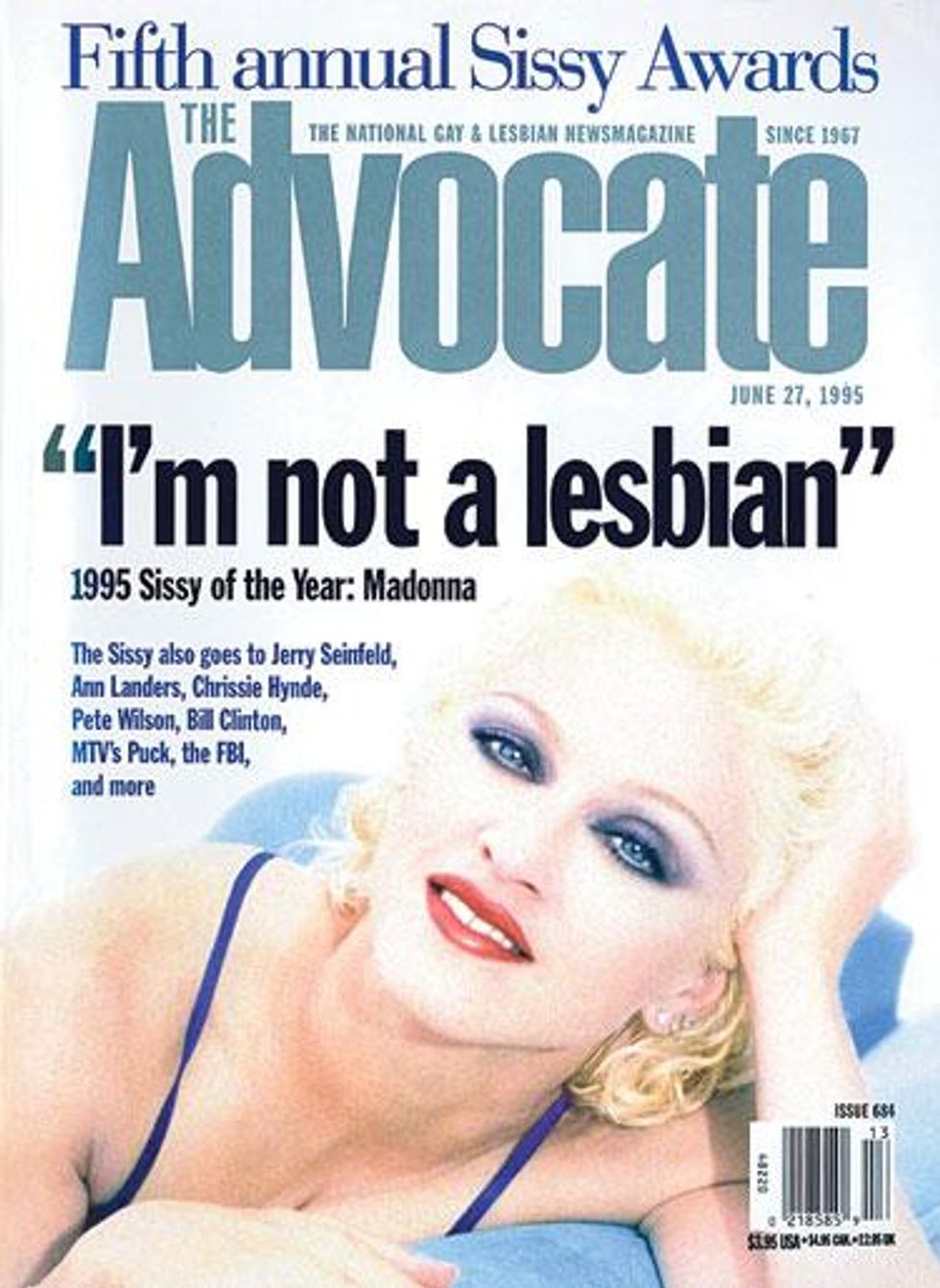
June 27, 1995: A post-Erotica Madonna was turning toward a softer, more buttoned-up and significantly straighter image. Part of that evolution involved her declaration that she was a straight woman with lesbian friends. "I'm not a lesbian," she told British magazine The Face in 1994, "I love men." That enraged Advocate editors, who named Madge the 1995 Sissy of The Year.
March 5, 1996: Texas's Barbara Jordan, the first African-American Southern woman elected to Congress, broke numerous glass ceilings throughout her storied career, but she remained in the closet the entire time. After her death at 59, The Advocate investigated the life of Jordan and "longtime companion" Nancy Earl, discovering the former was out to her close friends.
May 17, 1997: In a story with a definitively provocative cover line, "AIDS: We Asked for It," activist Larry Kramer turned the mirror on gay men and their responsibilities to stop the spread of the virus.
 "We endlessly blame the government for its hideous response to AIDS," the f****ts author and Gay Men's Health Crisis founder wrote. "But we speak not one syllable about how we can repair the damage we have caused that brought about so much death in the first place."
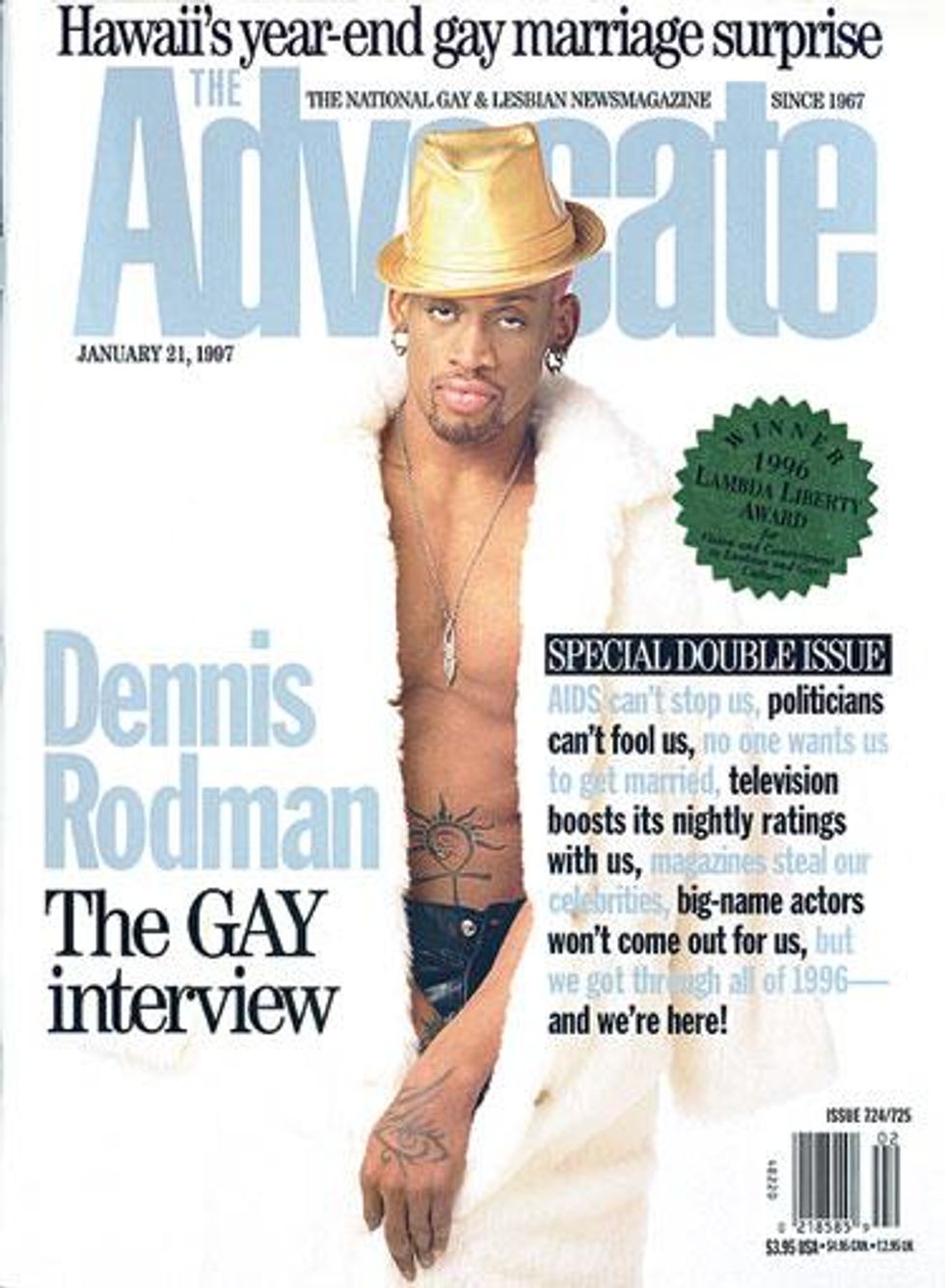
January 21, 1997: Perhaps one of the most colorful players to ever grace the basketball court, Dennis Rodman was not only talented but had a knack for showmanship. Rodman sat down with The Advocate and talked about being so sexually and gender-ambiguous that his on- and off-court antics were opening the door for a gay athlete to be comfortable being out.
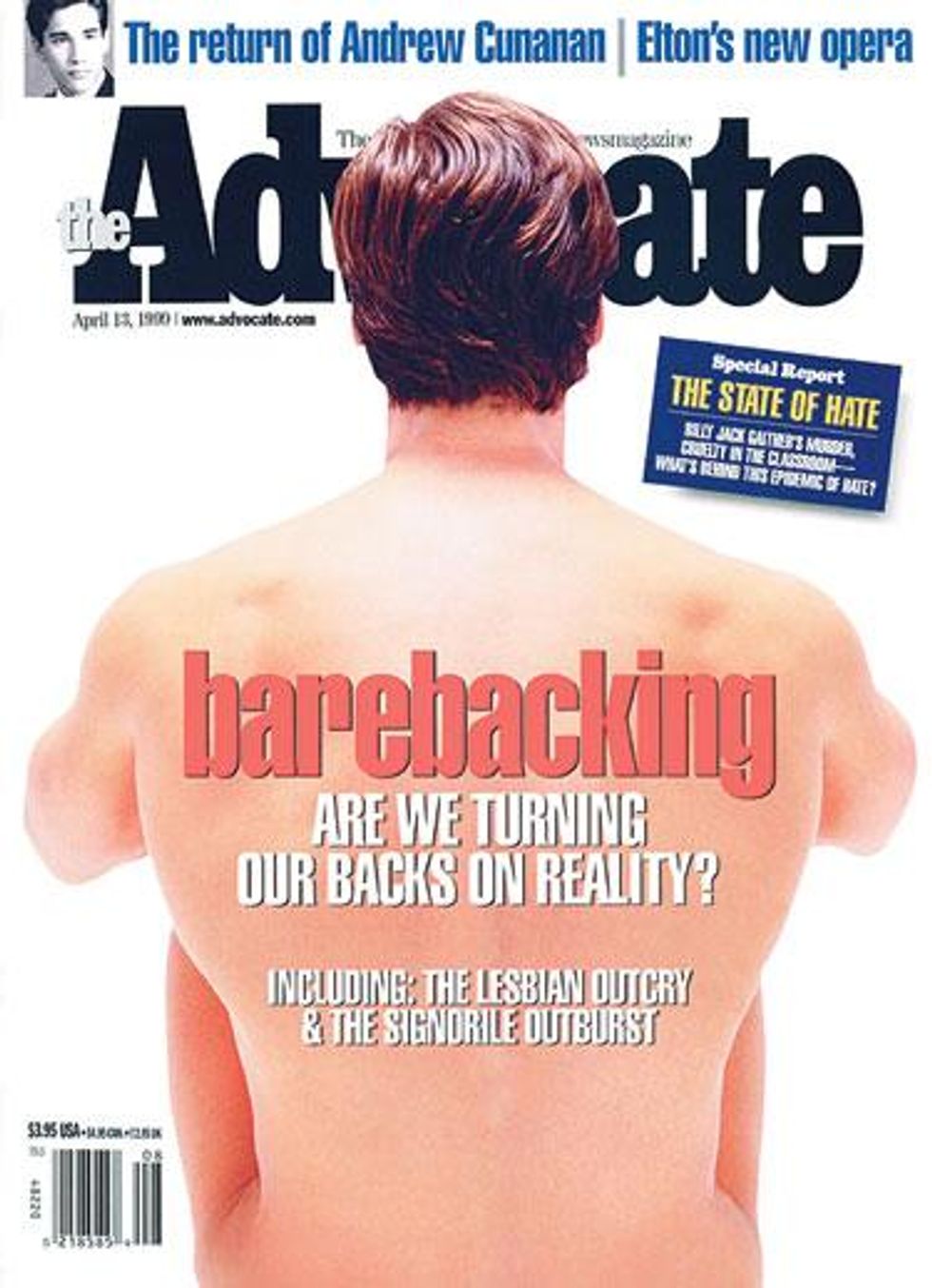 April 13, 1999: "Barebacking." and August 29, 2006: "Cashing in on Safe Sex":
A new risky trend of barebacking emerged in the 1990s, with men having unprotected sex as a form of activism. Seven years later, associate news editor Sean Kennedy investigated underground, for-profit sex parties aimed at young men of color in New York City, where safe sex was either optional or discouraged.
"This is a business enterprise that's exploiting our community and putting people at risk," said veteran AIDS activist Phill Wilson. "They're peddling death."
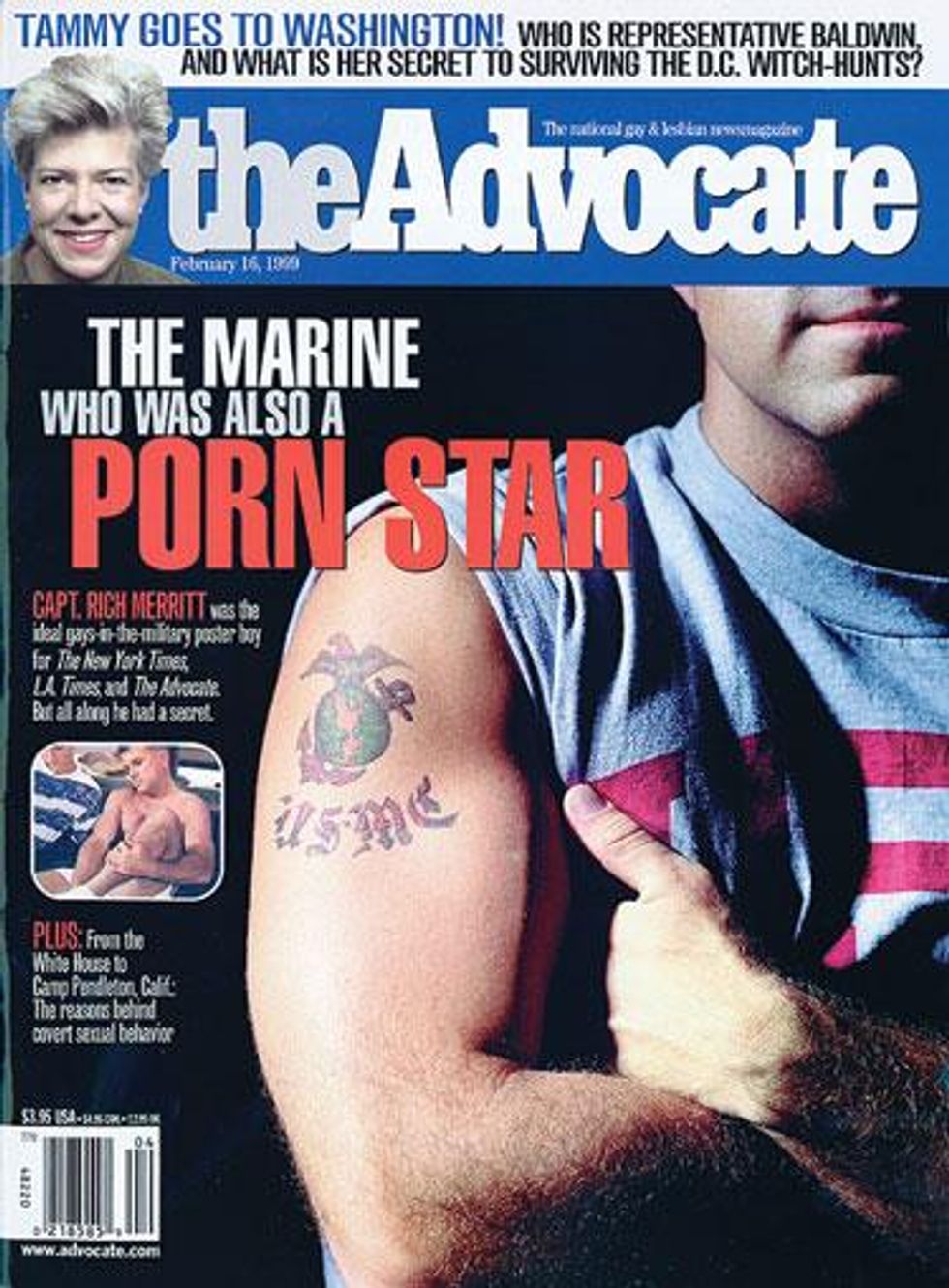 February 16, 1999: After the 1993 passage of "don't ask, don't tell," many gay and lesbian members of the military bravely stepped forward to champion the repeal of this policy. Marine Corps captain Rich Merritt was a model soldier who appeared in several major news publications as the symbol of DADT's deleterious effects. But an Advocate investigation discovered that Merritt lived another life as a porn star, effectively disqualifying him as the poster child many were searching for.
February 15, 2000: Dr. Laura Schlessinger was revered for her traditional, straightforward advice to devoted listeners of her radio show. So when she said being gay was a "biological error that inhibits you from relating normally to the opposite sex," she became the LGBT world's public enemy number one. Schlessinger agreed to a written interview, in which she said her strengthened faith in Judaism further instilled a sense of moral opposition to gay rights and same-sex relationships. Still, she claimed to have employees and friends who are out, who "actually agree with me that legalizing homosexual marriage and adoption is wrong."
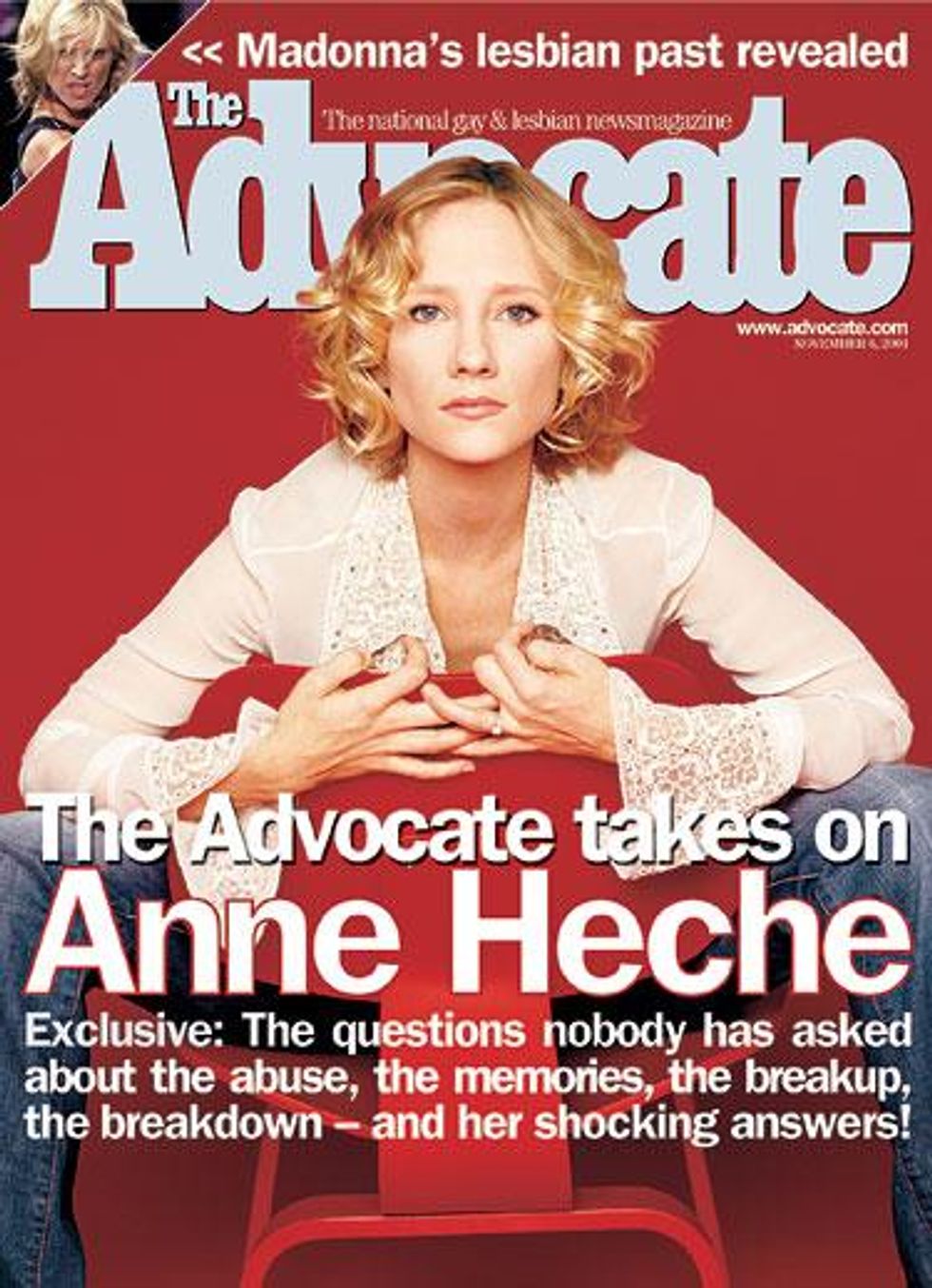 November 5, 2001: In 1997, Anne Heche began dating Ellen DeGeneres, making them the faces of all things lesbian. At every pride march and television appearance, Heche declared herself an out and proud gay woman. But then Heche and DeGeneres broke up in 2000, and afterward followed a bizarre incident in which a disoriented Heche was found wandering aimlessly around California farm country. In her 2001 autobiography, Call Me Crazy, she announced she has an alter ego, the alien Celestia. That year she married cameraman Coley Laffoon and had a child. When then-senior arts and entertainment editor Anne Stockwell questioned Laffoon's heterosexuality, Heche went on the defensive.
"So there's not a same-sex experience in his past that would have left him open to a broader view," Stockwell asked. "One," Heche countered, "that's none of my business or your business to even ask that question, and I think it's completely out of line." Stockwell started to apologize, but Heche retorted, "This is not an article about Coley.... I'm finished with this conversation. This is ridiculous. You have got to be kidding me, after everything I have given you, you are now asking me about my husband's sexuality? That is flooring to me. I [give you] everything in my honesty, and now you are asking me about my husband's sexuality. Wow. Wow!" Heche ended the interview immediately.
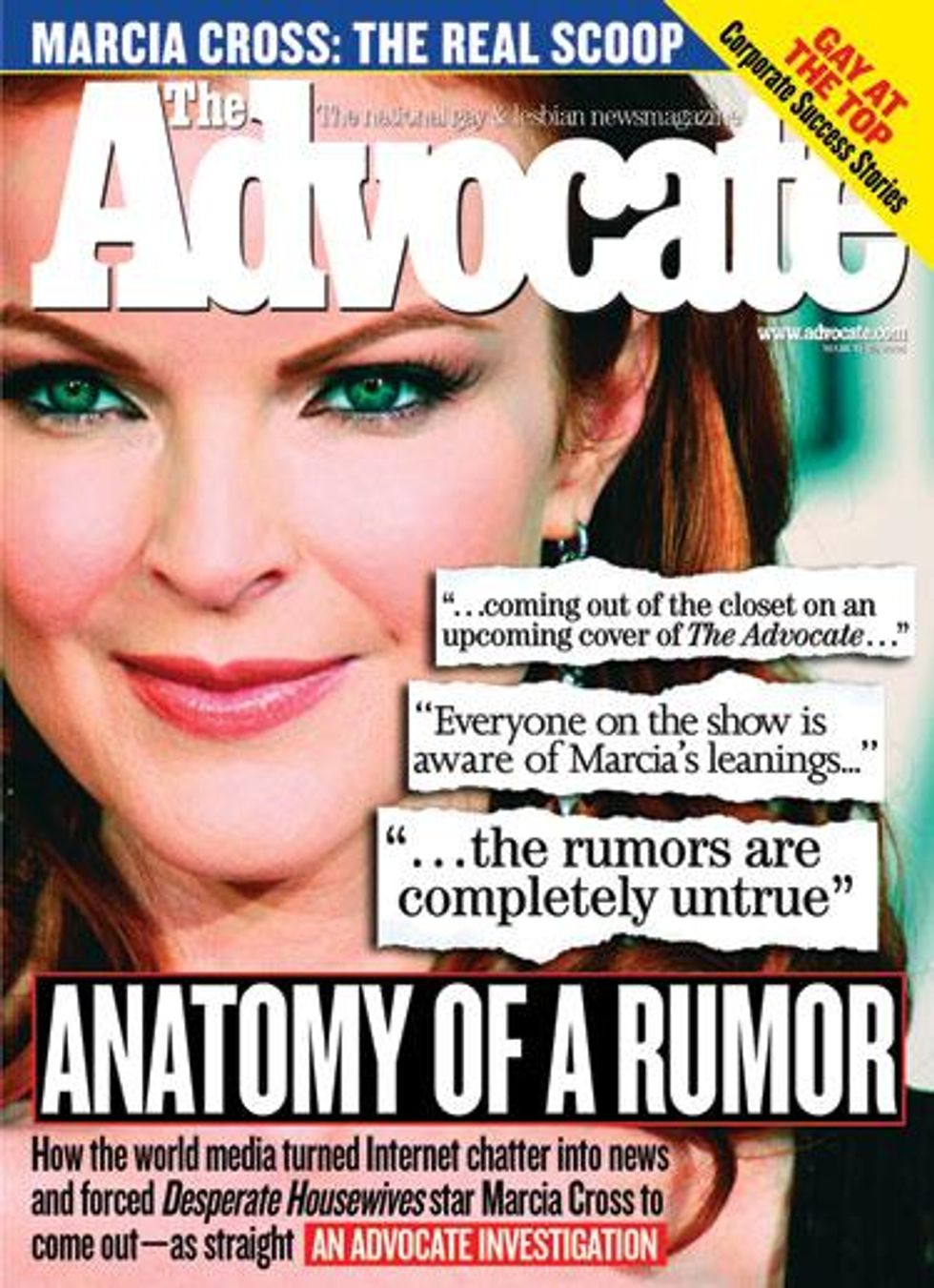 March 15, 2005: A rumor that Marcia Cross would come out on the cover of The Advocate during the height of her Desperate Housewives fame created a media firestorm, thanks to a post on a random Web forum. The rumor spread so quickly that Cross appeared on The View to clear things up. In our cover story, "Anatomy of a Rumor," we looked at how gay gossip travels at lightning speed in the modern 24-hour news cycle.
January 30, 2007: The interview with Kristanna Loken, model, L Word actress, and Terminator 3 cyborg, started out as a fairly standard Q&A. It ended with an uncomfortable situation for "I'm not a lesbian" actress Michelle Rodriguez, whom Loken was rumored to be dating, when Loken suggested the Fast and Furious star was upstairs in her bed.
March 27, 2007: In "Chasing the Duclod Man," a young bisexual woman recounted her real-life battle to bring down an enigmatic cyberbully, eventually tracking down a recluse who was more mentally disturbed than homophobic. The 21st-century cat-and-mouse story elicited hundreds of comments and letters, and almost as many conspiracy theories on the real identity of the "Duclod Man," an autistic Memphis, Tenn., man named Richard.
April 24, 2007: It was the question on all of our minds: Why aren't there openly gay contestants on the queerest show on prime time -- American Idol? At that point, Clay Aiken had yet to come out, Adam Lambert was still just an L.A. club kid, and a same-sex harassment scandal involving fourth-season finalist Mario Vazquez was rocking the show. Meanwhile, first-season finalist R.J. Helton told The Advocate that Idol producers had advised him to stay in the closet.
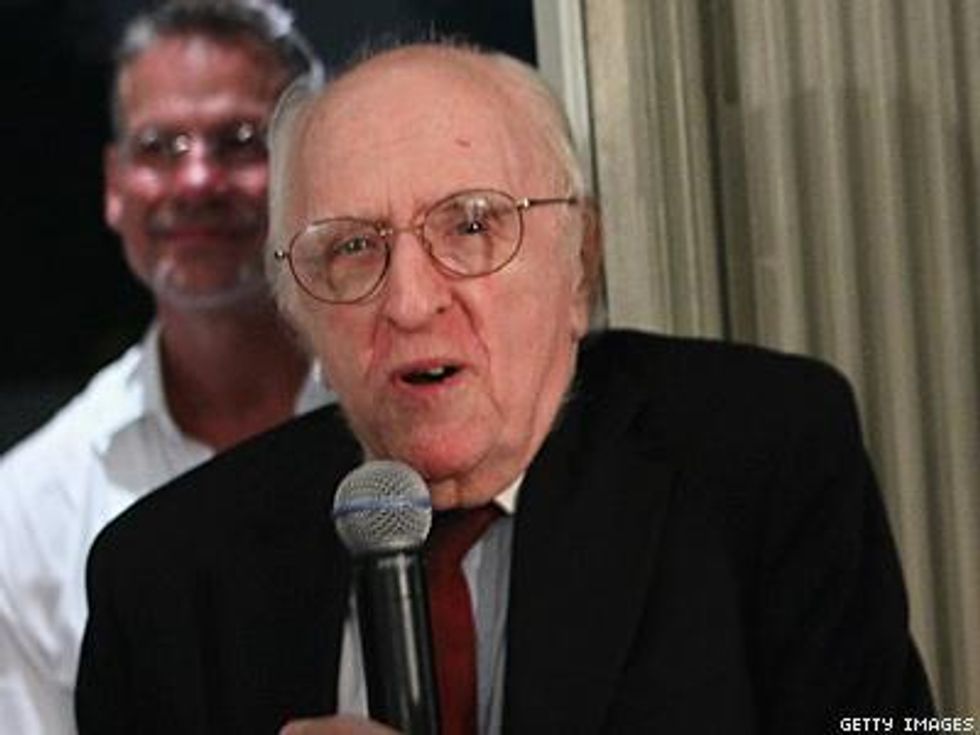 June 19, 2007: In an extensive piece on the absence of a spokesperson for the gay movement, The Advocate mistakenly reported that legendary activist Frank Kameny had died of AIDS complications. Kameny was very much alive (he lived until October 2011) and he had never contracted HIV. When alerted by Advocate editor in chief Anne Stockwell of the error, the octogenarian retained enough perspective to laugh it off.
"Reports of my death are greatly exaggerated," he said, quoting Mark Twain. Later he told writer Andrew Noyes of his legacy: "In July 1968 I coined the slogan 'Gay is good,' which is the one thing, if nothing else, that I want to be remembered for. It's not that homosexuality is not sinful and immoral, it's that homosexuality is affirmatively virtuous and moral. Same-sex marriage is not going to damage the institution of marriage, it's going to enhance the institution of marriage."
 April 8, 2008: Thomas Beatie, a married transgender man, announced his pregnancy in a first-person Advocate essay. Some thought it was simply a sweet story about the creation of a very postmodern family -- Beatie, his wife, and their (eventually) three children. But the magazine's accompanying photo of Beatie, a goateed 30-something guy with a baby bump, was what really shook the media and the public. The ensuing attention climaxed with an appearance by Beatie on The Oprah Winfrey Show.
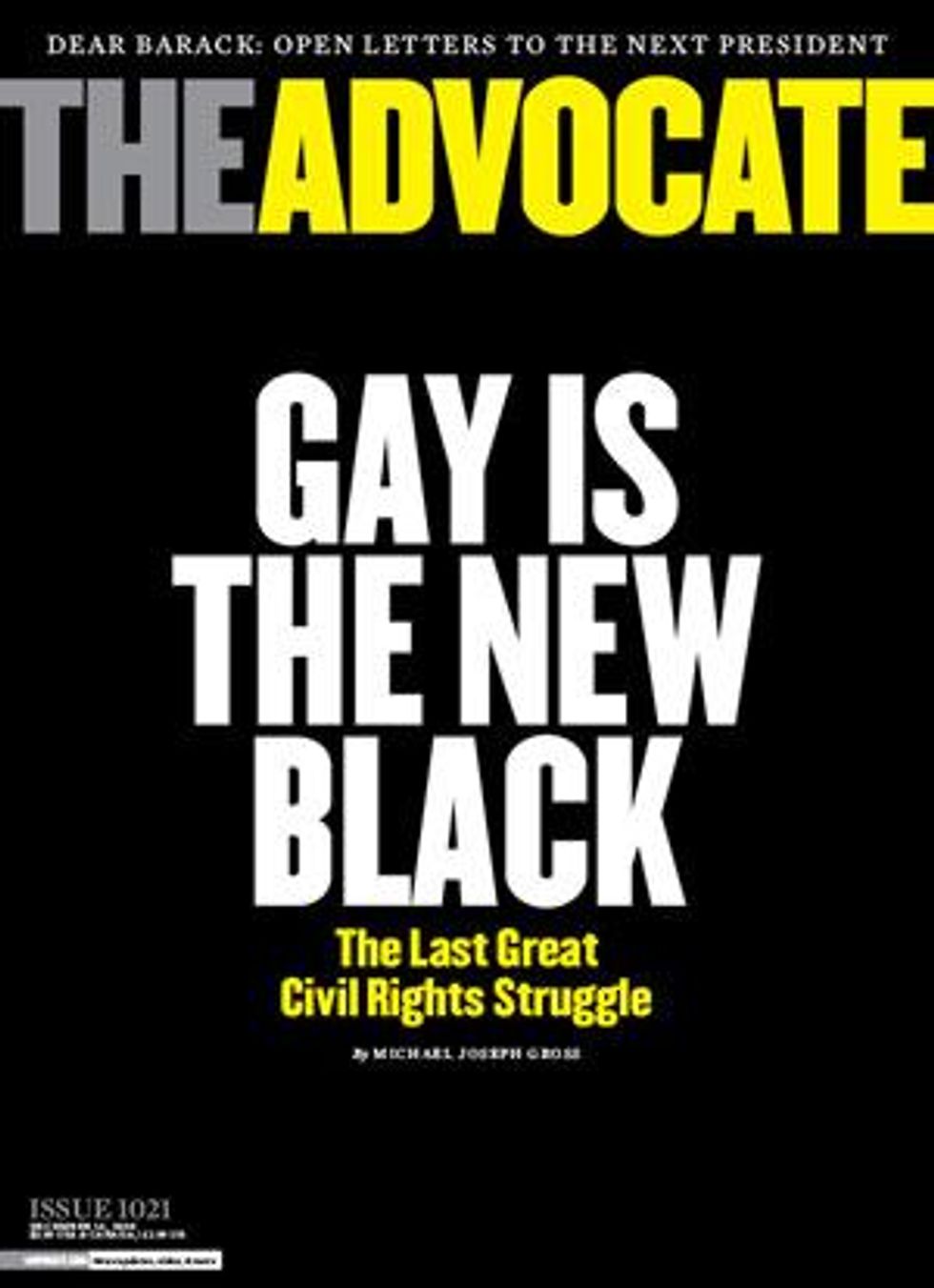 December 16, 2008, "Gay Is the New Black," August 2009, "Nope?":
"Gay Is the New Black" received much attention in the wake of California's Proposition 8, which ended marriage equality in the state. Writer Michael Joseph Gross attempted to answer the question, "Is the gay fight for equality similar to the African-American struggle?" A year and a half later, Barack Obama was not living up to his role as a "fierce advocate" of LGBT rights, as he had declared himself in late 2008 -- we were waiting for a public endorsement of same-sex marriage and a hard line against "don't ask, don't tell" and the Defense of Marriage Act. In other words, we posited that the "Hope" that marked his candidacy had now turned into a "Nope?"
"[Both covers] attracted a lot of attention," former editor in chief Jon Barrett recalls. "I remember the big issue in both cases was whether to use a question mark after them. That one character made a huge difference in how they were read. And we felt angry after Prop. 8 and it felt like we needed to be declarative. At the same time, I think it was too early to go without a question mark with 'Nope.' He had only been around a year. And, ultimately, I think we've seen that the question mark was right with him -- he's come around and done pretty much all he's promised on our front."
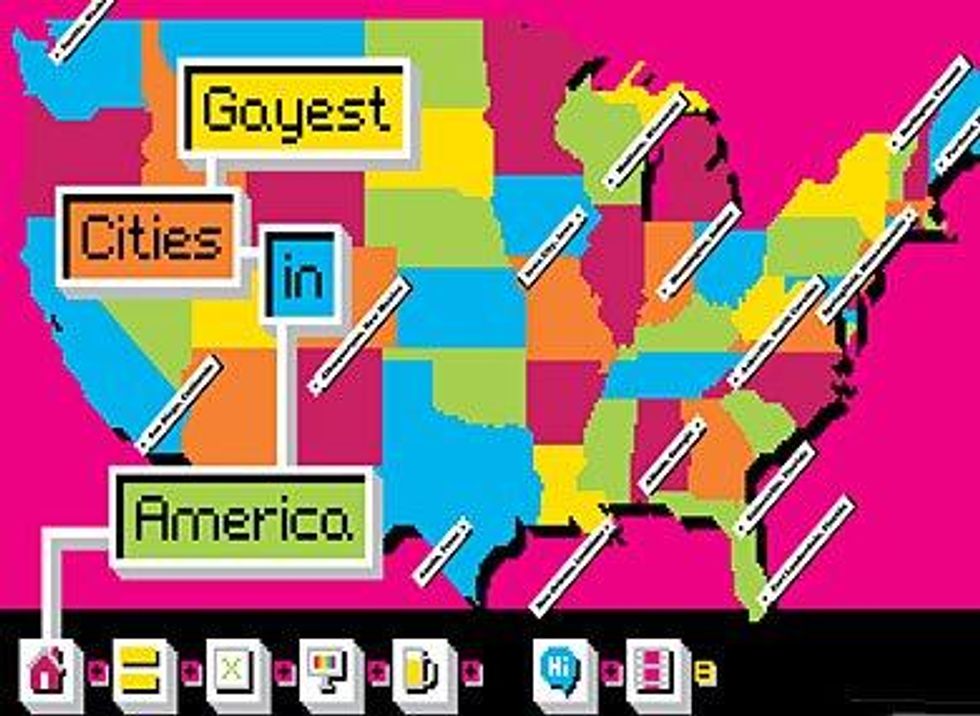 2010: The Advocate premieres its list of The Gayest Cities in America. Using things like the number of LGBT politicians as barometers, as well as tongue-in-cheek criteria like cruising spots per capita, the list awards Atlanta (not San Francisco or New York) its winner. The list continues through the years -- adding criteria like roller derby teams, trans Pride festivals, and Tegan & Sara performances -- and honors LGBT-friendly metropolises that rarely get their due, including this year's winner, Jersey City. The Advocate also updates the list in 2015 to be more inclusive, renaming it Queerest Cities in America.
 August 2011: In "Monogamish," contributing editor Ari Karpel wrote of the (mostly) gay male couples making their own rules of commitment and fidelity in the 2010s. Many subjects admitted they opened up their relationships to other sex partners, which sparked some heated responses. "I am not a big fan of the new 'men cannot be monogamous' thing going on in the gay community," one reader wrote on Facebook. "I do not buy it."
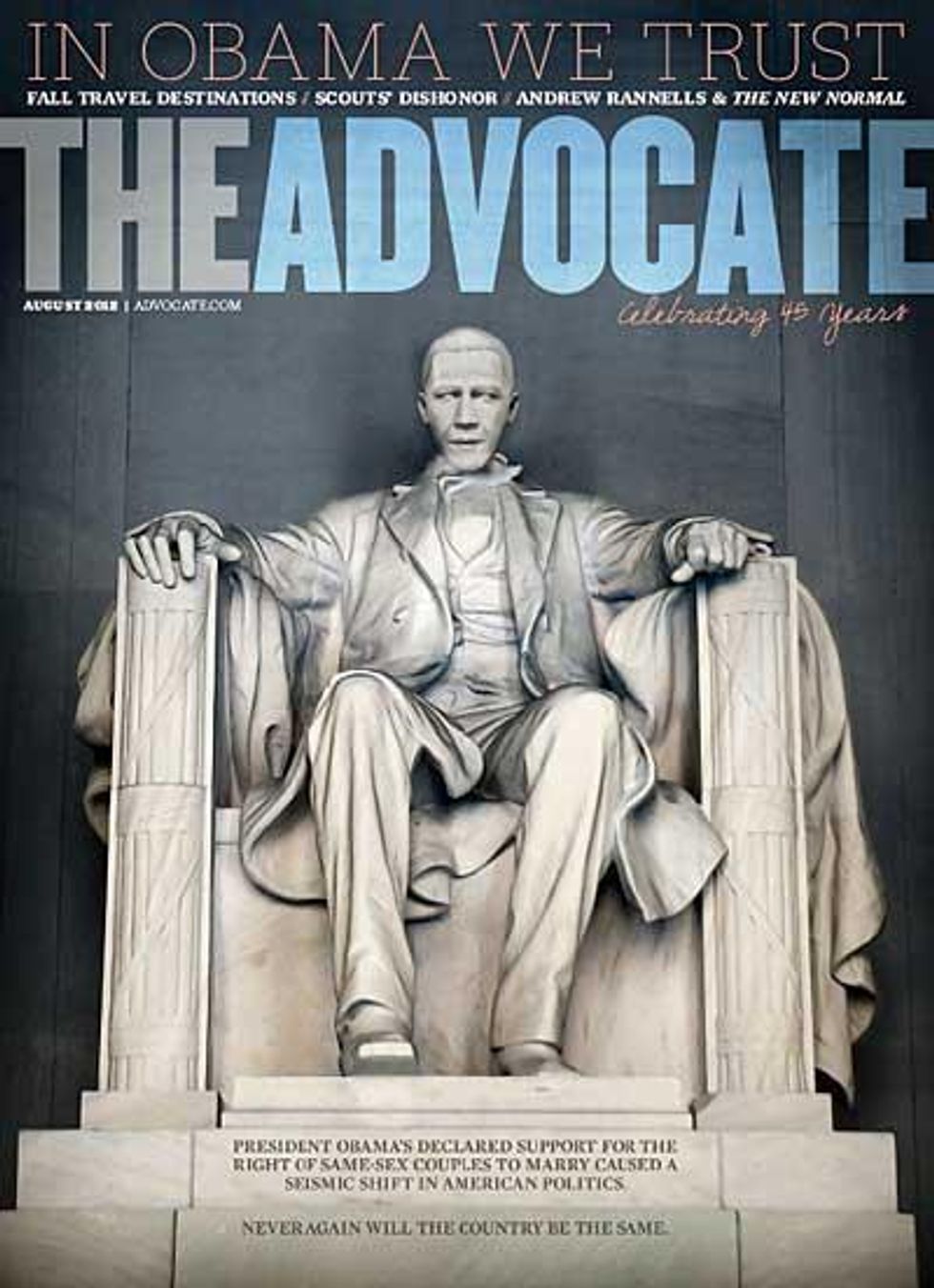 August 2012: For the first time in decades The Advocate's editors made an official political endorsement, backing the reelection of President Barack Obama. Many readers were on board with the endorsement, but it was the cover image of Obama's head superimposed on the famous statue of Honest Abe at the Lincoln Memorial that ruffled feathers -- or so it appeared from online comments. Some said the comparison between Lincoln and Obama gave #44 too much credit, and more than one reader wrote, "I truly hope this cover gets pulled."
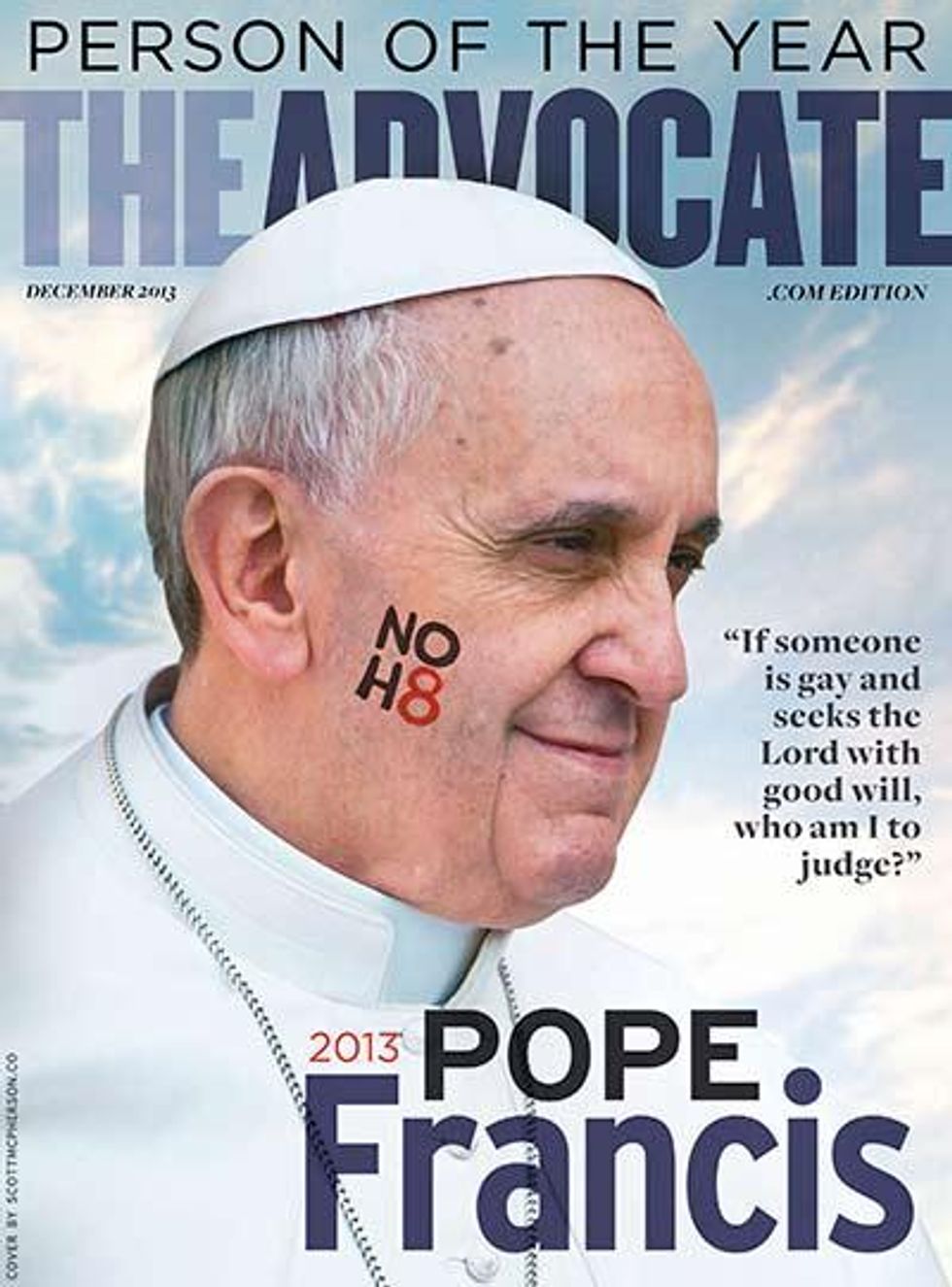 December 2013: The Advocate named Pope Francis Person of the Year, noting his comment about gay priests, "If someone is gay and seeks the Lord with good will, who am I to judge?" "The brevity of that statement and the outsized attention it got immediately are evidence of the pope's sway," wrote editor Lucas Grindley. "His posing a simple question with very Christian roots, when uttered in this context by this man, 'Who am I to judge?' became a signal to Catholics and the world that the new pope is not like the old pope." Grindley acknowledged that Francis is still not pro-LGBT and was not going to change church doctrine, but he certainly may have opened minds. The Advocate received some criticism for its choice, especially because the pope edged out Edie Windsor, who won her case against the Defense of Marriage Act in the Supreme Court, clearing the way for the federal government to recognize same-sex marriages and laying the groundwork for the 2015 decision that made marriage equality the law of the land. One online commenter wrote, "What a bunch of wishful thinking!" about the choice of Francis, but there were positive responses too. One reader wrote, "Congrats to The Advocate for reaching out with tolerance and making such a challenging decision. Congratulations all the same to Edie Windsor for the challenge you faced and triumphed over."
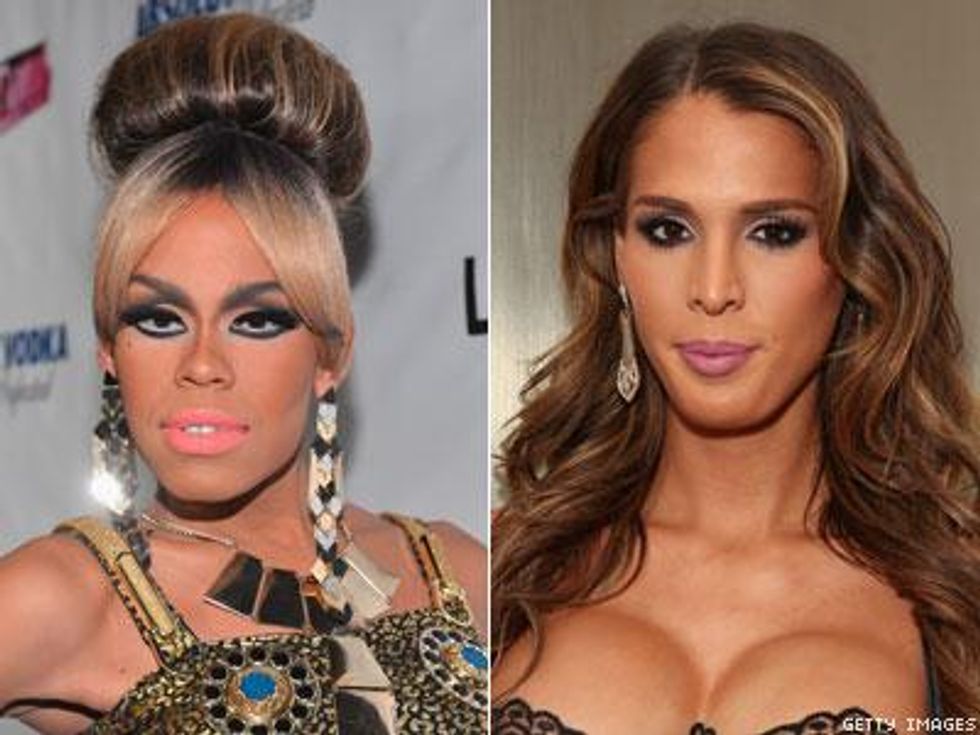 May 2014: The Advocate threw itself into the debate over the word "tranny" and its use on the Logo reality juggernaut, RuPaul's Drag Race. After RuPaul defended the controversial word, as well as problematic segments of his reality show, from cultural critics, The Advocate devoted numerous stories to the issue. After much comment from readers, our writers, and staff of Logo and the show's producers, the allegedly transphobic aspects of Drag Race were quietly dropped from the show, which is now experiencing record-breaking ratings success on VH1.
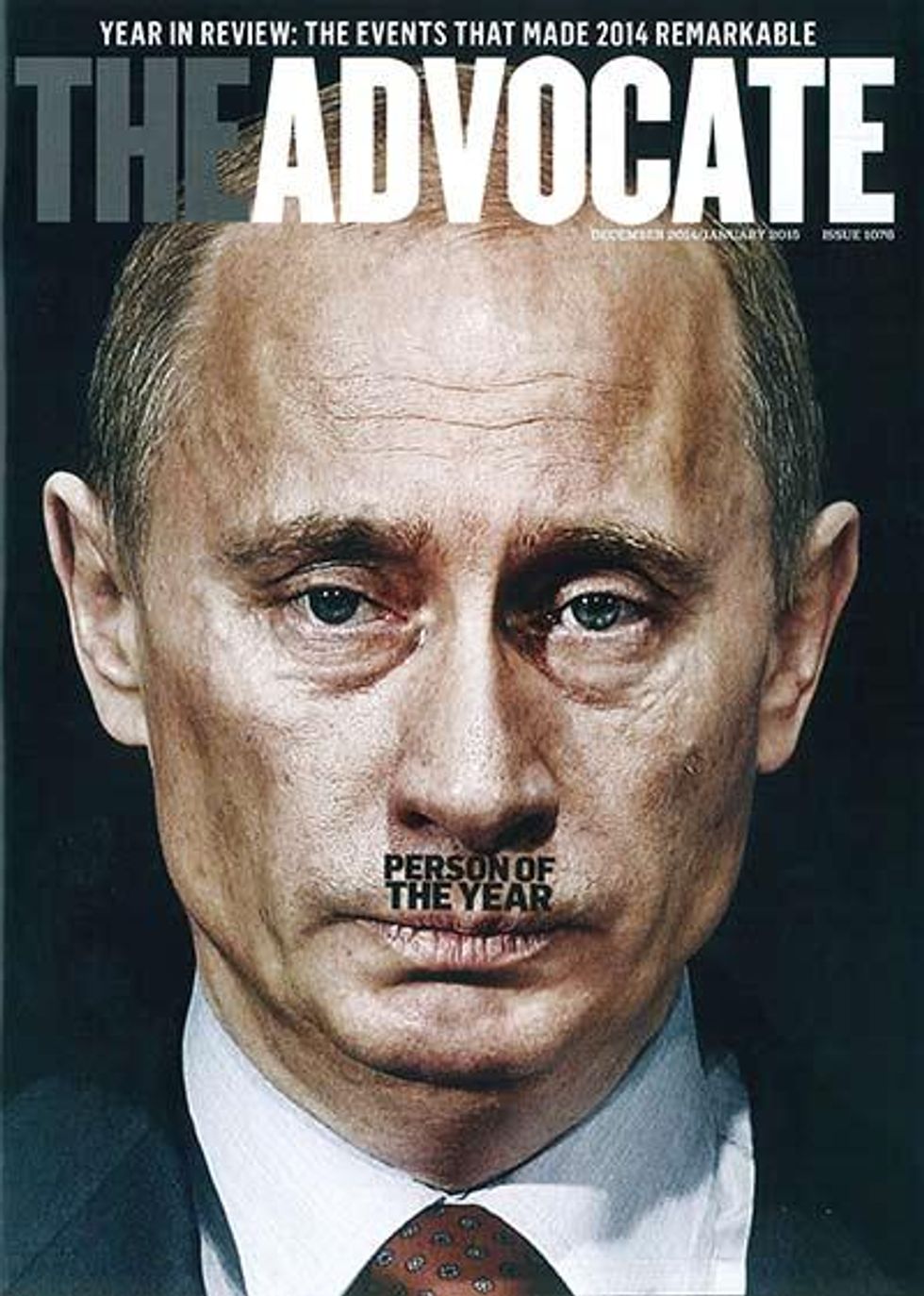 December 2014-January 2015: As Person of the Year can be anyone who has influence, not necessarily positive influence, The Advocate chose Russian President Vladimir Putin. "Driving the governmental, religious, and popular disdain for gays and lesbians, the Russian president became the single greatest threat to LGBTs in the world in 2014," read the subhead on the article. Just the previous year, he had signed the infamous "gay propaganda" bill into law, making it a crime to make any positive representation of LGBT identity in venues accessible to minors. The law has been used against Pride parades and other gatherings, and has fostered a climate in which anti-LGBT violence is common. In the cover photo of Putin, the words "Person of the Year" were superimposed on his upper lip so as to resemble a Hitler-style mustache. One online commenter said The Advocate "should be ashamed" of choosing Putin, while others acknowledged that Person of the Year didn't mean "best" person. One found the story a "wake-up call."
 April 2015: After gathering female music lovers for 40 years, organizers of the Michigan Womyn's Festival announced this year would be the event's last. The event had been a lightning rod for decades thanks to its policy banning trans women from attending the festival, but the pressure began to build in recent years. Leading up to the festival's cancellation, The Advocate published over a dozen stories about the controversial (and seemingly mean-spirited) "womyn-born-womyn" policy, including op-eds questioning the ethics of attending and performing at a queer event that made a point of minimizing part of the community. The publicity led to groups like the Human Rights Campaign demanding change; that change would be the event fading away instead of evolving with the times.