'%3E%3Cpath d='M16.3574 35.6519H12.9537L15.0491 18.8873L16.3574 35.6519ZM30.4229 54.0093L22.309 0.994385H7.91795L0 54.0093H10.6634L11.5802 46.3855H17.4014L17.9914 54.0093H30.4229Z' fill='%23971B20'/%3E%3Cpath d='M48.2073 41.8813C48.2073 43.4049 47.4892 44.0011 46.1144 44.0011H43.7595V11.0687H46.1144C47.4892 11.0687 48.2073 11.6636 48.2073 13.1885V41.8813ZM59.5273 43.6695V11.3326C59.5273 3.71323 53.5729 0.994385 47.8157 0.994385H31.7213V54.0093H47.8157C53.5729 54.0093 59.5273 51.29 59.5273 43.6695Z' fill='%23971B20'/%3E%3Cpath d='M90.183 0.994385H78.6039L75.0711 30.6157L71.9955 0.994385H59.4346L69.2474 54.0093H80.373L90.183 0.994385Z' fill='%23971B20'/%3E%3Cpath d='M107.063 42.3448C107.063 43.7359 105.951 44.5974 104.643 44.5974C103.269 44.5974 102.157 43.7359 102.157 42.3448V12.658C102.157 11.2676 103.269 10.4058 104.643 10.4058C105.951 10.4058 107.063 11.2676 107.063 12.658V42.3448ZM119.233 43.2723V11.7312C119.233 6.36384 112.952 -3.8147e-06 104.643 -3.8147e-06C96.2667 -3.8147e-06 89.9867 6.36384 89.9867 11.7312V43.2723C89.9867 48.6393 96.2667 55 104.643 55C112.952 55 119.233 48.6393 119.233 43.2723Z' fill='%23971B20'/%3E%3Cpath d='M150.976 43.9349V33.7309H139.069V42.3448C139.069 43.7359 137.957 44.5974 136.582 44.5974C135.076 44.5974 133.964 43.7359 133.964 42.3448V12.658C133.964 11.2676 135.076 10.4058 136.582 10.4058C137.957 10.4058 139.069 11.2676 139.069 12.658V21.2723H150.976V11.0687C150.976 5.70107 145.283 -3.8147e-06 136.582 -3.8147e-06C127.75 -3.8147e-06 121.796 5.70107 121.796 11.0687V43.9349C121.796 49.3022 127.75 55 136.582 55C145.283 55 150.976 49.3022 150.976 43.9349Z' fill='%23971B20'/%3E%3Cpath d='M167.478 35.6519H164.076L166.17 18.8873L167.478 35.6519ZM181.544 54.0093L173.432 0.994385H159.037L151.123 54.0093H161.785L162.704 46.3855H168.523L169.114 54.0093H181.544Z' fill='%23971B20'/%3E%3Cpath d='M205.412 10.4058V0.994385H177.081V10.4058H185.392V54.0093H197.428V10.4058H205.412Z' fill='%23971B20'/%3E%3Cpath d='M230.002 54.0093V43.9349H218.914V31.8746H226.635V21.8028H218.914V10.4058H230.002V0.994385H206.875V54.0093H230.002Z' fill='%23971B20'/%3E%3C/g%3E%3Cdefs%3E%3CclipPath id='clip0_260_7080'%3E%3Crect width='230' height='55' fill='white'/%3E%3C/clipPath%3E%3C/defs%3E%3C/svg%3E)
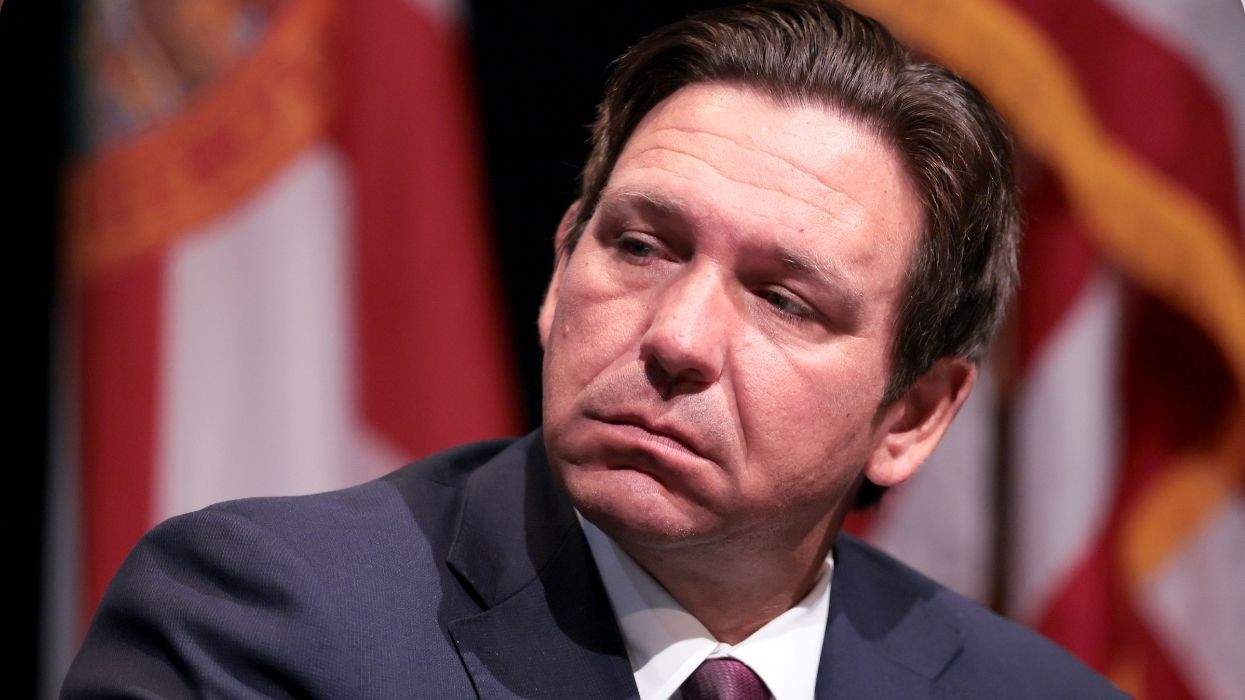

It's not just the LGBTQ+ community that is bracing itself for the implementation of Florida's new anti-diversity law that takes effect on January 1.
City and county officials, along with local sports associations, are reportedly sweeping away beloved cultural and competitive events in order to comply with a law signed by Gov. Ron DeSantis in April that is part of a broader crackdown on diversity, equity and inclusion activities across the Sunshine State.
Among the known casualties so far are groups that celebrate the heritage of Irish Americans, Italian Americans, Greek Americans, Hispanic Americans, and women who compete in sports leagues that exclude men.
Related: Ron DeSantis cheers as University of Florida's anti-LGBTQ+ president fires all diversity staff
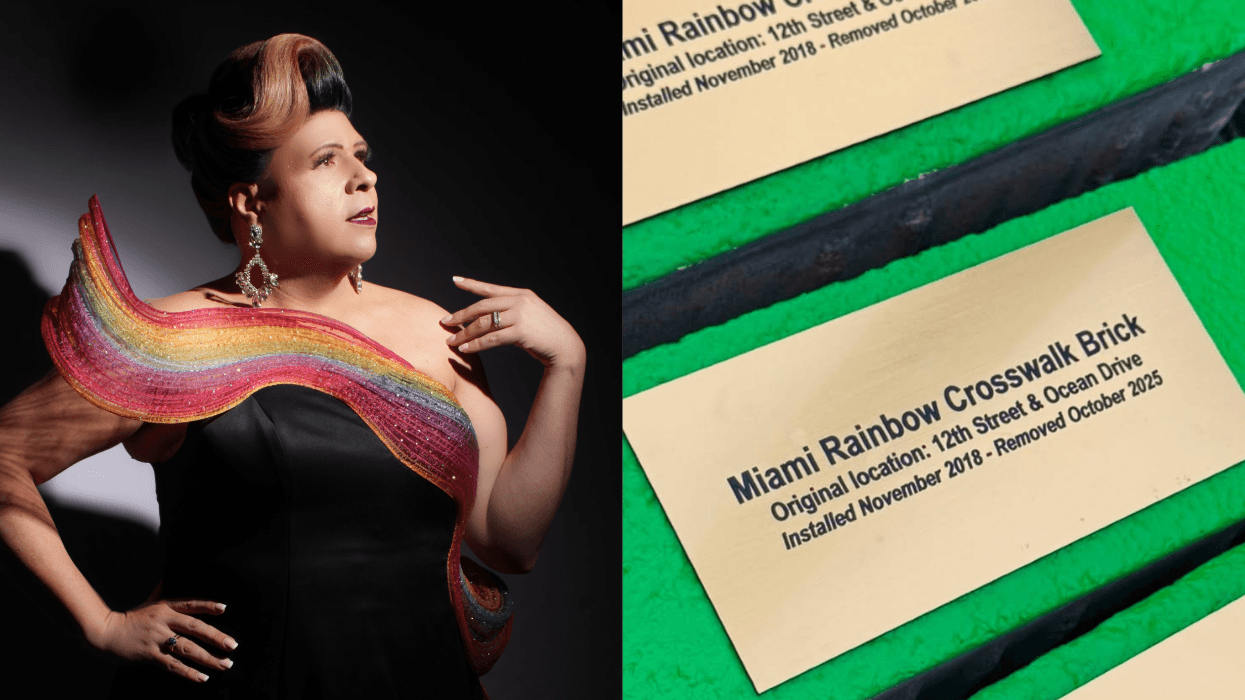
As the Advocate previously reported, the Miami City Commission is expected to vote next month on repealing all equal opportunity and diversity programs and affirmative action policies, and would eliminate an advisory board on LGBTQ+ issues. Also at risk are all city-sanctioned programs implemented with reference to race, color, sex, ethnicity, gender identity, or sexual orientation.
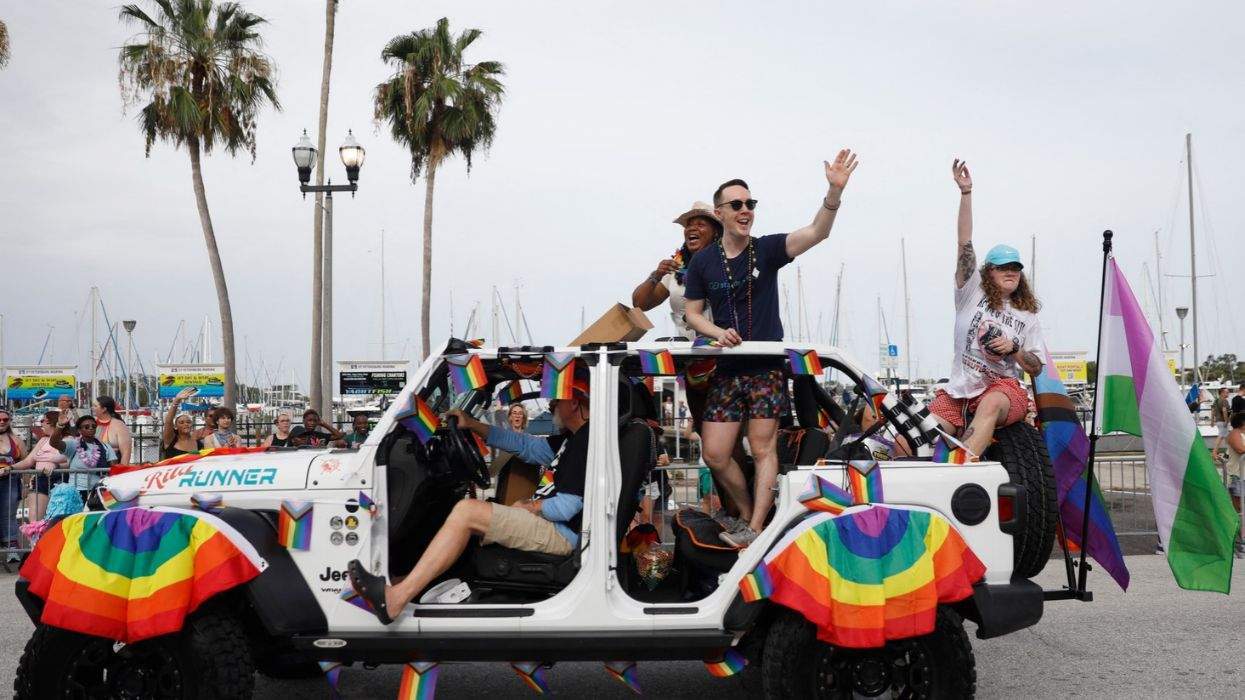
That same report noted the new law also prompted Delray Beach to withdraw city support for its 2027 St. Patrick’s Day parade as well as its Pride celebration. The city attorney concluded that sponsoring such events could violate the restrictions.
Now, The New York Times is reporting a far wider impact of the legislation. Officials in the Florida Keys cut grants for an Italian heritage organization in addition to Pride events and drag shows. A women’s-only flag football tournament that had been held for decades added a men’s division in order to keep its public funding, according to the Times.
A commissioner in Broward County, citing legal advice from the county attorney’s office, decided they cannot provide funding for a Greek film festival, a boys’ choir, or a women’s-only tennis tournament.
Related: From Miami’s LGBTQ+ board to an Irish parade, Florida’s anti-DEI law spreads its reach
Officials in Fernandina Beach, home to luxury oceanfront resorts such as the Ritz-Carlton and the Omni, reportedly issued a proclamation celebrating Hispanic heritage last month ahead of the annual festival, only to learn minutes later from the town attorney that doing so will be illegal next year.
“We should all be ashamed that this is what comes out of our legislature,” declared City Commissioner Genece Minshew. “And the people that we elected in this county were the two sponsors of this bill.”
Minshew criticized lawmakers for spending time on the legislation rather than property taxes, insurance costs, affordable housing, and homelessness, as the Fernandina Observer reported.
“This is what our legislature in Tallahassee is doing instead of trying to fix property taxes and property insurance and all the other things that we struggle with, and affordability and housing and homelessness,” she said. “Instead of working on those issues, this is what they work on. And we should all be ashamed of this because this is not what we are as Americans.”
Related: Anti-DEI bill threatening Florida Pride events gains momentum in GOP legislature
Miami, which has historically funded the Gay8 festival in Little Havana, can no longer provide the $90K in support. So, the festival has rebranded itself as the 8 Freedom Festival, and stripped its website of any mention of LGBTQ+ advocacy. “We’re entering the realm of the theater of the absurd,” said Damian Pardo, the first out gay city commissioner in Miami history, who helped found the event before he was elected.
After officials in Delray Beach preemptively canceled the city’s St. Patrick’s Day parade, DeSantis accused the city of “malicious compliance” in a statement, writing, “What they are doing is not mandated by Florida law.” Mayor Tom Carney said he was seeking private funding to preserve the parade. He told The South Florida Sun Sentinel that the city's lawyers deemed the parade an “ethnic” event that promotes a certain group.
The law allows Florida residents to sue if they think their city or county is violating the law, and allows the governor to remove officials who violate it. The law will take effect just as Florida prepares to swear in its first Black governor, Republican Byron Donalds.
Related: Ron DeSantis signs law that could strip Florida of Pride celebrations
“The ambiguity of the law is already having a chilling effect,” Jon Harris Maurer, general counsel and public policy director for Equality Florida, which opposes the law, told the Times.
Equality Florida did convince lawmakers to make carve-outs in the law to allow preservation of the Pulse memorial in Orlando and for states to issue permits, but not promote Pride. But the law remains an existential threat, Harris Maurer told The Advocate in April.
“This law is deeply concerning and deliberately vague, sending a clear message that celebrating diversity and supporting LGBTQ Floridians can carry legal and political risk. It targets not only local governments but every community that works to create inclusive, welcoming spaces. Our communities have faced unjust laws before, and responded with resilience, strength, and solidarity,” said Harris Maurer.
“Equality Florida will continue to stand with local leaders, community organizations, and residents to ensure that LGBTQ people remain visible, celebrated, and supported. Pride will continue, programs that support inclusion will continue, and our communities will remain strong despite attempts to intimidate or silence them.”