'%3E%3Cpath d='M16.3574 35.6519H12.9537L15.0491 18.8873L16.3574 35.6519ZM30.4229 54.0093L22.309 0.994385H7.91795L0 54.0093H10.6634L11.5802 46.3855H17.4014L17.9914 54.0093H30.4229Z' fill='%23971B20'/%3E%3Cpath d='M48.2073 41.8813C48.2073 43.4049 47.4892 44.0011 46.1144 44.0011H43.7595V11.0687H46.1144C47.4892 11.0687 48.2073 11.6636 48.2073 13.1885V41.8813ZM59.5273 43.6695V11.3326C59.5273 3.71323 53.5729 0.994385 47.8157 0.994385H31.7213V54.0093H47.8157C53.5729 54.0093 59.5273 51.29 59.5273 43.6695Z' fill='%23971B20'/%3E%3Cpath d='M90.183 0.994385H78.6039L75.0711 30.6157L71.9955 0.994385H59.4346L69.2474 54.0093H80.373L90.183 0.994385Z' fill='%23971B20'/%3E%3Cpath d='M107.063 42.3448C107.063 43.7359 105.951 44.5974 104.643 44.5974C103.269 44.5974 102.157 43.7359 102.157 42.3448V12.658C102.157 11.2676 103.269 10.4058 104.643 10.4058C105.951 10.4058 107.063 11.2676 107.063 12.658V42.3448ZM119.233 43.2723V11.7312C119.233 6.36384 112.952 -3.8147e-06 104.643 -3.8147e-06C96.2667 -3.8147e-06 89.9867 6.36384 89.9867 11.7312V43.2723C89.9867 48.6393 96.2667 55 104.643 55C112.952 55 119.233 48.6393 119.233 43.2723Z' fill='%23971B20'/%3E%3Cpath d='M150.976 43.9349V33.7309H139.069V42.3448C139.069 43.7359 137.957 44.5974 136.582 44.5974C135.076 44.5974 133.964 43.7359 133.964 42.3448V12.658C133.964 11.2676 135.076 10.4058 136.582 10.4058C137.957 10.4058 139.069 11.2676 139.069 12.658V21.2723H150.976V11.0687C150.976 5.70107 145.283 -3.8147e-06 136.582 -3.8147e-06C127.75 -3.8147e-06 121.796 5.70107 121.796 11.0687V43.9349C121.796 49.3022 127.75 55 136.582 55C145.283 55 150.976 49.3022 150.976 43.9349Z' fill='%23971B20'/%3E%3Cpath d='M167.478 35.6519H164.076L166.17 18.8873L167.478 35.6519ZM181.544 54.0093L173.432 0.994385H159.037L151.123 54.0093H161.785L162.704 46.3855H168.523L169.114 54.0093H181.544Z' fill='%23971B20'/%3E%3Cpath d='M205.412 10.4058V0.994385H177.081V10.4058H185.392V54.0093H197.428V10.4058H205.412Z' fill='%23971B20'/%3E%3Cpath d='M230.002 54.0093V43.9349H218.914V31.8746H226.635V21.8028H218.914V10.4058H230.002V0.994385H206.875V54.0093H230.002Z' fill='%23971B20'/%3E%3C/g%3E%3Cdefs%3E%3CclipPath id='clip0_260_7080'%3E%3Crect width='230' height='55' fill='white'/%3E%3C/clipPath%3E%3C/defs%3E%3C/svg%3E)
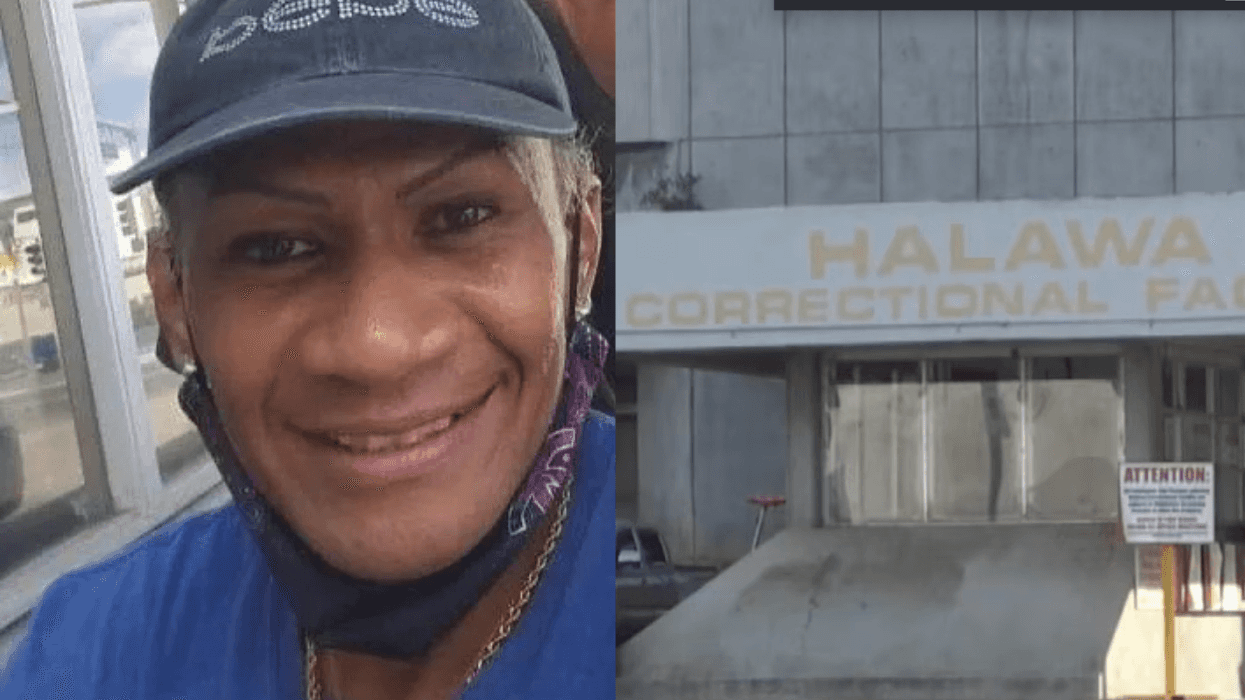

An Oahu grand jury on Tuesday indicted Jason McCormick, who is serving two life sentences for murder, on a first-degree murder charge in the death of Denise Foster, a transgender woman incarcerated at Hālawa Correctional Facility, a men’s prison in Hawaii.
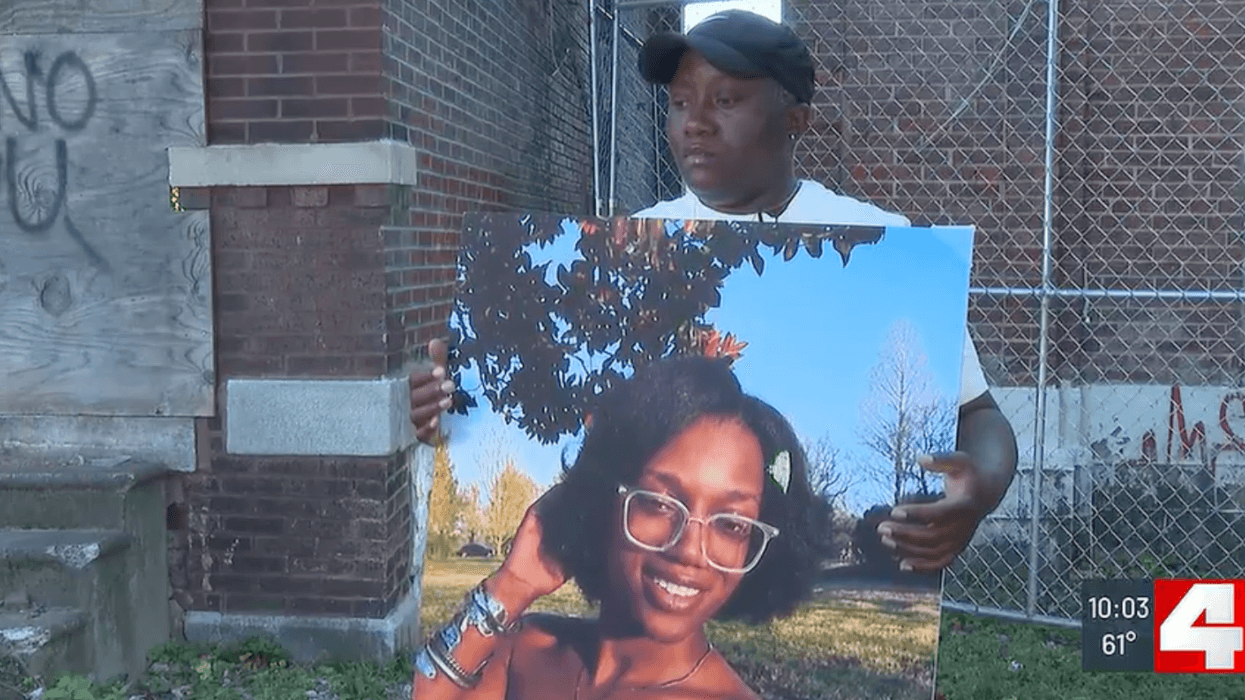
Foster was 55 when she was beaten and strangled in her cell on August 4, according to Honolulu Civil Beat. Prison officials have not publicly explained why Foster, a minimum-security inmate, was housed where McCormick, a maximum-security inmate who had previously killed a cellmate, could reach her.
Foster was serving a five-year sentence for theft and unauthorized control of a vehicle. Her niece, Queenair Bulawan, told Civil Beat that Foster expected to come home in September or October.
Related: On Transgender Day of Remembrance, the people who loved them tell their stories
Bulawan said prison officials had given her family no explanation for what led to her aunt’s death. The family learned of the indictment after it became public. “Ever since she passed, nobody said anything,” she said. “We don’t know.”
Bulawan remembered how her aunt would make the rounds of relatives’ homes during the holidays. “She always tried to give something to everybody.”
McCormick was sentenced to life in prison with the possibility of parole in 2013 for the 1996 murder of Robert Henderson, a University of Pittsburgh professor. He also pleaded guilty to first-degree murder in the 2015 strangulation of his cellmate, 21-year-old Jonathan Namauleg, at the Saguaro Correctional Center in Arizona. That conviction resulted in a second, consecutive life sentence without the possibility of parole.
Related: Transgender Day of Remembrance: What it is and how to observe it
The state attorney general’s office said McCormick, 52, remains at Hālawa and is being held without bail on the new charge. The first-degree murder charge carries a sentence of life in prison without the possibility of parole.
After Foster’s death, two online petitions calling on the state to create safeguards for transgender people and other vulnerable inmates drew more than 300 signatures combined. One urged Hawaii prison officials to consider a person’s gender identity and safety when deciding where to house them.