'%3E%3Cpath d='M16.3574 35.6519H12.9537L15.0491 18.8873L16.3574 35.6519ZM30.4229 54.0093L22.309 0.994385H7.91795L0 54.0093H10.6634L11.5802 46.3855H17.4014L17.9914 54.0093H30.4229Z' fill='%23971B20'/%3E%3Cpath d='M48.2073 41.8813C48.2073 43.4049 47.4892 44.0011 46.1144 44.0011H43.7595V11.0687H46.1144C47.4892 11.0687 48.2073 11.6636 48.2073 13.1885V41.8813ZM59.5273 43.6695V11.3326C59.5273 3.71323 53.5729 0.994385 47.8157 0.994385H31.7213V54.0093H47.8157C53.5729 54.0093 59.5273 51.29 59.5273 43.6695Z' fill='%23971B20'/%3E%3Cpath d='M90.183 0.994385H78.6039L75.0711 30.6157L71.9955 0.994385H59.4346L69.2474 54.0093H80.373L90.183 0.994385Z' fill='%23971B20'/%3E%3Cpath d='M107.063 42.3448C107.063 43.7359 105.951 44.5974 104.643 44.5974C103.269 44.5974 102.157 43.7359 102.157 42.3448V12.658C102.157 11.2676 103.269 10.4058 104.643 10.4058C105.951 10.4058 107.063 11.2676 107.063 12.658V42.3448ZM119.233 43.2723V11.7312C119.233 6.36384 112.952 -3.8147e-06 104.643 -3.8147e-06C96.2667 -3.8147e-06 89.9867 6.36384 89.9867 11.7312V43.2723C89.9867 48.6393 96.2667 55 104.643 55C112.952 55 119.233 48.6393 119.233 43.2723Z' fill='%23971B20'/%3E%3Cpath d='M150.976 43.9349V33.7309H139.069V42.3448C139.069 43.7359 137.957 44.5974 136.582 44.5974C135.076 44.5974 133.964 43.7359 133.964 42.3448V12.658C133.964 11.2676 135.076 10.4058 136.582 10.4058C137.957 10.4058 139.069 11.2676 139.069 12.658V21.2723H150.976V11.0687C150.976 5.70107 145.283 -3.8147e-06 136.582 -3.8147e-06C127.75 -3.8147e-06 121.796 5.70107 121.796 11.0687V43.9349C121.796 49.3022 127.75 55 136.582 55C145.283 55 150.976 49.3022 150.976 43.9349Z' fill='%23971B20'/%3E%3Cpath d='M167.478 35.6519H164.076L166.17 18.8873L167.478 35.6519ZM181.544 54.0093L173.432 0.994385H159.037L151.123 54.0093H161.785L162.704 46.3855H168.523L169.114 54.0093H181.544Z' fill='%23971B20'/%3E%3Cpath d='M205.412 10.4058V0.994385H177.081V10.4058H185.392V54.0093H197.428V10.4058H205.412Z' fill='%23971B20'/%3E%3Cpath d='M230.002 54.0093V43.9349H218.914V31.8746H226.635V21.8028H218.914V10.4058H230.002V0.994385H206.875V54.0093H230.002Z' fill='%23971B20'/%3E%3C/g%3E%3Cdefs%3E%3CclipPath id='clip0_260_7080'%3E%3Crect width='230' height='55' fill='white'/%3E%3C/clipPath%3E%3C/defs%3E%3C/svg%3E)

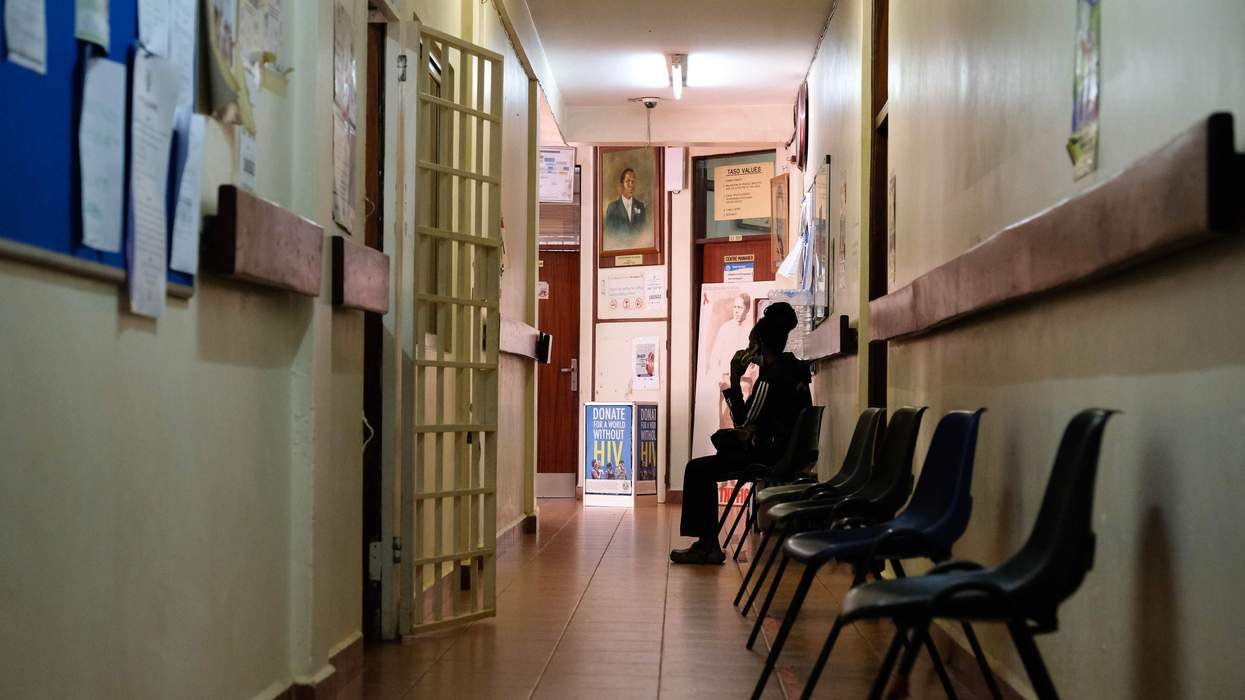
A post on Facebook this week advised Filipino travelers to Oman that they may have to undergo a test for HIV to enter the country, not just for work but also to visit. And that information matches an international list of restrictions maintained by the HIV Justice Network, which includes more than 20 nations, such as Canada and Australia.
The Philippine Embassy in Oman posted the advisory on Monday, as reported by the Philippine news outlet ABS-CBN. The advisory cites reports and cautions readers: “Please be informed that no official confirmation has been received from Omani authorities. Filipinos are advised to verify requirements directly with their airline, and to rely only on official sources.”
According to UNAIDS, the Middle Eastern country has a low, stable prevalence of HIV in adults 15-49, with as many as 3,300 people living with HIV as of 2024. While overall rates are comparatively low, the country enforces strict policies, including mandatory HIV testing for certain work visas and deportation of foreign workers who test positive. The nation is governed as a sulatate.
The report in ABS-CBN notes that Filipino travelers are being informed of the restriction at check-in at the airport by Oman Air ground staff. This policy was reportedly implemented last month, though it has not been published on the airline’s official website or social media channels.
Related: 13 Black community organizations fighting HIV in the U.S. you should know
Related: Struggling with daily HIV meds? Monthly shots may be the answer
Dubai-based airline Emirates includes a notice on its website that Filipino passengers traveling to Oman “must obtain a certificate of HIV test before departure.”
The airline says this rule does not apply to children.
Oman was already on the HIV Justice Network list of countries that significantly restrict entry for people living with HIV, and those limits are not unique to Filipino nationals.
In Canada, international travelers planning to stay longer than six months may be required to undergo HIV testing, according to the network. Long-term visitors are evaluated based on whether they could place an “excessive demand” on the country’s public health systems. That threshold is currently set at more than 24,057 Canadian dollars per year, though many HIV treatment regimens fall below that cost.
Travelers to the U.S. and Mexico generally face no restrictions for entry and short-term visits. In the United States, travelers carrying prescription medications, including HIV treatments, are typically required to have a doctor’s note in English confirming the medication is for personal use.
Related: Beyond awareness: How youth leadership is reshaping the HIV response
Related: Ron DeSantis signs law restoring short-term HIV medication access for needy Floridians
According to the HIV Justice Network, most long-term visa applicants over the age of 15 planning to work in Australia must take an HIV test. Testing may also be required for younger applicants under certain medical circumstances, including prior blood transfusions or parental HIV status.
As in Canada, Australian visa applications involving long-term health conditions, including HIV, are reviewed based on projected costs to the public health system. In New Zealand, applicants living with HIV are assessed on a case-by-case basis. Those in long-term, stable relationships with New Zealand citizens may qualify for a medical waiver, allowing their HIV status to be excluded from visa or residency decisions.
View the entire list of restricted nations by clicking here.