'%3E%3Cpath d='M16.3574 35.6519H12.9537L15.0491 18.8873L16.3574 35.6519ZM30.4229 54.0093L22.309 0.994385H7.91795L0 54.0093H10.6634L11.5802 46.3855H17.4014L17.9914 54.0093H30.4229Z' fill='%23971B20'/%3E%3Cpath d='M48.2073 41.8813C48.2073 43.4049 47.4892 44.0011 46.1144 44.0011H43.7595V11.0687H46.1144C47.4892 11.0687 48.2073 11.6636 48.2073 13.1885V41.8813ZM59.5273 43.6695V11.3326C59.5273 3.71323 53.5729 0.994385 47.8157 0.994385H31.7213V54.0093H47.8157C53.5729 54.0093 59.5273 51.29 59.5273 43.6695Z' fill='%23971B20'/%3E%3Cpath d='M90.183 0.994385H78.6039L75.0711 30.6157L71.9955 0.994385H59.4346L69.2474 54.0093H80.373L90.183 0.994385Z' fill='%23971B20'/%3E%3Cpath d='M107.063 42.3448C107.063 43.7359 105.951 44.5974 104.643 44.5974C103.269 44.5974 102.157 43.7359 102.157 42.3448V12.658C102.157 11.2676 103.269 10.4058 104.643 10.4058C105.951 10.4058 107.063 11.2676 107.063 12.658V42.3448ZM119.233 43.2723V11.7312C119.233 6.36384 112.952 -3.8147e-06 104.643 -3.8147e-06C96.2667 -3.8147e-06 89.9867 6.36384 89.9867 11.7312V43.2723C89.9867 48.6393 96.2667 55 104.643 55C112.952 55 119.233 48.6393 119.233 43.2723Z' fill='%23971B20'/%3E%3Cpath d='M150.976 43.9349V33.7309H139.069V42.3448C139.069 43.7359 137.957 44.5974 136.582 44.5974C135.076 44.5974 133.964 43.7359 133.964 42.3448V12.658C133.964 11.2676 135.076 10.4058 136.582 10.4058C137.957 10.4058 139.069 11.2676 139.069 12.658V21.2723H150.976V11.0687C150.976 5.70107 145.283 -3.8147e-06 136.582 -3.8147e-06C127.75 -3.8147e-06 121.796 5.70107 121.796 11.0687V43.9349C121.796 49.3022 127.75 55 136.582 55C145.283 55 150.976 49.3022 150.976 43.9349Z' fill='%23971B20'/%3E%3Cpath d='M167.478 35.6519H164.076L166.17 18.8873L167.478 35.6519ZM181.544 54.0093L173.432 0.994385H159.037L151.123 54.0093H161.785L162.704 46.3855H168.523L169.114 54.0093H181.544Z' fill='%23971B20'/%3E%3Cpath d='M205.412 10.4058V0.994385H177.081V10.4058H185.392V54.0093H197.428V10.4058H205.412Z' fill='%23971B20'/%3E%3Cpath d='M230.002 54.0093V43.9349H218.914V31.8746H226.635V21.8028H218.914V10.4058H230.002V0.994385H206.875V54.0093H230.002Z' fill='%23971B20'/%3E%3C/g%3E%3Cdefs%3E%3CclipPath id='clip0_260_7080'%3E%3Crect width='230' height='55' fill='white'/%3E%3C/clipPath%3E%3C/defs%3E%3C/svg%3E)
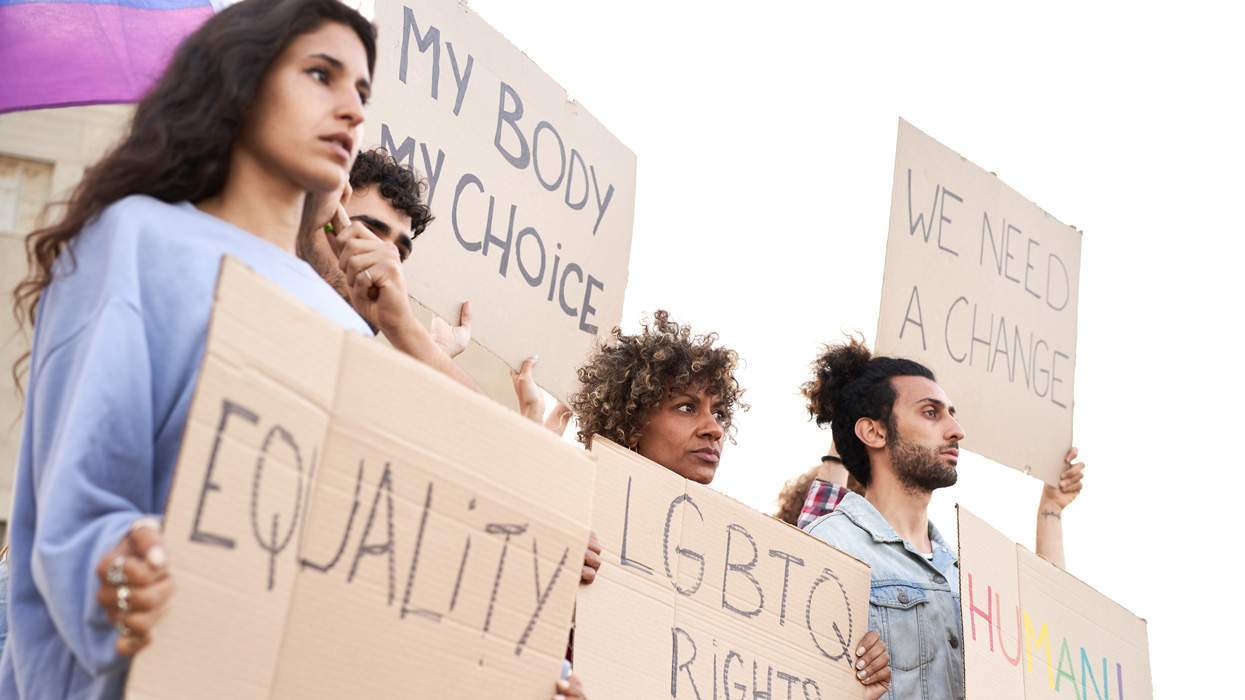

Two propositions going to the ballot on November 3 in Colorado could threaten the lives and basic rights of transgender kids. Opponents warn that the measure could affect many other young people in the state, CBS News reports.
There are about 56,000 transgender and nonbinary people in Colorado, according to a recent memorandum from the state’s Legislative Council staff. These young people would be most affected if Propositions 134 and 135 pass.
Proposition 134 would restrict transgender students’ participation in school sports, from elementary school through college, by requiring them to join teams based on the measure’s definitions of biological sex rather than their gender identity. Opponents warn that it could expose both cisgender and transgender students to invasive scrutiny. The measure does not explicitly require physical exams but leaves schools and districts to determine how to verify students’ sex.
Related: Washington ballot measure could force all girls to have genital inspections to play sports
Conservative supporters of Propositions 134 and 135 say some of the state’s trans-inclusive laws have become too lenient and are potentially harmful to children. Proposition 135 specifically would ban surgeries for people under 18 that “alter biological sex characteristics if the surgeries are in response to their gender identity,” according to the CBS report, but would not prohibit counseling, hormone treatment, or other forms of care.
Lori Gimelshteyn, founder of the Colorado Parent Advocacy Network and a board director of Protect Kids Colorado, recently told Colorado Public Radio that the measure aims to prevent what she considers “irreversible harm to children.”
“We are preventing harm,” Gimelshteyn added. “We are preserving a child’s future, their reproductive future.”
Historically, Colorado has had a reputation for being trans-friendly, with laws in place prohibiting discrimination based on gender identity and allowing people to change their gender markers on official documents.
A 2021 law, House Bill 21-1108, explicitly added gender identity and gender expression to the state’s anti-discrimination statutes. Colorado also protects students’ access to sports teams, restrooms, and locker rooms consistent with their gender identity. However, conservative backlash against these policies has grown.
Opponents of Propositions 134 and 135 argue that harm caused by the measures could extend far beyond trans youth. Vague language and a lack of details on how the restrictions would be enforced could put other minors at risk of losing access to “medically necessary care,” said Nadine Bridges, executive director of One Colorado, who also spoke to CPR News.
Related: Colorado lawmakers introduce legislation to protect LGBTQ+ people after Trump's anti-queer policies
“It’s giving too much power [to the] government over decisions where trusted professionals and families should be making decisions — medical decisions — for their young people,” Bridges said of Proposition 135.
“We could be risking medically necessary care for all kids because it won’t just impact transgender kids,” she said. “These measures will impact all kids.”
Proposition 135 includes exceptions for “medically verifiable disorders of sex development” and “acquired physical or chemical abnormalities,” though it does not specify which conditions would qualify.
Bridges also noted that Colorado has served as a destination for families seeking gender-affirming care for their children. Some families have moved there to access that care, she told CPR News, and she wants them to know they remain welcome.