'%3E%3Cpath d='M16.3574 35.6519H12.9537L15.0491 18.8873L16.3574 35.6519ZM30.4229 54.0093L22.309 0.994385H7.91795L0 54.0093H10.6634L11.5802 46.3855H17.4014L17.9914 54.0093H30.4229Z' fill='%23971B20'/%3E%3Cpath d='M48.2073 41.8813C48.2073 43.4049 47.4892 44.0011 46.1144 44.0011H43.7595V11.0687H46.1144C47.4892 11.0687 48.2073 11.6636 48.2073 13.1885V41.8813ZM59.5273 43.6695V11.3326C59.5273 3.71323 53.5729 0.994385 47.8157 0.994385H31.7213V54.0093H47.8157C53.5729 54.0093 59.5273 51.29 59.5273 43.6695Z' fill='%23971B20'/%3E%3Cpath d='M90.183 0.994385H78.6039L75.0711 30.6157L71.9955 0.994385H59.4346L69.2474 54.0093H80.373L90.183 0.994385Z' fill='%23971B20'/%3E%3Cpath d='M107.063 42.3448C107.063 43.7359 105.951 44.5974 104.643 44.5974C103.269 44.5974 102.157 43.7359 102.157 42.3448V12.658C102.157 11.2676 103.269 10.4058 104.643 10.4058C105.951 10.4058 107.063 11.2676 107.063 12.658V42.3448ZM119.233 43.2723V11.7312C119.233 6.36384 112.952 -3.8147e-06 104.643 -3.8147e-06C96.2667 -3.8147e-06 89.9867 6.36384 89.9867 11.7312V43.2723C89.9867 48.6393 96.2667 55 104.643 55C112.952 55 119.233 48.6393 119.233 43.2723Z' fill='%23971B20'/%3E%3Cpath d='M150.976 43.9349V33.7309H139.069V42.3448C139.069 43.7359 137.957 44.5974 136.582 44.5974C135.076 44.5974 133.964 43.7359 133.964 42.3448V12.658C133.964 11.2676 135.076 10.4058 136.582 10.4058C137.957 10.4058 139.069 11.2676 139.069 12.658V21.2723H150.976V11.0687C150.976 5.70107 145.283 -3.8147e-06 136.582 -3.8147e-06C127.75 -3.8147e-06 121.796 5.70107 121.796 11.0687V43.9349C121.796 49.3022 127.75 55 136.582 55C145.283 55 150.976 49.3022 150.976 43.9349Z' fill='%23971B20'/%3E%3Cpath d='M167.478 35.6519H164.076L166.17 18.8873L167.478 35.6519ZM181.544 54.0093L173.432 0.994385H159.037L151.123 54.0093H161.785L162.704 46.3855H168.523L169.114 54.0093H181.544Z' fill='%23971B20'/%3E%3Cpath d='M205.412 10.4058V0.994385H177.081V10.4058H185.392V54.0093H197.428V10.4058H205.412Z' fill='%23971B20'/%3E%3Cpath d='M230.002 54.0093V43.9349H218.914V31.8746H226.635V21.8028H218.914V10.4058H230.002V0.994385H206.875V54.0093H230.002Z' fill='%23971B20'/%3E%3C/g%3E%3Cdefs%3E%3CclipPath id='clip0_260_7080'%3E%3Crect width='230' height='55' fill='white'/%3E%3C/clipPath%3E%3C/defs%3E%3C/svg%3E)
A young Rose Montoya was put in T-ball and basketball because of the gender she was assigned at birth. Her teammates were boys who spent more time bullying her than passing her the ball. Her real friends were the girls who let her play dress up. Most days, the boys made it clear she didn't belong with them. So she got pushed into solo sports instead, and she missed out on the things sports are supposed to teach kids: teamwork, confidence, belonging.
That's what's actually at stake in this fight. Not trophies. Belonging.
This was never really about sports. Sports are the distraction, the easiest fight for the far right to win, because it's a story people already think they understand: everyone remembers gym class, a rivalry, a close finish, so it feels simple even when it isn't. The real goal is far larger: deciding who gets to take part fully in American public life. A tiny number of kids just trying to play are up against a coordinated, well-funded campaign to make them the outcast.
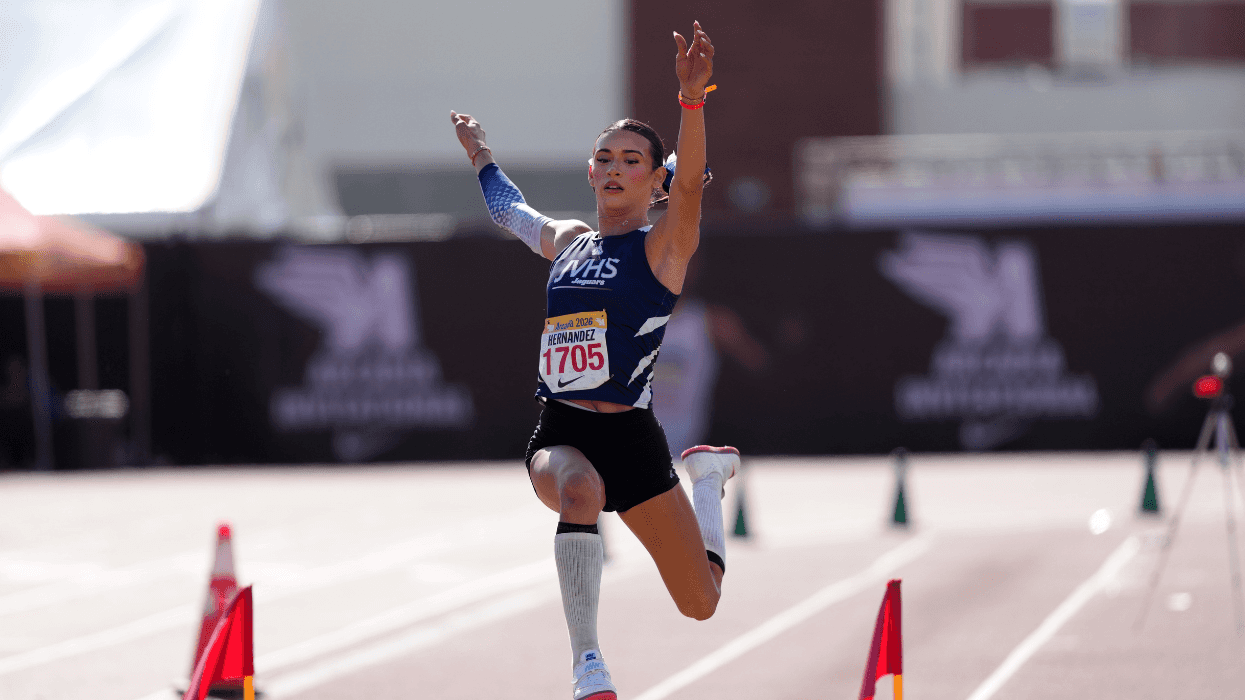
Lindsay Hecox is one of the people that the movement ran through. In 2020, before she ever got the chance to compete in college, Idaho passed HB 500, the first outright ban on transgender athletes in school sports in the country. Lindsay was 19. She sued with the ACLU just for the right to try out. Five years and constant public attacks later, she tried to withdraw her own case. But after refusing to drop the case, on June 30, 2026, the Supreme Court ruled 6-3 against her and a West Virginia plaintiff in West Virginia v. B.P.J. and Little v. Hecox, permitting states to ban trans athletes without mandating it. The fight isn't over; it now moves to state legislatures, school boards, and Congress.
It's important to note that for 22 years, the Olympic Charter made room for transgender athletes, even as eligibility standards shifted and tightened. In that entire span, exactly one openly transgender woman ever competed at the Games: Laurel Hubbard, Tokyo 2020. She did not medal. That era ended in March 2026, when the IOC barred transgender women from female-category events entirely, effective at the 2028 Los Angeles Games. If there were ever a crisis serious enough to justify that reversal, two decades of Olympic competition never produced the evidence for it.
Meanwhile, before the NCAA changed its policy in February 2025, its own president told Congress he knew of fewer than 10 transgender athletes among the 500,000-plus college athletes in this country. This was never a flood. It was never even a trickle.
Furthermore, if this were really about protecting cisgender women's sports, its backers would be closing the pay gap between men's and women's leagues and investing in women's athletics the way they invest in men's, not gutting Title IX protections for every student in the process. Women's sports have never had an equal playing field, and blaming trans girls for that doesn't fix it.
Instead, enforcement gets ugly fast, and the suspicion doesn’t stay inside the gym. Cisgender people get swept up in that scrutiny too: a Florida volleyball player was investigated by police after an anonymous tip, prompting a 500-page report on her medical history and body; a Utah basketball player faced threats after a state school board member falsely suggested she was transgender; an Arizona boy was barred from his team over a clerical error on his birth certificate. This is what "protecting women's sports" looks like in practice: surveillance, not protection.
This follows the same pattern used for decades against LGBTQ+ rights: pick a group with limited political power, tell a story that makes them look threatening, and use the fear to justify laws that push them out of public life. This was never about fairness or protecting women. It’s about who gets to decide who’s allowed to exist in public life, and trans people are simply the current test case, small and vulnerable enough to try it on first.
Lindsay wanted to run with her team. A younger Rose just wanted to be on a team where she belonged. Stories are what change minds, so share Lindsay’s and Rose’s with the people in your life who are still on the fence. The LGBTQ+ community has done this before: during the AIDS crisis, people who weren’t sick still showed up for those who were, and that solidarity became the foundation for the rights we’ve won since. That same fervor is what our trans and nonbinary family needs now.
In 2028, the world comes to Los Angeles for the Olympic Games. For the first time in over two decades, transgender women won't be permitted to compete in the female category, a decision made months before a single qualifying heat was run. Under the new Olympic policy, every athlete entering a women's event will take a genetic test to prove she belongs there. Surveillance is no longer a side effect of these rules. It is the mechanism. That's exactly why visibility matters now. Spaces like Pride House LA/West Hollywood, built to expand visibility and remove barriers for LGBTQ+ athletes and fans, are laying groundwork one policy reversal can't undo.
Sports were only the opening move. Together, empowered with the truth, let’s make sure no kid has to wait as long as young Rose and Lindsay did to find out that they belong.
Rose Montoya (she/they) is a trans Latina advocate, educator, and creator with over a decade of experience advancing trans-inclusive policy, shifting public perception, and building community power.
Michael Ferrera (he/him) is the CEO of Out Athlete Fund, a non-profit organization sponsoring elite LGBTQ+ athletes preparing for competition and producing Pride House LA/West Hollywood during the 2028 Los Angeles Olympic Games. More information at pridehouselaweho.org.
Opinion is dedicated to featuring a wide range of inspiring personal stories and impactful opinions from the LGBTQ+ community and its allies. Visit Advocate.com/submit to learn more about submission guidelines. We welcome your thoughts and feedback on any of our stories. Email us at voices@equalpride.com. Views expressed in Voices stories are those of the guest writers, columnists, and editors, and do not directly represent the views of The Advocate or our parent company, equalpride.