'%3E%3Cpath d='M16.3574 35.6519H12.9537L15.0491 18.8873L16.3574 35.6519ZM30.4229 54.0093L22.309 0.994385H7.91795L0 54.0093H10.6634L11.5802 46.3855H17.4014L17.9914 54.0093H30.4229Z' fill='%23971B20'/%3E%3Cpath d='M48.2073 41.8813C48.2073 43.4049 47.4892 44.0011 46.1144 44.0011H43.7595V11.0687H46.1144C47.4892 11.0687 48.2073 11.6636 48.2073 13.1885V41.8813ZM59.5273 43.6695V11.3326C59.5273 3.71323 53.5729 0.994385 47.8157 0.994385H31.7213V54.0093H47.8157C53.5729 54.0093 59.5273 51.29 59.5273 43.6695Z' fill='%23971B20'/%3E%3Cpath d='M90.183 0.994385H78.6039L75.0711 30.6157L71.9955 0.994385H59.4346L69.2474 54.0093H80.373L90.183 0.994385Z' fill='%23971B20'/%3E%3Cpath d='M107.063 42.3448C107.063 43.7359 105.951 44.5974 104.643 44.5974C103.269 44.5974 102.157 43.7359 102.157 42.3448V12.658C102.157 11.2676 103.269 10.4058 104.643 10.4058C105.951 10.4058 107.063 11.2676 107.063 12.658V42.3448ZM119.233 43.2723V11.7312C119.233 6.36384 112.952 -3.8147e-06 104.643 -3.8147e-06C96.2667 -3.8147e-06 89.9867 6.36384 89.9867 11.7312V43.2723C89.9867 48.6393 96.2667 55 104.643 55C112.952 55 119.233 48.6393 119.233 43.2723Z' fill='%23971B20'/%3E%3Cpath d='M150.976 43.9349V33.7309H139.069V42.3448C139.069 43.7359 137.957 44.5974 136.582 44.5974C135.076 44.5974 133.964 43.7359 133.964 42.3448V12.658C133.964 11.2676 135.076 10.4058 136.582 10.4058C137.957 10.4058 139.069 11.2676 139.069 12.658V21.2723H150.976V11.0687C150.976 5.70107 145.283 -3.8147e-06 136.582 -3.8147e-06C127.75 -3.8147e-06 121.796 5.70107 121.796 11.0687V43.9349C121.796 49.3022 127.75 55 136.582 55C145.283 55 150.976 49.3022 150.976 43.9349Z' fill='%23971B20'/%3E%3Cpath d='M167.478 35.6519H164.076L166.17 18.8873L167.478 35.6519ZM181.544 54.0093L173.432 0.994385H159.037L151.123 54.0093H161.785L162.704 46.3855H168.523L169.114 54.0093H181.544Z' fill='%23971B20'/%3E%3Cpath d='M205.412 10.4058V0.994385H177.081V10.4058H185.392V54.0093H197.428V10.4058H205.412Z' fill='%23971B20'/%3E%3Cpath d='M230.002 54.0093V43.9349H218.914V31.8746H226.635V21.8028H218.914V10.4058H230.002V0.994385H206.875V54.0093H230.002Z' fill='%23971B20'/%3E%3C/g%3E%3Cdefs%3E%3CclipPath id='clip0_260_7080'%3E%3Crect width='230' height='55' fill='white'/%3E%3C/clipPath%3E%3C/defs%3E%3C/svg%3E)


Transgender women athletes have been the subject of much debate over the past few years, and this Tuesday they’ll be the subject of arguments at the U.S. Supreme Court.
What are the cases involving transgender women in sports?
The high court is considering Idaho’s and West Virginia’s laws that bar trans women and girls from female sports. In both cases — Hecox v. Idaho and B.P.J. v. West Virginia — lower courts have granted injunctions blocking implementation of the laws and allowing trans athletes to compete. The states are appealing.
Lindsay Hecox is a trans woman student at Boise State University who is the lead plaintiff in a suit against Idaho’s law, filed shortly after Gov. Brad Little signed it in 2020. She sought to try out for the women’s track and cross-country teams at the university. When she became eligible to try out, she didn’t make the team, but she has competed at the club level. Last year, she dropped her suit for personal reasons, including the death of her father, and urged the Supreme Court not to hear it, but it has taken up the case anyway.
Related: How Runner Lindsay Hecox Is Fighting for Trans Athletes
In West Virginia, trans girl Becky Pepper-Jackson filed suit against that state’s ban shortly after it was enacted in 2021. She is now 15 and a member of the girls’ track and field team at her school.
Related: Meet the West Virginian Middle School Student Challenging a Trans Sports Ban in Federal Court
The American Civil Liberties Union is representing both Hecox and Pepper-Jackson, and Lambda Legal has joined in Pepper-Jackson’s representation as well. An ACLU lawyer will argue both cases.
How might the court rule in the cases?
Lambda Legal CEO Kevin Jennings told The Advocate he is “to be 100 percent honest, anxious” about how the high court will rule.
“This is not the friendliest Supreme Court to LGBTQ+ rights,” he said. “But we will take a stand for what’s right, and the chips will fall where they may.”
The arguments in favor of trans inclusion will invoke the Equal Protection Clause of the 14th Amendment to the U.S. Constitution and Title IX of the Education Amendments of 1972. The latter bans sex discrimination in educational programs that receive federal funding. Democratic presidential administrations have held that sex discrimination under Title IX includes discrimination based on sexual orientation and gender identity, while Republicans, especially Donald Trump, have held that it does not. (In 2020, the Supreme Court ruled that another federal law, Title VII of the Civil Rights Act of 1964, in banning sex discrimination in employment, also banned discrimination based on sexual orientation and gender identity. But the makeup of the court has changed since then.)
Anti-trans activists have “no intention of stopping till they have stripped trans people of their rights completely,” Jennings said. “It’s the principle that’s at stake. Once you say it’s OK to discriminate against people, where do you stop? What the right wing is asking for is a license to discriminate, and we’re asking the court not to give them that license.”
The Supreme Court’s ruling could be narrow, dealing only with each state’s law, or it could create that broader license, he added. One thing the court could not do is order any state to exclude trans athletes; it would simply uphold their right to do so.
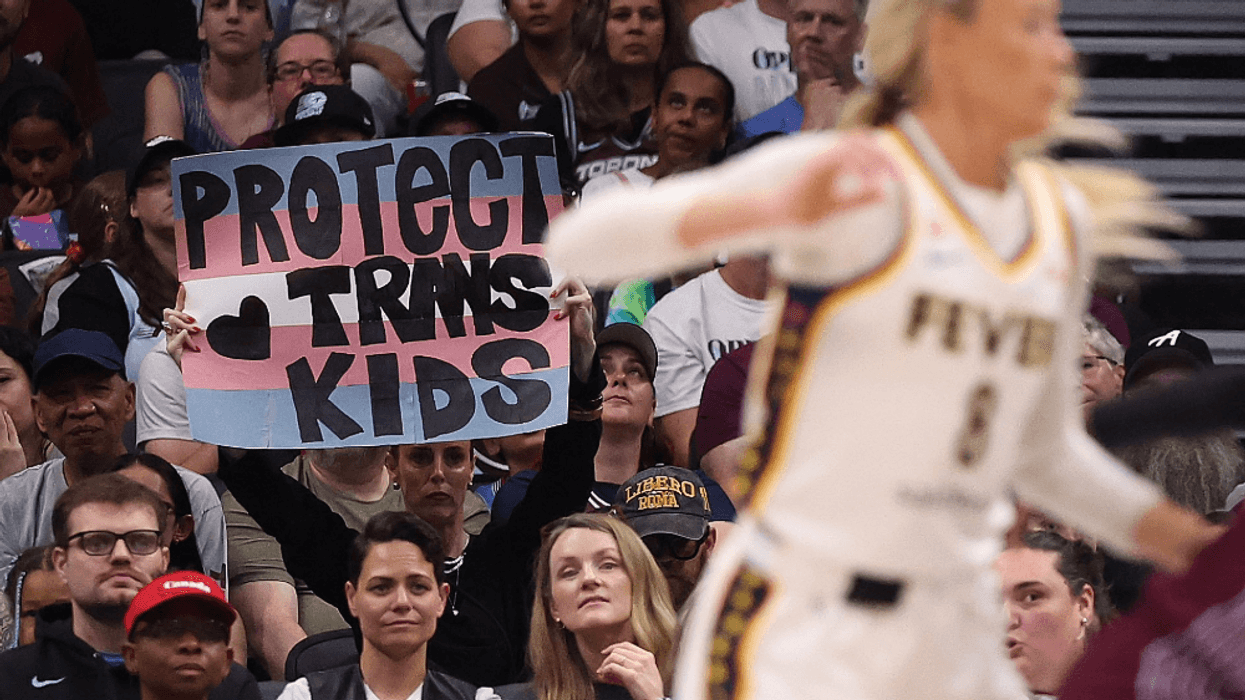
Transgender women in sports
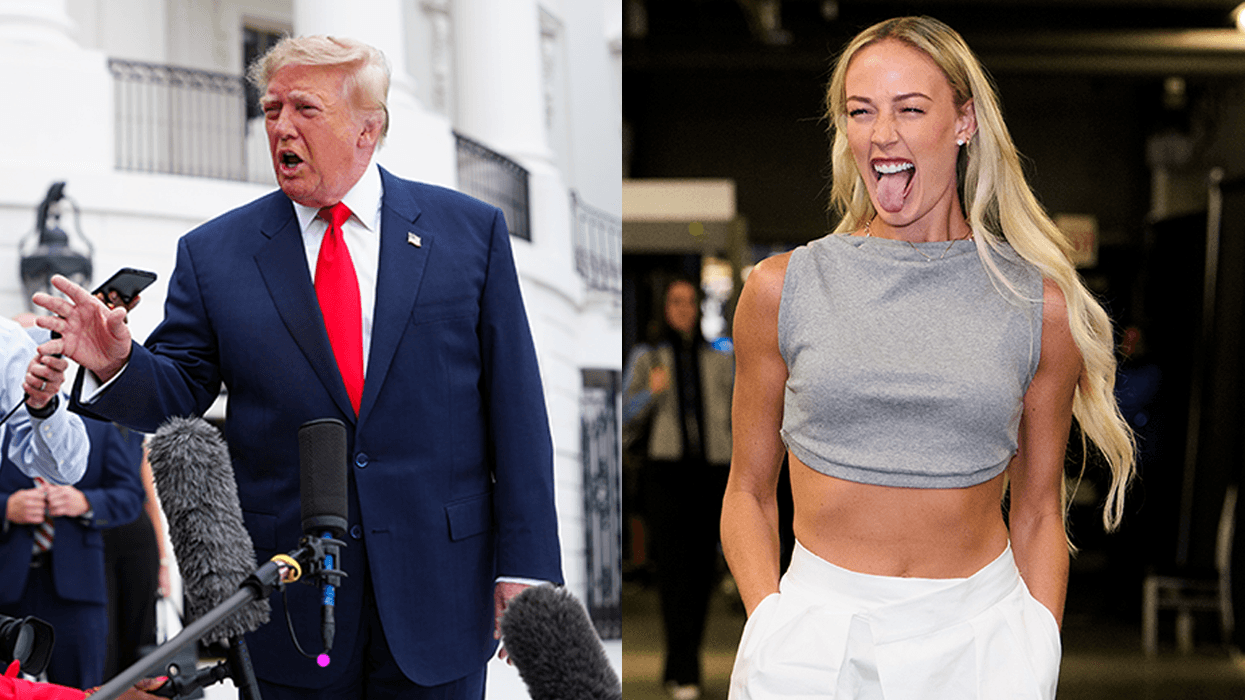
Indeed, Trump and other Republicans have characterized trans women’s participation in female sports as “men in women’s sports” with an inherent advantage over cisgender females. Trump and others have called trans women’s presence “demeaning” to cis women.
But those on the side of equal rights for trans people see this as a disingenuous and hypocritical argument. “I don’t see them out there clamoring for more funding for women’s sports,” Jennings said of the anti-trans forces. “Their interest in women’s sports begins and ends with the participation of trans women.”
Also, the anti-trans argument relies on stereotypes, ACLU communications strategist Gillian Branstetter wrote on the group’s website in September. “As any competitive athlete can tell you, all athletes carry advantages and disadvantages depending on the sport, their background, their experience, their genetics, and their physical ability,” she wrote. “Excluding transgender girls on the basis of advantages they may or may not have, while ignoring the wide varieties of body types and physical ability among all women, is both discriminatory to transgender girls and relies on very old stereotypes of women as inherently petite and weak (something that anyone who watches women’s sports can tell you is very far from the truth).”
Anti-trans politicians contend that going through male puberty gives trans female athletes an advantage, but Jennings noted that Pepper-Jackson has been on puberty blockers since elementary school, so she has not gone through male puberty. “She is a girl,” he said. And Hecox had to have her testosterone levels suppressed before she could try out for women’s teams, under the rules the National Collegiate Athletic Association had at the time. Last year, the NCAA caved to Trump and began to exclude trans women from female sports altogether.
What’s more, there are very few trans females competing at any level of sports. NCAA President Charlie Baker testified before a U.S. Senate committee that out of 530,000 student athletes in NCAA schools, fewer than 10 are trans. He didn’t say how many are trans females and how many are trans males.
“This is a solution in search of a problem,” Jennings said.
The far right simply wants to demean trans people, deny their existence, and strip them of their rights, both Jennings and Branstetter noted. “Even though the number of transgender students in athletics is small, their right to play has become a central focus of politicians who want to push transgender people out of public life altogether,” Branstetter wrote. “Their hope is that a Supreme Court ruling against the rights of girls like Pepper-Jackson will allow them to discriminate against transgender people in many more contexts and, eventually, deny us our freedom to be ourselves entirely.”
The Trevor Project, which assists LGBTQ+ youth in crisis, has filed friend-of-the-court briefs in both cases supporting the rights of trans athletes. Such briefs are filed by people and organizations that are not directly involved in a case but want to make their opinion known.
“Thoughtful discussion about rules and regulations to ensure safety and fairness is one thing, but banning an entire group of young people from any participation whatsoever is discrimination, plain and simple,” said a statement released last week by Trevor Project CEO Jaymes Black. “These bans are not about fairness or safety; they are about isolating and rejecting transgender and nonbinary youth for political gain. We urge the Supreme Court justices to reject these sweeping bans. No matter what they decide, The Trevor Project will continue fighting for a world where transgender and nonbinary youth feel safe, seen, and accepted exactly as they are.”
“These one-size fits-all bans treat every sport, age group, and level of competition the same, and they are largely based on stereotypes and misinformation,” Black further noted. “The harm they cause is real; in states where anti-transgender laws — like those at the center of these cases — were enacted, transgender and nonbinary youth reported up to a 72 percent increase in past-year suicide attempts, compared to those living in states without such laws.”
Twenty-seven states have laws barring trans youth from competing in sports consistent with their gender identity, according to the Movement Advancement Project, while two others have regulations or agency policies to this effect. They vary in scope, but most include K-12 schools and public colleges and universities.
Trump's focus on trans women
In his 2024 campaign for president, Trump often demonized trans people, and he has continued to do so in office. Even some Democrats have raised the issue of “fairness” in trans women’s sports participation or at least characterized trans rights as a losing issue for the party.
Jennings begs to differ. “I remember in 2004 when [Democrats] lost the presidential election and certain politicians said it was because of gay marriage,” he said. “I’ve seen this movie once before. It’s the most cowardly thing a politician can do, blame a small and relatively powerless minority for their problems.”
To help supporters of trans rights talk about sports participation, Lambda Legal has launched a public education campaign. The first part of this effort is the Trans Youth in Sports Conversation Guide, designed to help people approach the topic with empathy, clarity, and confidence. It offers thoughtful questions, human stories, and data points.
“A lot of people don’t know how to talk about this issue,” Jennings said. “We need to have honest conversations about how we want to treat people in this country.”
But one thing is clear, he said: “This kind of discrimination is not who we want to be as a country.”