'%3E%3Cpath d='M16.3574 35.6519H12.9537L15.0491 18.8873L16.3574 35.6519ZM30.4229 54.0093L22.309 0.994385H7.91795L0 54.0093H10.6634L11.5802 46.3855H17.4014L17.9914 54.0093H30.4229Z' fill='%23971B20'/%3E%3Cpath d='M48.2073 41.8813C48.2073 43.4049 47.4892 44.0011 46.1144 44.0011H43.7595V11.0687H46.1144C47.4892 11.0687 48.2073 11.6636 48.2073 13.1885V41.8813ZM59.5273 43.6695V11.3326C59.5273 3.71323 53.5729 0.994385 47.8157 0.994385H31.7213V54.0093H47.8157C53.5729 54.0093 59.5273 51.29 59.5273 43.6695Z' fill='%23971B20'/%3E%3Cpath d='M90.183 0.994385H78.6039L75.0711 30.6157L71.9955 0.994385H59.4346L69.2474 54.0093H80.373L90.183 0.994385Z' fill='%23971B20'/%3E%3Cpath d='M107.063 42.3448C107.063 43.7359 105.951 44.5974 104.643 44.5974C103.269 44.5974 102.157 43.7359 102.157 42.3448V12.658C102.157 11.2676 103.269 10.4058 104.643 10.4058C105.951 10.4058 107.063 11.2676 107.063 12.658V42.3448ZM119.233 43.2723V11.7312C119.233 6.36384 112.952 -3.8147e-06 104.643 -3.8147e-06C96.2667 -3.8147e-06 89.9867 6.36384 89.9867 11.7312V43.2723C89.9867 48.6393 96.2667 55 104.643 55C112.952 55 119.233 48.6393 119.233 43.2723Z' fill='%23971B20'/%3E%3Cpath d='M150.976 43.9349V33.7309H139.069V42.3448C139.069 43.7359 137.957 44.5974 136.582 44.5974C135.076 44.5974 133.964 43.7359 133.964 42.3448V12.658C133.964 11.2676 135.076 10.4058 136.582 10.4058C137.957 10.4058 139.069 11.2676 139.069 12.658V21.2723H150.976V11.0687C150.976 5.70107 145.283 -3.8147e-06 136.582 -3.8147e-06C127.75 -3.8147e-06 121.796 5.70107 121.796 11.0687V43.9349C121.796 49.3022 127.75 55 136.582 55C145.283 55 150.976 49.3022 150.976 43.9349Z' fill='%23971B20'/%3E%3Cpath d='M167.478 35.6519H164.076L166.17 18.8873L167.478 35.6519ZM181.544 54.0093L173.432 0.994385H159.037L151.123 54.0093H161.785L162.704 46.3855H168.523L169.114 54.0093H181.544Z' fill='%23971B20'/%3E%3Cpath d='M205.412 10.4058V0.994385H177.081V10.4058H185.392V54.0093H197.428V10.4058H205.412Z' fill='%23971B20'/%3E%3Cpath d='M230.002 54.0093V43.9349H218.914V31.8746H226.635V21.8028H218.914V10.4058H230.002V0.994385H206.875V54.0093H230.002Z' fill='%23971B20'/%3E%3C/g%3E%3Cdefs%3E%3CclipPath id='clip0_260_7080'%3E%3Crect width='230' height='55' fill='white'/%3E%3C/clipPath%3E%3C/defs%3E%3C/svg%3E)
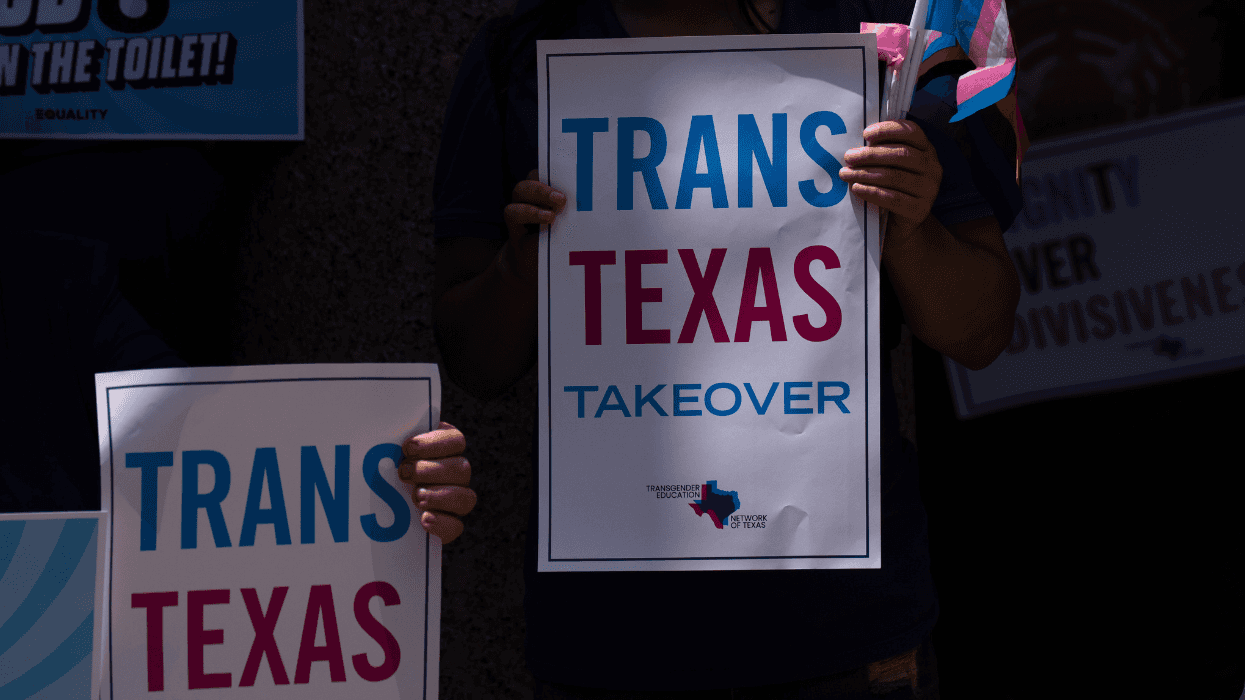

Trying to replicate their 2024 success, Republicans in Texas have once again targeted the transgender community this election year, blanketing the region with anti-trans television ads to the tune of about $78 million.
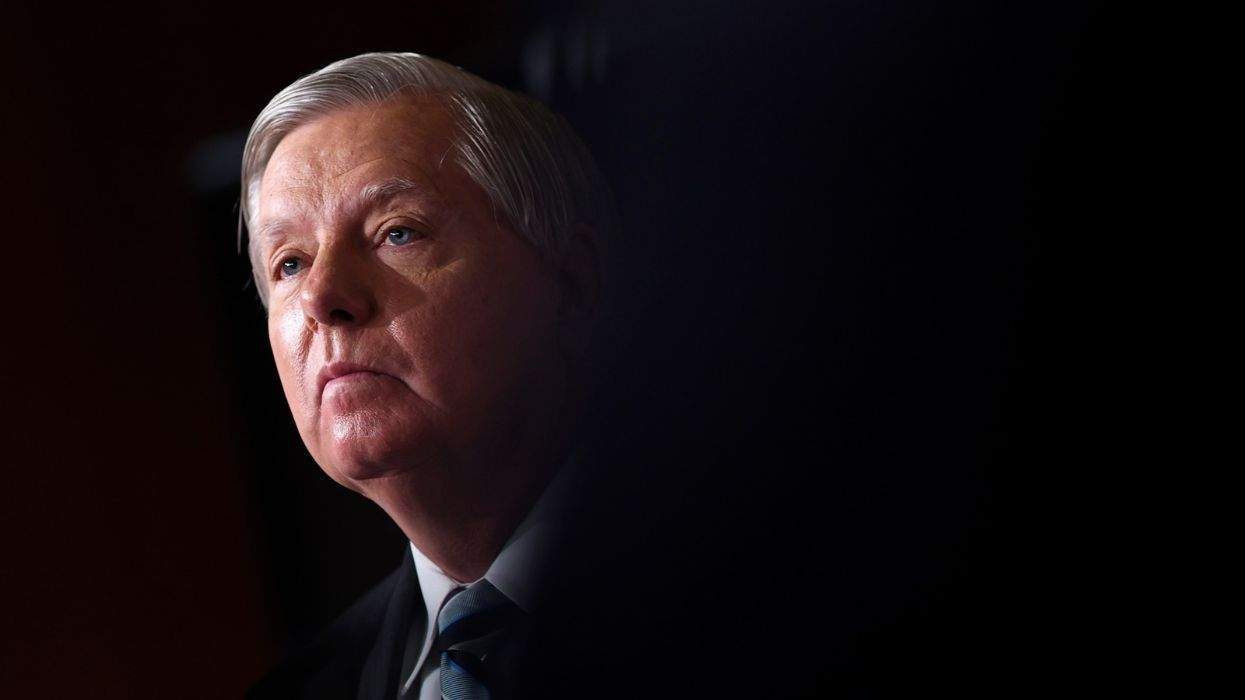
As first reported by Puck using AdImpact data, about half of all that advertising spending was to support Republican Attorney General Ken Paxton in the Senate race against Democrat James Talarico, whom the GOP has constantly mocked over his support of trans people.
Despite Texans citing the economy as their biggest concern, Republicans nationwide ran the anti-trans playbook from 2024, spending at least $78 million in ads against transgender people, focusing on trans athletes and youth transition.
The Texas Senate race alone has been the most expensive non-presidential election on record, according to AdImpact, reaching over $573 million in ad spending.
In one $29 million ad mostly funded by Elon Musk that has drawn 1.9 billion views, a woman stares at a camera and says, “Every mom in Texas should be worried about James Talarico putting parents in jail if they do not support surgically transitioning their children.”
Another ad that cost $21 million and has been seen 1.1 billion times states that “James Talarico supported spending taxpayers’ dollars on sex-change surgeries on kids.”
Talarico was questioned at an October CNN town hall about his support for restricting gender-affirming surgeries for minors, despite voting against a broader ban on gender-affirming care in the Texas Legislature. He defended his support for a national ban on those surgeries for people under 18.
Gender-affirming care for transgender minors is supported by major medical associations, including the American Academy of Pediatrics and the Endocrine Society. Care can include mental health support and, following clinical evaluation, puberty blockers and hormone therapy depending on individual need.
Related: Texas Supreme Court halts questioning over who’s behind fake trans advocacy mailers to families
Gender-affirming surgeries among minors are rare; those that do occur are predominantly chest surgeries performed on cisgender boys to treat gynecomastia, a condition that leads to breast tissue development.
The spending on these ads hasn’t gone unnoticed. Former Texas House Speaker Dade Phelan warned that Republicans had been focusing too much on culture war issues this election cycle and are paying the price.
“We’re just not paying attention to the issues that matter,” he told Texas Monthly.
“We’re still running transgender ads. It’s just not resonating. $100 million in ads, $125 million in ads, and nothing’s moved the needle here in Texas in a month in the Senate race,” Phelan said.
Television aside, mailers have also been at the forefront of messaging, with the Texas Supreme Court recently stepping in to halt a deposition aimed at exposing who is behind political pamphlets smearing a transgender advocacy group.
Related: Op-ed: Republicans want voters afraid of transgender people. They should fear voters instead
On Election Day, four states – Arizona, Colorado, Nebraska, and Washington – are voting on initiatives that could ban transgender athletes from school sports team. Together, these committees and their supporters have spent roughly $7.5 million this year on their campaigns, a new investigation from Them and The Advocate has found. The total number of trans athletes on K-12 teams in these four states is likely 50 or fewer, according to the publications’ best estimate.