'%3E%3Cpath d='M16.3574 35.6519H12.9537L15.0491 18.8873L16.3574 35.6519ZM30.4229 54.0093L22.309 0.994385H7.91795L0 54.0093H10.6634L11.5802 46.3855H17.4014L17.9914 54.0093H30.4229Z' fill='%23971B20'/%3E%3Cpath d='M48.2073 41.8813C48.2073 43.4049 47.4892 44.0011 46.1144 44.0011H43.7595V11.0687H46.1144C47.4892 11.0687 48.2073 11.6636 48.2073 13.1885V41.8813ZM59.5273 43.6695V11.3326C59.5273 3.71323 53.5729 0.994385 47.8157 0.994385H31.7213V54.0093H47.8157C53.5729 54.0093 59.5273 51.29 59.5273 43.6695Z' fill='%23971B20'/%3E%3Cpath d='M90.183 0.994385H78.6039L75.0711 30.6157L71.9955 0.994385H59.4346L69.2474 54.0093H80.373L90.183 0.994385Z' fill='%23971B20'/%3E%3Cpath d='M107.063 42.3448C107.063 43.7359 105.951 44.5974 104.643 44.5974C103.269 44.5974 102.157 43.7359 102.157 42.3448V12.658C102.157 11.2676 103.269 10.4058 104.643 10.4058C105.951 10.4058 107.063 11.2676 107.063 12.658V42.3448ZM119.233 43.2723V11.7312C119.233 6.36384 112.952 -3.8147e-06 104.643 -3.8147e-06C96.2667 -3.8147e-06 89.9867 6.36384 89.9867 11.7312V43.2723C89.9867 48.6393 96.2667 55 104.643 55C112.952 55 119.233 48.6393 119.233 43.2723Z' fill='%23971B20'/%3E%3Cpath d='M150.976 43.9349V33.7309H139.069V42.3448C139.069 43.7359 137.957 44.5974 136.582 44.5974C135.076 44.5974 133.964 43.7359 133.964 42.3448V12.658C133.964 11.2676 135.076 10.4058 136.582 10.4058C137.957 10.4058 139.069 11.2676 139.069 12.658V21.2723H150.976V11.0687C150.976 5.70107 145.283 -3.8147e-06 136.582 -3.8147e-06C127.75 -3.8147e-06 121.796 5.70107 121.796 11.0687V43.9349C121.796 49.3022 127.75 55 136.582 55C145.283 55 150.976 49.3022 150.976 43.9349Z' fill='%23971B20'/%3E%3Cpath d='M167.478 35.6519H164.076L166.17 18.8873L167.478 35.6519ZM181.544 54.0093L173.432 0.994385H159.037L151.123 54.0093H161.785L162.704 46.3855H168.523L169.114 54.0093H181.544Z' fill='%23971B20'/%3E%3Cpath d='M205.412 10.4058V0.994385H177.081V10.4058H185.392V54.0093H197.428V10.4058H205.412Z' fill='%23971B20'/%3E%3Cpath d='M230.002 54.0093V43.9349H218.914V31.8746H226.635V21.8028H218.914V10.4058H230.002V0.994385H206.875V54.0093H230.002Z' fill='%23971B20'/%3E%3C/g%3E%3Cdefs%3E%3CclipPath id='clip0_260_7080'%3E%3Crect width='230' height='55' fill='white'/%3E%3C/clipPath%3E%3C/defs%3E%3C/svg%3E)


A Democratic wave would not strip the gold from Washington. It would, however, hand the party subpoena power, and the first thing many Democrats would point it at is the president’s ballroom.
The construction has become Donald Trump’s singular obsession, and it raises questions a committee could actually answer: Who is paying for it? What do the donors expect in return? How much authority does a president have to rebuild the public’s house around his own ambitions?
An election would not halt the work. Ground already broken stays broken; approvals already granted stay granted. Democrats would inherit the questions, not the crane.
Which is the point. The ballroom is the easy target, and its appeal is that it is visible — a thing with a footprint, a budget, a donor list. The harder question is what Congress does with that same investigative power once the subject stops being marble. Military careers. HIV funding. Whether the federal government recognizes that transgender people exist. The ballroom would supply the spectacle. The administration’s policies would supply the substance.
Consider the language itself. Trump’s January 2025 military order declared transgender identity incompatible with an “honorable, truthful, and disciplined lifestyle.” That sentence did something specific: it converted a judgment about an entire group’s character into the operating policy of the United States Armed Forces. A congressional inquiry could ask how the directive was drafted, who wrote that phrase, how commanders implemented it, and what it cost people who had spent their careers serving the country that issued it.
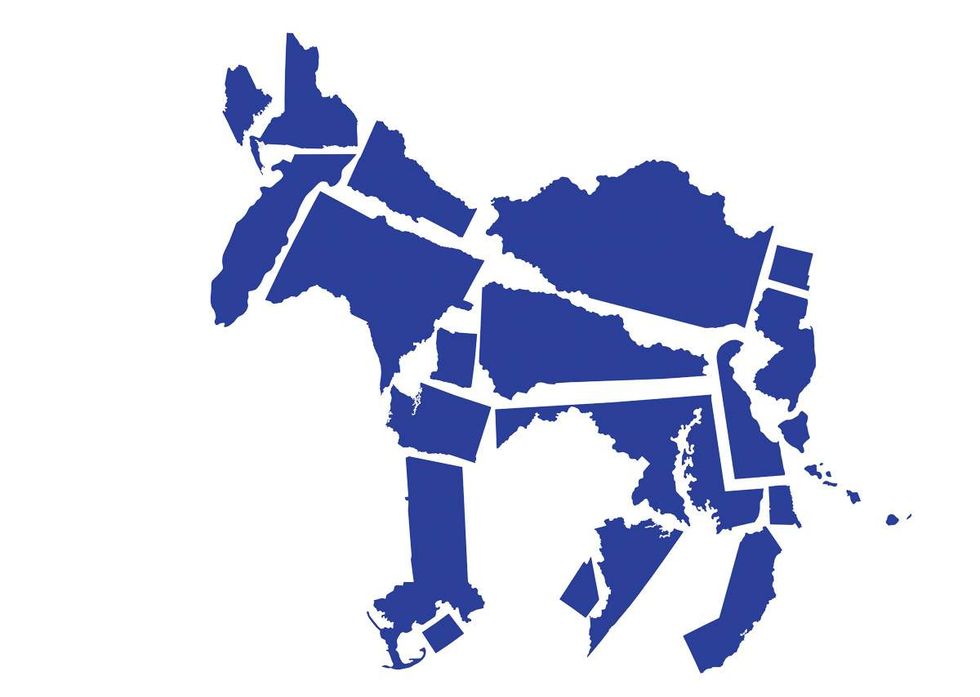 A Democratic midterm sweep could help turn the tide for LGBTQ+ Americans.Envato
The questions do not stop at the water’s edge. In August, California Rep. Robert Garcia demanded records from Secretary of State Marco Rubio concerning PEPFAR, the global HIV program created under President George W. Bush. He wanted to know which money moved, which didn’t, and what officials said to one another about decisions affecting several African countries.
“PEPFAR has been so successful,” Garcia told The Advocate, calling the administration’s retreat ”really shameful.”
PEPFAR makes a clean test of accountability, because the chain is short and traceable. Congress approves money, the money is supposed to become medication, and someone has to explain what happened if it does not.
Garcia could ask with considerably more force. The first out gay immigrant elected to Congress is Oversight’s ranking Democrat, and the gavel would be his if his party took the House. That investigative reach would arguably make him the most powerful gay man in Congress.
He has been preparing for it. Garcia has already pressed federal agencies to preserve records, including Signal communications — the unglamorous prerequisite to everything else. Before a committee can establish what happened, the evidence has to survive.
That is the part the victory speeches leave out. Documents must be obtained, then read. Witnesses must be compelled, then questioned well. Findings must hold up when the other side attacks them. A single televised confrontation travels farther than any report ever will, but the report is what establishes how a decision was made and who signed off on it.
Whether any of this happens remains an open question. As of press time, Silver Bulletin’s generic congressional ballot average showed Democrats ahead by 7.5 percentage points — a real advantage, but not a guarantee.
And even a wave has a ceiling. Trump would retain executive authority and his veto. A Democratic House could investigate and negotiate spending. A Democratic Senate would also control judicial and executive nominations. Each combination produces a different set of possibilities, and none of them produces a reversal.
The harder question is what Democrats would choose to do with what they won.
Oversight could establish, on the record, what dismantling a program actually cost. Appropriations fights could determine whether services get funded. Hearings could put the people described in the passive voice of executive orders in a chair with a microphone. None of that automatically restores anything.
For LGBTQ+ Americans, seeing one of their own hold the gavel would mean something. The more demanding measure is whether federal power becomes something they can count on again — a government that answers questions, follows the money, and delivers what it promised.
This article is part of The Advocate’s Nov-Dec 2026 print issue, on newsstands November 3. Support queer media and subscribe — or download the issue now through Apple News+, Zinio, Nook, or PressReader.