'%3E%3Cpath d='M16.3574 35.6519H12.9537L15.0491 18.8873L16.3574 35.6519ZM30.4229 54.0093L22.309 0.994385H7.91795L0 54.0093H10.6634L11.5802 46.3855H17.4014L17.9914 54.0093H30.4229Z' fill='%23971B20'/%3E%3Cpath d='M48.2073 41.8813C48.2073 43.4049 47.4892 44.0011 46.1144 44.0011H43.7595V11.0687H46.1144C47.4892 11.0687 48.2073 11.6636 48.2073 13.1885V41.8813ZM59.5273 43.6695V11.3326C59.5273 3.71323 53.5729 0.994385 47.8157 0.994385H31.7213V54.0093H47.8157C53.5729 54.0093 59.5273 51.29 59.5273 43.6695Z' fill='%23971B20'/%3E%3Cpath d='M90.183 0.994385H78.6039L75.0711 30.6157L71.9955 0.994385H59.4346L69.2474 54.0093H80.373L90.183 0.994385Z' fill='%23971B20'/%3E%3Cpath d='M107.063 42.3448C107.063 43.7359 105.951 44.5974 104.643 44.5974C103.269 44.5974 102.157 43.7359 102.157 42.3448V12.658C102.157 11.2676 103.269 10.4058 104.643 10.4058C105.951 10.4058 107.063 11.2676 107.063 12.658V42.3448ZM119.233 43.2723V11.7312C119.233 6.36384 112.952 -3.8147e-06 104.643 -3.8147e-06C96.2667 -3.8147e-06 89.9867 6.36384 89.9867 11.7312V43.2723C89.9867 48.6393 96.2667 55 104.643 55C112.952 55 119.233 48.6393 119.233 43.2723Z' fill='%23971B20'/%3E%3Cpath d='M150.976 43.9349V33.7309H139.069V42.3448C139.069 43.7359 137.957 44.5974 136.582 44.5974C135.076 44.5974 133.964 43.7359 133.964 42.3448V12.658C133.964 11.2676 135.076 10.4058 136.582 10.4058C137.957 10.4058 139.069 11.2676 139.069 12.658V21.2723H150.976V11.0687C150.976 5.70107 145.283 -3.8147e-06 136.582 -3.8147e-06C127.75 -3.8147e-06 121.796 5.70107 121.796 11.0687V43.9349C121.796 49.3022 127.75 55 136.582 55C145.283 55 150.976 49.3022 150.976 43.9349Z' fill='%23971B20'/%3E%3Cpath d='M167.478 35.6519H164.076L166.17 18.8873L167.478 35.6519ZM181.544 54.0093L173.432 0.994385H159.037L151.123 54.0093H161.785L162.704 46.3855H168.523L169.114 54.0093H181.544Z' fill='%23971B20'/%3E%3Cpath d='M205.412 10.4058V0.994385H177.081V10.4058H185.392V54.0093H197.428V10.4058H205.412Z' fill='%23971B20'/%3E%3Cpath d='M230.002 54.0093V43.9349H218.914V31.8746H226.635V21.8028H218.914V10.4058H230.002V0.994385H206.875V54.0093H230.002Z' fill='%23971B20'/%3E%3C/g%3E%3Cdefs%3E%3CclipPath id='clip0_260_7080'%3E%3Crect width='230' height='55' fill='white'/%3E%3C/clipPath%3E%3C/defs%3E%3C/svg%3E)
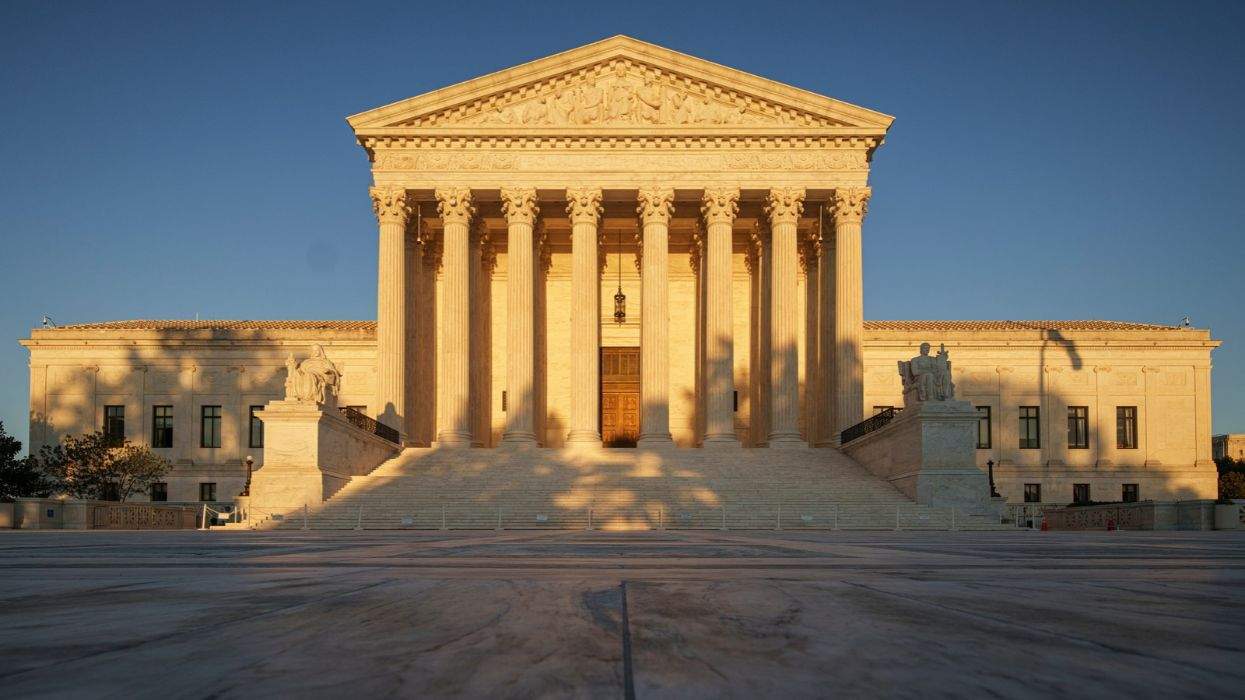
Twelve gays expelled from the military because of their sexual orientation filed a legal challenge Monday to the Pentagon's 11-year-old "don't ask, don't tell" policy. The lawsuit, filed in U.S. district court in Boston, cited last year's landmark U.S. Supreme Court ruling overturning state laws that criminalized gay sex. Other courts have upheld the policy, approved by Congress and put in place by the Clinton administration. However, those decisions came before the 2003 Supreme Court ruling, said C. Dixon Osburn, executive director of Servicemembers Legal Defense Network, which is advising the plaintiffs. "We think the gay ban can no longer survive constitutionally," he said. "You do not ban an entire class of people just to accommodate prejudice." Lt. j.g. Jen Kopfstein of San Diego was dismissed from the Navy after she told her commanding officer she was a lesbian. Kopfstein, a plaintiff in the case, said Monday that hiding her identity felt dishonest. "Today, I'm here to stand up for what is right," she said. "'Don't ask, don't tell' is a horrible policy." Another plaintiff, Justin Peacock, a former Coast Guard boatswain's mate from Knoxville, Tenn., was discharged after someone reported he was seen holding hands with another man. "I would love to rejoin, but even if I don't get back in, at least I could say I tried to get the policy changed," Peacock said. Lt. Col. Joe Richard, a Pentagon spokesman, said officials have not seen the lawsuit and therefore could not comment on it. "Don't ask, don't tell" allows gays and lesbians to serve in the military as long as they don't reveal their sexual orientation and abstain from homosexual activity. Before it was established, the Pentagon barred gays from military service altogether. The Supreme Court ruled last year that state laws making gay sex a crime were unconstitutional. Two other lawsuits challenging the policy have been filed since the high court's reversal. One was brought in California by the Log Cabin Republicans, a gay political group. Osburn said that group could face a difficult fight because it was not bringing its suit on behalf of a specific injured party. He also noted a federal appeals court in California has upheld "don't ask, don't tell," but the appellate court for Boston has not ruled on the issue. The other suit was filed in the U.S. court of federal claims, which generally deals with cases that involve money. That plaintiff, who was separated from the Army, is seeking to recover his pension and is challenging the ban in the process. Osburn said the court might rule narrowly on the financial claim and not on the constitutionality of the gay members policy. The gay advocacy group Lambda Legal, which argued last year's sodomy case, released a statement saying the Supreme Court decision should help strike down "don't ask, don't tell." "It's only a matter of time before the military's policy on lesbian and gay servicemembers is repealed or struck down in court," said Lambda attorney Patricia Logue, one of the lead attorneys on the Lawrence v. Texas sodomy case. "The U.S. Supreme Court ruling last year that overturned sodomy laws clearly cuts down the pillars supporting the military policy. In Lawrence v. Texas, the U.S. Supreme Court strengthened the right to form intimate relationships without facing a penalty, and the military policy penalizes gay people who have those relationships or are assumed to. The Lawrence ruling also made it clear that gay people cannot be singled out for punishment for relationships others freely enjoy, which is exactly what the military does right now. We're optimistic that 'don't ask, don't tell' will soon be replaced with 'don't discriminate,' which is the law of the land after last year's U.S. Supreme Court ruling."