'%3E%3Cpath d='M16.3574 35.6519H12.9537L15.0491 18.8873L16.3574 35.6519ZM30.4229 54.0093L22.309 0.994385H7.91795L0 54.0093H10.6634L11.5802 46.3855H17.4014L17.9914 54.0093H30.4229Z' fill='%23971B20'/%3E%3Cpath d='M48.2073 41.8813C48.2073 43.4049 47.4892 44.0011 46.1144 44.0011H43.7595V11.0687H46.1144C47.4892 11.0687 48.2073 11.6636 48.2073 13.1885V41.8813ZM59.5273 43.6695V11.3326C59.5273 3.71323 53.5729 0.994385 47.8157 0.994385H31.7213V54.0093H47.8157C53.5729 54.0093 59.5273 51.29 59.5273 43.6695Z' fill='%23971B20'/%3E%3Cpath d='M90.183 0.994385H78.6039L75.0711 30.6157L71.9955 0.994385H59.4346L69.2474 54.0093H80.373L90.183 0.994385Z' fill='%23971B20'/%3E%3Cpath d='M107.063 42.3448C107.063 43.7359 105.951 44.5974 104.643 44.5974C103.269 44.5974 102.157 43.7359 102.157 42.3448V12.658C102.157 11.2676 103.269 10.4058 104.643 10.4058C105.951 10.4058 107.063 11.2676 107.063 12.658V42.3448ZM119.233 43.2723V11.7312C119.233 6.36384 112.952 -3.8147e-06 104.643 -3.8147e-06C96.2667 -3.8147e-06 89.9867 6.36384 89.9867 11.7312V43.2723C89.9867 48.6393 96.2667 55 104.643 55C112.952 55 119.233 48.6393 119.233 43.2723Z' fill='%23971B20'/%3E%3Cpath d='M150.976 43.9349V33.7309H139.069V42.3448C139.069 43.7359 137.957 44.5974 136.582 44.5974C135.076 44.5974 133.964 43.7359 133.964 42.3448V12.658C133.964 11.2676 135.076 10.4058 136.582 10.4058C137.957 10.4058 139.069 11.2676 139.069 12.658V21.2723H150.976V11.0687C150.976 5.70107 145.283 -3.8147e-06 136.582 -3.8147e-06C127.75 -3.8147e-06 121.796 5.70107 121.796 11.0687V43.9349C121.796 49.3022 127.75 55 136.582 55C145.283 55 150.976 49.3022 150.976 43.9349Z' fill='%23971B20'/%3E%3Cpath d='M167.478 35.6519H164.076L166.17 18.8873L167.478 35.6519ZM181.544 54.0093L173.432 0.994385H159.037L151.123 54.0093H161.785L162.704 46.3855H168.523L169.114 54.0093H181.544Z' fill='%23971B20'/%3E%3Cpath d='M205.412 10.4058V0.994385H177.081V10.4058H185.392V54.0093H197.428V10.4058H205.412Z' fill='%23971B20'/%3E%3Cpath d='M230.002 54.0093V43.9349H218.914V31.8746H226.635V21.8028H218.914V10.4058H230.002V0.994385H206.875V54.0093H230.002Z' fill='%23971B20'/%3E%3C/g%3E%3Cdefs%3E%3CclipPath id='clip0_260_7080'%3E%3Crect width='230' height='55' fill='white'/%3E%3C/clipPath%3E%3C/defs%3E%3C/svg%3E)


Breaking party lines

From left: Brian Fitzpatrick, Henry Cuellar, and Gabe Evans
Fitzpatrick: Philip Yabut/Shutterstock; Cuellar and Evans courtesy subjects
This week saw the U.S. House of Representatives pass a bill authored by far-right Republican Marjorie Taylor Greene that would make it a crime to provide gender-affirming care to transgender minors. The vote was mostly along party lines, but four Republicans voted against it, three Democrats voted for it, and three other Democrats did not vote. In further attacks on gender-affirming care, the House subsequently passed a bill to ban Medicaid funding for this care for trans youth, and the Trump administration has proposed rules that would make it almost impossible for hospitals to provide it. The administration also issued a warning to companies that sell chest binders.
Regarding the criminalization bill, here’s a look at those who broke with their party on the legislation, which may not pass the Senate.
Related: Sarah McBride knew some Democrats would betray trans people, so she lobbied Republicans
Gabe Evans
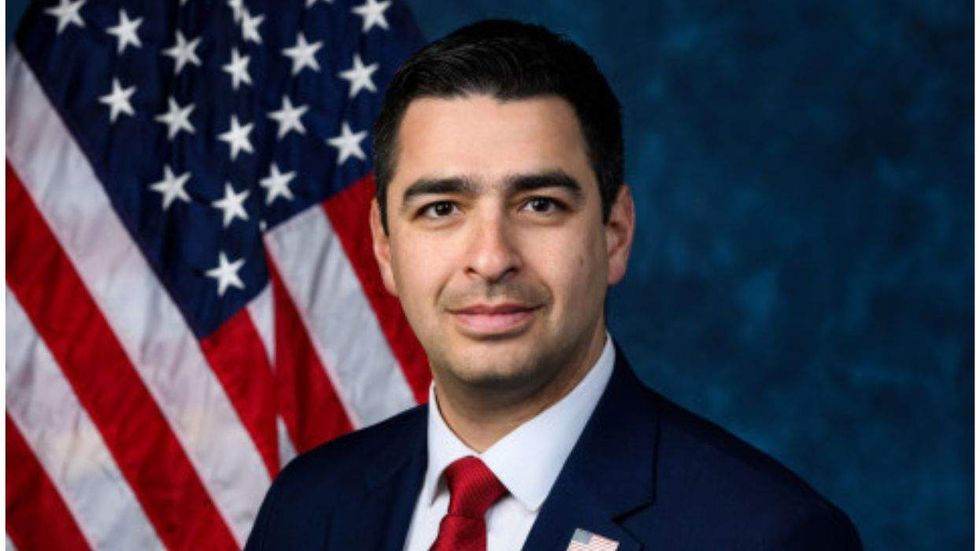
Gabe Evans
Courtesy Gabe Evans
Republican Gabe Evans is in his first term representing Colorado’s Eighth Congressional District, which covers an area north of Denver. The district is competitive party-wise; he narrowly beat incumbent Democrat Yavira Caraveo last year. Evans is a farmer and former police officer who has touted his conservative positions in favor of homeschooling and gun rights. While he voted against criminalizing gender-affirming care for youth, he voted to ban Medicaid funding for it.
Brian Fitzpatrick
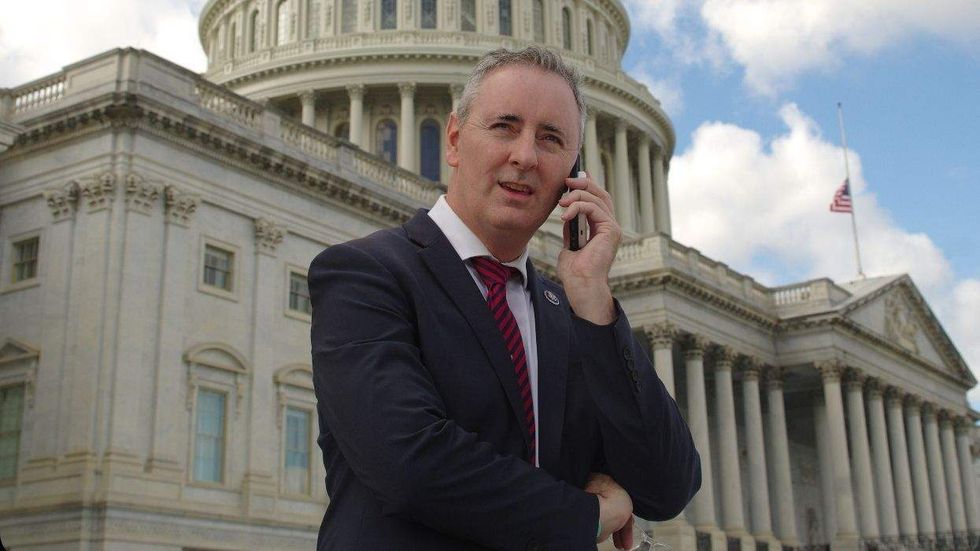
Brian Fitzpatrick
Philip Yabut/Shutterstock
Republican Brian Fitzpatrick has represented Pennsylvania’s First Congressional District since 2019. The district, located in the southeastern part of the state and including all of affluent Bucks County, is considered a swing district. On the Human Rights Campaign’s Congressional Scorecard, he scored 61 points out of 100 in his first term, 71 in his second term, 68 in his third term, and 41 in his fourth term. Scores for the current term are not in yet, as the session of Congress is ongoing. His campaign site has even included a page on “Equality and Diversity.” One section says, “LGBTQ Americans are part of the fabric of our society and should be free to exercise the rights guaranteed to every American by the Constitution to participate fully in our society and pursue every opportunity. That is why I co-led and voted for the Equality Act, which would protect Americans from discrimination on the basis of sexual orientation and gender identity.” But he did vote against Medicaid funding for gender-affirming care for youth.
Mike Kennedy
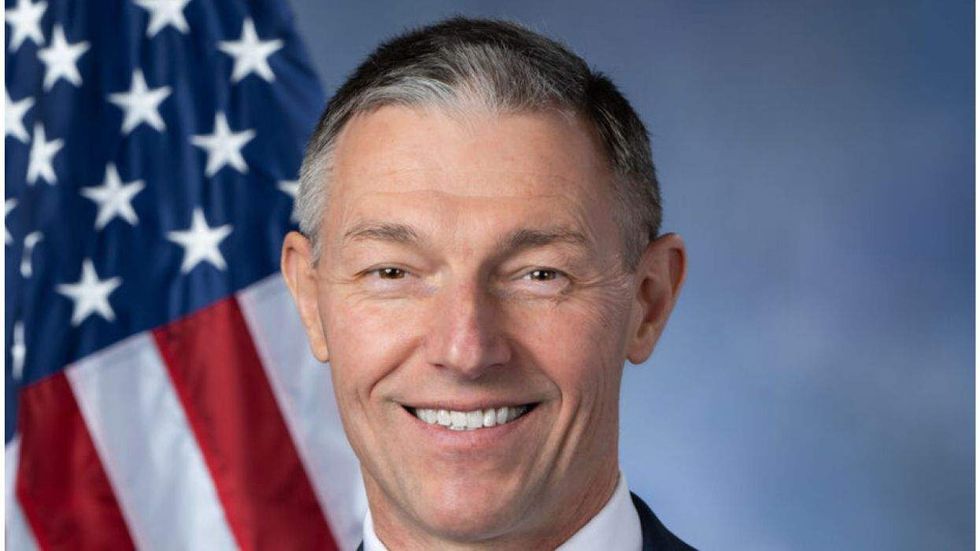
Mike Kennedy
Courtesy Mike Kennedy
Mike Kennedy is in his first term representing Utah’s Third Congressional District. He is a family physician and also has a law degree. The Third District, which covers southeastern Utah, is heavily Republican and includes the cities of Orem and Provo, the latter being home to the main campus of Brigham Young University, which is affiliated with the very conservative, anti-LGBTQ+ Church of Jesus Christ of Latter-day Saints (the Mormon Church). While he voted against criminalizing gender-affirming care for youth, he voted to ban Medicaid funding for it.
Mike Lawler

Mike Lawler
Lev Radin/Shutterstock
Republican Mike Lawler is in his second term representing New York’s 17th Congressional District, in the Hudson Valley north of New York City. In the 2024 election, he beat gay Democrat Mondaire Jones by 52 percent to 46 percent. Some have touted him as a moderate, but he received a score of only 30 points out of 100 from the HRC in his first term. He voted for the Medicaid funding ban.
Related: Out Democrat Mondaire Jones on Republican opponent's blackface scandal: He knew what he was doing
Related: New York Republican Mike Lawler declares trans community is 'not an enemy or a threat'
Henry Cuellar
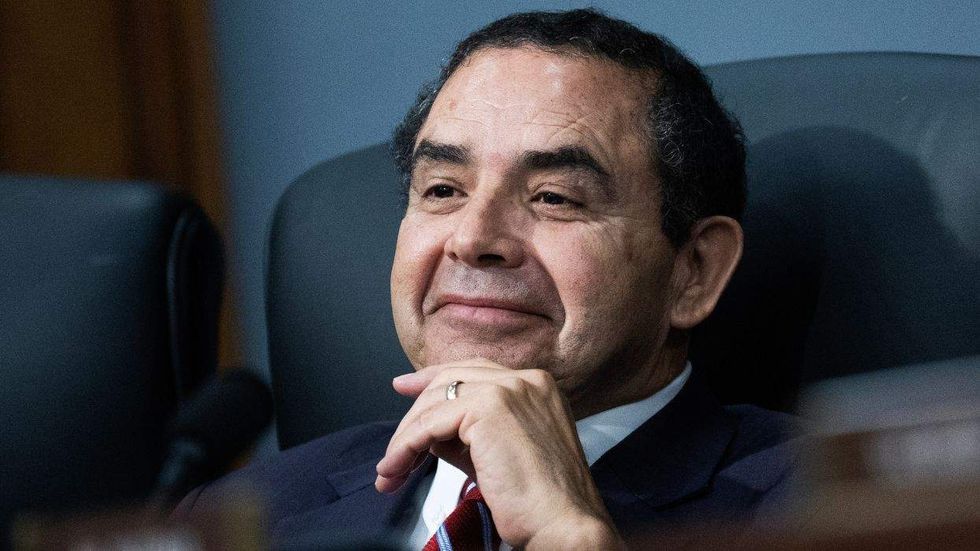
Henry Cuellar
Tom Williams/CQ-Roll Call, Inc via Getty Images
Democrat Henry Cuellar has represented Texas’s 28th Congressional District since 2005. The district is located in the far southern part of the state, adjacent to the Mexico border. He has received mostly high scores, although not perfect ones, from HRC over his long tenure. In addition, he is one of the few Democrats who generally opposes abortion rights. Donald Trump recently pardoned Cuellar, who was facing charges of bribery, money laundering, and conspiracy. Trump pardoned Cuellar’s wife, Imelda, as well. Trump then criticized Cuellar for deciding to stick with the Democratic Party in his reelection campaign. Cuellar also voted to ban Medicaid funding for gender-affirming care for minors.
Vicente Gonzalez

Vicente Gonzalez
Tom Williams/CQ-Roll Call, Inc via Getty Images
Democrat Vicente Gonzales represents Texas’s 34th Congressional District, in south Texas adjacent to Cuellar’s. He has been in office since 2017. During his tenure, he has received mostly high scores from HRC, including a perfect score in the 117th Congress, which ran from January 2021 to January 2023. He voted for the Medicaid funding ban as well.
Don Davis

Don Davis
Courtesy Don Davis
Democrat Don Davis has represented the First Congressional District in eastern North Carolina since 2023. He is a military veteran and academic. He received a score of 68 from HRC in his first term. Like the others, he voted for the Medicaid funding ban. One other Democrat, Marie Gluesenkamp Perez of Washington State’s Third Congressional District, voted for the Medicaid ban, but she voted against the criminalization bill.
Eric Swalwell, Lucy McBath, and Joe Courtney

From left: Eric Swalwell, Lucy McBath, and Joe Courtney
Photos courtesy of subjects
Three Democrats did not vote on the criminalization bill. Eric Swalwell of California’s 14th Congressional District, in the East San Francisco Bay area, has been absent from numerous votes as he runs for California governor. He has been in Congress since 2013 and is a strong LGBTQ+ ally, with a string of perfect scores from HRC. He did not vote on the Medicaid bill either.
Lucy McBath has represented Georgia’s Seventh Congressional District, in the suburbs of Atlanta, since 2019. She has received three 100 scores and one 95 score from HRC. She also did not vote on the Medicaid bill.
Joe Courtney has represented Connecticut’s Second Congressional District, in the eastern part of the state, since 2007. He has received mostly perfect HRC scores. He did not vote on the Medicaid funding bill either.