'%3E%3Cpath d='M16.3574 35.6519H12.9537L15.0491 18.8873L16.3574 35.6519ZM30.4229 54.0093L22.309 0.994385H7.91795L0 54.0093H10.6634L11.5802 46.3855H17.4014L17.9914 54.0093H30.4229Z' fill='%23971B20'/%3E%3Cpath d='M48.2073 41.8813C48.2073 43.4049 47.4892 44.0011 46.1144 44.0011H43.7595V11.0687H46.1144C47.4892 11.0687 48.2073 11.6636 48.2073 13.1885V41.8813ZM59.5273 43.6695V11.3326C59.5273 3.71323 53.5729 0.994385 47.8157 0.994385H31.7213V54.0093H47.8157C53.5729 54.0093 59.5273 51.29 59.5273 43.6695Z' fill='%23971B20'/%3E%3Cpath d='M90.183 0.994385H78.6039L75.0711 30.6157L71.9955 0.994385H59.4346L69.2474 54.0093H80.373L90.183 0.994385Z' fill='%23971B20'/%3E%3Cpath d='M107.063 42.3448C107.063 43.7359 105.951 44.5974 104.643 44.5974C103.269 44.5974 102.157 43.7359 102.157 42.3448V12.658C102.157 11.2676 103.269 10.4058 104.643 10.4058C105.951 10.4058 107.063 11.2676 107.063 12.658V42.3448ZM119.233 43.2723V11.7312C119.233 6.36384 112.952 -3.8147e-06 104.643 -3.8147e-06C96.2667 -3.8147e-06 89.9867 6.36384 89.9867 11.7312V43.2723C89.9867 48.6393 96.2667 55 104.643 55C112.952 55 119.233 48.6393 119.233 43.2723Z' fill='%23971B20'/%3E%3Cpath d='M150.976 43.9349V33.7309H139.069V42.3448C139.069 43.7359 137.957 44.5974 136.582 44.5974C135.076 44.5974 133.964 43.7359 133.964 42.3448V12.658C133.964 11.2676 135.076 10.4058 136.582 10.4058C137.957 10.4058 139.069 11.2676 139.069 12.658V21.2723H150.976V11.0687C150.976 5.70107 145.283 -3.8147e-06 136.582 -3.8147e-06C127.75 -3.8147e-06 121.796 5.70107 121.796 11.0687V43.9349C121.796 49.3022 127.75 55 136.582 55C145.283 55 150.976 49.3022 150.976 43.9349Z' fill='%23971B20'/%3E%3Cpath d='M167.478 35.6519H164.076L166.17 18.8873L167.478 35.6519ZM181.544 54.0093L173.432 0.994385H159.037L151.123 54.0093H161.785L162.704 46.3855H168.523L169.114 54.0093H181.544Z' fill='%23971B20'/%3E%3Cpath d='M205.412 10.4058V0.994385H177.081V10.4058H185.392V54.0093H197.428V10.4058H205.412Z' fill='%23971B20'/%3E%3Cpath d='M230.002 54.0093V43.9349H218.914V31.8746H226.635V21.8028H218.914V10.4058H230.002V0.994385H206.875V54.0093H230.002Z' fill='%23971B20'/%3E%3C/g%3E%3Cdefs%3E%3CclipPath id='clip0_260_7080'%3E%3Crect width='230' height='55' fill='white'/%3E%3C/clipPath%3E%3C/defs%3E%3C/svg%3E)

The internet moves at the speed of light, which means that one day you can be just starting to wrap your head around why kids keep shouting “6-7” and the next you’re scratching your head, wondering what “mogging,” “mewing,” and “looksmaxxing” mean.
You likely have the influencer Clavicular to thank for the new terms in your vocabulary, which have recently entered the zeitgeist, leaving his small conservative corner of the internet and flooding everyone’s timelines.
Clavicular, born Braden Peters, is a 20-year-old streamer who has made headlines for hanging out with self-proclaimed “misogynist influencer” Andrew Tate and white nationalist commentator Nick Fuentes, but is probably best known for optimizing his physical attractiveness (aka “looksmaxxing”) by going to extreme lengths like taking steroids for so many years that he claims to be infertile, using methamphetamines as a weight loss drug, and taking a hammer to his jaw to make it more prominent.
This bizarre and concerning subculture has taken root on social media, where Clavicular has now earned over $100,000 in January alone from the more than 180,000 followers he has on streaming platform Kick, The Guardian reports.
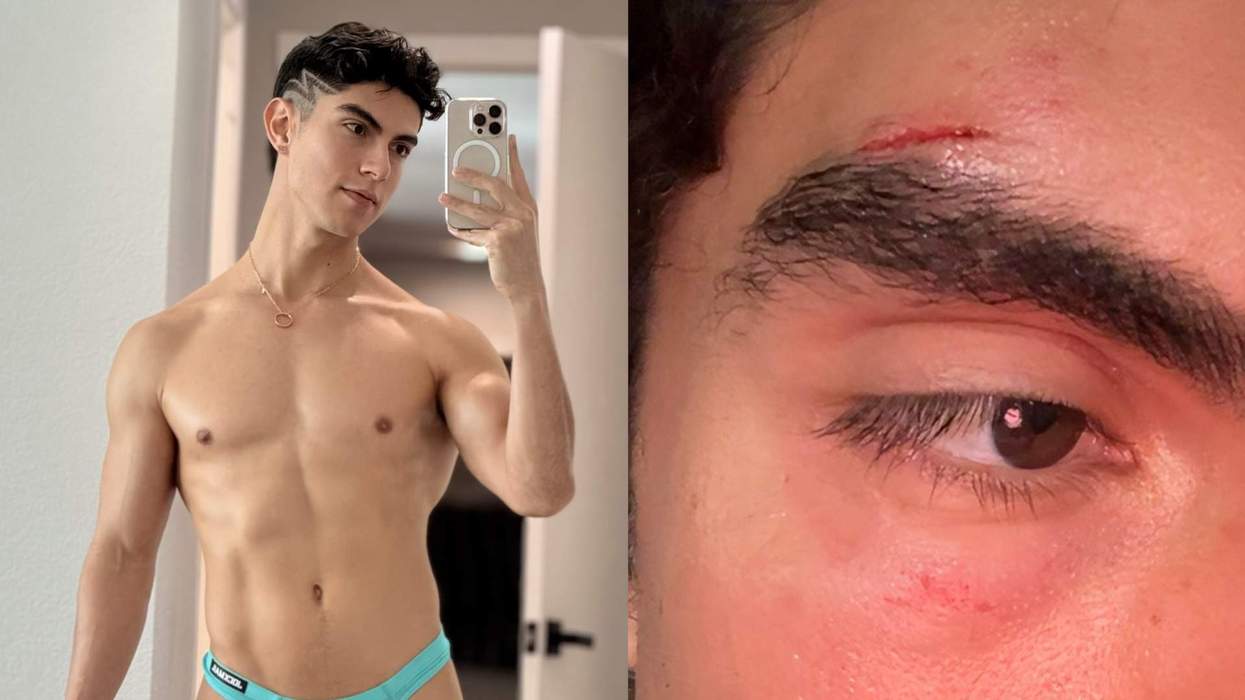
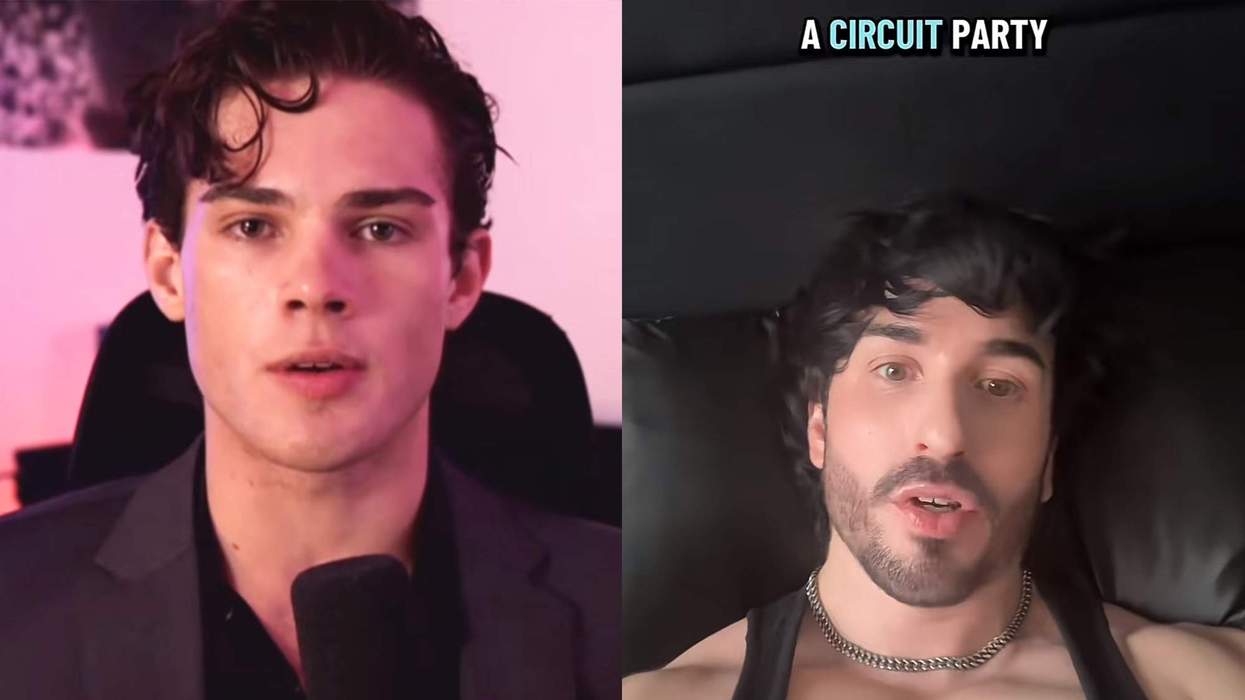
“Looksmaxxing" might seem like something that could only happen in straight male culture, but TikToker and gay OnlyFans star Judah Thee Glutelord (@werewolffbarmitzvah) went viral recently for a video where he pointed out the similarities between Clavicular and his followers — who he charges for advice on how to “ascend” to a more conventionally attractive version of yourself — and gay men who are obsessed with the way they look, spend hours every day in the gym, and take drugs at circuit parties.
“The whole thing about the Clavicular, ‘looksmaxxing,’ macho, testosterone, pretty boy Olympics competition is that it is literally just toxic muscle gay circuit party culture escaping containment and being transmitted to straight people,” Judah said in his video. “That’s literally all it is. Like you want to talk about ‘frame-mogging,' you mean a bunch of dudes that spend 10 to 20 hours a week in the gym comparing physiques and making each other feel insecure? Yeah, that’s the dance floor at a circuit party.”
But how does the “looksmaxxing” subculture that’s intrinsically tied to “incels,” or self-described “involuntary celibates,” and their stated desire to attract women, connect to toxic muscle gays and gay circuit party culture?
What is ‘looksmaxxing’?

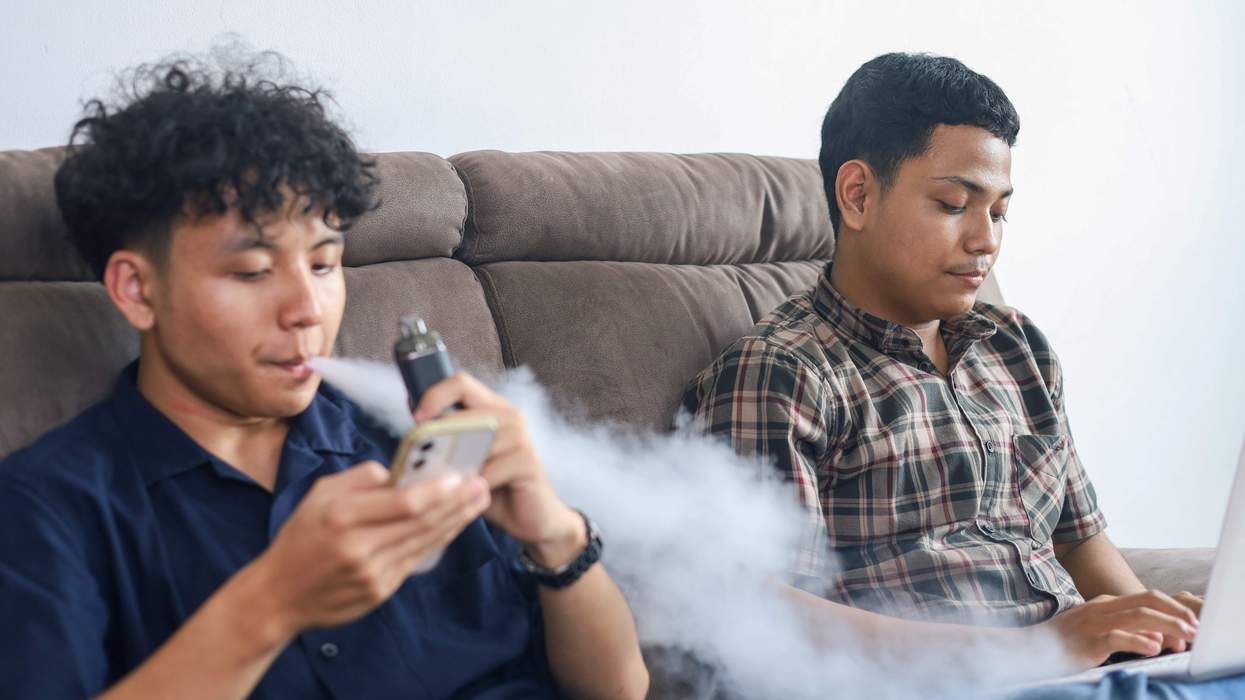
Young men playing games and streaming on his computer.
Raul Fernandez Granados/Shutterstock
“Looksmaxxing” is a new term used by a subsection of chronically online young men to describe the obsessive pursuit of physical attractiveness — using everything from skin care to plastic surgery and even workouts that include “dick-ups,” where you place weights on your penis to maximize girth.
“Looksmaxxing is an approach to enhancing one’s physical appearance through a combination of grooming, fitness, diet, and, increasingly, cosmetic procedures,” explained Christian Bumpous, a licensed psychotherapist and the founder of Therapie, who has spent the last 12 years working with the LGBTQ+ community. “The concept evolved from an online space where men rate each other based on physical attractiveness and share ways to improve their ratings.”
Joel Blackstock, a clinical social worker and the Clinical Director of Taproot Therapy Collective, calls “looksmaxxing” an “obsessive process of trying to maximize physical attractiveness,” and he said the people within the subculture can be broken down into two camps.
“Softmaxxing is the heavy grooming, skincare, fitness, and things like ‘mewing’ to change jaw posture,” he explained. “Hardmaxxing crosses into permanent or dangerous medical interventions, like steroids, unregulated fillers, or even ‘bone smashing’ where guys intentionally micro-fracture their facial bones hoping they heal back more rugged.”
Tara Jones, an LGBTQ+ sex educator who recently gave a talk on “looksmaxxing” and the “manosphere” at the National Sex Education Conference, said that the scary thing is that many young men’s entry point in “looksmaxxing” is relatable.
“With ‘looksmaxxing,’ I think of how common it is for adolescent boys to feel insecure about their appearance,” she said. “They may be beginning to experience rejection with no means of coping. They may be beginning to compare themselves to one another, as well as the unattainable expectations of masculinity. When they go online to seek community or ask for advice, they’re instead told that the solution lies in smashing the bones in your face and using meth.”
How is ‘looksmaxxing’ connected to incel culture?

Three young men at the gym.
Ground Picture/Shutterstock
Both the ‘looksmaxxing” and incel subcultures link one's ability to access love, sex, social standing, and even money to physical appearance, and both started in small corners of the internet before gaining mainstream recognition.
“They come from the same fundamental beliefs and largely the same pain points, but in some ways they’re two ends of a spectrum,” Jones said. “If you’re an insecure young man absorbing these ideas about ‘nice guys finishing last’ and ‘the sexual marketplace,’ you might either accept and claim your fate as someone who will remain celibate, or go out of your way to control your fate by manipulating your appearance so you can manipulate women.”
According to Blackstock, both incel and “looksmaxing” tells men that their “sexual market value” is the only thing that matters in life, the only difference is that looksmaxxers fight back against this by going to extremes to change their appearance, while incels turn that perceived rejection into hate towards women, but both come from the same basic place and use the same terms.
“Almost all the terminology — like mogging, ascending, and Chads — came directly out of involuntary celibate forums,” Blackstock said. “TikTok might have softened the aesthetic, but the foundation is pure Blackpill incel ideology. It relies on the nihilistic idea that women are just a monolithic hive-mind that only responds to hyper-masculine traits. It basically rebrands incel despair into a self-help project, making it a highly effective radicalization pipeline.”
Are they really trying to attract women or is it all about other men?
The irony is that looksmaxxers claim they are doing all of this in an attempt to attract women, but what they seem to care most about is impressing other men, which, as Judah stated in his TikTok video, bears a striking resemblance to gay men peacocking for each other at the gym or at clubs. But looksmaxxers have also dehumanized women to the point that their opinions become meaningless, and all these men care about is the opinions of other men.
“The only respectable humans to you are other men, but the masculine status you’re working towards discourages intimacy with them,” Jones explained. “You have no option but to spend your life trying to impress them, trying to ‘win’ masculinity by proving you’re the best among them.”
This means that, instead of the stated objective of attracting women, the men who subscribe to this belief system are really evaluating each other because the opinions of other men hold more weight in their eyes.
“Regardless of whether or not there is any sexual element to these behaviors, the need to be recognized and validated by other men is a fundamental human need,” Bumpous said. “Looksmaxxing offers these men an outlet that appears socially acceptable since it’s framed around female attraction.”
How ‘looksmaxxing’ ties in with toxic gay gym culture and circuit parties
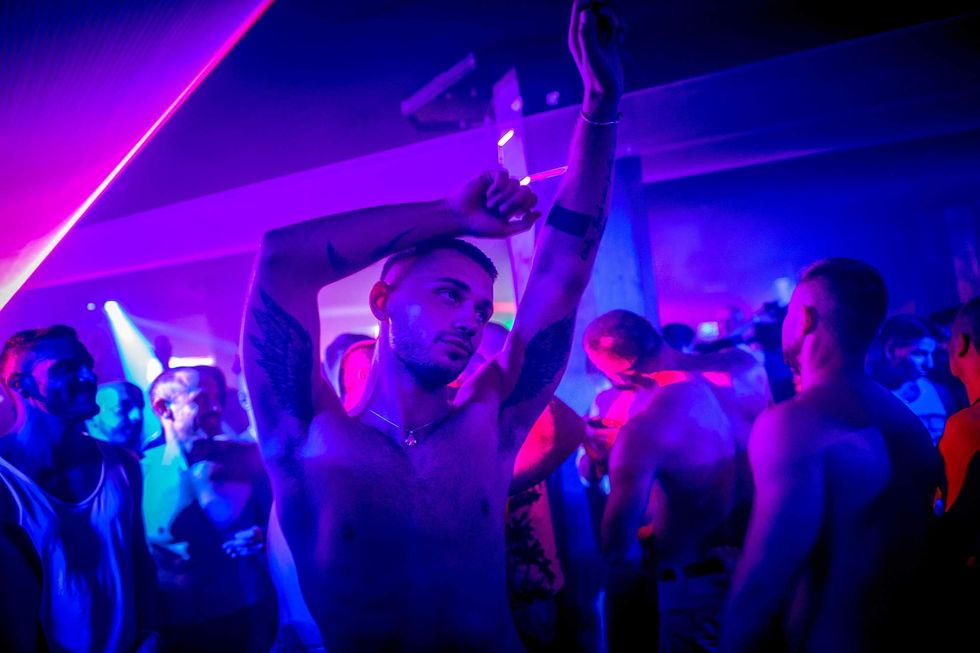
Festival goers enjoy the atmosphere at the Block Club party as part of the Circuit Festival on August 6, 2015 in Barcelona, Spain.
David Ramos/Getty Images
Going to extreme lengths to increase attractiveness — as determined by other men — may be a shared experience between these two groups, but according to Judah, there is one major difference that he fears will eventually lead to violence.
“The peacocking can reach its zenith and then be sublimated sexually because we’re trying to have sex with each other, but these dudes are not interested in having sex with each other — or at least that’s the claim — so there’s nothing constraining the animosity created by the ‘who’s the hottest’ hierarchy,” he said. “It’s not held in check by being attracted to one another, and it can’t be sublimated sexually, so there’s nowhere for it to go. It just continues to grow in greater and greater conflict, and if it can’t be sublimated sexually, then the most likely pathway for it to be sublimated is violence. I’m just telling you right now, this is not going to be pretty.”
The similarities are startling, even though for gay men, the competition at the gym or circuit parties is largely about being sexually desirable within a community that also shares that desire. But looksmaxxers are just egging each other on to go to greater and greater (and often extremely toxic and dangerous) lengths to achieve desirability without the end goal of sleeping with each other.
“The parallels are huge because both subcultures are ultimately using the physical body as a shield against shame,” Blackstock said. “Both groups perform this exaggerated, almost drag-like version of masculinity with extreme muscle mass and rigid grooming. Using meth to stay shredded or awake at circuit parties is the exact same behavioral mechanism as looksmaxxers taking unregulated research chemicals. In both worlds, the body becomes currency to buy status within the tribe. It’s all about surviving an intensely judgmental, data-driven gaze.”
This is an opinion shared by Jones, who also believes that while gay men and looksmaxxers shared a desire to be aesthetically appreciated by other men, the end result of this competition is very different.
“We’ve already seen examples of this violence, like the show Adolescence, which draws from real knife violence in the U.K. linked to manosphere radicalization,” she said. “Even Elliot Rodger, who brought the term ‘incel’ into the mainstream lexicon, did so through mass acts of violence targeting women he felt had unjustly rejected him.”
Sources cited:
Christian Bumpous, a licensed psychotherapist and the founder of Therapie.
Tara Jones, an LGBTQ+ sex educator.