'%3E%3Cpath d='M16.3574 35.6519H12.9537L15.0491 18.8873L16.3574 35.6519ZM30.4229 54.0093L22.309 0.994385H7.91795L0 54.0093H10.6634L11.5802 46.3855H17.4014L17.9914 54.0093H30.4229Z' fill='%23971B20'/%3E%3Cpath d='M48.2073 41.8813C48.2073 43.4049 47.4892 44.0011 46.1144 44.0011H43.7595V11.0687H46.1144C47.4892 11.0687 48.2073 11.6636 48.2073 13.1885V41.8813ZM59.5273 43.6695V11.3326C59.5273 3.71323 53.5729 0.994385 47.8157 0.994385H31.7213V54.0093H47.8157C53.5729 54.0093 59.5273 51.29 59.5273 43.6695Z' fill='%23971B20'/%3E%3Cpath d='M90.183 0.994385H78.6039L75.0711 30.6157L71.9955 0.994385H59.4346L69.2474 54.0093H80.373L90.183 0.994385Z' fill='%23971B20'/%3E%3Cpath d='M107.063 42.3448C107.063 43.7359 105.951 44.5974 104.643 44.5974C103.269 44.5974 102.157 43.7359 102.157 42.3448V12.658C102.157 11.2676 103.269 10.4058 104.643 10.4058C105.951 10.4058 107.063 11.2676 107.063 12.658V42.3448ZM119.233 43.2723V11.7312C119.233 6.36384 112.952 -3.8147e-06 104.643 -3.8147e-06C96.2667 -3.8147e-06 89.9867 6.36384 89.9867 11.7312V43.2723C89.9867 48.6393 96.2667 55 104.643 55C112.952 55 119.233 48.6393 119.233 43.2723Z' fill='%23971B20'/%3E%3Cpath d='M150.976 43.9349V33.7309H139.069V42.3448C139.069 43.7359 137.957 44.5974 136.582 44.5974C135.076 44.5974 133.964 43.7359 133.964 42.3448V12.658C133.964 11.2676 135.076 10.4058 136.582 10.4058C137.957 10.4058 139.069 11.2676 139.069 12.658V21.2723H150.976V11.0687C150.976 5.70107 145.283 -3.8147e-06 136.582 -3.8147e-06C127.75 -3.8147e-06 121.796 5.70107 121.796 11.0687V43.9349C121.796 49.3022 127.75 55 136.582 55C145.283 55 150.976 49.3022 150.976 43.9349Z' fill='%23971B20'/%3E%3Cpath d='M167.478 35.6519H164.076L166.17 18.8873L167.478 35.6519ZM181.544 54.0093L173.432 0.994385H159.037L151.123 54.0093H161.785L162.704 46.3855H168.523L169.114 54.0093H181.544Z' fill='%23971B20'/%3E%3Cpath d='M205.412 10.4058V0.994385H177.081V10.4058H185.392V54.0093H197.428V10.4058H205.412Z' fill='%23971B20'/%3E%3Cpath d='M230.002 54.0093V43.9349H218.914V31.8746H226.635V21.8028H218.914V10.4058H230.002V0.994385H206.875V54.0093H230.002Z' fill='%23971B20'/%3E%3C/g%3E%3Cdefs%3E%3CclipPath id='clip0_260_7080'%3E%3Crect width='230' height='55' fill='white'/%3E%3C/clipPath%3E%3C/defs%3E%3C/svg%3E)
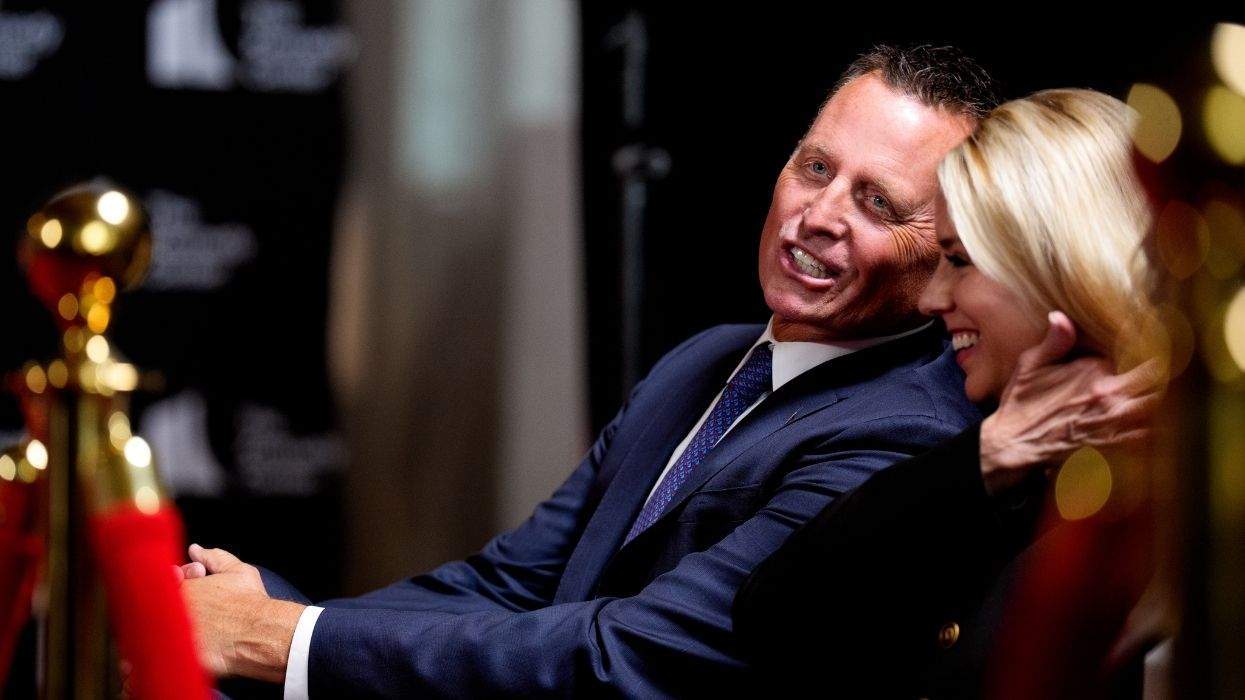
A whistleblower is accusing President Donald Trump’s special envoy, Ric Grenell, of presiding over a period of upheaval at the John F. Kennedy Center for the Performing Arts, describing an institution reshaped by political loyalty, donor access, and beset by cronyism.
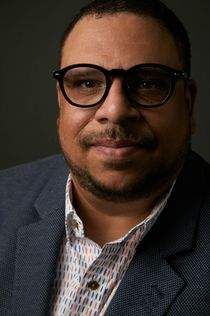
Josef Palermo, the center’s former visual arts curator, told MS NOW that the dysfunction followed the 2025 takeover by Trump allies. In a separate interview with PBS NewsHour, Palermo said the changes inside the Kennedy Center exposed a culture where relationships and proximity to power appeared to outweigh expertise.
In a first-person account published in The Atlantic, Palermo offered a granular portrait of Grenell’s leadership, one he said was defined by both direct intervention and distance from the institution’s day-to-day needs. He wrote that Grenell, one of Trump’s most fervent gay supporters, instructed him to “get rid of everything” in the Kennedy Center’s permanent art collection ahead of a planned renovation, a directive that alarmed staff and raised questions about the fate of historically significant works.
Related: Ric Grenell to step down as Kennedy Center president after controversial tenure
At the same time, Palermo described a leadership vacuum. He wrote that Grenell never held an all-staff meeting during his tenure and often declined or ignored requests to meet with staff working on programming and exhibitions. The result, Palermo suggested, was an institution struggling to function artistically even as it projected confidence publicly.
Palermo also alleged blurred ethical lines. In his account, a top lieutenant asked him to feature an artist whose work Grenell owned, raising concerns that exhibiting the work could increase its value. Palermo did not fulfill the request.
Fundraising, he wrote, took on a distinctly political tone. Palermo described high-dollar donor packages tied to access to Trump and the renaming or repurposing of prominent spaces for corporate sponsors and wealthy benefactors. He recounted internal unease over such moves, particularly when they intersected with spaces historically tied to cultural diplomacy.
Related: Trump reveals GOP congressman’s ‘terminal’ medical diagnosis at Kennedy Center meeting
Staffing and programming reflected similar shifts. Palermo wrote that many longtime employees left as new hires with political ties took on senior roles, often without deep experience in arts administration. Projects stalled, artists canceled appearances, and the center’s programming ambitions faltered amid declining morale and uncertainty.
Beginning after he took office again in 2025, Trump replaced board members, installed loyalists in leadership roles, and later named himself chair. He also put his name on the building.
Grenell stepped down as president of the Kennedy Center in March, with Trump announcing he would be replaced by facilities executive Matt Floca as the institution prepares for a two-year closure for renovations starting in July. His departure followed a turbulent tenure marked by artist cancellations, staff departures, and broader backlash to the center’s political overhaul.