'%3E%3Cpath d='M16.3574 35.6519H12.9537L15.0491 18.8873L16.3574 35.6519ZM30.4229 54.0093L22.309 0.994385H7.91795L0 54.0093H10.6634L11.5802 46.3855H17.4014L17.9914 54.0093H30.4229Z' fill='%23971B20'/%3E%3Cpath d='M48.2073 41.8813C48.2073 43.4049 47.4892 44.0011 46.1144 44.0011H43.7595V11.0687H46.1144C47.4892 11.0687 48.2073 11.6636 48.2073 13.1885V41.8813ZM59.5273 43.6695V11.3326C59.5273 3.71323 53.5729 0.994385 47.8157 0.994385H31.7213V54.0093H47.8157C53.5729 54.0093 59.5273 51.29 59.5273 43.6695Z' fill='%23971B20'/%3E%3Cpath d='M90.183 0.994385H78.6039L75.0711 30.6157L71.9955 0.994385H59.4346L69.2474 54.0093H80.373L90.183 0.994385Z' fill='%23971B20'/%3E%3Cpath d='M107.063 42.3448C107.063 43.7359 105.951 44.5974 104.643 44.5974C103.269 44.5974 102.157 43.7359 102.157 42.3448V12.658C102.157 11.2676 103.269 10.4058 104.643 10.4058C105.951 10.4058 107.063 11.2676 107.063 12.658V42.3448ZM119.233 43.2723V11.7312C119.233 6.36384 112.952 -3.8147e-06 104.643 -3.8147e-06C96.2667 -3.8147e-06 89.9867 6.36384 89.9867 11.7312V43.2723C89.9867 48.6393 96.2667 55 104.643 55C112.952 55 119.233 48.6393 119.233 43.2723Z' fill='%23971B20'/%3E%3Cpath d='M150.976 43.9349V33.7309H139.069V42.3448C139.069 43.7359 137.957 44.5974 136.582 44.5974C135.076 44.5974 133.964 43.7359 133.964 42.3448V12.658C133.964 11.2676 135.076 10.4058 136.582 10.4058C137.957 10.4058 139.069 11.2676 139.069 12.658V21.2723H150.976V11.0687C150.976 5.70107 145.283 -3.8147e-06 136.582 -3.8147e-06C127.75 -3.8147e-06 121.796 5.70107 121.796 11.0687V43.9349C121.796 49.3022 127.75 55 136.582 55C145.283 55 150.976 49.3022 150.976 43.9349Z' fill='%23971B20'/%3E%3Cpath d='M167.478 35.6519H164.076L166.17 18.8873L167.478 35.6519ZM181.544 54.0093L173.432 0.994385H159.037L151.123 54.0093H161.785L162.704 46.3855H168.523L169.114 54.0093H181.544Z' fill='%23971B20'/%3E%3Cpath d='M205.412 10.4058V0.994385H177.081V10.4058H185.392V54.0093H197.428V10.4058H205.412Z' fill='%23971B20'/%3E%3Cpath d='M230.002 54.0093V43.9349H218.914V31.8746H226.635V21.8028H218.914V10.4058H230.002V0.994385H206.875V54.0093H230.002Z' fill='%23971B20'/%3E%3C/g%3E%3Cdefs%3E%3CclipPath id='clip0_260_7080'%3E%3Crect width='230' height='55' fill='white'/%3E%3C/clipPath%3E%3C/defs%3E%3C/svg%3E)
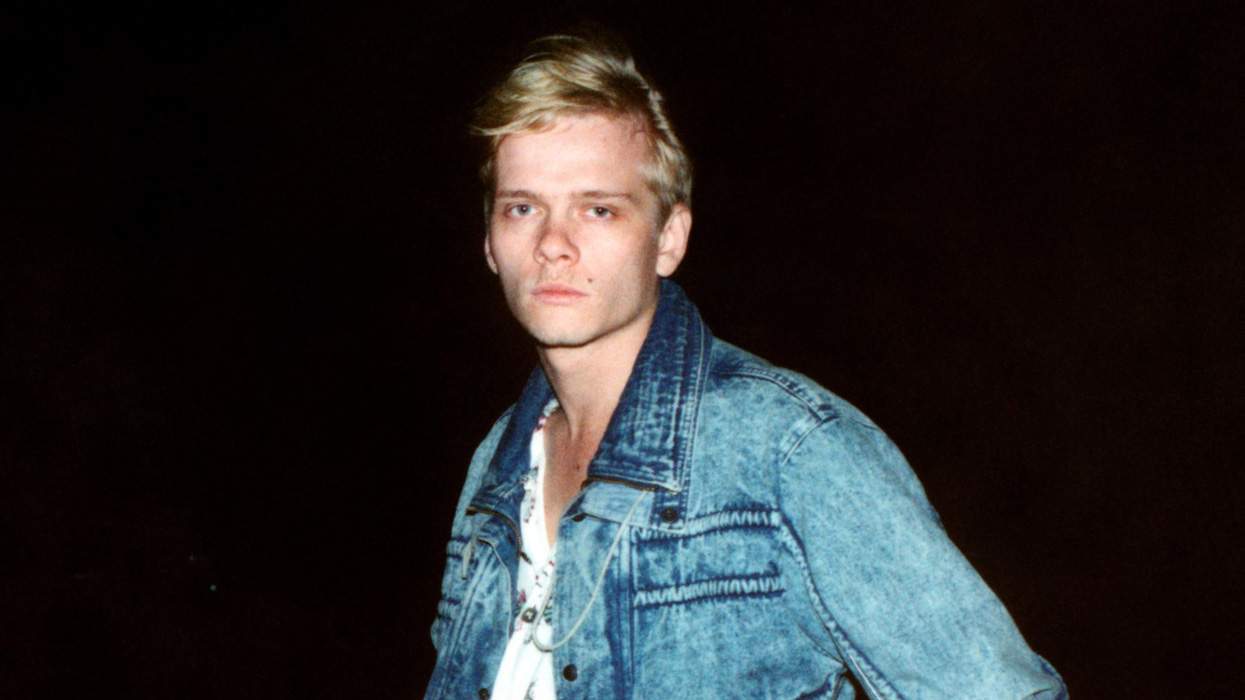

The Jinx may have rocked the true crime world when Robert Durst infamously said he “killed them all, of course” while wearing a live microphone, but a new documentary about a murder dubbed the “gay Black Dahlia” is set to take the world by storm after helping to catch a killer with an on-camera confession.
Filmmaker Rachel Mason — who first made 2020’s Circus of Books about her parents’ adult bookstore that became the epicenter of the gay community in ’80s West Hollywood — has made a new documentary about a previously unsolved 1990 homicide within L.A.’s gay porn scene.
The idea for the new doc, My Brother’s Killer, came when Mason was handed an old Advocate article about the murder of Billy London while she was making Circus of Books. This started her down a path that led to her working hand-in-hand with cold-case detectives, getting help from amateur sleuths, and interviewing the killer who ultimately confessed to the brutal murder.
Mason told The Hollywood Reporter that she’s usually more “interested in characters and subcultures,” but while making Circus of Books, she realized that “gay porn is actually a form of history,” and this frame of mind came in handy when delving into true crime.
“Before the 1980s you didn’t see gay lives represented on television,” she said. “Porn was one of the only places where those lives existed visually. So I started thinking: there must be incredible stories buried in that world. Billy’s story turned out to be one of them.”
And gay porn ended up being instrumental in the case. While researching the murder, Mason went through a trove of archival porn footage, and some of it even became evidence in the case.
“There’s a videotape of a memorial award show from the gay adult industry in the early ’90s,” she said. “It’s basically a time capsule of that era. And in that footage you see someone who later became the suspected killer actually walk on stage. It’s chilling.”
While making the documentary, Mason began corresponding with the suspected killer — a transgender woman named DarraLynn Madden, who allegedly killed London prior to transitioning — whom she was able to help the police identify.
“My partner is trans, so hearing that information was like a knife to the heart. The last thing you want is a case like this being used to reinforce harmful stereotypes about trans people,” Mason said of discovering the truth.
But eventually, Mason was able to interview Madden in prison and elicited a confession.
“We were taken into a maximum-security unit. She came out in double shackles with a guard standing extremely close behind her. But what struck me most was how charismatic she was,” Mason said. “The detective who interviewed her said the same thing — she’s very charming, very funny. Someone you could easily imagine having a conversation with over a beer. That makes it even more disturbing.”
Identifying the suspected killer — who had connections to white supremacy and gay bashings — was important, but Mason’s main goal was to tell London’s story and provide closure to his family.
“That was incredibly important to me,” she said. “Billy’s partner Marc Rabins had lived with suspicion for years. And Billy’s family never had real closure. After seeing the film, they told me they finally felt they had answers. That meant more to me than anything.”
My Brother’s Killer is currently premiering at SXSW.