'%3E%3Cpath d='M16.3574 35.6519H12.9537L15.0491 18.8873L16.3574 35.6519ZM30.4229 54.0093L22.309 0.994385H7.91795L0 54.0093H10.6634L11.5802 46.3855H17.4014L17.9914 54.0093H30.4229Z' fill='%23971B20'/%3E%3Cpath d='M48.2073 41.8813C48.2073 43.4049 47.4892 44.0011 46.1144 44.0011H43.7595V11.0687H46.1144C47.4892 11.0687 48.2073 11.6636 48.2073 13.1885V41.8813ZM59.5273 43.6695V11.3326C59.5273 3.71323 53.5729 0.994385 47.8157 0.994385H31.7213V54.0093H47.8157C53.5729 54.0093 59.5273 51.29 59.5273 43.6695Z' fill='%23971B20'/%3E%3Cpath d='M90.183 0.994385H78.6039L75.0711 30.6157L71.9955 0.994385H59.4346L69.2474 54.0093H80.373L90.183 0.994385Z' fill='%23971B20'/%3E%3Cpath d='M107.063 42.3448C107.063 43.7359 105.951 44.5974 104.643 44.5974C103.269 44.5974 102.157 43.7359 102.157 42.3448V12.658C102.157 11.2676 103.269 10.4058 104.643 10.4058C105.951 10.4058 107.063 11.2676 107.063 12.658V42.3448ZM119.233 43.2723V11.7312C119.233 6.36384 112.952 -3.8147e-06 104.643 -3.8147e-06C96.2667 -3.8147e-06 89.9867 6.36384 89.9867 11.7312V43.2723C89.9867 48.6393 96.2667 55 104.643 55C112.952 55 119.233 48.6393 119.233 43.2723Z' fill='%23971B20'/%3E%3Cpath d='M150.976 43.9349V33.7309H139.069V42.3448C139.069 43.7359 137.957 44.5974 136.582 44.5974C135.076 44.5974 133.964 43.7359 133.964 42.3448V12.658C133.964 11.2676 135.076 10.4058 136.582 10.4058C137.957 10.4058 139.069 11.2676 139.069 12.658V21.2723H150.976V11.0687C150.976 5.70107 145.283 -3.8147e-06 136.582 -3.8147e-06C127.75 -3.8147e-06 121.796 5.70107 121.796 11.0687V43.9349C121.796 49.3022 127.75 55 136.582 55C145.283 55 150.976 49.3022 150.976 43.9349Z' fill='%23971B20'/%3E%3Cpath d='M167.478 35.6519H164.076L166.17 18.8873L167.478 35.6519ZM181.544 54.0093L173.432 0.994385H159.037L151.123 54.0093H161.785L162.704 46.3855H168.523L169.114 54.0093H181.544Z' fill='%23971B20'/%3E%3Cpath d='M205.412 10.4058V0.994385H177.081V10.4058H185.392V54.0093H197.428V10.4058H205.412Z' fill='%23971B20'/%3E%3Cpath d='M230.002 54.0093V43.9349H218.914V31.8746H226.635V21.8028H218.914V10.4058H230.002V0.994385H206.875V54.0093H230.002Z' fill='%23971B20'/%3E%3C/g%3E%3Cdefs%3E%3CclipPath id='clip0_260_7080'%3E%3Crect width='230' height='55' fill='white'/%3E%3C/clipPath%3E%3C/defs%3E%3C/svg%3E)
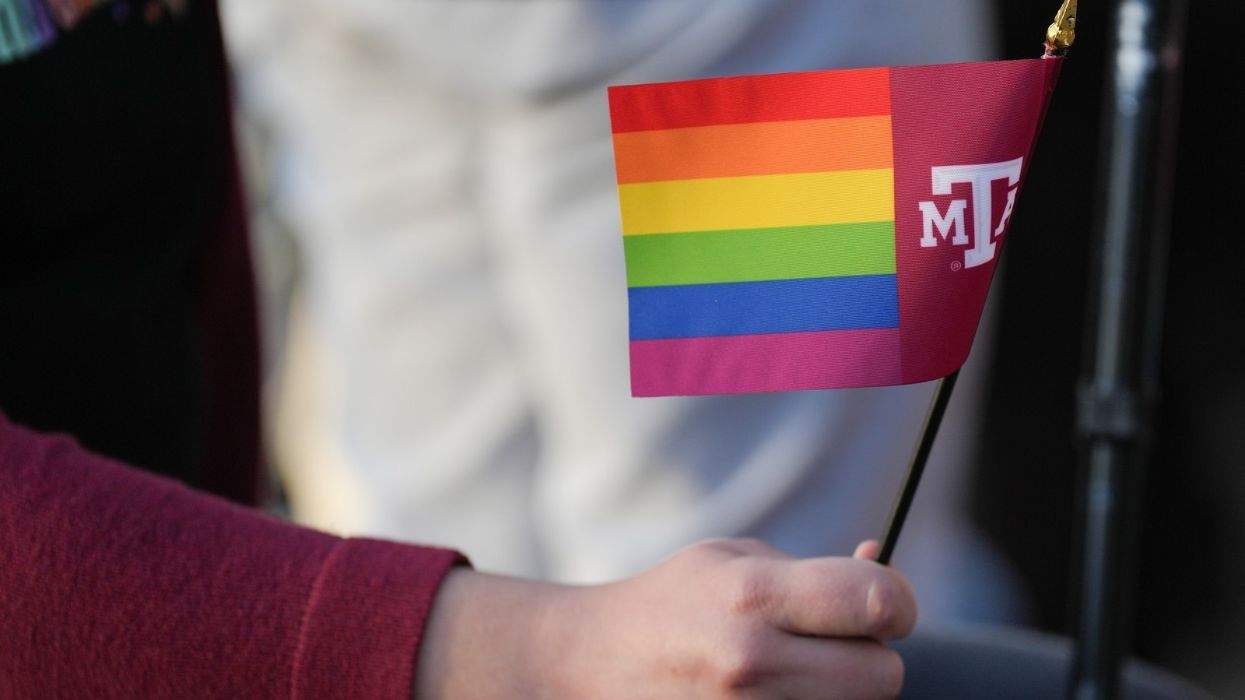
Colorado Democrats have passed a new law designed to preserve the state’s ban on so-called “conversion therapy” after the U.S. Supreme Court struck down the state’s previous attempt to shield young people from the dangerous and discredited practice.
The Colorado General Assembly on Thursday approved HB26-1322, legislation that rewrites the state’s conversion therapy statute in direct response to the Supreme Court’s March ruling in Chiles v. Salazar. The bill now heads to Gov. Jared Polis, a gay Democrat, who is expected to sign it into law.
"The passage of HB26-1322 is a clear statement from Colorado’s Legislature that conversion therapy is dangerous and has lasting negative impacts on those who are exposed to it,” Mardi Moore, chief executive officer of Rocky Mountain Equality, told The Advocate in a statement. “This law keeps the state ban on the practice in place by complying with Chiles v. Salazar to ensure viewpoint neutrality, and gives survivors additional time to hold practitioners who did harm accountable."
The measure’s passage marks one of the first major attempts by a state legislature to outmaneuver the court after its 8-1 decision shook LGBTQ+ advocates and raised fears that conversion therapy bans across the country could collapse under First Amendment challenges.
Related: Kids can be subjected to harmful 'conversion therapy,’ U.S. Supreme Court rules
Related: Outrage at Stonewall after Supreme Court voids Colorado's conversion therapy ban
But Colorado lawmakers are betting the justices themselves left a roadmap.
The Supreme Court’s ruling did not endorse conversion therapy, nor did it reject decades of medical consensus finding the practice harmful. Instead, the court concluded that Colorado’s earlier law improperly regulated therapists’ speech based on viewpoint, particularly in the context of talk therapy involving minors.
That constitutional distinction proved enormously consequential, immediately setting off a scramble among LGBTQ+ legal groups and Democratic lawmakers searching for ways to preserve protections for queer and trans youth without triggering the same constitutional concerns.
Colorado moved first.
Rather than banning therapists from counseling minors in one ideological direction, the rewritten law prohibits licensed mental health providers from imposing any “predetermined outcome” regarding sexual orientation or gender identity on a young patient, regardless of the direction of that outcome.
Related: The Supreme Court just handed conversion therapy a new license for violence
Related: The Supreme Court’s conversion therapy ruling is being misunderstood
In practical terms, therapists cannot attempt to steer minors either toward becoming LGBTQ+ or away from it. Supporters argue the rewrite shifts the law away from regulating viewpoints and toward regulating coercive professional conduct regardless of ideology.
Legal advocates say that wording matters immensely.
“The Supreme Court gave specific guidance about how to amend conversion therapy laws to be viewpoint-neutral so that these protections can remain in place, helping to protect youth before they are harmed,” Shannon Minter, legal director of the National Center for LGBTQ Rights, said in a statement. “Given the urgency of this issue and the danger that conversion therapy poses to youth, Colorado moved swiftly.”
According to data cited by supporters of the bill, 41 percent of LGBTQ+ youth in Colorado reported seriously considering suicide in the past year, while 14 percent said they had been threatened with or subjected to conversion therapy.
The legislation goes beyond merely reinstating the state’s earlier ban.
HB26-1322 also creates new legal exposure for therapists and institutions involved in conversion therapy practices, extending the statute of limitations for malpractice claims tied to conversion therapy and allowing survivors to pursue claims years, even decades, after the harm occurred.
Related: I survived conversion therapy. Now it's coming back in softer words
The legislation reflects an increasingly prominent understanding among trauma researchers and LGBTQ+ advocates that survivors often take years to fully recognize the psychological damage caused by conversion therapy.
In a joint statement backing the legislation, advocates said HB26-1322 recognizes that survivors of conversion therapy often need “years — sometimes decades — to recognize and process the trauma caused by the practice,” adding that delayed recognition of harm is often “the rule, not the exception.”
“This new law amends Colorado’s existing protections to address the critiques highlighted by the Supreme Court’s recent decision and, importantly, declares that mental health professionals who abuse the sacred trust placed in them will not be protected from malpractice claims by the years of shame and silence caused by conversion therapy,” The Trevor Project’s senior director of law and policy, Casey Pick, said in a statement.
Pick added that the legislation could help deter practitioners from continuing the practice. “The data could not be clearer: if we end these junk practices, we will save young people’s lives,” she said.
More than 20 states and Washington, D.C., currently restrict conversion therapy for minors. Advocates say Colorado’s approach may serve as a template for states seeking to preserve those laws.
“This victory belongs to the survivors, advocates, and community members who refused to let this issue be forgotten,” Nadine Bridges, executive director of One Colorado, said in a statement. “Together, we continue building a Colorado rooted in dignity, healing, and belonging for all.”