'%3E%3Cpath d='M16.3574 35.6519H12.9537L15.0491 18.8873L16.3574 35.6519ZM30.4229 54.0093L22.309 0.994385H7.91795L0 54.0093H10.6634L11.5802 46.3855H17.4014L17.9914 54.0093H30.4229Z' fill='%23971B20'/%3E%3Cpath d='M48.2073 41.8813C48.2073 43.4049 47.4892 44.0011 46.1144 44.0011H43.7595V11.0687H46.1144C47.4892 11.0687 48.2073 11.6636 48.2073 13.1885V41.8813ZM59.5273 43.6695V11.3326C59.5273 3.71323 53.5729 0.994385 47.8157 0.994385H31.7213V54.0093H47.8157C53.5729 54.0093 59.5273 51.29 59.5273 43.6695Z' fill='%23971B20'/%3E%3Cpath d='M90.183 0.994385H78.6039L75.0711 30.6157L71.9955 0.994385H59.4346L69.2474 54.0093H80.373L90.183 0.994385Z' fill='%23971B20'/%3E%3Cpath d='M107.063 42.3448C107.063 43.7359 105.951 44.5974 104.643 44.5974C103.269 44.5974 102.157 43.7359 102.157 42.3448V12.658C102.157 11.2676 103.269 10.4058 104.643 10.4058C105.951 10.4058 107.063 11.2676 107.063 12.658V42.3448ZM119.233 43.2723V11.7312C119.233 6.36384 112.952 -3.8147e-06 104.643 -3.8147e-06C96.2667 -3.8147e-06 89.9867 6.36384 89.9867 11.7312V43.2723C89.9867 48.6393 96.2667 55 104.643 55C112.952 55 119.233 48.6393 119.233 43.2723Z' fill='%23971B20'/%3E%3Cpath d='M150.976 43.9349V33.7309H139.069V42.3448C139.069 43.7359 137.957 44.5974 136.582 44.5974C135.076 44.5974 133.964 43.7359 133.964 42.3448V12.658C133.964 11.2676 135.076 10.4058 136.582 10.4058C137.957 10.4058 139.069 11.2676 139.069 12.658V21.2723H150.976V11.0687C150.976 5.70107 145.283 -3.8147e-06 136.582 -3.8147e-06C127.75 -3.8147e-06 121.796 5.70107 121.796 11.0687V43.9349C121.796 49.3022 127.75 55 136.582 55C145.283 55 150.976 49.3022 150.976 43.9349Z' fill='%23971B20'/%3E%3Cpath d='M167.478 35.6519H164.076L166.17 18.8873L167.478 35.6519ZM181.544 54.0093L173.432 0.994385H159.037L151.123 54.0093H161.785L162.704 46.3855H168.523L169.114 54.0093H181.544Z' fill='%23971B20'/%3E%3Cpath d='M205.412 10.4058V0.994385H177.081V10.4058H185.392V54.0093H197.428V10.4058H205.412Z' fill='%23971B20'/%3E%3Cpath d='M230.002 54.0093V43.9349H218.914V31.8746H226.635V21.8028H218.914V10.4058H230.002V0.994385H206.875V54.0093H230.002Z' fill='%23971B20'/%3E%3C/g%3E%3Cdefs%3E%3CclipPath id='clip0_260_7080'%3E%3Crect width='230' height='55' fill='white'/%3E%3C/clipPath%3E%3C/defs%3E%3C/svg%3E)
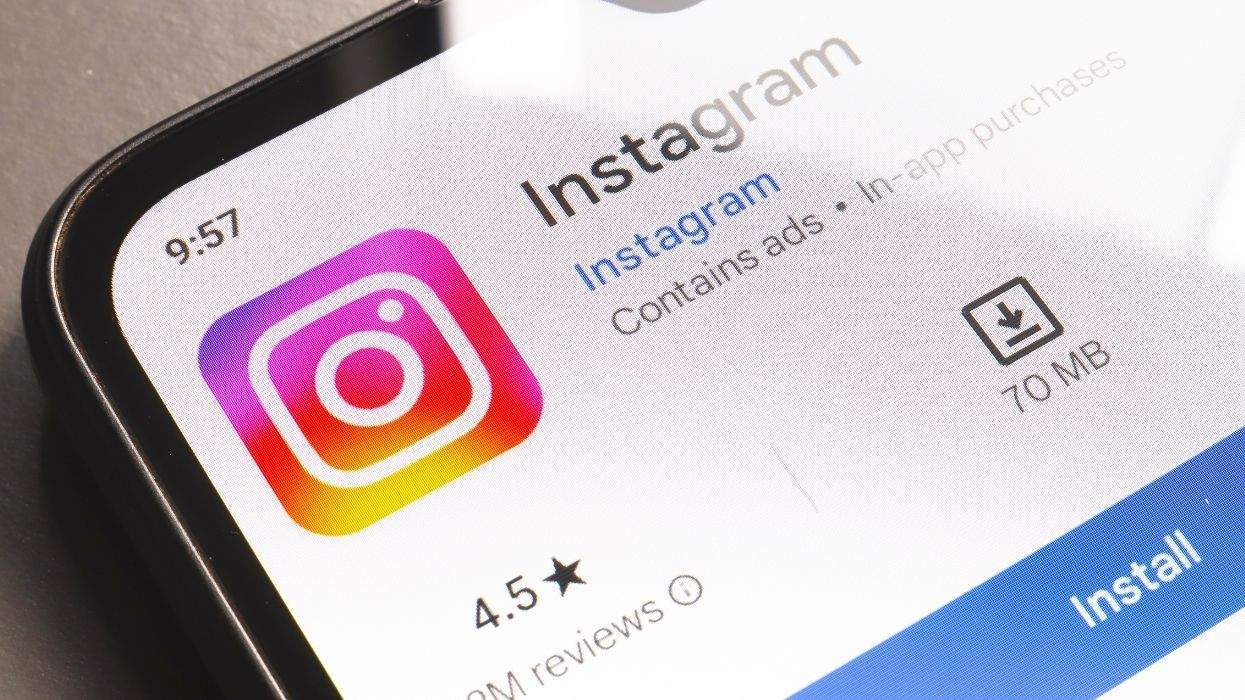

Meta is defending itself against claims of overzealous censorship of LGBTQ+ and sexual health-related content on its platforms.
The company faced renewed criticism after Instagram banned the account of sex toy retailer Bellesa Boutique, the latest in a string of controversies involving the moderation of queer and sexual wellness content, Mashable reports. In response, a Meta spokesperson pointed reporters to the company’s policies on sexual solicitation.
"Every organization and individual on our platforms is subject to the same set of rules, and any claims of enforcement based on group affiliation or advocacy are baseless. We also give people the opportunity to appeal decisions if they think we’ve got it wrong,” a Meta spokesperson told Mashable.
Related: Meta mishandled lesbian content on Instagram
Related: LGBTQ+ people’s safety has plummeted across social media platforms: report
A prominent LGBTQ+ public figure also told The Advocate they are increasingly concerned that queer creators and LGBTQ+ content may be getting suppressed by platform algorithms, even when posts do not explicitly violate content policies. The person who spoke in a private conversation about fears of retaliation or reduced online visibility said concerns about moderation and algorithmic suppression have become widespread among queer influencers and advocates.
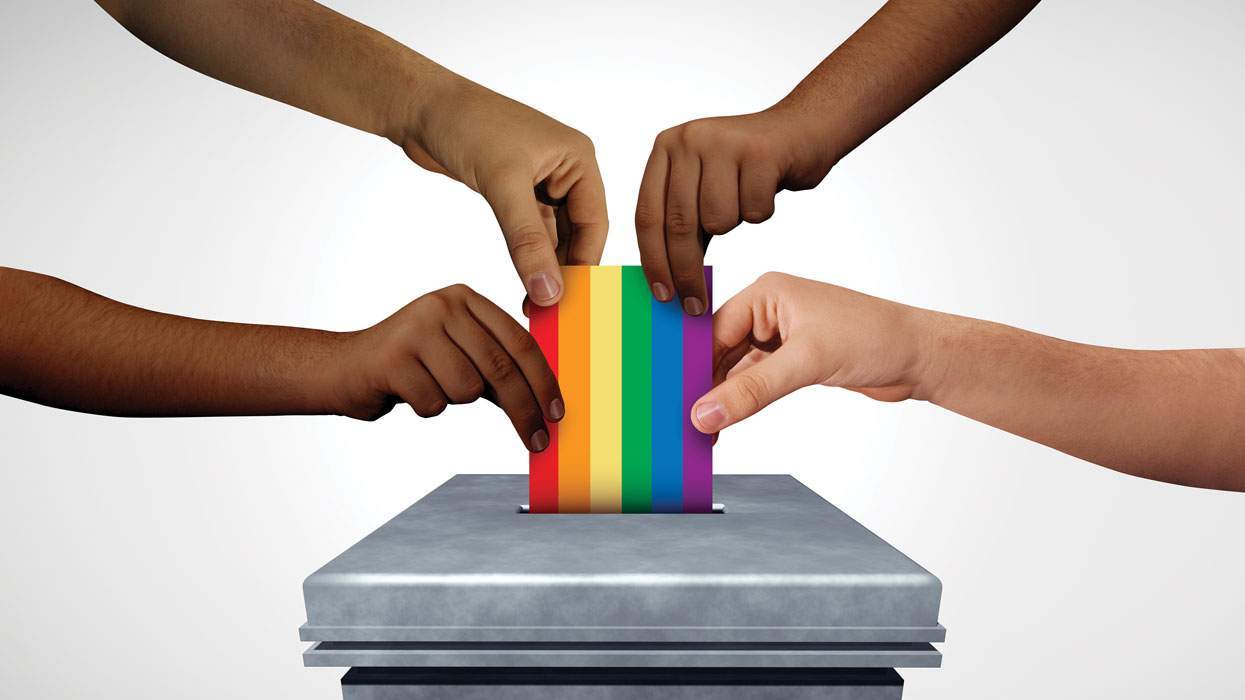
Critics say Instagram’s moderation policies, which many users believe have become increasingly aggressive, disproportionately impact LGBTQ+ creators and sexual health educators. Repro Uncensored, a group that tracks online censorship related to reproductive and sexual health content, said it documented the suspension of more than 100 queer and creative accounts in April alone.
“These cases demonstrate a broader pattern affecting queer communities, women’s and sexual health content, artists, cultural spaces, and even music festivals,” the organization said in a statement. “These accounts function as arteries of community and infrastructure. They are spaces where people share vital healthcare and sexual information, organize, create, and stay connected, and where communities actively shape participatory democracies.”
The removal of Bellesa Boutique’s Instagram account drew particular backlash because the page served more than 700,000 followers, many of them women and LGBTQ+ users, and frequently shared frank discussions about sexual wellness and health.
Meta, however, told Mashable that the account violated the platform’s solicitation policies on more than three occasions. Regarding the broader list of accounts flagged by Repro Uncensored, including 51 identified in a viral Instagram post, Meta said most are now active again and posting content. The company also said three of the listed accounts did not exist.
Related: Mark Zuckerberg’s new Meta policies okay using dehumanizing slurs toward LGBTQ+ people
Related: What LGBTQ+ people should know about Meta’s new rules
The spokesperson acknowledged that some accounts have historically been suspended in error before being quickly reinstated. Users who believe their accounts were wrongly penalized can appeal moderation decisions through the platform.
The controversy comes after Meta’s independent Oversight Board recently ruled that Instagram wrongly removed a post from a Brazil-based account celebrating lesbian visibility.
Concerns about LGBTQ+ content being disproportionately targeted by social media moderation systems are not new. In 2017, YouTube faced backlash over its restricted mode filtering LGBTQ+ videos, prompting changes after widespread online criticism. Facebook, another Meta-owned platform, has also previously classified some LGBTQ+ advertising as political content.
Reports of increased moderation of LGBTQ+ content surfaced after Meta announced changes to its content moderation approach, including scaling back some policies aimed at limiting hateful and dehumanizing speech.