'%3E%3Cpath d='M16.3574 35.6519H12.9537L15.0491 18.8873L16.3574 35.6519ZM30.4229 54.0093L22.309 0.994385H7.91795L0 54.0093H10.6634L11.5802 46.3855H17.4014L17.9914 54.0093H30.4229Z' fill='%23971B20'/%3E%3Cpath d='M48.2073 41.8813C48.2073 43.4049 47.4892 44.0011 46.1144 44.0011H43.7595V11.0687H46.1144C47.4892 11.0687 48.2073 11.6636 48.2073 13.1885V41.8813ZM59.5273 43.6695V11.3326C59.5273 3.71323 53.5729 0.994385 47.8157 0.994385H31.7213V54.0093H47.8157C53.5729 54.0093 59.5273 51.29 59.5273 43.6695Z' fill='%23971B20'/%3E%3Cpath d='M90.183 0.994385H78.6039L75.0711 30.6157L71.9955 0.994385H59.4346L69.2474 54.0093H80.373L90.183 0.994385Z' fill='%23971B20'/%3E%3Cpath d='M107.063 42.3448C107.063 43.7359 105.951 44.5974 104.643 44.5974C103.269 44.5974 102.157 43.7359 102.157 42.3448V12.658C102.157 11.2676 103.269 10.4058 104.643 10.4058C105.951 10.4058 107.063 11.2676 107.063 12.658V42.3448ZM119.233 43.2723V11.7312C119.233 6.36384 112.952 -3.8147e-06 104.643 -3.8147e-06C96.2667 -3.8147e-06 89.9867 6.36384 89.9867 11.7312V43.2723C89.9867 48.6393 96.2667 55 104.643 55C112.952 55 119.233 48.6393 119.233 43.2723Z' fill='%23971B20'/%3E%3Cpath d='M150.976 43.9349V33.7309H139.069V42.3448C139.069 43.7359 137.957 44.5974 136.582 44.5974C135.076 44.5974 133.964 43.7359 133.964 42.3448V12.658C133.964 11.2676 135.076 10.4058 136.582 10.4058C137.957 10.4058 139.069 11.2676 139.069 12.658V21.2723H150.976V11.0687C150.976 5.70107 145.283 -3.8147e-06 136.582 -3.8147e-06C127.75 -3.8147e-06 121.796 5.70107 121.796 11.0687V43.9349C121.796 49.3022 127.75 55 136.582 55C145.283 55 150.976 49.3022 150.976 43.9349Z' fill='%23971B20'/%3E%3Cpath d='M167.478 35.6519H164.076L166.17 18.8873L167.478 35.6519ZM181.544 54.0093L173.432 0.994385H159.037L151.123 54.0093H161.785L162.704 46.3855H168.523L169.114 54.0093H181.544Z' fill='%23971B20'/%3E%3Cpath d='M205.412 10.4058V0.994385H177.081V10.4058H185.392V54.0093H197.428V10.4058H205.412Z' fill='%23971B20'/%3E%3Cpath d='M230.002 54.0093V43.9349H218.914V31.8746H226.635V21.8028H218.914V10.4058H230.002V0.994385H206.875V54.0093H230.002Z' fill='%23971B20'/%3E%3C/g%3E%3Cdefs%3E%3CclipPath id='clip0_260_7080'%3E%3Crect width='230' height='55' fill='white'/%3E%3C/clipPath%3E%3C/defs%3E%3C/svg%3E)
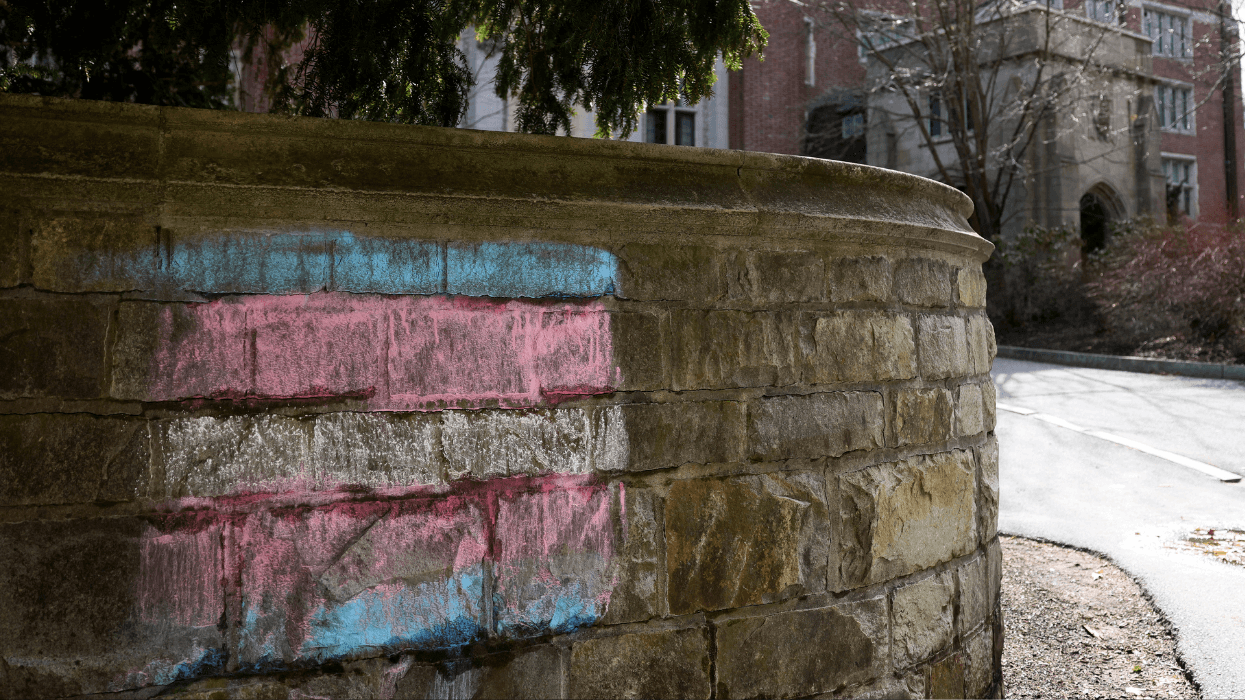

At college, learning doesn’t just happen in the classroom. For many LGBTQ+ people, campuses can be spaces for community-building and self-discovery, especially when schools support queer learners.
But not all students want the same type of college, according to Ross von Metzke, head of marketing and development for It Gets Better, an LGBTQ+ storytelling nonprofit. LGBTQ+ students may seek rural schools, for example, due to cost, location, or personal preference.
“Some kids want to move to Los Angeles or New York,” von Metzke told The Advocate. “But some people don’t want to move to a big city.”
To help students consider their options, It Gets Better partnered with Antioch College in Ohio to create an unofficial ranking of LGBTQ+-inclusive colleges across the rural United States. The Advocate has compiled that ranking, with insight into what helped each school make the cut.
10. Grinnell College
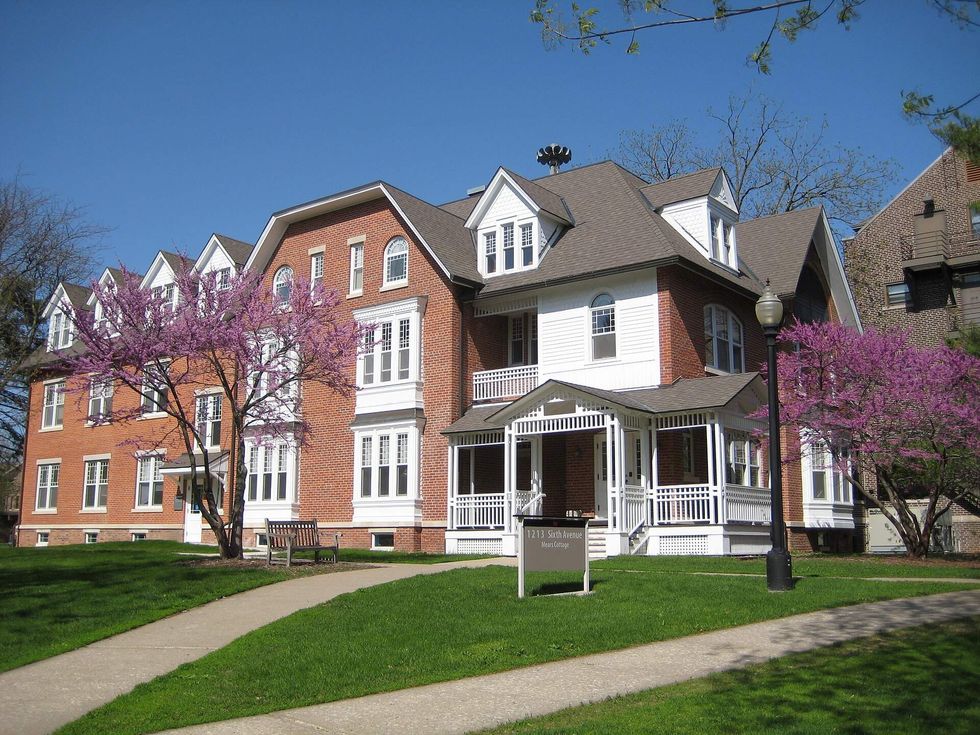
Mears Cottage at Grinnell College, located in Grinnell, Iowa.
Aureliusxv/Wikimedia Commons CC BY-SA 3.0
Location: Grinnell, Iowa
This small, liberal arts college in Iowa may stand apart from others in the state for the visibility of its on-campus LGBTQ+ resources. Grinnell is home to the Stonewall Resource Center, which seeks to support and celebrate LGBTQ+ life on campus, according to the school’s website.
“Grinnell is a strong option for students who want a campus where support feels steady and integrated into the institution,” the ranking says.
9. Kenyon College
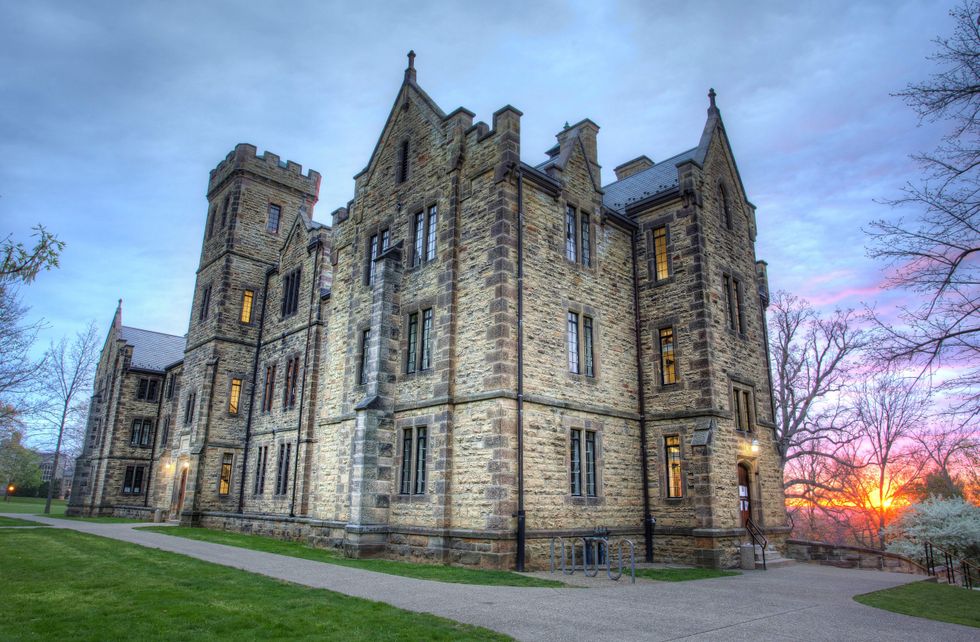
Kenyon College located in Gambier, Ohio.
Brian Gray/Getty Images
Location: Gambier, Ohio
Known for its creative writing and arts communities, this Ohio college also stands out for its institutional policies supporting LGBTQ+ students. Kenyon offers campus-wide single-occupancy bathrooms for trans students, hosts regular LGBTQ+ programming, and adheres to both campus and local policies against anti-LGBTQ+ discrimination, according to its website.
“For students who want to arrive and quickly find the room, the people, and a consistent rhythm of community, Kenyon tends to make that process easier,” the ranking says.
8. Oberlin College
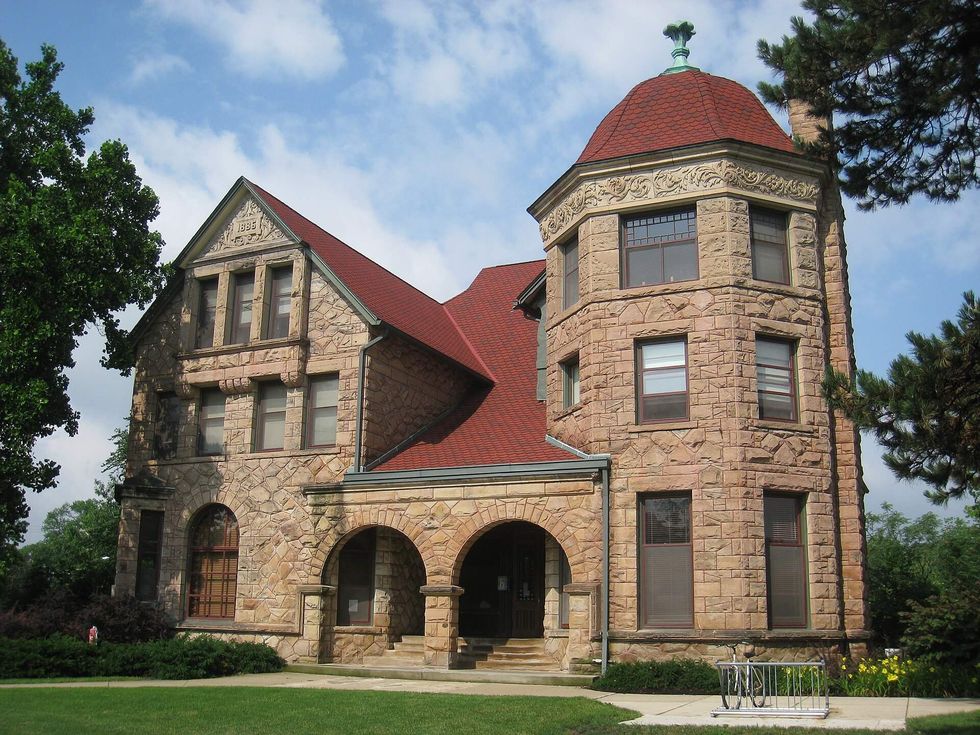
Baldwin Cottage at Oberlin College, located in Oberlin, Ohio.
Daderot via Wikimedia Commons
Location: Oberlin, Ohio
Also representing the Midwest, Oberlin is a liberal arts college known for strong academics and a renowned music conservatory. The school has a history of on-campus LGBTQ+ organizing and helps connect students with identity-specific resources, such as LGBTQ+-inclusive career support.
“If you’re energized by big ideas, artistic expression, and people who actually show up for what they believe in, Oberlin has that pulse,” says the ranking.
7. Bennington College
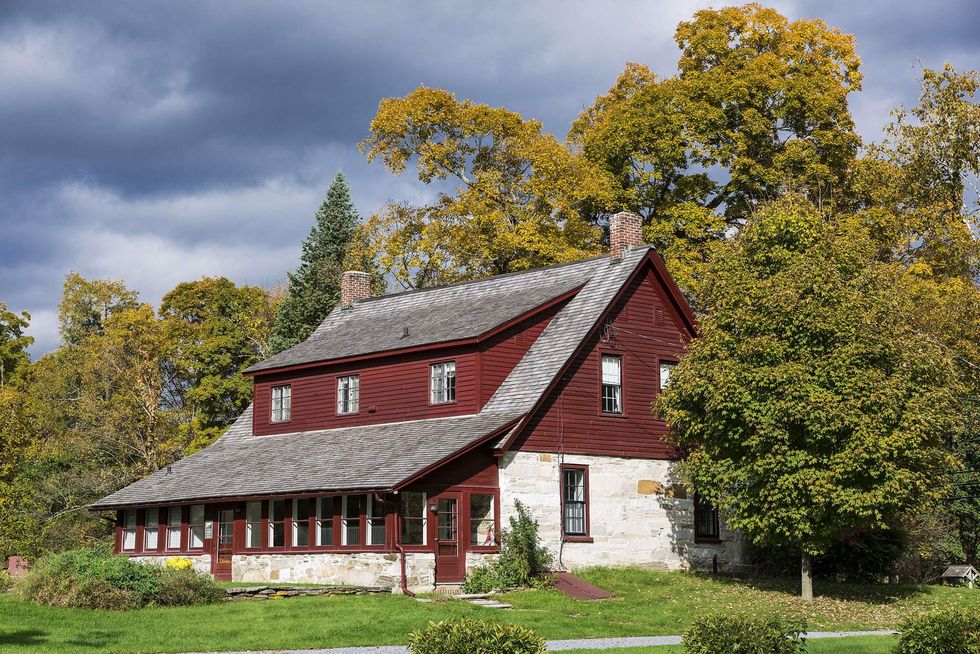
The Robert Frost Stone House Museum, operated by Bennington College and located in Shaftsbury, Vt.
John Greim/LightRocket via Getty Images
Location: Bennington, Vermont
Tucked away in the scenic Vermont mountains, Bennington College is a haven for LGBTQ+ students seeking queer student groups, liberal arts education, and a supportive campus culture.
“This is the kind of environment where nontraditional paths are normal, which often correlates with queer students feeling less pressure to ‘perform’ a single version of themselves,” says the ranking.
6. Mount Holyoke College
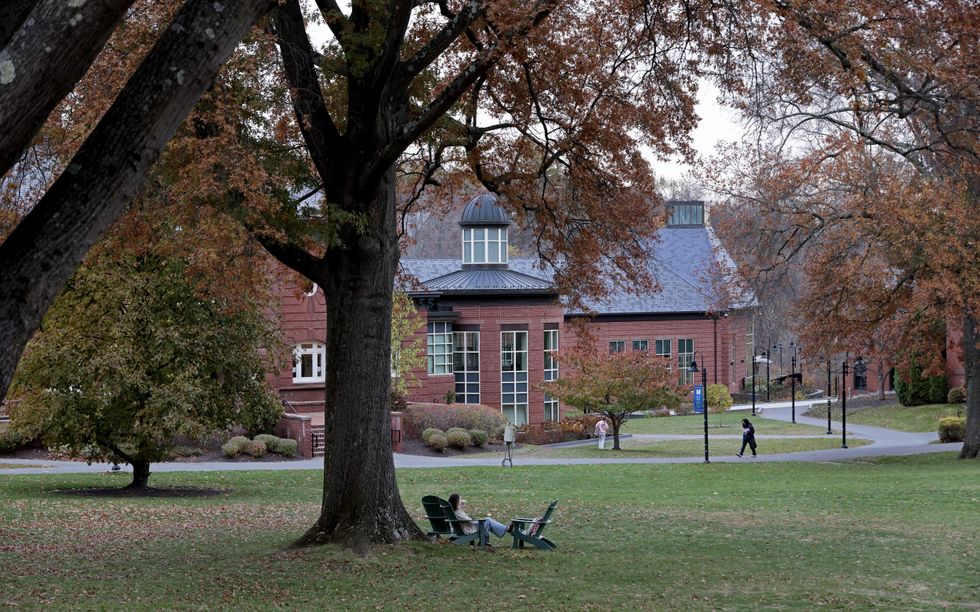
Skinner Green and Blanchard Hall at Mount Holyoke College, located in South Hadley, Mass.
Pat Greenhouse/The Boston Globe via Getty Images
Location: South Hadley, Massachusetts
This women’s liberal arts college in Massachusetts stands apart from other historic women’s colleges in its open inclusivity toward trans and non-binary students, plus its wider spate of LGBTQ+ support on campus.
“Mount Holyoke earns a spot because it’s unusually clear about who it welcomes: female, transgender, and nonbinary students,” the ranking reads. “For many students and families, it removes a huge amount of uncertainty from the application process and signals a campus that has already done the work of making gender diversity part of its identity.”
5. Smith College
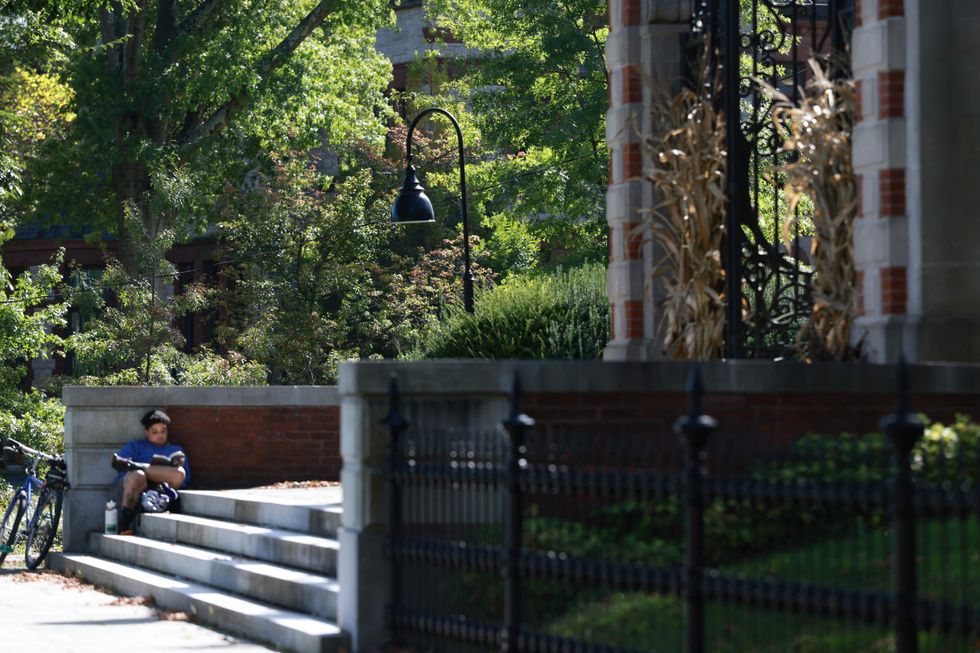
Smith College, located in Northampton, Mass.
Jonathan Wiggs/The Boston Globe via Getty Images
Location: Northampton, Massachusetts
As a women’s institution, Smith College provides support and protection for LGBTQ+ students on campus through its Office for Equity and Inclusion. This is another school with an explicit policy opening admission to trans students, and with a widely recognized campus culture that affirms the LGBTQ+ community.
“For students who want both a strong campus environment and a surrounding town with real LGBTQ+ energy, Smith is one of the clearest fits on this list,” the ranking says.
4. Wesleyan University
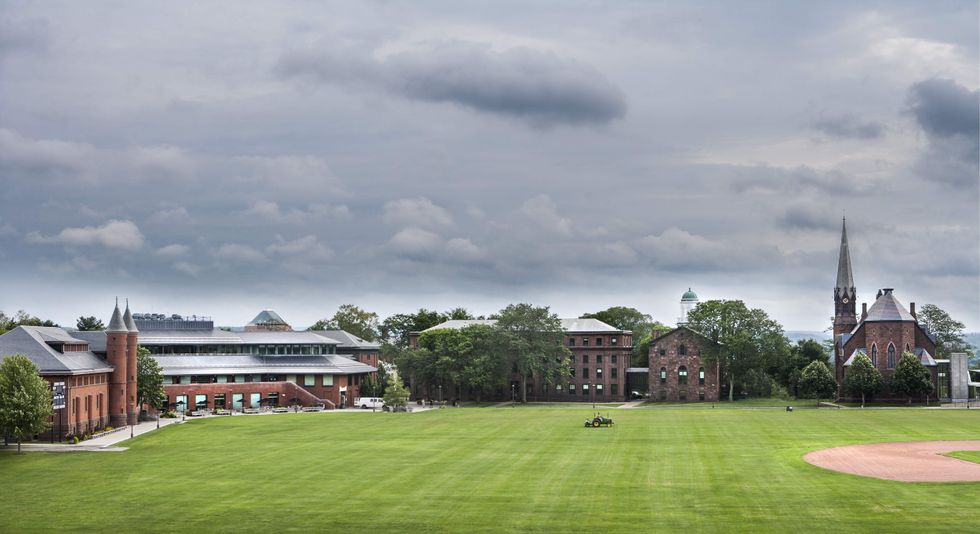
Wesleyan University, located in Middletown, Conn.
Education Images/Universal Images Group via Getty Images
Location: Middletown, Connecticut
This New England liberal arts school makes its support for LGBTQ+ students explicit, listing online resources ranging from LGBTQ+ research tools to gender-inclusive campus bathrooms to student groups and local LGBTQ+ organizations.
“It’s a place where you can often find queer community through classes, arts culture, student-led programming, and the broader intellectual life of campus,” the ranking says.
3. Wellesley College
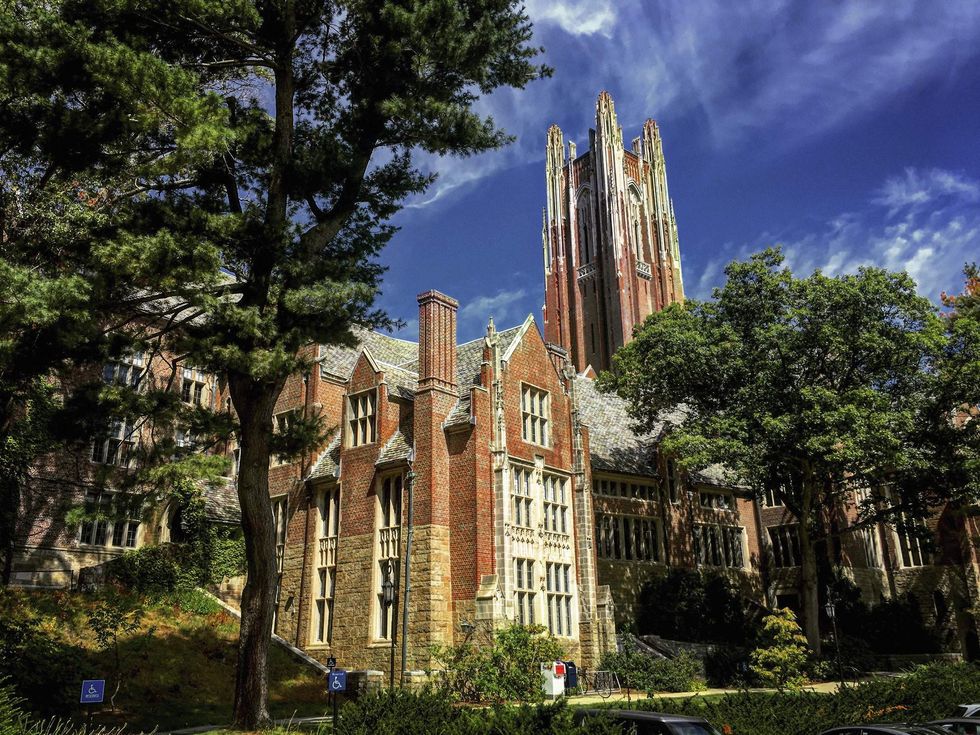
Bell Tower and Green Hall at Wellesley College, located in Wellesley, Mass.
Education Images/Universal Images Group via Getty Images
Location: Wellesley, Massachusetts
Wellesley is a women’s college in Massachusetts with numerous LGBTQ+ student groups and institutional resources, plus a history of on-campus activism and organizing that has helped carve out a space for the LGBTQ+ community, especially trans students.
“Wellesley has continuity and tradition in its queer community. The culture doesn’t restart every fall,” the ranking says. “There are established events, shared history, and a community that tends to pull people in quickly instead of making them build everything from scratch.”
2. College of the Atlantic
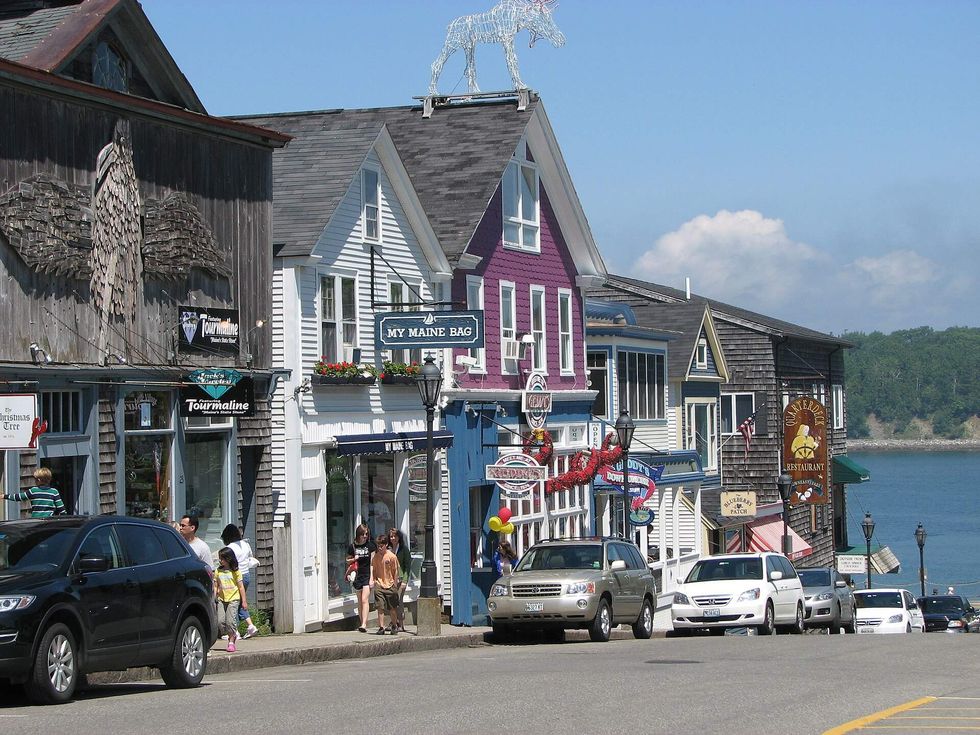
Main Street in Bar Harbor, Maine, the town where the College of the Atlantic is located.
Mourial/Wikimedia Commons CC BY-SA 3.0
Location: Bar Harbor, Maine
Located on an idyllic Maine island, the College of the Atlantic is a tiny community, with just 350 students according to the college’s website. Despite its small size, The Princeton Review ranks it first for LGBTQ+-friendliness and notes a culture of activism and inclusion on campus.
“If you’re looking for a campus where people are more likely to know you, notice you, and include you, COA’s size can be a feature, not a limitation,” the ranking says.
1. Antioch College
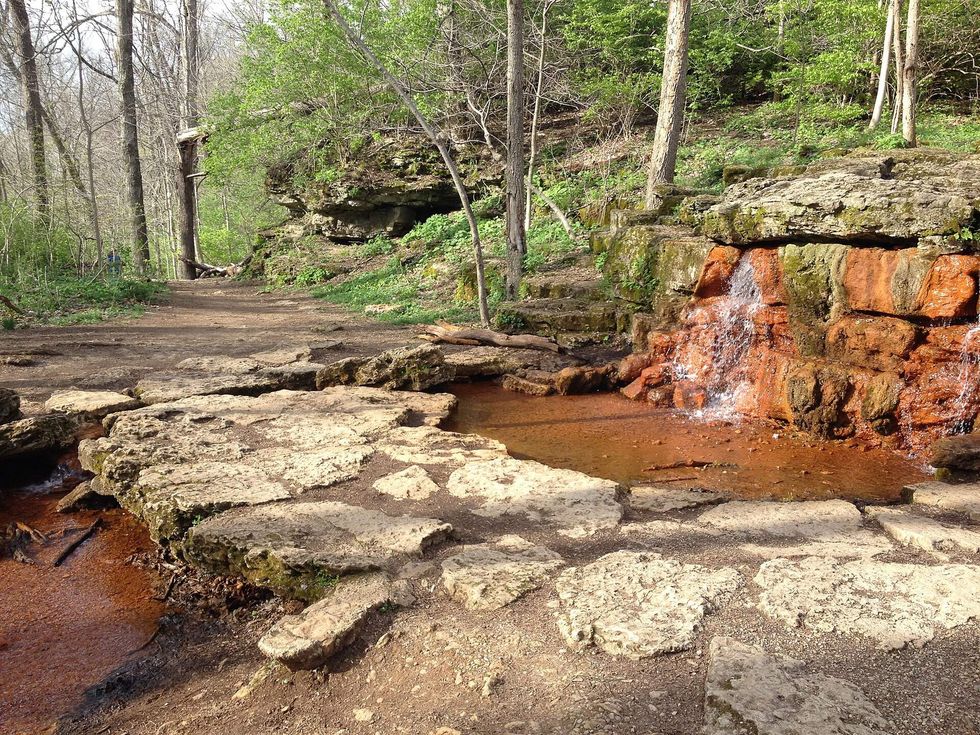
Yellow Springs in the Glen Helen Nature Preserve, a thousand-acre nature preserve owned by Antioch College since 1929.
Clifton res/Wikimedia Commons CC BY-SA 3.0
Location: Yellow Springs, Ohio
Antioch College helped create this ranking, so it might be partial to a higher placement. Still, the school boasts an above-average LGBTQ+ population — 82 percent of students identifying as LGBTQ+ and 16 percent as trans, according to the ranking — and an array of LGBTQ+-affirming resources to boot.
“Antioch, queerness isn’t a sidebar. It’s part of the baseline of campus life,” the ranking says. “Pair that with a social justice mindset and real-world learning, and you get a place where a lot of students don’t just find community. They find momentum.”
About the ranking
Von Metzke emphasized that the ranking is not official or scientific but rather reflects general observations about LGBTQ+ friendliness across different campuses, which feels especially urgent today. LGBTQ+ young people are navigating both the challenges of early adulthood and a tense political environment around LGBTQ+ rights, he said.
“When queer people are surrounded by a community that supports them, when they have safe spaces that exist outside of their school experience, it just makes navigating everything that's going on in the world that much easier,” von Metzke said.
To make the list, It Gets Better and Antioch College reviewed various data points, including student reports on campus culture, LGBTQ+ policies and resources on campus, and external analyses of LGBTQ+-friendliness from higher-education reviewers such as Campus Pride and The Princeton Review, according to the ranking webpage.
Von Metzke said the list also helps challenge narratives that LGBTQ+ individuals must move to urban areas to thrive and spotlight rural communities making efforts to foster and support queer inclusion.
“We wanted to take a look at doing a campaign that focused on queer-affirming places, queer-affirming schools, and queer-affirming college experiences that were maybe in places that you wouldn't expect to find,” he said.