'%3E%3Cpath d='M16.3574 35.6519H12.9537L15.0491 18.8873L16.3574 35.6519ZM30.4229 54.0093L22.309 0.994385H7.91795L0 54.0093H10.6634L11.5802 46.3855H17.4014L17.9914 54.0093H30.4229Z' fill='%23971B20'/%3E%3Cpath d='M48.2073 41.8813C48.2073 43.4049 47.4892 44.0011 46.1144 44.0011H43.7595V11.0687H46.1144C47.4892 11.0687 48.2073 11.6636 48.2073 13.1885V41.8813ZM59.5273 43.6695V11.3326C59.5273 3.71323 53.5729 0.994385 47.8157 0.994385H31.7213V54.0093H47.8157C53.5729 54.0093 59.5273 51.29 59.5273 43.6695Z' fill='%23971B20'/%3E%3Cpath d='M90.183 0.994385H78.6039L75.0711 30.6157L71.9955 0.994385H59.4346L69.2474 54.0093H80.373L90.183 0.994385Z' fill='%23971B20'/%3E%3Cpath d='M107.063 42.3448C107.063 43.7359 105.951 44.5974 104.643 44.5974C103.269 44.5974 102.157 43.7359 102.157 42.3448V12.658C102.157 11.2676 103.269 10.4058 104.643 10.4058C105.951 10.4058 107.063 11.2676 107.063 12.658V42.3448ZM119.233 43.2723V11.7312C119.233 6.36384 112.952 -3.8147e-06 104.643 -3.8147e-06C96.2667 -3.8147e-06 89.9867 6.36384 89.9867 11.7312V43.2723C89.9867 48.6393 96.2667 55 104.643 55C112.952 55 119.233 48.6393 119.233 43.2723Z' fill='%23971B20'/%3E%3Cpath d='M150.976 43.9349V33.7309H139.069V42.3448C139.069 43.7359 137.957 44.5974 136.582 44.5974C135.076 44.5974 133.964 43.7359 133.964 42.3448V12.658C133.964 11.2676 135.076 10.4058 136.582 10.4058C137.957 10.4058 139.069 11.2676 139.069 12.658V21.2723H150.976V11.0687C150.976 5.70107 145.283 -3.8147e-06 136.582 -3.8147e-06C127.75 -3.8147e-06 121.796 5.70107 121.796 11.0687V43.9349C121.796 49.3022 127.75 55 136.582 55C145.283 55 150.976 49.3022 150.976 43.9349Z' fill='%23971B20'/%3E%3Cpath d='M167.478 35.6519H164.076L166.17 18.8873L167.478 35.6519ZM181.544 54.0093L173.432 0.994385H159.037L151.123 54.0093H161.785L162.704 46.3855H168.523L169.114 54.0093H181.544Z' fill='%23971B20'/%3E%3Cpath d='M205.412 10.4058V0.994385H177.081V10.4058H185.392V54.0093H197.428V10.4058H205.412Z' fill='%23971B20'/%3E%3Cpath d='M230.002 54.0093V43.9349H218.914V31.8746H226.635V21.8028H218.914V10.4058H230.002V0.994385H206.875V54.0093H230.002Z' fill='%23971B20'/%3E%3C/g%3E%3Cdefs%3E%3CclipPath id='clip0_260_7080'%3E%3Crect width='230' height='55' fill='white'/%3E%3C/clipPath%3E%3C/defs%3E%3C/svg%3E)
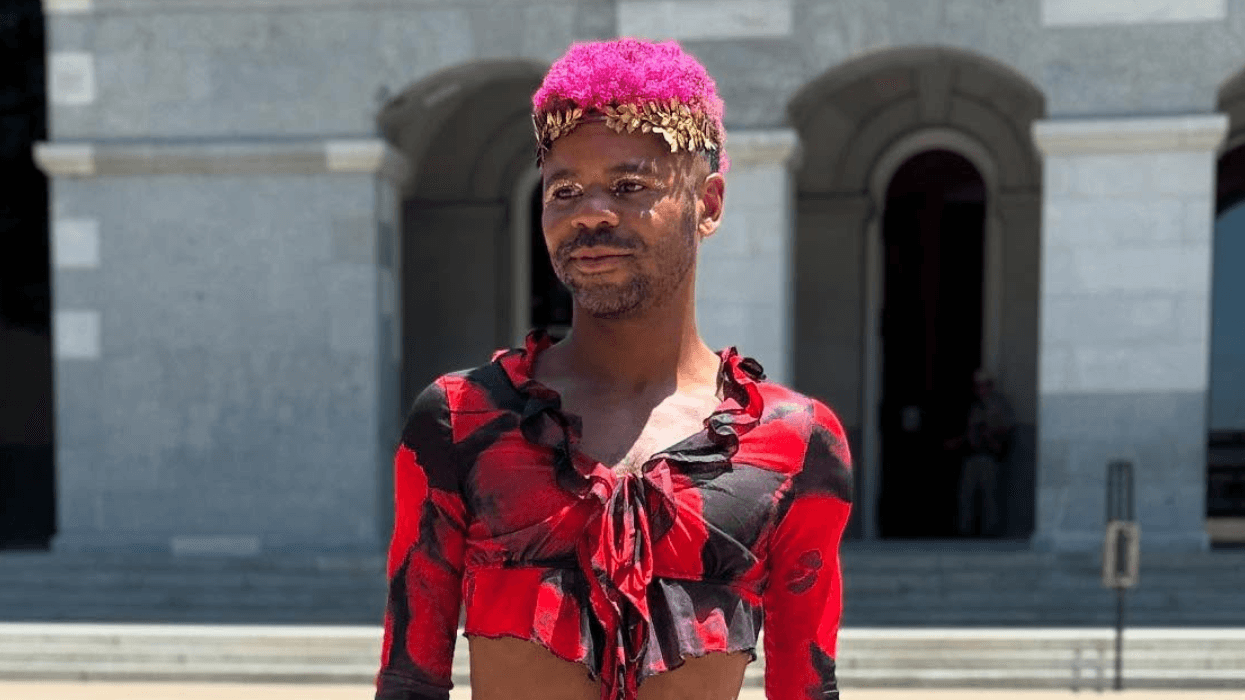
My mouth tightened the moment I saw the headline, "I’m Gay, Not Queer. It Matters." As a Black, queer person living in America, I immediately wondered if the author was white and cisgender.
Turns out, he was.
The terms “gay” and “queer” are not synonymous. When someone says “gay” to me these days, I think of cisgender. What comes to mind are people who say they’re “woke” but are silent as transgender people across the country are attacked. I think of being locked into acting how the heterosexual society wants our community to act.
I think of palatable.
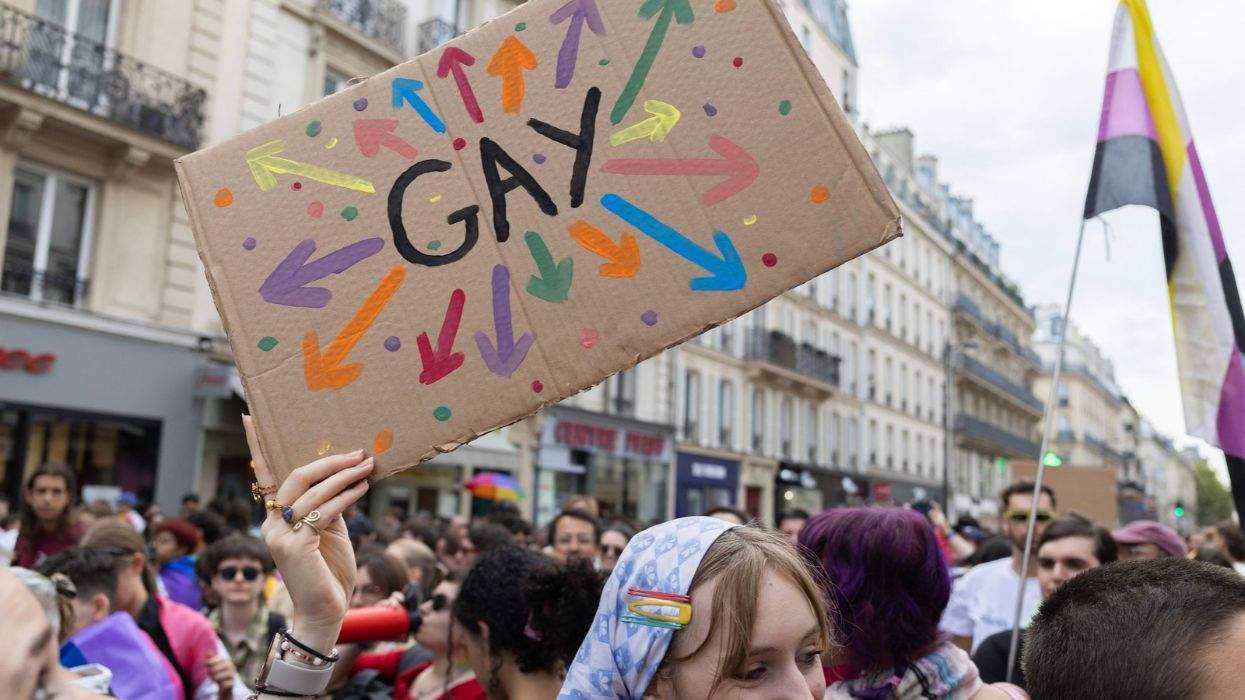
Queer is often associated with describing the LGBTQ+ spectrum, an umbrella term of sorts. The word “queer” for many has been reclaimed — from a derogatory slur to a word of empowerment. This reclamation began after the 1969 Stonewall Rebellion, where our community fought against police raiding the Stonewall Inn, a place of gathering for queer people. Over time, the word has come to be a term of inclusion for many. It is a term that describes how many people live outside of the binary of male and female, and how sexual orientation and identity can be fluid over time. The word has transformed into a statement of empowerment, of “potential and a future, not something that is stagnant.”
Queerness is also an emphatic no to the cisgender, male-centric, ableist, White, inflexible way we've been taught that we "must" live from a young age.
My own evolution from calling myself gay to calling myself queer has been integral to who I am today. When I was outed in sixth grade by a classmate as the only gay person in my Catholic middle school, I remember the fear that I'd be physically assaulted. I'd seen how queer people were talked about in newspapers. I'd heard about the violence we experience at higher rates than our straight cisgender peers. When friends asked me at my locker at the end of that day if I was indeed gay, I breathed deeply and said "Yes." I'm fortunate that my friends accepted me and shielded me from interactions with the person who had outed me.
I didn't have the term queer at the time. To label myself as "gay" seemed safest. Due to society, due to my own internalized fears, over the coming years I didn't give myself the chance to explore what it meant for me to be a human being who was interested in guys yet still wanted to explore all facets of attraction. It seemed like the best option at the time.
I wasn't confused. I was simply bound by the rigidness that the word "gay" holds.
From seventh grade through the beginning of college, I wasn't as fortunate around safety. No matter how I tried to make my gayness palatable, that didn't stop the bullying. Being the epitome of a model minoritized person who followed every rule to fitting in with straightness and whiteness didn't stop me from experiencing suicidality and two suicide attempts due to discrimination. Being "gay" didn't save me.
When I experienced further racism and discrimination in medical school and residency, that's when I adopted the moniker "queer." I realized I was never going to be accepted fully by people determined to strip me of my fundamental rights as a human being. Yes, I could understand where they came from, their upbringing, why they reacted to my sheer presence the way they did, and the multitude of other factors that led to their actions toward me and my community. However, that did not mean I was going to lay down and get walked all over.
"Queer" has become one of the most elegant and powerful words I use to describe myself.
It has been a word I have reclaimed for myself.
Telling people I'm queer comes with a certain gravitas. A certain "do not come for me unless I send for you." The word is a rose with thorns — one that combines a gentleness with the passion of someone who has had to fight to survive. When I say I am queer, it means I am here to battle for our community's rights while wearing gold eye glitter as armor. To be queer in America means that I will also bring the softness of someone who years ago envisioned a world where we all were frolicking and got along.
To be queer, to me, is to hold onto that hope while dealing with the realities of now. At its core, being queer means being free to express myself however aligns most with my internal sense of self — and that is a power that many people fear and try to control.
By calling myself queer, I no longer let anyone dictate how I should label myself or try to have me "fit in" to a society not built for me.
After all, I'm queer, and not gay. It matters.
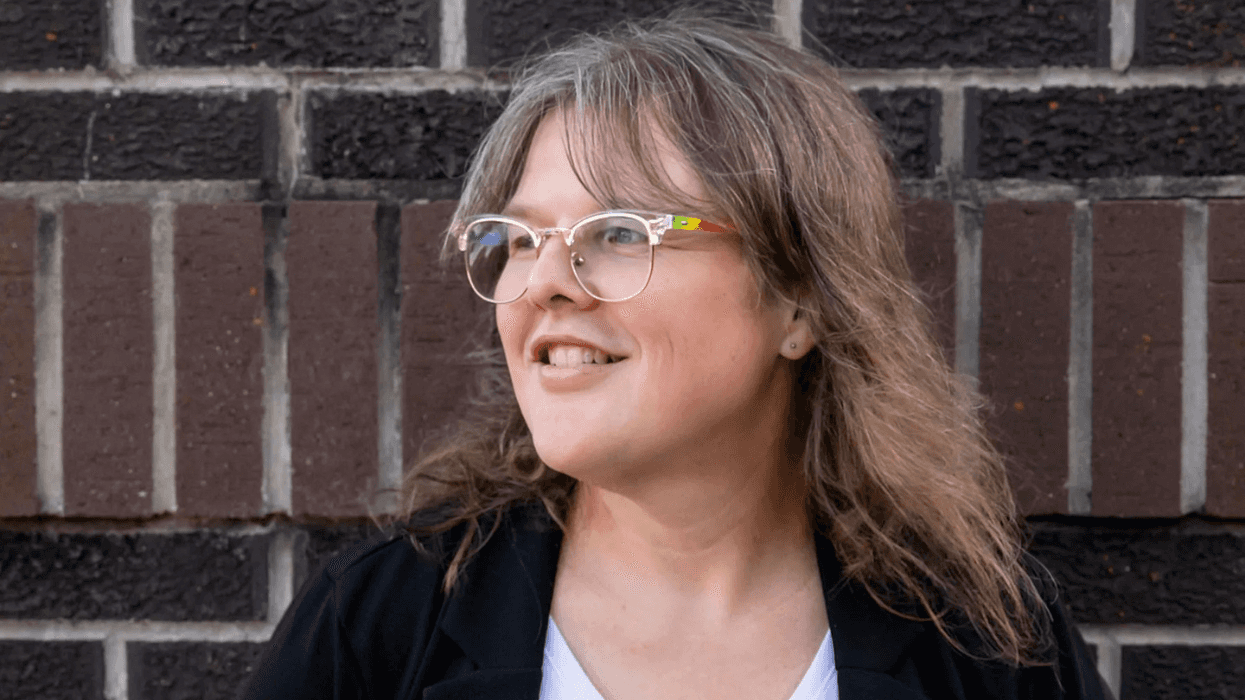
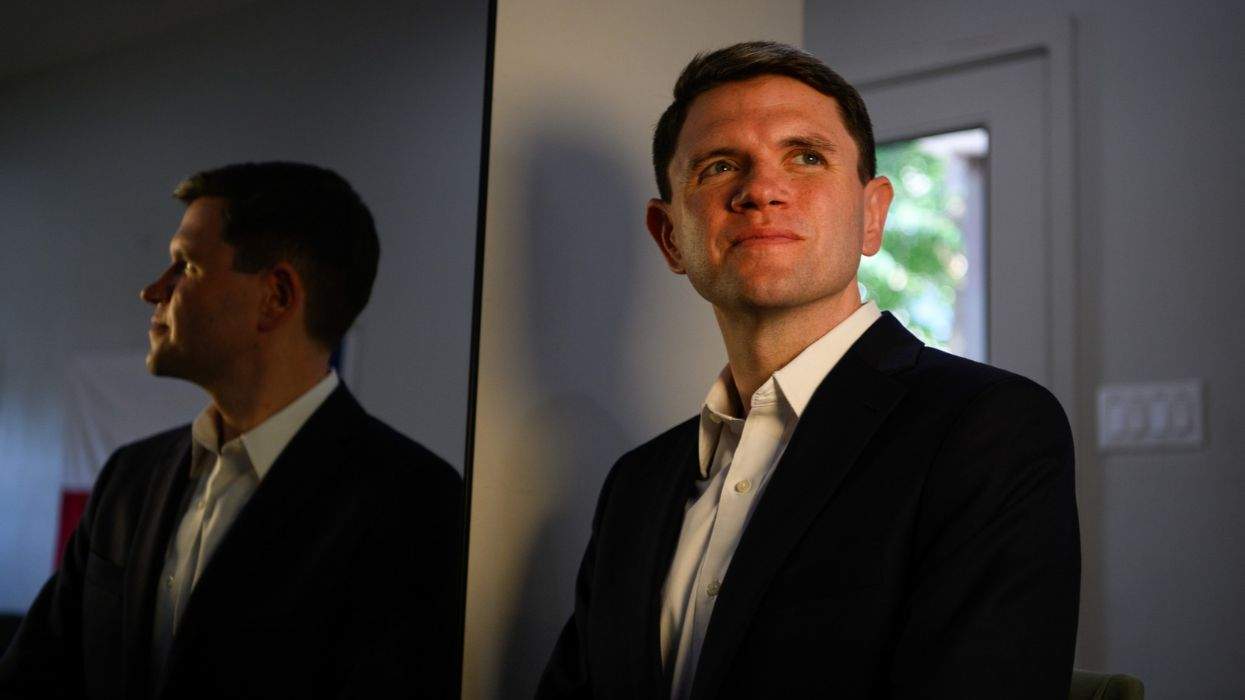
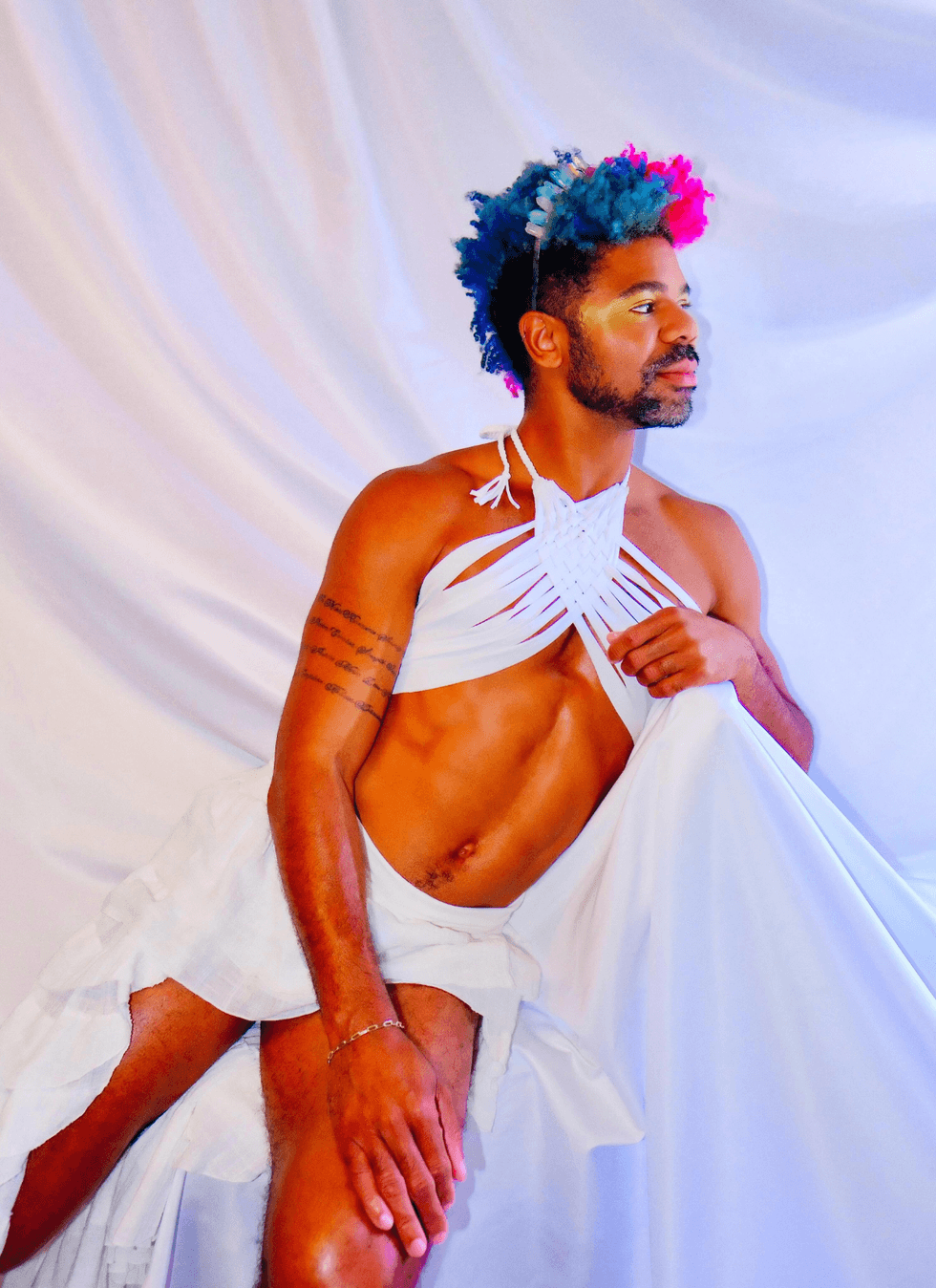 Photo courtesy of Chase T. M. Anderson
Chase T. M. Anderson, MD (he/she/they), is an assistant professor in child and adolescent psychiatry at the University of California, San Francisco, and Medical Director of The Muses Program for Minoritized Youth. You can follow them on Instagram, X, and BlueSky.
Opinion is dedicated to featuring a wide range of inspiring personal stories and impactful opinions from the LGBTQ+ community and its allies. Visit Advocate.com/submit to learn more about submission guidelines. We welcome your thoughts and feedback on any of our stories. Email us at voices@equalpride.com. Views expressed in Voices stories are those of the guest writers, columnists, and editors, and do not directly represent the views of The Advocate or our parent company, equalpride.