'%3E%3Cpath d='M16.3574 35.6519H12.9537L15.0491 18.8873L16.3574 35.6519ZM30.4229 54.0093L22.309 0.994385H7.91795L0 54.0093H10.6634L11.5802 46.3855H17.4014L17.9914 54.0093H30.4229Z' fill='%23971B20'/%3E%3Cpath d='M48.2073 41.8813C48.2073 43.4049 47.4892 44.0011 46.1144 44.0011H43.7595V11.0687H46.1144C47.4892 11.0687 48.2073 11.6636 48.2073 13.1885V41.8813ZM59.5273 43.6695V11.3326C59.5273 3.71323 53.5729 0.994385 47.8157 0.994385H31.7213V54.0093H47.8157C53.5729 54.0093 59.5273 51.29 59.5273 43.6695Z' fill='%23971B20'/%3E%3Cpath d='M90.183 0.994385H78.6039L75.0711 30.6157L71.9955 0.994385H59.4346L69.2474 54.0093H80.373L90.183 0.994385Z' fill='%23971B20'/%3E%3Cpath d='M107.063 42.3448C107.063 43.7359 105.951 44.5974 104.643 44.5974C103.269 44.5974 102.157 43.7359 102.157 42.3448V12.658C102.157 11.2676 103.269 10.4058 104.643 10.4058C105.951 10.4058 107.063 11.2676 107.063 12.658V42.3448ZM119.233 43.2723V11.7312C119.233 6.36384 112.952 -3.8147e-06 104.643 -3.8147e-06C96.2667 -3.8147e-06 89.9867 6.36384 89.9867 11.7312V43.2723C89.9867 48.6393 96.2667 55 104.643 55C112.952 55 119.233 48.6393 119.233 43.2723Z' fill='%23971B20'/%3E%3Cpath d='M150.976 43.9349V33.7309H139.069V42.3448C139.069 43.7359 137.957 44.5974 136.582 44.5974C135.076 44.5974 133.964 43.7359 133.964 42.3448V12.658C133.964 11.2676 135.076 10.4058 136.582 10.4058C137.957 10.4058 139.069 11.2676 139.069 12.658V21.2723H150.976V11.0687C150.976 5.70107 145.283 -3.8147e-06 136.582 -3.8147e-06C127.75 -3.8147e-06 121.796 5.70107 121.796 11.0687V43.9349C121.796 49.3022 127.75 55 136.582 55C145.283 55 150.976 49.3022 150.976 43.9349Z' fill='%23971B20'/%3E%3Cpath d='M167.478 35.6519H164.076L166.17 18.8873L167.478 35.6519ZM181.544 54.0093L173.432 0.994385H159.037L151.123 54.0093H161.785L162.704 46.3855H168.523L169.114 54.0093H181.544Z' fill='%23971B20'/%3E%3Cpath d='M205.412 10.4058V0.994385H177.081V10.4058H185.392V54.0093H197.428V10.4058H205.412Z' fill='%23971B20'/%3E%3Cpath d='M230.002 54.0093V43.9349H218.914V31.8746H226.635V21.8028H218.914V10.4058H230.002V0.994385H206.875V54.0093H230.002Z' fill='%23971B20'/%3E%3C/g%3E%3Cdefs%3E%3CclipPath id='clip0_260_7080'%3E%3Crect width='230' height='55' fill='white'/%3E%3C/clipPath%3E%3C/defs%3E%3C/svg%3E)
Strategy work usually gets described in terms of what an organization needs to build: new systems, new partnerships, new infrastructure. But HIV strategy should begin with another question: What networks of relationships and influence already exist, and why have we not adequately invested in them as pathways to prevention and care?
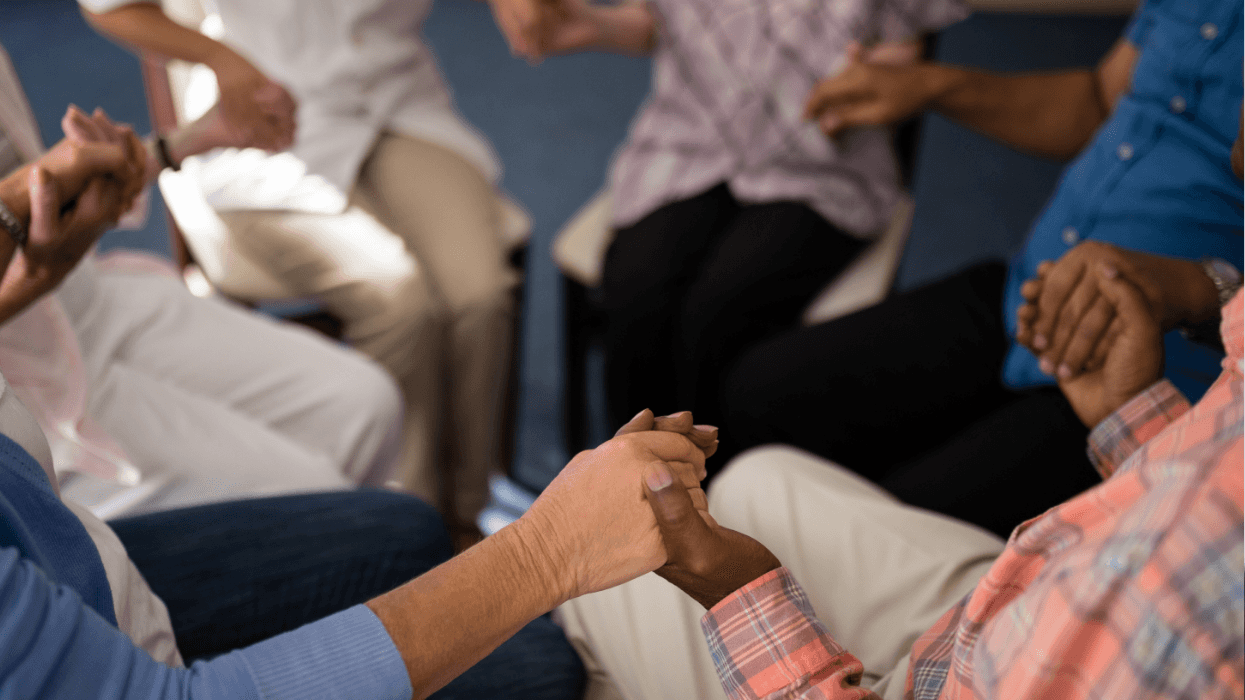
August 30 is National Faith HIV & AIDS Awareness Day. The observance points to an important strategic opportunity. Faith and spiritual communities are among the few institutions in this country that hold relationships that span generations. Their leaders are often present for some of the most intimate moments in people’s lives, including illness, grief, family conflict, and crisis. And within those communities are trusted networks capable of helping people move from fear and uncertainty toward accurate information, support, and care.
That potential comes with an important caveat. Faith communities are not universally trusted or uniformly prepared to address HIV. However, when they are affirming, informed, accountable, and connected to care, they can help create trusted pathways to HIV prevention and treatment.
A trusted pathway to care
Effective treatment enables people with HIV to live long and healthy lives. Pre-exposure prophylaxis (PrEP) can prevent HIV, and people who achieve and maintain an undetectable viral load cannot sexually transmit the virus, a concept known as undetectable equals untransmittable (U=U). But having the tools does not ensure that everyone has access to them. A medication can exist and still feel out of reach. A clinic can be nearby and still feel unsafe. Information can be accurate and still fail to change behavior if people do not trust its source.
Our strategy must therefore consider not only where care is delivered, but also where trust is built and health decisions are shaped. A person with HIV may first disclose their status to a pastor, imam, rabbi, ministry leader, chaplain, or fellow congregant. Someone considering PrEP may first ask a trusted faith leader whether it is safe, confidential, or consistent with their beliefs.
What happens next matters. Does the person encounter compassion or judgment? Does the faith leader have accurate information about HIV, PrEP, and U=U? Can they connect that person with confidential testing or an affirming provider?
Faith communities should not replace clinicians or HIV organizations. They can, however, strengthen the pathways that lead people to them. Research has documented the role appropriately designed faith-based initiatives can play in HIV education, testing, linkage to services, and stigma reduction, particularly when they are developed with health professionals, community organizations, and people with lived experience.
Partnership, not access
At NMAC, we increasingly approach HIV through the lens of the whole person. Mental health, housing, economic stability, family support, and stigma can all influence whether someone seeks care, remains in care, and feels safe asking for help. For many people, faith and spirituality play a part too.
If faith shapes how someone understands illness, seeks support, makes decisions, or determines whom they trust, then it is already influencing their health experience. Public health must move beyond treating faith communities merely as channels for reaching an audience, distributing materials, or hosting events. Access is not the same as partnership.
The National HIV/AIDS Strategy for the United States called for greater coordination with faith-based and community-based organizations as part of a whole-of-society response. Its central lesson remains relevant: biomedical progress will not achieve its full potential without trusted community partnerships.
If faith communities are to become part of our HIV infrastructure, we must invest in them accordingly. That means:
- Training faith leaders on HIV treatment, PrEP, U=U, stigma, and confidentiality.
- Connecting faith communities with affirming providers and community-based organizations before someone needs help.
- Compensating faith partners for their time, expertise, and community relationships.
- Supporting initiatives led by people with HIV and other affected communities.
- Establishing clear referral pathways to testing, prevention, treatment, mental health care, and other support.
- Measuring outcomes such as referrals, linkage to care, stigma reduction, and community experience.
An honest look at a complicated history
Faith communities have been sources of both compassion and stigma throughout the HIV epidemic. The very thing that makes faith communities valuable to our strategy — their deep reservoir of trust — is also why we must reckon honestly with their history. Some have cared for people who were sick, supported grieving families, confronted discrimination, and offered belonging when other institutions turned people away. Others have contributed to rejection, misinformation, and silence, particularly toward people with HIV and LGBTQ+ people. A credible strategy must hold both truths.
Trust amplifies what travels through a network. When the message is compassion, accurate information, and connection to care, that influence can be powerful. When the message is shame or misinformation, the consequences can be just as powerful.
Public health partnership cannot require compromising scientific accuracy, confidentiality, or human dignity. Public investment should come with clear expectations: medically accurate information, voluntary participation, nondiscrimination, protection of privacy, and reliable referral to affirming care. Organizations that are unwilling to meet those standards should not be positioned as HIV-service partners.
Those standards may rule out some organizations as partners. But they should not lead us to write off faith communities as a whole. Strategy does not require perfect partners. It requires us to understand where trust and influence already exist, name the risks honestly, and create the conditions for that trust to move people toward the prevention and care they need.
Invest in the trust we already have
The next phase of the HIV response will require biomedical innovation, strong health systems, effective policy, and adequately funded programs. But it will also require a better understanding of how people move through their families, neighborhoods, and communities.
Faith and spiritual communities have spent generations building relationships across those communities. In communities of color, they have long served as places of refuge, organizing, caregiving, and collective support. Those relationships have value to an HIV response that increasingly depends on reaching people beyond the walls of traditional health systems.
The relationships and influence are already there. The trust, however, may be strong, fragile, or in need of repair. With appropriate investment, training, community leadership, and accountability, faith communities can help turn that influence into affirming pathways to testing, PrEP, treatment, and sustained care.
Biomedical innovation gives us the tools to end HIV. Trusted and accountable community partnerships will help ensure that people have access to them. Faith communities should not be treated simply as venues or distribution channels. They are community infrastructure, and where the trust, values, and commitment to care align, they are strategic partners worth investing in.
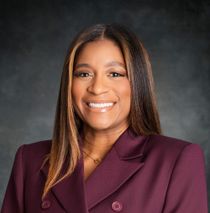
Jennifer Moore Phillips, MPH, is the Chief Strategy Officer at NMAC, an organization working to end the HIV epidemic in the United States. Visit NMAC.org to learn more.
Opinion is dedicated to featuring a wide range of inspiring personal stories and impactful opinions from the LGBTQ+ community and its allies. Visit Advocate.com/submit to learn more about submission guidelines. We welcome your thoughts and feedback on any of our stories. Email us at voices@equalpride.com. Views expressed in Voices stories are those of the guest writers, columnists, and editors, and do not directly represent the views of The Advocate or our parent company, equalpride.