'%3E%3Cpath d='M16.3574 35.6519H12.9537L15.0491 18.8873L16.3574 35.6519ZM30.4229 54.0093L22.309 0.994385H7.91795L0 54.0093H10.6634L11.5802 46.3855H17.4014L17.9914 54.0093H30.4229Z' fill='%23971B20'/%3E%3Cpath d='M48.2073 41.8813C48.2073 43.4049 47.4892 44.0011 46.1144 44.0011H43.7595V11.0687H46.1144C47.4892 11.0687 48.2073 11.6636 48.2073 13.1885V41.8813ZM59.5273 43.6695V11.3326C59.5273 3.71323 53.5729 0.994385 47.8157 0.994385H31.7213V54.0093H47.8157C53.5729 54.0093 59.5273 51.29 59.5273 43.6695Z' fill='%23971B20'/%3E%3Cpath d='M90.183 0.994385H78.6039L75.0711 30.6157L71.9955 0.994385H59.4346L69.2474 54.0093H80.373L90.183 0.994385Z' fill='%23971B20'/%3E%3Cpath d='M107.063 42.3448C107.063 43.7359 105.951 44.5974 104.643 44.5974C103.269 44.5974 102.157 43.7359 102.157 42.3448V12.658C102.157 11.2676 103.269 10.4058 104.643 10.4058C105.951 10.4058 107.063 11.2676 107.063 12.658V42.3448ZM119.233 43.2723V11.7312C119.233 6.36384 112.952 -3.8147e-06 104.643 -3.8147e-06C96.2667 -3.8147e-06 89.9867 6.36384 89.9867 11.7312V43.2723C89.9867 48.6393 96.2667 55 104.643 55C112.952 55 119.233 48.6393 119.233 43.2723Z' fill='%23971B20'/%3E%3Cpath d='M150.976 43.9349V33.7309H139.069V42.3448C139.069 43.7359 137.957 44.5974 136.582 44.5974C135.076 44.5974 133.964 43.7359 133.964 42.3448V12.658C133.964 11.2676 135.076 10.4058 136.582 10.4058C137.957 10.4058 139.069 11.2676 139.069 12.658V21.2723H150.976V11.0687C150.976 5.70107 145.283 -3.8147e-06 136.582 -3.8147e-06C127.75 -3.8147e-06 121.796 5.70107 121.796 11.0687V43.9349C121.796 49.3022 127.75 55 136.582 55C145.283 55 150.976 49.3022 150.976 43.9349Z' fill='%23971B20'/%3E%3Cpath d='M167.478 35.6519H164.076L166.17 18.8873L167.478 35.6519ZM181.544 54.0093L173.432 0.994385H159.037L151.123 54.0093H161.785L162.704 46.3855H168.523L169.114 54.0093H181.544Z' fill='%23971B20'/%3E%3Cpath d='M205.412 10.4058V0.994385H177.081V10.4058H185.392V54.0093H197.428V10.4058H205.412Z' fill='%23971B20'/%3E%3Cpath d='M230.002 54.0093V43.9349H218.914V31.8746H226.635V21.8028H218.914V10.4058H230.002V0.994385H206.875V54.0093H230.002Z' fill='%23971B20'/%3E%3C/g%3E%3Cdefs%3E%3CclipPath id='clip0_260_7080'%3E%3Crect width='230' height='55' fill='white'/%3E%3C/clipPath%3E%3C/defs%3E%3C/svg%3E)

The map of LGBTQ+ America can be redrawn without a single state changing color.
A hospital stops offering a treatment. An insurance program loses its federal share. A crisis line comes back staffed by different people. None of that shows up on an electoral map, and all of it moves the border between legal protection and actual access from the state line to the clinic door.
If Democrats fall short of a sweeping midterm victory, current federal policy will stay in place, and so will the questions families are already asking: Who else can we see, what will it cost, and would moving help?
Mount Sinai shows what a blue state address is worth. In September, the New York hospital system agreed to end gender-affirming medical care for minors under a settlement with the Justice Department. Mount Sinai denied wrongdoing. Federal officials acknowledged no determination of liability. Nobody lost a case, because nobody tried one.
The hospital said it settled to protect confidential patient records. But a federal judge had already ordered those records protected, and an appeals court had declined to lift that protection shortly before the agreement was signed.
The settlement made visible the gap between what a state permits and what an institution is willing to provide. A family can live somewhere where treatment is legal and still lose the doctor.
Money draws the next line. In August, the administration finalized restrictions on federal Medicaid and CHIP funding for specified gender-affirming treatments for young people — Medicaid patients under 18 and CHIP patients under 19. States can cover the cost themselves. Some will.
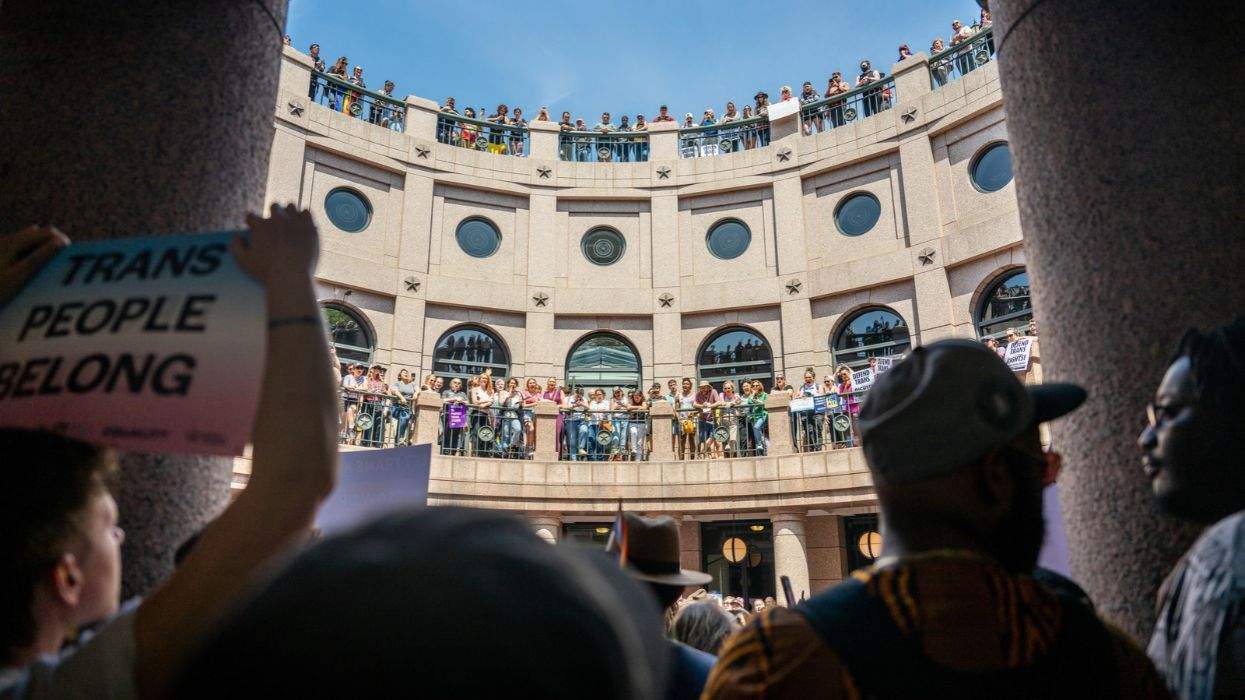
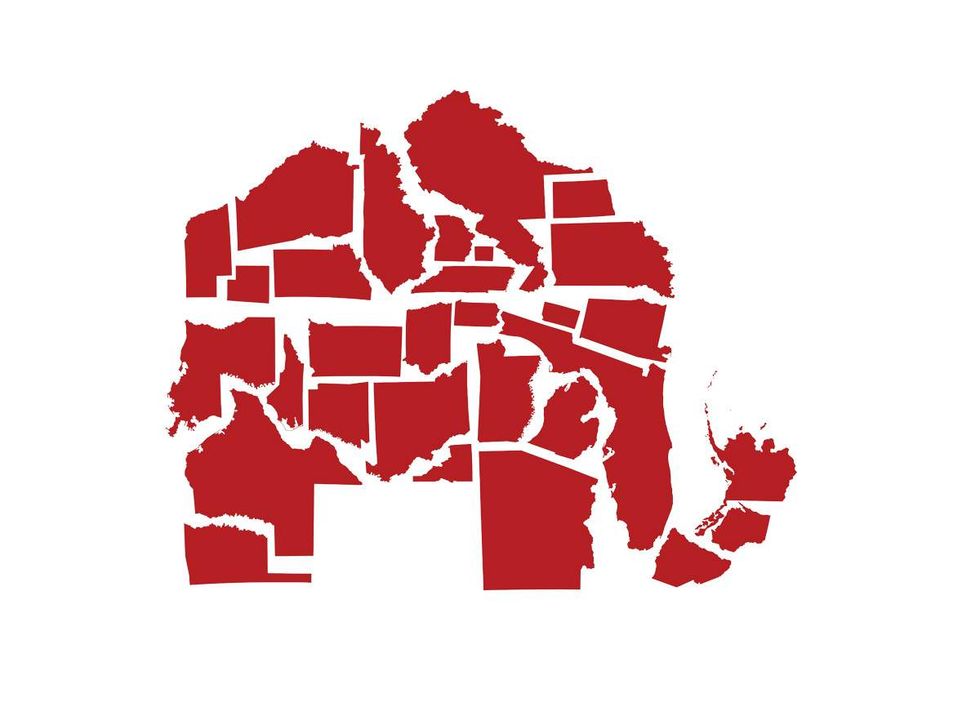 A Republican sweep in the midterms could result in logistical nightmares for queer and trans Americans.Envato
So access now depends on a state budget decision, whether a qualified provider is still practicing within driving distance, and what a family has in the bank. Gas, a night in a motel, a missed shift. That is how a national policy fight arrives as a household expense.
The 988 story is still being written. The administration ended the line’s specialized LGBTQ+ youth services in July 2025. It is now preparing to restore them, after Congress directed it to allocate $33.1 million.
The Trevor Project — a nonprofit that helped pilot the service and handled roughly half its contacts — will not be included. The organization told The Advocate that SAMHSA rejected its application. SAMHSA said restricting applicants to active 988 network members is standard practice for selecting specialized providers.
Federal officials said they were aiming to restore service by year’s end. October 1 was floated. They would not confirm it. They also would not say whether counselors will be permitted to use a transgender or nonbinary caller’s name and pronouns.
General 988 service continues, and The Trevor Project’s own crisis lines are still running. What remains unsettled is what the restored specialized network will actually offer, and who will be on the other end of it.
Public opinion sits at an odd angle to all of this. PRRI surveyed more than 22,000 adults in 2025 and found 72 percent supporting LGBTQ+ nondiscrimination protections, including 56 percent of Republicans. Pew’s July survey found voters ranked economic concerns first and Democrats led on the congressional ballot question, 43 to 37 percent.
Broad agreement, in other words, that has not translated into federal policy.
A narrow Democratic House majority could still investigate and still block legislation. Republican control would keep the current leadership in place. Either way, state officials, courts, and the providers themselves retain decisions of their own.
For families, all of that institutional machinery narrows down to something small. An appointment that exists. A card the front desk will accept. Someone qualified picking up the phone.
That is where the next chapter gets measured — not in seat counts, but in how far a person has to drive to find help, and whether it is there when they arrive.
This article is part of The Advocate’s Nov-Dec 2026 print issue, on newsstands November 3. Support queer media and subscribe — or download the issue now through Apple News+, Zinio, Nook, or PressReader.